
Laura Robson looked destined to become one of the biggest stars in British tennis. She won the Wimbledon girls' singles title at 14, stunned Kim Clijsters and Li Na at the 2012 US Open and won Olympic silver alongside Andy Murray at 18. A year later, she was ranked No. 27 in the world. Then injuries changed everything.
That same year, at just 18, Robson won an Olympic silver medal in mixed doubles alongside Andy Murray at London 2012. She finished the season as the WTA’s Newcomer of the Year and continued her rise in 2013, reaching a career-high ranking of No. 27. Along the way, she also picked up wins over Venus Williams, Petra Kvitova and then-world No. 4 Agnieszka Radwanska.
Yet despite that remarkable start, Robson’s career ultimately ended with no WTA singles titles to her name. After reaching the top 30 at 19, a series of injuries prevented her from building any sustained momentum. She returned to the tour in 2016, but never climbed back into the top 150 and played only sporadically before eventually retiring at 28.
That is what makes Robson’s career so difficult to assess simply in terms of results. The talent was there, and she had already shown that she could compete with some of the best players in the world. What she never had was the uninterrupted stretch of good health needed to find out just how far that talent could take her.
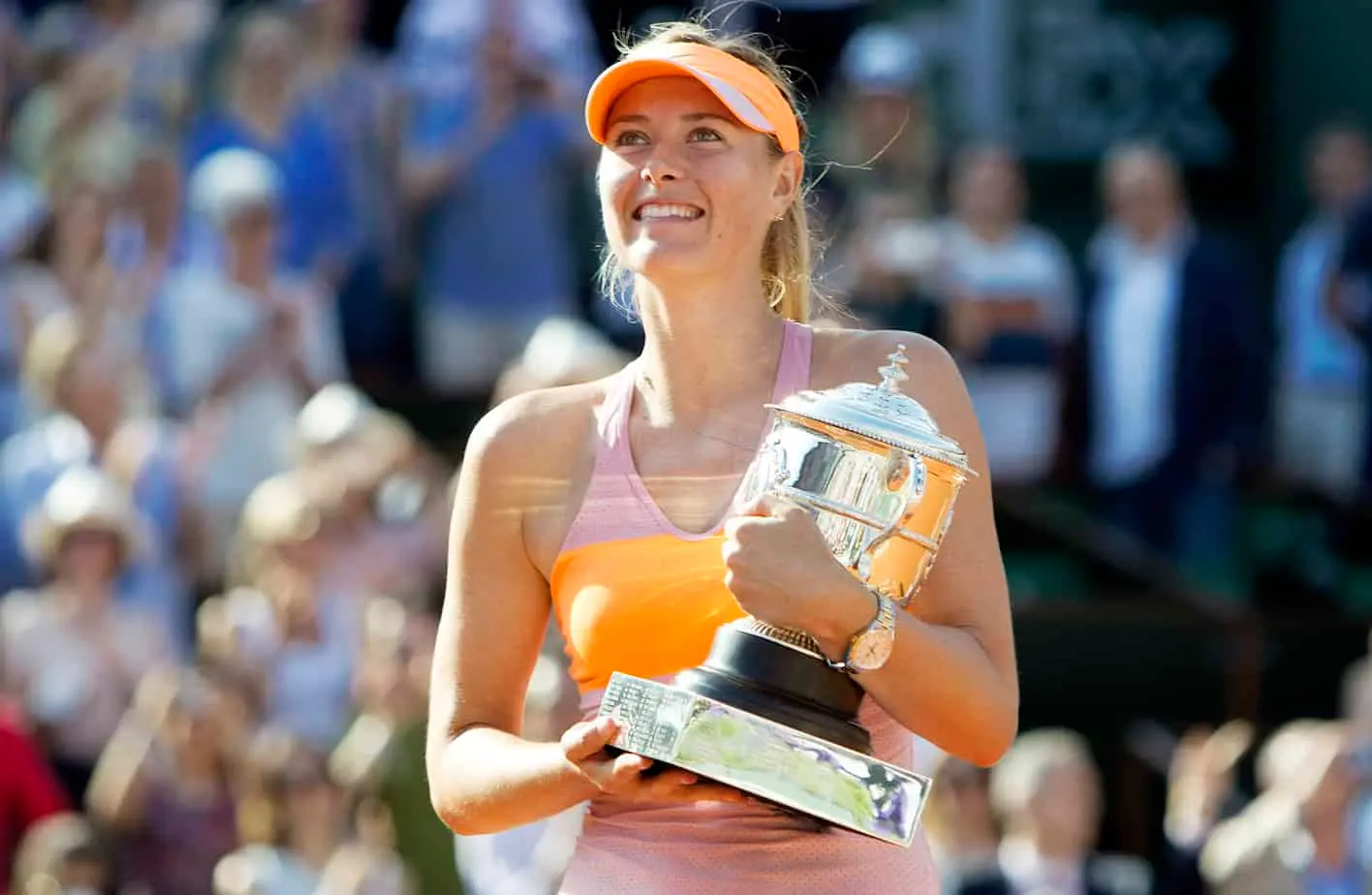
Laura Robson, in numbers
| Career-high ranking | No. 27 |
| Age at career high | 19 |
| Wimbledon junior title | 1 |
| Olympic medals | 1 silver |
| Grand Slam fourth-round appearances | 2 |
| WTA singles titles | 0 |
| WTA finals | 1 |
| Hip surgeries | 3 |
| Retirement age | 28 |
The teenager who beat Grand Slam champions before she could vote
Robson first made her mark as a teenager, winning the Wimbledon girls’ singles title at just 14 and becoming the first British girl to do so since Annabel Croft in 1984. Her breakthrough on the senior tour came in 2012, when she reached the fourth round of the US Open by beating former world No. 1 Kim Clijsters and two-time Grand Slam champion Li Na.

Just weeks later, Robson added an Olympic silver medal to her growing list of achievements, partnering Andy Murray in the mixed doubles at London 2012. She finished the season as the WTA’s Newcomer of the Year and reached her first WTA final in Guangzhou, becoming the first British woman to reach that stage since Jo Durie in 1990.
Read also
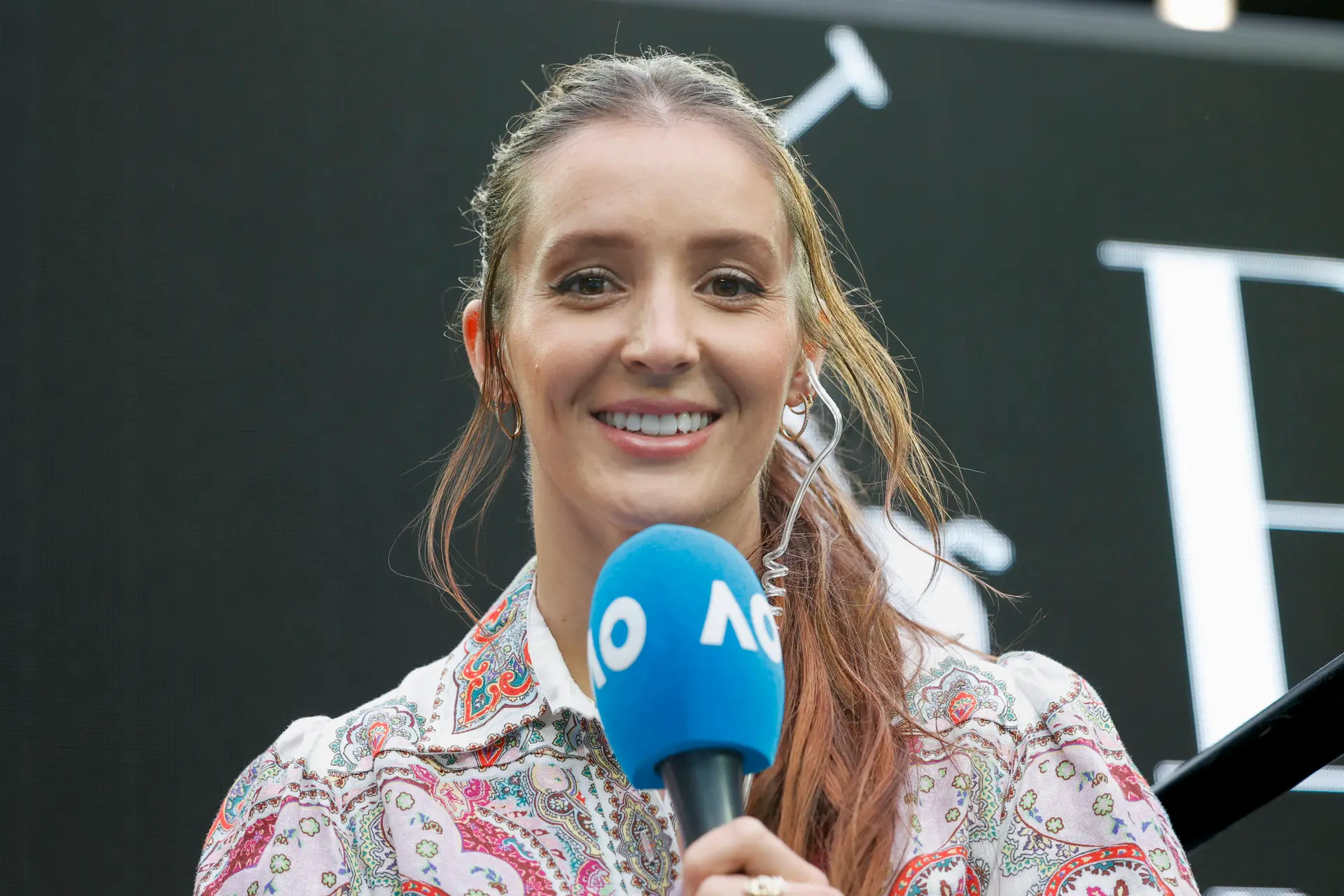
The best season of her career — and the injury that changed everything
Robson continued her rise in 2013, reaching the fourth round at Wimbledon and the third round of the Australian Open. She also picked up some of the biggest wins of her young career, beating Venus Williams, Petra Kvitova and then-world No. 4 Agnieszka Radwanska. In July, at just 19 years old, she reached a career-high ranking of No. 27.
At that point, Robson looked like one of the most promising young players in the sport, having already beaten Grand Slam champions and top-10 opposition on the biggest stages. But an injury to her left wrist began causing problems later that year. The issue eventually required surgery in early 2014, and Robson would miss most of the following two seasons, losing crucial years of development just as her career appeared to be taking off.

Robson's injury timeline
| Year | Event |
| Late 2013 | Wrist injury emerges, shortly after reaching a career-high ranking |
| 2014 | Wrist surgery; misses most of the 2014 and 2015 seasons |
| 2016 | Returns to tour, but never climbs back into the top 150 |
| 2018 | First hip surgery |
| April 2019 | Plays her last competitive singles match, at an ITF event in Sunderland |
| December 2019 | Second hip surgery |
| January 2021 | Third hip surgery |
| May 2022 | Announces retirement, aged 28 |
A career that never got another chance
Robson returned in 2016, but struggled to regain the level that had taken her into the world’s top 30. There were brief signs of a comeback, including a $60K ITF title in Kurume in 2017, but another major setback followed when she began suffering from a right hip injury. She underwent surgery in 2018, by which point her singles ranking had fallen outside the top 350.
Her final competitive singles match came in April 2019 at an ITF event in Sunderland, before another hip surgery later that year and a third procedure in January 2021. By the time Robson announced her retirement in May 2022, she had not played a competitive match in more than three years.
Read also
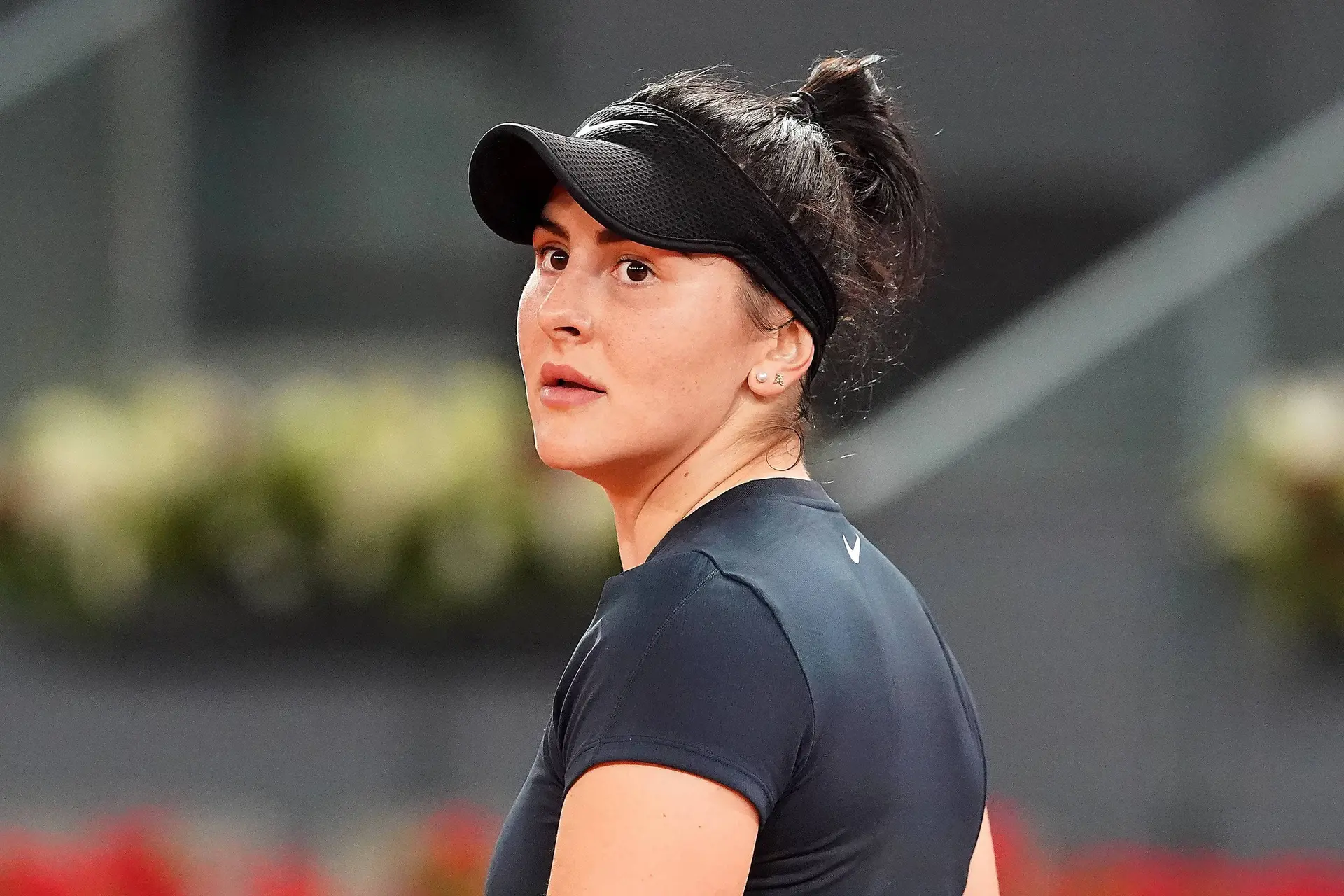
“I think I’m always going to have the feeling that I could have done more,” Robson said after announcing her retirement. She also acknowledged that another year or two of good health could have changed what she was able to achieve.
Instead, a career that had promised so much was repeatedly interrupted by injuries: a wrist at 19, a hip at 24, another hip problem at 25 and a third surgery at 27. Robson never got the sustained run on court that might have shown just how far her talent could take her. She has since moved into broadcasting, remaining around the sport that once seemed to offer her a place at the very top.
I think I’m always going to have the feeling that I could have done more. That may ultimately be the hardest part of assessing Laura Robson's career. She never found out what her ceiling was.
At 19, she was already No. 27 in the world. She had beaten Grand Slam champions, reached the last 16 at two majors and won an Olympic medal. Then her body repeatedly took away the one thing a young player needs most: time.
Robson's career wasn't short on achievements. It was short on opportunity. And that is why the question of what she might have achieved will probably never go away.

Cristhián AvilaTennis Journalist
Cristhián Ávila is a tennis journalist based in Santiago, Chile, and has been part of the TennisUpToDate team since early 2023. He covers the ATP and WTA Tours as well as all four Grand Slams, producing breaking news, match reports, analysis, and regular liveblogs from major tournaments.
His reporting combines statistical analysis with clear explanation, helping readers understand tactical developments, player form, and broader storylines across the tour. Working fluently in both Spanish and English, Cristhián collaborates with an international editorial team and contributes to comprehensive global coverage. As part of his work, he has conducted interviews and media interactions with leading figures in the sport, including Caroline Wozniacki and John McEnroe.
In his journalism, Cristhián places strong emphasis on careful sourcing, editorial accuracy, and updating articles promptly when new, verified information becomes available. His coverage is grounded in research, context, and direct engagement with professional tennis.
claps 0visitors 0
Just In

Popular News
Latest Comments
- A healthy Qinwen may be hard to stop next season. She was already scaring her opponents before her medical leave(s). Unfortunately, Zheng insisted on singing again. On the positive side -- Mirra did not sing!! ;~}
 mandoist11-10-2026
 - Where is it written that athletes, entertainers... People in general... are mandated to keep looking at -- or even using [anti]Social Media? Public & private figures consistently complain and reveal their concerns about negativity and violence thrown at them -- yet they insist on participating. Avoid it, don't use it, don't read it. It's okay to occasionally look up at the World instead beating your eyes & thumbs to death on The Inventions out there.mandoist11-10-2026
- great articlestennisseserver07-10-2026
- Medvedev was leading Djokovic 7-5, 3-5 when an attempted return..' NO you ignorants, Djokovic was leading .weiss05-10-2026
- No more bullshit "Wildcards" to these two. Qualify like everyone else -- there will be cameras there, too. Time to scream... WTF ????!!!!mandoist29-09-2026
- Let's not BS the general public -- Sabalenka started showing cracks in her game last season. Her losses and near-losses started at about the same time she began being distracted by Fame (constant Selfies, making TV commercials, magazine shoots, endless Social Media nonsense, etc., etc.) One would think even Saba could recognize the parallels with others who failed before her -- Raducanu, Giorgi, Bouchard to name a few.mandoist25-09-2026
- Gross!! Hey Raducanu, Giorgi, and Bouchard -- reserve a seat at your Social Media Selfie table for Saba + Naomi. They're heading in your direction soon enough.mandoist24-09-2026
- And then these same players will complain about how lengthy their season’s were and need more time-off. I’m all for more tennis but the amount of tennis we get now is actually kind of crazy! We all need a break, especially the players.DaveyWavey23-09-2026
- You should do a comparison article for "different kinds of justice" the courts decide for tennis players. I can think of at least three players who received very small bans of a few months, however Tara Moore has been fighting for her literal survival the past few years. It seems odd considering she is not a "name" player, unlike the other cases.DaveyWavey22-09-2026
- PRIZE MONEY & POINTS Winner - $185,500 Finalist - $114,500 Semi-Finalist - $66,003 Quarter-Finalist - $35,000 Round of 16 - $18,045 Round of 32 - $13,005 Winner - 500 Finalist - 325 Semi-Finalist - 195 Quarter-Finalist - 108 Round of 16 - 60 Round of 32 - 1DaveyWavey20-09-2026

Loading