“Not everybody is Federer, perfect all the time”: The realism that grounded Sabalenka after Slam finals losses
WTA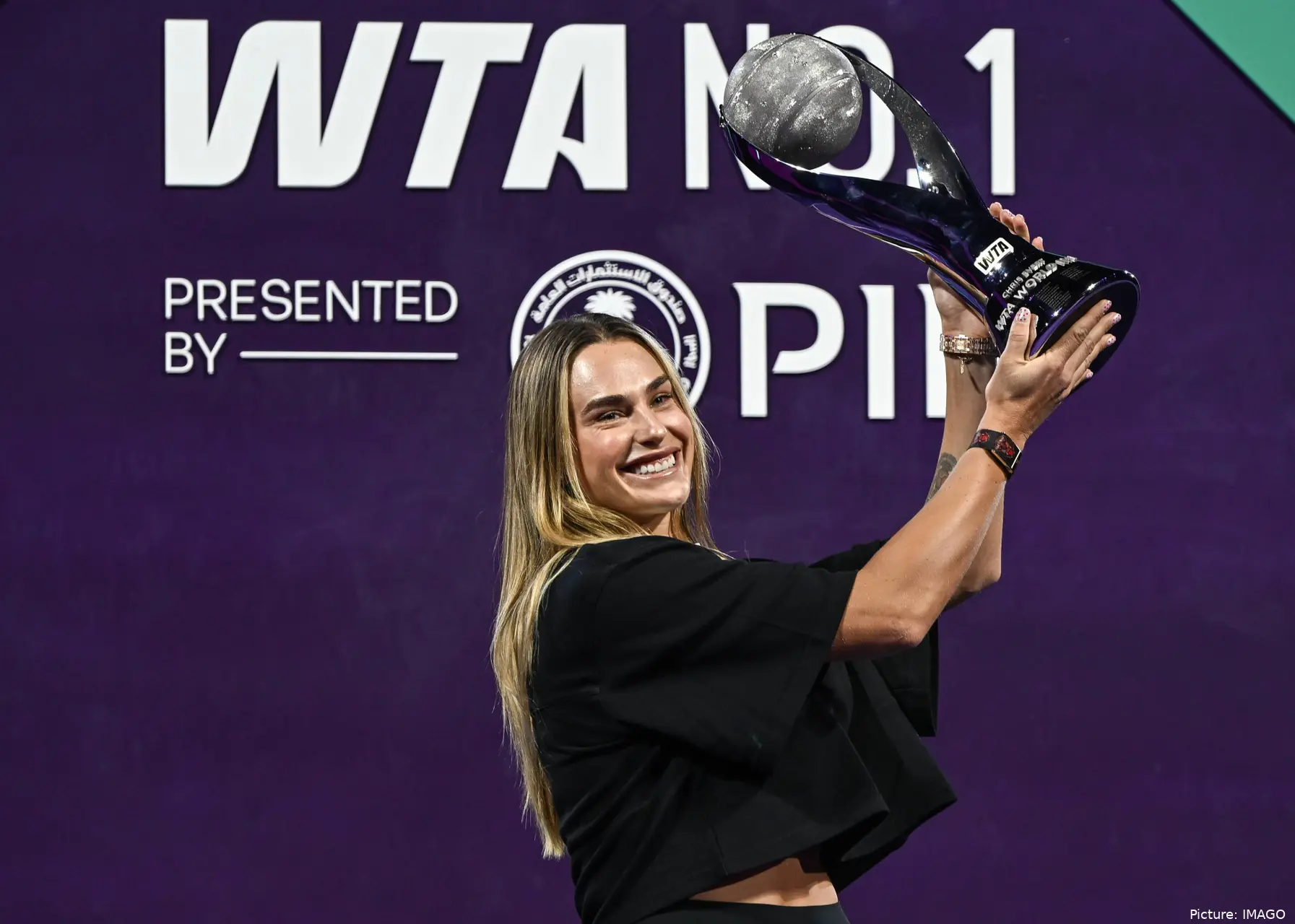
The support team surrounding Aryna Sabalenka has been instrumental in her sustained dominance as the undisputed World No. 1. Recently, performance coach Jason Stacy and tactical coach Anton Dubrov shared insights into the regimen that powered her through a standout 2025 season. Their assessments reveal that her success relies heavily on a structured environment designed to foster peak performance under pressure.
Sabalenka’s 2025 campaign established new benchmarks for consistency, highlighted by her accumulation of 60 weeks at the top of the WTA rankings. Throughout the year, she secured four titles and reached other five finals. This sustained excellence results from specific physical and mental strategies implemented by her team. Their careful planning ensured she remained a potent competitive force from the season's start to its finish.
While she captured the US Open title, the season was also defined by resilient responses to near-misses against elite competition. Reaching the finals at the Australian Open, French Open, and the WTA Finals demonstrated her ability to go deep in major events consistently. These high-stakes losses required significant emotional resilience to bounce back immediately for the next tournament.
The foundation of this durability lies in her physical preparation, overseen by Jason Stacy with a strict yet adaptive approach. Her ability to recover after long matches was critical during deep runs at all four Grand Slams this year. Stacy notes that the primary challenge is rarely motivating her to work, but rather managing her intense desire to push limits.
Read also
Managing intensity and physical Drive
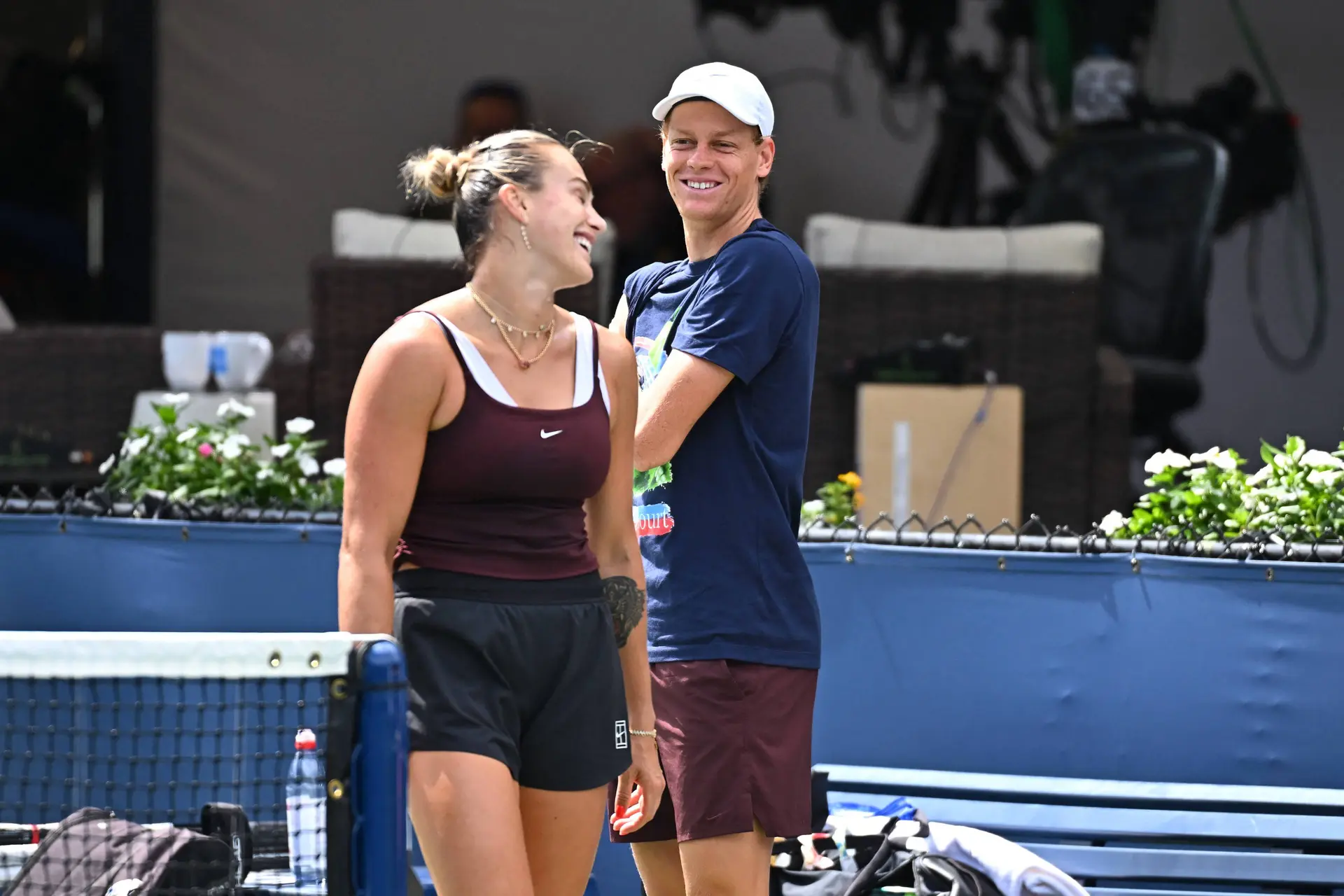
During the season-ending WTA Finals, Stacy highlighted Sabalenka's refusal to skip training sessions regardless of physical fatigue. Her commitment to the program remained unshaken even after a long year of defending points and chasing titles globally. Stacy describes a dynamic where her verbal complaints never translate into quitting, illustrating a mindset that prioritizes long-term gains. “She’s like, `No, no, I’m doing the workout,’ ” Stacy said to the WTA website at the WTA Finals. “She might complain about it, might not really want to do it sometimes, but she’ll always still do it."
This limitless energy presents a unique challenge for her support team, who must act as a governor to prevent injury. With four titles won and several grueling finals contested in 2025, the risk of overtraining became a genuine concern for her staff. Stacy emphasizes that their role often shifts from motivators to managers, ensuring her internal drive does not lead to physical burnout. “She has that drive in her, so we actually have to come in and manage it a little bit.”
Tactical honesty and the burden of leadership
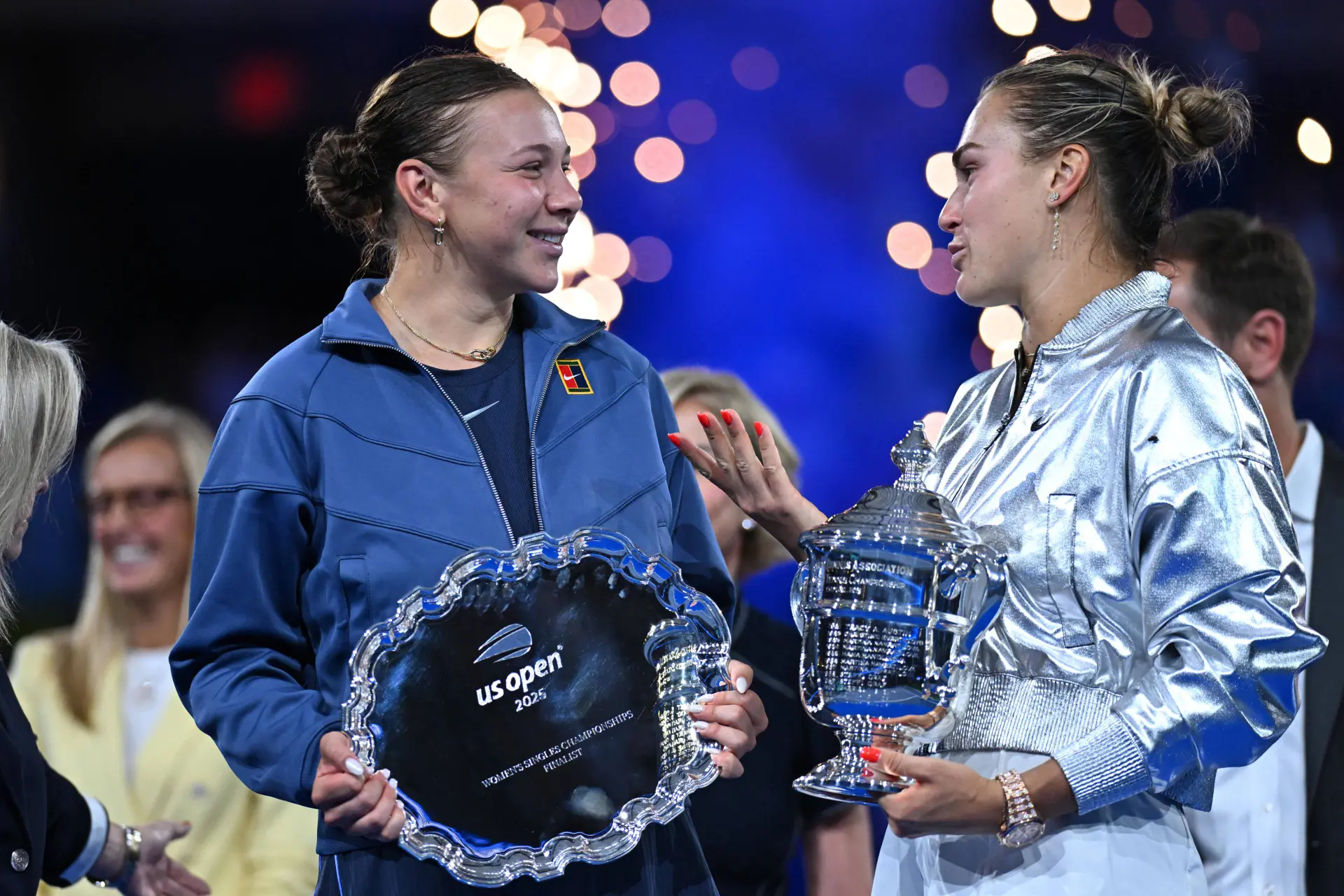
The mental component of her game is handled through transparent conversations with tactical coach Anton Dubrov. After falling short in the finals at Roland Garros and Melbourne, the team relied on objective analysis rather than emotional reactions to correct their course.
Dubrov explains that bridging the gap between current results and desired outcomes requires confronting uncomfortable truths about performance without taking criticism personally. “Just honest discussions,” Dubrov explained. “What you want is here [holding out his right hand]; what you experienced right now is here [left hand]. There’s this gap between the two and trying to work on it. She’s trying to work on it. She’s more honest about it. I like this."
Read also
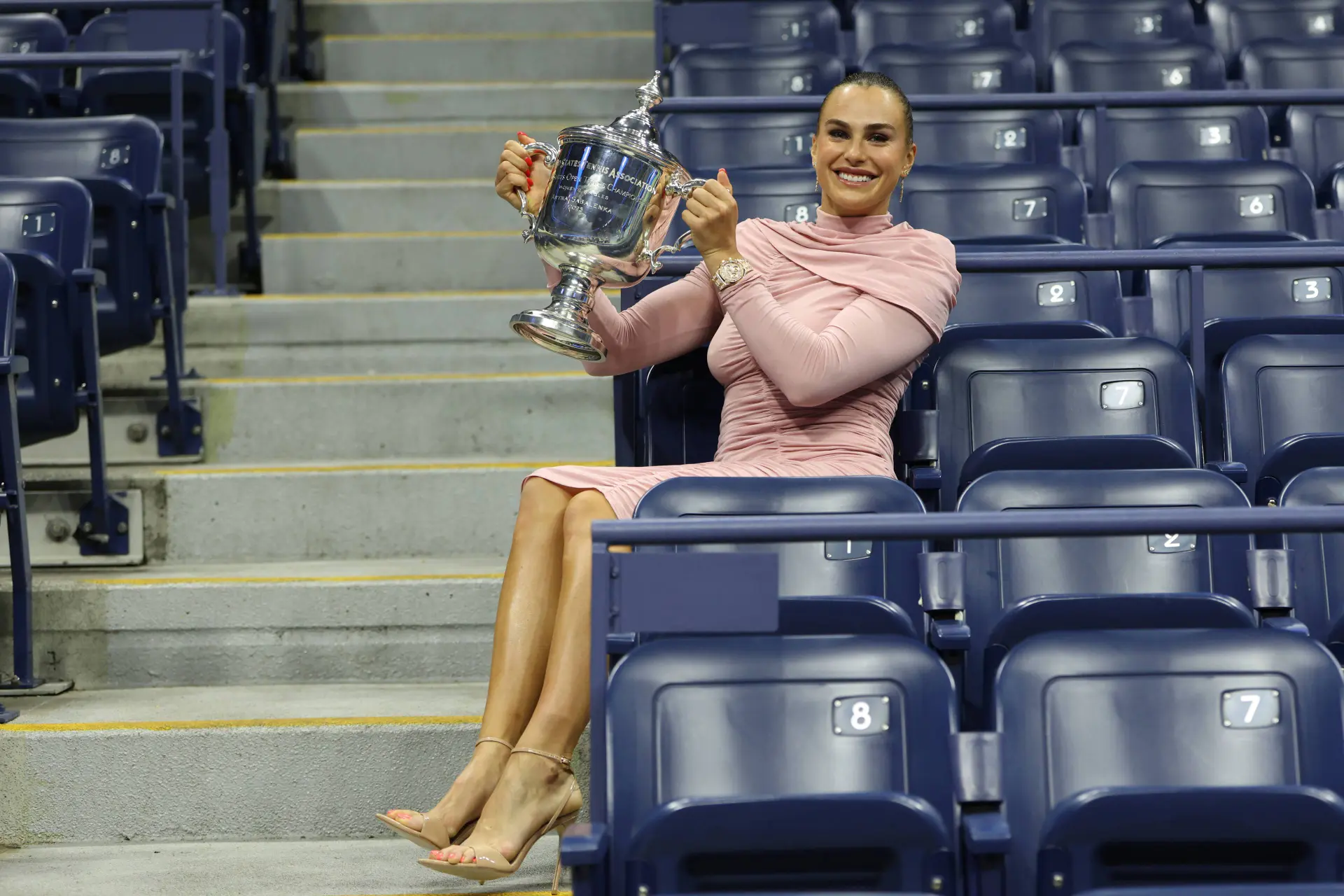
This honesty was particularly crucial following her loss at the French Open, a moment that helped refine her game for her eventual US Open triumph. Dubrov appreciates her ability to humanize errors, acknowledging that even the world's best players make mistakes on the big stage. This perspective helps reduce the pressure of perfectionism during critical matches. “Even after Paris, she was open to talk about it, like `Yeah, I was wrong, this is my mistake. We are all humans. What’s next?’ Not everybody is like Roger Federer, always perfect all the time.”
Dubrov notes she is now motivated to prove why she belongs at the summit, while Stacy adds that her professional conduct through both victories and defeats has set a new standard for the team. “First time she was No. 1, she didn’t know what to expect,” Dubrov said. “Second time, she was, OK, I’ve been there before. I want to sustain this and be consistent.’ She was more humble and motivated to not only stay longer but to show why she is No. 1.”
“She took more responsibility for it. She understood the importance of the position -- not just for herself but for the team,” Stacy added. Much more professional, much more mature. “I think having that legacy, this wanting people to look back at her, look up to her, saying, Look how she carried herself, how she held up to this,’ … pretty cool.”


Cristhián AvilaTennis Journalist
Cristhián Ávila is a tennis journalist based in Santiago, Chile, and has been part of the TennisUpToDate team since early 2023. He covers the ATP and WTA Tours as well as all four Grand Slams, producing breaking news, match reports, analysis, and regular liveblogs from major tournaments.
His reporting combines statistical analysis with clear explanation, helping readers understand tactical developments, player form, and broader storylines across the tour. Working fluently in both Spanish and English, Cristhián collaborates with an international editorial team and contributes to comprehensive global coverage. As part of his work, he has conducted interviews and media interactions with leading figures in the sport, including Caroline Wozniacki and John McEnroe.
In his journalism, Cristhián places strong emphasis on careful sourcing, editorial accuracy, and updating articles promptly when new, verified information becomes available. His coverage is grounded in research, context, and direct engagement with professional tennis.
claps 0visitors 0
Just In


Popular News

Latest Comments
- Does Sinner need that 4.5 mil? I doubt it. He can make that with three modelling gigs!😅🤣Rapunzel21-10-2026
- Did "People Magazine" purchase this website? This nonstop storyline is bullshit.
 mandoist21-10-2026
 - Listen... this is of no concern to anyone but these two. Deal with your own issues -- most of us have our own. Thanks, media, for these insignificant follow-ups which are meaningless.mandoist21-10-2026
- This is so very very sad, for all three of them. I truly thought they had an unbreakable bond, but life throws up so many differing challenges. Having your homeland suffering in such a terrible way, makes happiness lose out to guilt as well. Our thoughts are with them. X💔bjsexton20-10-2026
- I have lost all respect for Svitolina! Could she not have waited until he had played at the Paris Masters!!! She is selfish and don't give a damn about Gael. That is NOT how love is demonstrated Elina!!Rapunzel19-10-2026
- Perhaps convenient tennis tour sex is not a strong enough experience in which to base a marriage?mandoist19-10-2026
- Fight the Good Fight... Tennis (sports in general) need more Humans such as yourself.mandoist18-10-2026
- When is WTA going to mandate Genetic Testing (DNA) ???mandoist18-10-2026
- Hey, Dan... you just wake up from a coma? Regardless -- Thanks for the comedy this morning!mandoist18-10-2026
- Two Things: 1. Stop allowing these Spoiled Trust-Fund Elitists to behave badly. Your little hand-slaps do not deter them. 2. STOP the incessantly annoying "towel wiping" nonsense!!!!mandoist15-10-2026

Loading