“That would be a tragedy for tennis and a tragedy for her”: Venus Williams reacts to Sabalenka’s emotional post-match comments in Paris
WTA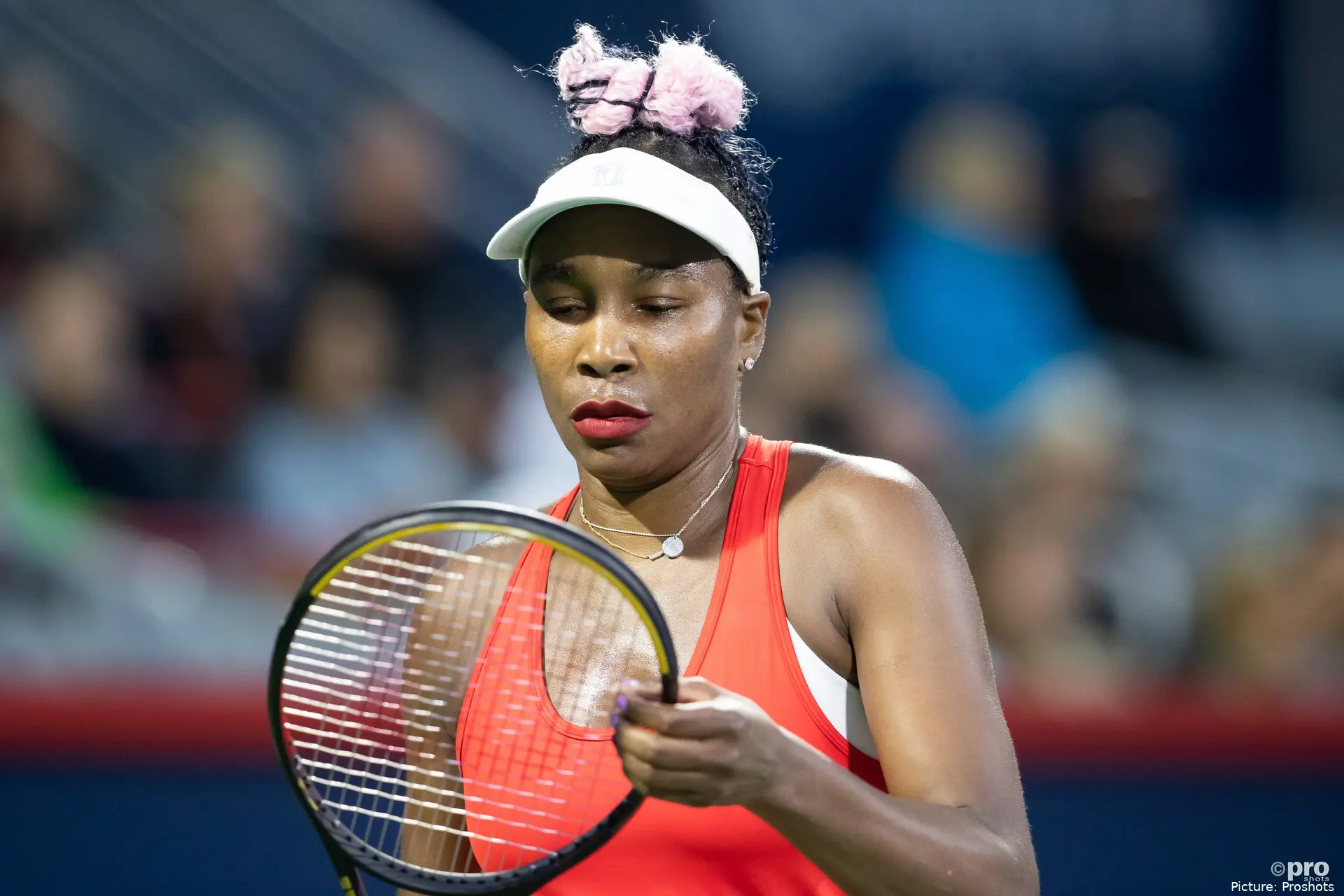
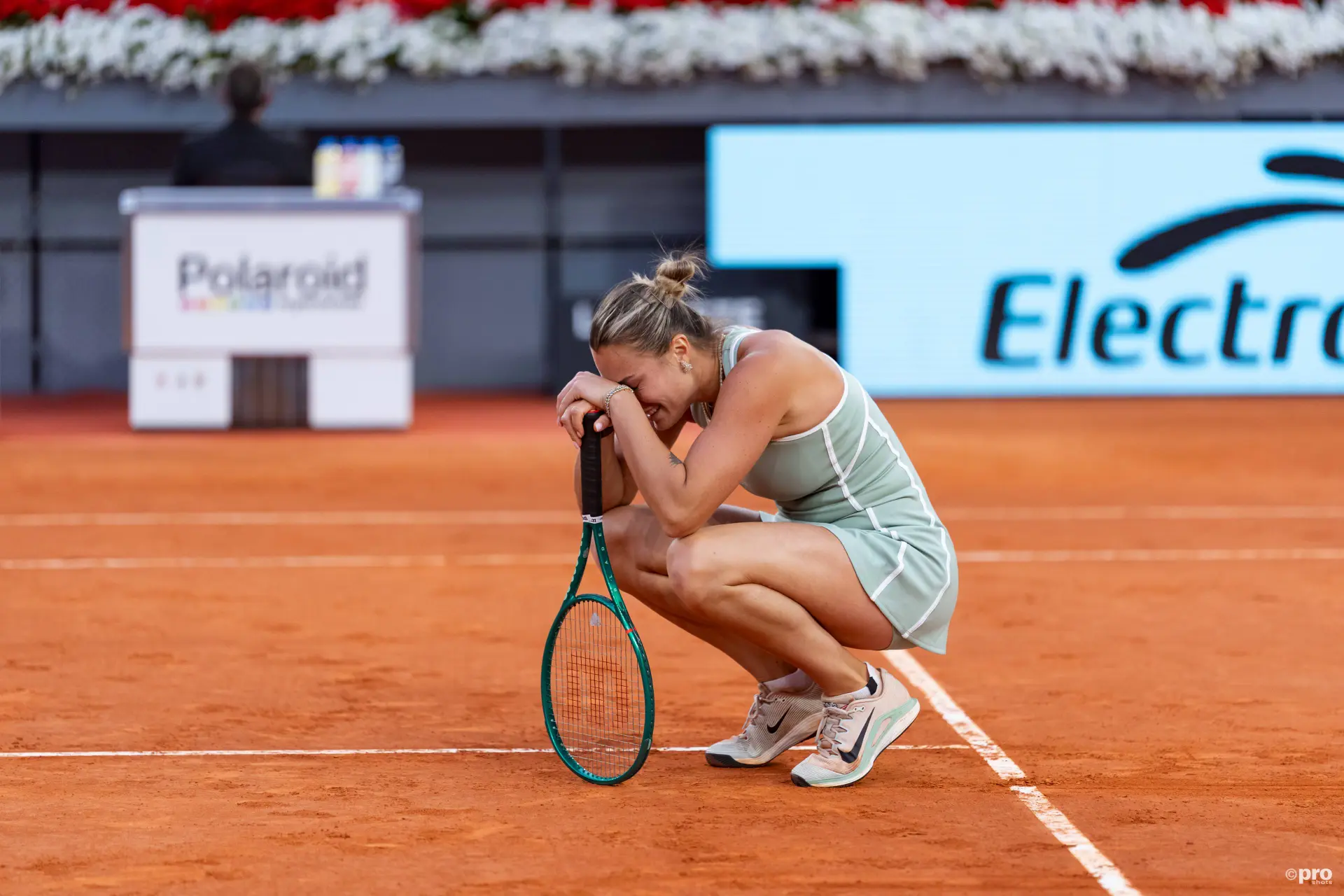
Venus Williams said she felt “sad” after Aryna Sabalenka’s emotional reaction to her Roland-Garros quarterfinal defeat, describing empathy for the world No. 1 following a dramatic collapse on Court Philippe-Chatrier. Sabalenka lost 3-6, 7-5, 6-0 to No. 25 seed Diana Shnaider after leading 6-3, 4-1 with a double break.
The defeat saw Sabalenka drop the final 10 games of the match, ending her bid for a first Roland-Garros title. It also marked only her second Grand Slam quarterfinal exit in 15 appearances since the 2022 US Open, underlining a rare disruption in an otherwise consistent major record.
The world No. 1 had reached at least the quarterfinal stage in 14 consecutive Grand Slams before this result, with her Roland-Garros campaign again stopping at the last eight, mirroring her 2024 exit. Conditions on Wednesday were described as cold and breezy, with wind playing a visible role.
After the match, Sabalenka admitted she had fallen into what she called a “deep, dark hole,” struggling to process the shift in momentum after being within sight of the semifinals. The emotional response became a central talking point in Paris media coverage.
Venus Williams on Sabalenka’s emotional reaction
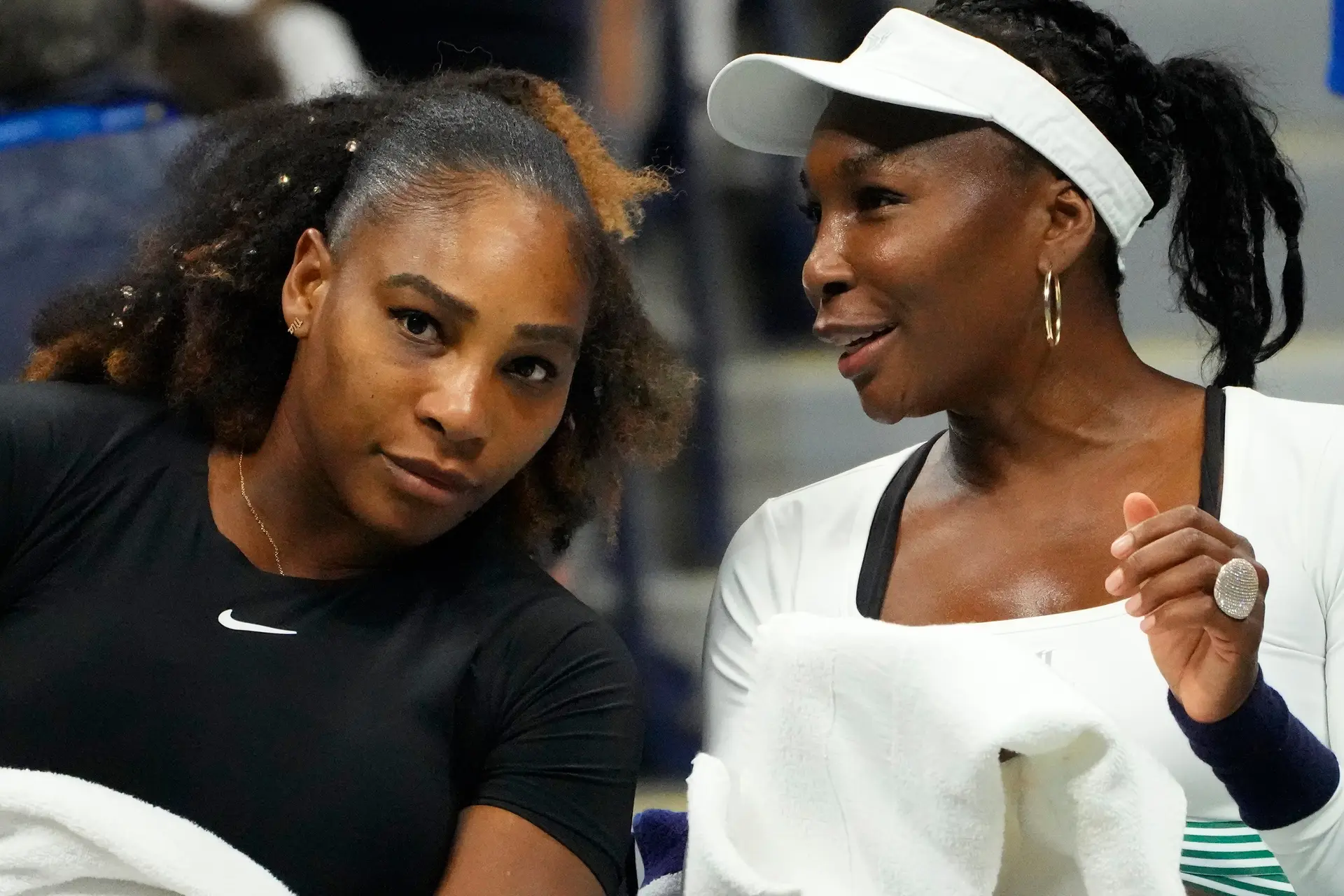
Williams focused on the psychological impact of defeat, emphasising the visibility of Sabalenka’s emotions during matches and in press situations. She noted that the world No. 1 “leaves it all on the court” and argued that such openness can amplify difficult moments immediately after losses.
“I was feeling sad actually. I was kind of, you know, taking on her emotions, a lot of empathy for her,” the 7-time Grand Slam champion said on TNT Sports . “She leaves it all on the court. You see everything she feels on the court and perhaps maybe take a little more time if you need to before the press conference because I don’t think she wants to quit tennis. That would be a tragedy for tennis and a tragedy for her.”

Venus also pointed to the difficulty of processing internal expectations after a collapse from a winning position, distinguishing between being outplayed and self-driven disappointment. She stressed that this type of loss is often harder to absorb than a straightforward defeat against a superior opponent.
“The worst part is that you’ve let your own self down. You have to deal with letting yourself down is the hardest thing in the world. If you just get beat, you just got beat, right? Somebody wiped you off the court, you got beat, they played better, you can deal with that. But right now she’s dealing with her own disappointment and it’s hard to sleep at night with that.”
Read also
“I don’t think she should have any regrets”
Sabalenka’s defeat comes in the context of a season where she has remained world No. 1 for 85 weeks, maintaining consistency at the top of the rankings while still searching for a first Roland-Garros title. Her 2024 Paris campaign also ended in the quarterfinals, reinforcing a pattern of relative underperformance at this specific Slam compared to her hard-court success.
Venus Williams argued that the reaction may be amplified by the immediacy of the moment rather than the broader season trajectory, noting that Sabalenka’s overall year remains strong despite the setback.
“But what I’ll also say is that any of us would take the year she’s had. So I think she’s just amplifying this moment, but she’s had a great year and I don’t think she should have any regrets and this should just make her stronger. In her 85th week of being number one in the world.”
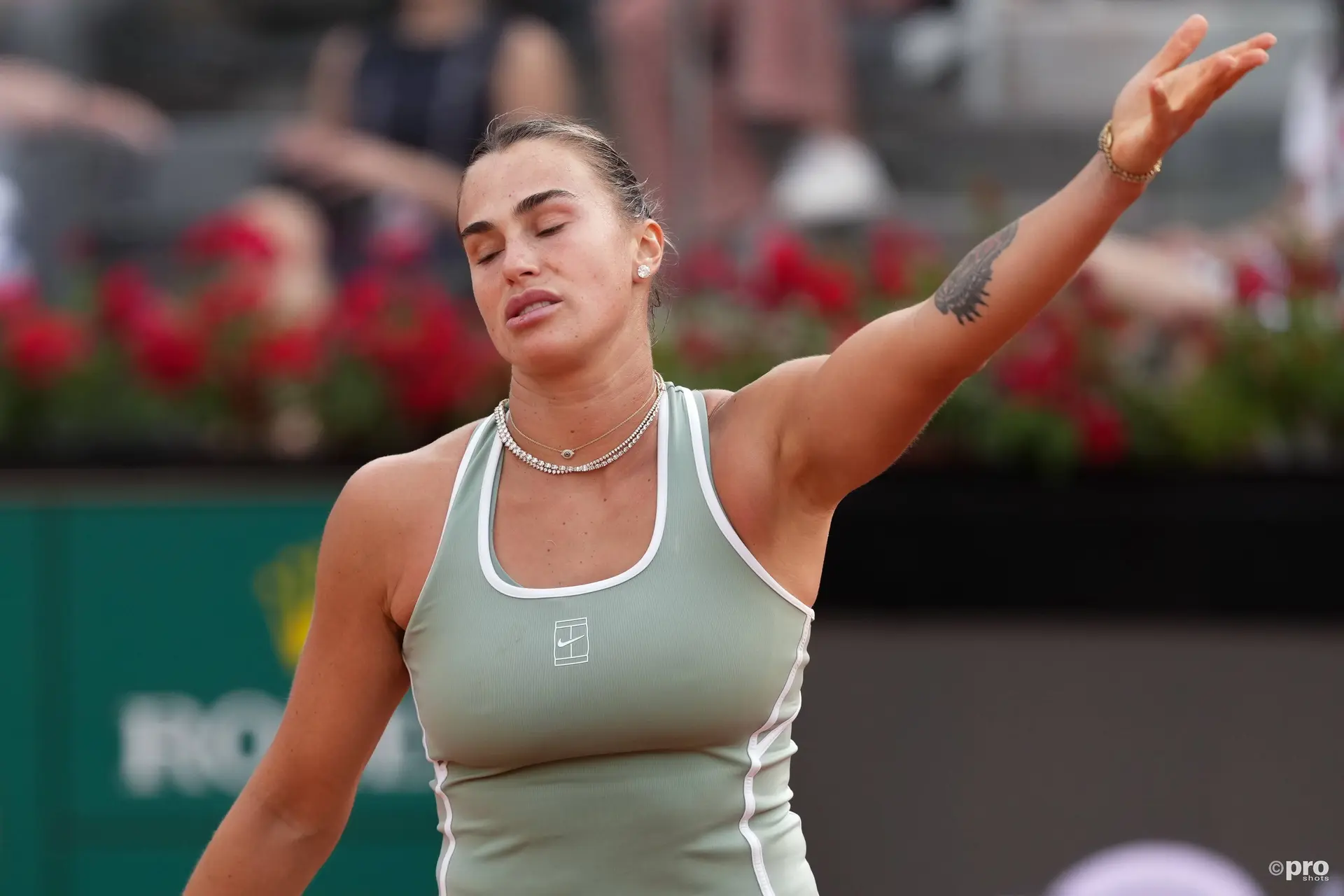
Sabalenka lost 870 points and the gaps at the top of the ranking have now tightened, with Elena Rybakina closing in to within less than 1,000 points.
With Sabalenka defending at least a semifinal run at Wimbledon, and Rybakina only defending a third-round result, the grass swing opens a potential window for the Kazakh player to challenge for the No. 1 spot. The upcoming weeks could therefore prove decisive in shaping the battle for the top of the rankings, with Sabalenka needing to defend significant points to maintain her position.
Sabalenka’s 85 consecutive weeks as world No. 1 already place her inside the top 10 longest streaks in history at the top of the rankings. She also holds a total of 91 weeks at No. 1 overall, which places her 11th in the all-time list of women’s world No. 1s, just seven weeks away from entering the top 10 and catching Lindsay Davenport.
Read also
Total Weeks as No. 1 (WTA)
| Rank | Player | Total Weeks |
| 1 | Steffi Graf | 377 |
| 2 | Martina Navratilova | 332 |
| 3 | Serena Williams | 319 |
| 4 | Chris Evert | 260 |
| 5 | Martina Hingis | 209 |
| 6 | Monica Seles | 178 |
| 7 | Iga Świątek | 125 |
| 8 | Ashleigh Barty | 121 |
| 9 | Justine Henin | 117 |
| 10 | Lindsay Davenport | 98 |
| 11 | Aryna Sabalenka | 91* |
| 12 | Caroline Wozniacki | 71 |
| 13 | Simona Halep | 64 |
| 14 | Victoria Azarenka | 51 |
| 15 | Amélie Mauresmo | 39 |
* Current
Longest consecutive weeks at world No. 1 (WTA)
| Rank | Player | Consecutive Weeks |
| 1 | Steffi Graf | 186 |
| 2 | Serena Williams | 186 |
| 3 | Martina Navratilova | 156 |
| 4 | Ashleigh Barty | 114 |
| 5 | Chris Evert | 113 |
| 6 | Steffi Graf | 94 |
| 7 | Monica Seles | 91 |
| 8 | Martina Navratilova | 90 |
| 9 | Steffi Graf | 87 |
| 10 | Aryna Sabalenka | 85* |
| 11 | Martina Hingis | 80 |
| 12 | Chris Evert | 76 |
| 13 | Iga Swiatek | 75 |
| 14 | Martina Hingis | 73 |
| 15 | Monica Seles | 64 |
* Current (projected to reach 85 on Monday, June 8)

Cristhián AvilaTennis Journalist
Cristhián Ávila is a tennis journalist based in Santiago, Chile, and has been part of the TennisUpToDate team since early 2023. He covers the ATP and WTA Tours as well as all four Grand Slams, producing breaking news, match reports, analysis, and regular liveblogs from major tournaments.
His reporting combines statistical analysis with clear explanation, helping readers understand tactical developments, player form, and broader storylines across the tour. Working fluently in both Spanish and English, Cristhián collaborates with an international editorial team and contributes to comprehensive global coverage. As part of his work, he has conducted interviews and media interactions with leading figures in the sport, including Caroline Wozniacki and John McEnroe.
In his journalism, Cristhián places strong emphasis on careful sourcing, editorial accuracy, and updating articles promptly when new, verified information becomes available. His coverage is grounded in research, context, and direct engagement with professional tennis.
claps 0visitors 0
Just In

Popular News
Latest Comments
- Lena... Takin' care of business
 mandoist25-10-2026
 - Can you please stop publishing this nonsense? Stick to Tennis.mandoist25-10-2026
- Does Sinner need that 4.5 mil? I doubt it. He can make that with three modelling gigs!😅🤣Rapunzel21-10-2026
- Did "People Magazine" purchase this website? This nonstop storyline is bullshit.mandoist21-10-2026
- Listen... this is of no concern to anyone but these two. Deal with your own issues -- most of us have our own. Thanks, media, for these insignificant follow-ups which are meaningless.mandoist21-10-2026
- This is so very very sad, for all three of them. I truly thought they had an unbreakable bond, but life throws up so many differing challenges. Having your homeland suffering in such a terrible way, makes happiness lose out to guilt as well. Our thoughts are with them. X💔bjsexton20-10-2026
- I have lost all respect for Svitolina! Could she not have waited until he had played at the Paris Masters!!! She is selfish and don't give a damn about Gael. That is NOT how love is demonstrated Elina!!Rapunzel19-10-2026
- Perhaps convenient tennis tour sex is not a strong enough experience in which to base a marriage?mandoist19-10-2026
- Fight the Good Fight... Tennis (sports in general) need more Humans such as yourself.mandoist18-10-2026
- When is WTA going to mandate Genetic Testing (DNA) ???mandoist18-10-2026

Loading