"I was like, 'If I get there, life is gonna be so good. I get more money, I have less worries.' And it was the total opposite." Eva Lys on reaching the Top 100 WTA Ranking
WTA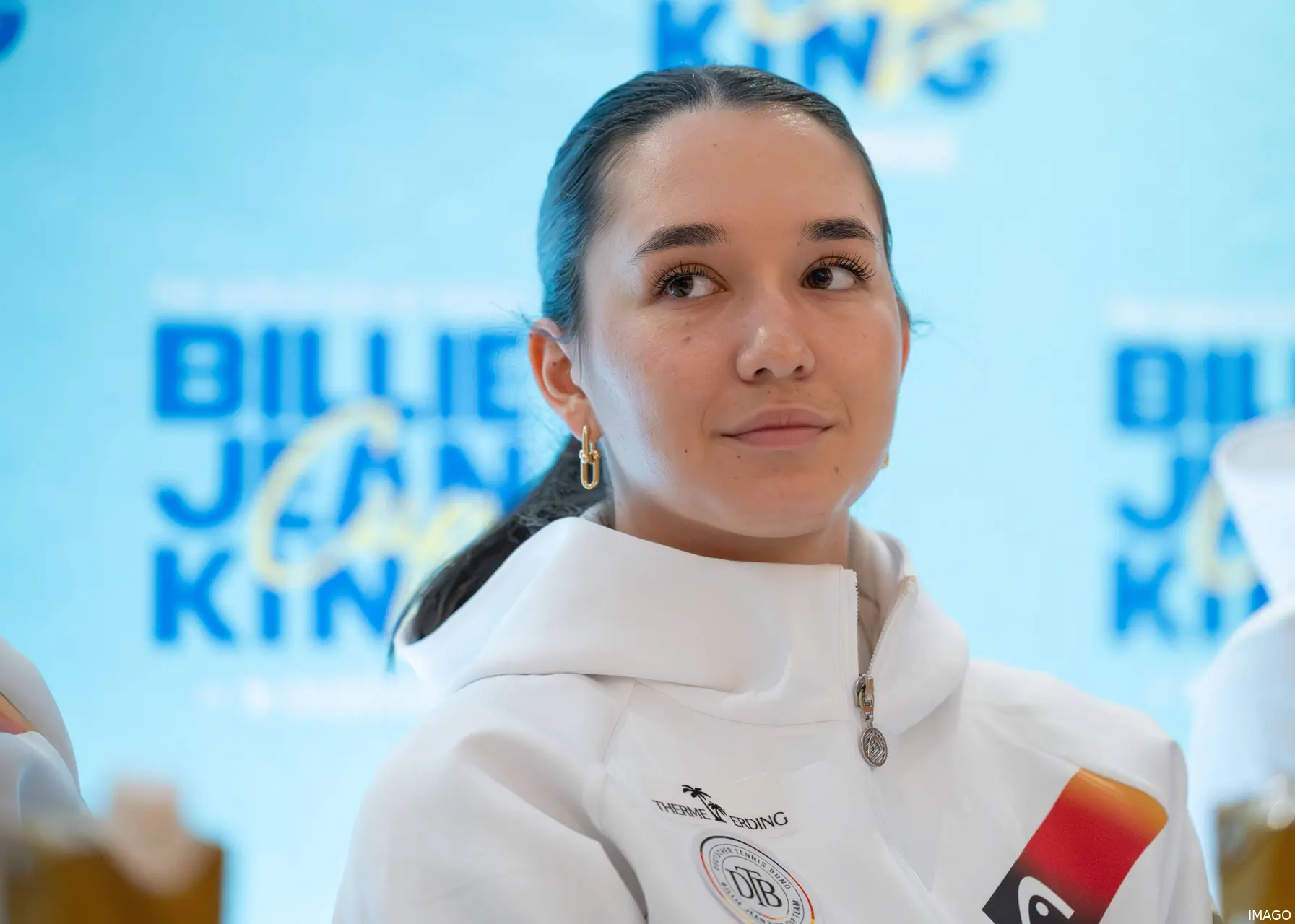
Eva Lys spent twenty years chasing the WTA Top 100, believing it was the magic number that would solve every problem. She convinced herself that this milestone would bring financial safety, prestige, and finally, peace of mind. But when the 22-year-old German finally crossed that threshold in 2024, the reality wasn't a dream come true. It was a suffocating nightmare of pressure that nearly broke her spirit just as she reached her professional peak.
Instead of relief, Lys found herself in a "dark spot" where the joy of tennis evaporated, replaced by a mechanical obsession with defending points. She was working twice as hard but having half the fun, paralyzed by the fear of falling back into the lower rankings. In a sport that demands perfection, Lys realized she had trapped herself in a cycle of anxiety where her self-worth was entirely dependent on the digital number next to her name.
The breaking point came right before Wimbledon. On paper, she had it all: main draws, better paychecks, and global recognition. But internally, the spark was gone. Lys admits she was "really not having fun" despite playing the tournaments she had fantasized about since she was a child. It was a brutal wake-up call: the external validation of a ranking digit had zero correlation with her actual happiness as a human being.
In a raw, unfiltered sit-down on the Tennis Insider Club podcast, hosted by Caroline Garcia, Lys opened up about this psychological battle. She detailed her drastic measures to reclaim her mental health, including blocking social media haters and redefining success. Her message is a sharp rebuke to the "win at all costs" culture, proving that sometimes, the lower ranking is actually the bigger victory if it means keeping your sanity.
The Illusion of the Arrival
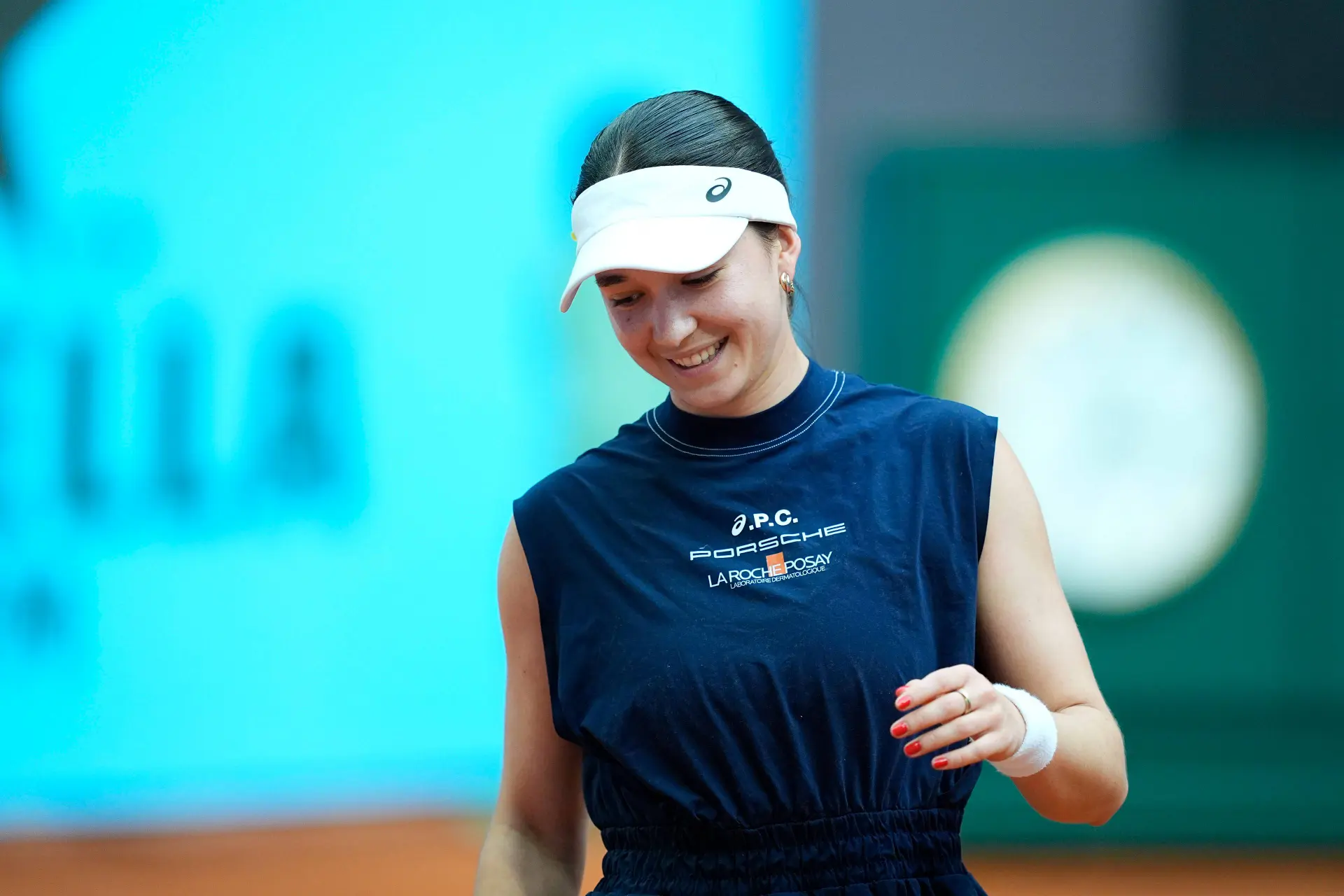
Professional tennis players often view the Top 100 as the ultimate destination—a magic number promising Grand Slam entry, financial security, and satisfaction. However, Lys admits that reaching this milestone in 2024 triggered a harsh reality check. Instead of the relief she expected, she encountered an empty destination filled with mounting pressure.
"This year is my first year I got into Top 100. And I really thought it's gonna get easier. I was like, 'If I get there, life is gonna be so good. I get more money, I have less worries.' And it was the total opposite. I put so much pressure on myself. I was practicing twice as hard. I'm really not having fun doing this. And I've had fun my whole life."
The obsession with defending points stripped away the childhood joy she once found in the game. The irony was palpable: she was finally competing in the tournaments she had always dreamed of, yet she was too stressed to appreciate the achievement of simply being there.
The Toxicity of Transactional Worth
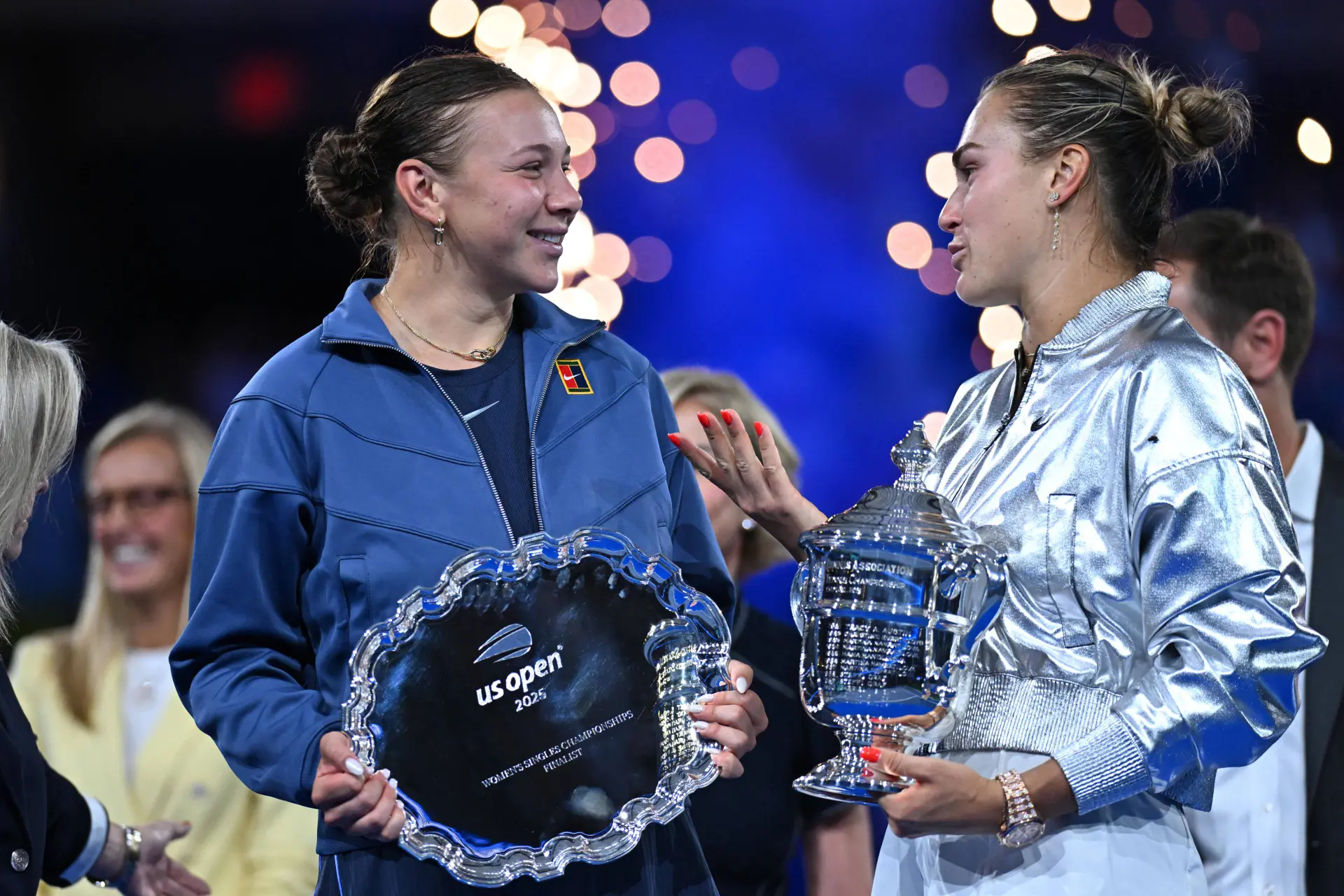
This anxiety stems largely from the transactional nature of the tour, where a player’s value is frequently conflated with their latest scoreline. Lys highlights how this environment creates a fragile self-esteem that fluctuates with every win or loss, making it difficult to maintain a stable identity.
"At the end of the day, every person in tennis is only interested in you if you're winning. If you're losing, no one is. So this is then, which is sad, our part to kind of like build something where we know even if we lose, we have our people, we have our identity and we still don't lose that much self-worth."

Lys reached her first WTA 1000 quarterfinals in China Open. Also she gets her first top-10 victory against Elena Rybakina in third round.
The scrutiny intensifies in the digital realm, where the public feels entitled to critique everything from a player's backhand to their health. Lys, who manages an autoimmune condition, noted instances of the public policing her diet over a simple donut. Her response to this intrusion is drastic but effective: enforcing absolute digital boundaries.
"I have a therapy that I really enjoy. If like... I block people. On Instagram. I block people because I'm like... and I don't care. If that... if it's something that's negative... like critique... whatever... I block them. Because... It's my Instagram. It's my site. Why do I need to read people's opinion?"

Reclaiming the "Plan B": Happiness
Ultimately, a high ranking holds little value if the athlete is broken internally. Lys has begun shifting her perspective, choosing to view her career through the eyes of her younger self—the child who simply wanted to play on the world's biggest stages.
"You know the saying... 'If you talk to your younger self with who you are right now, do you think they would be proud?' And I'm like... if my 10-year-old self would know where I am right now, I would piss my pants. Like literally, I would be so happy about it. But in the moment you don't realize that."
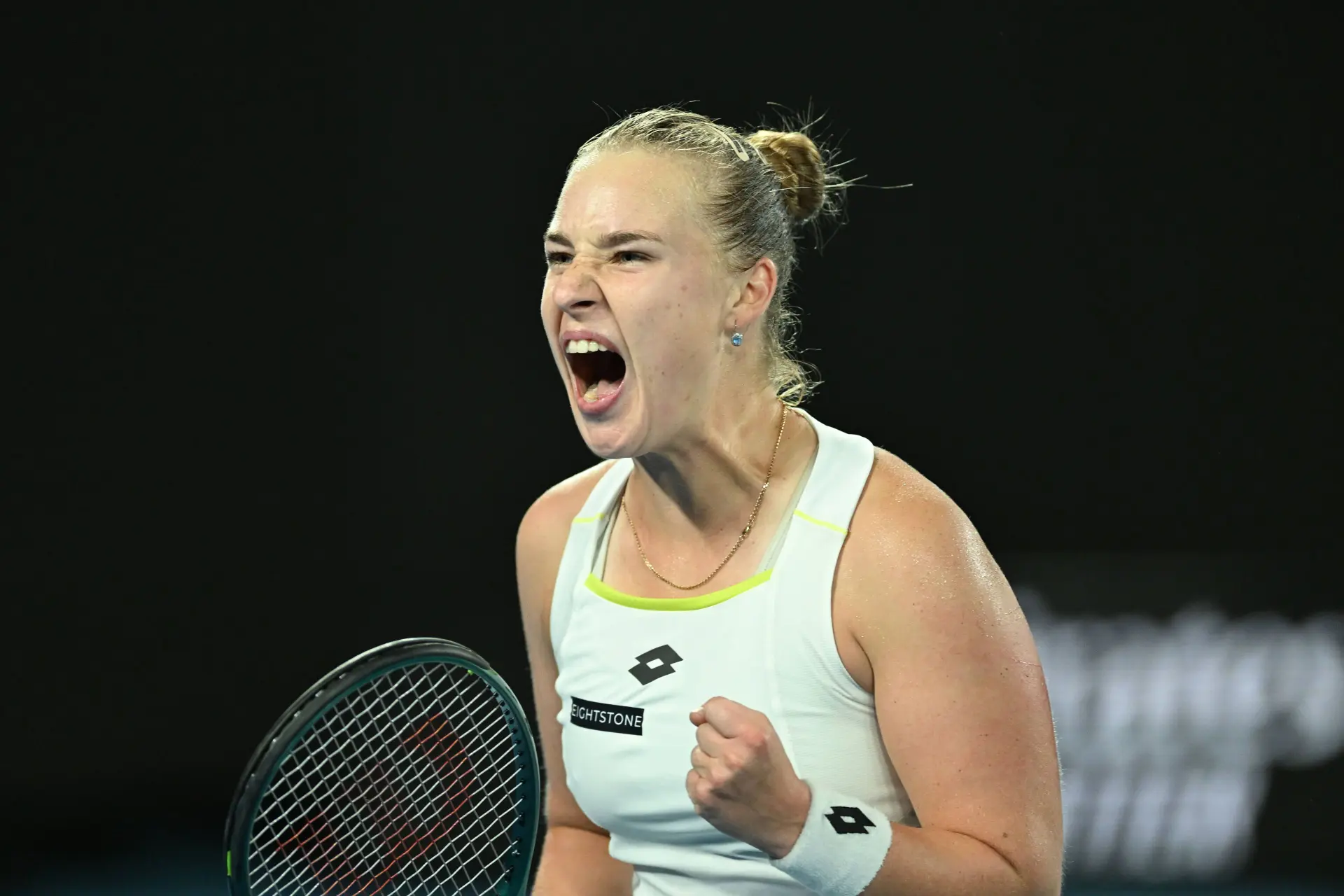
This mindset culminates in a powerful philosophy that prioritizes mental well-being over material success. For Lys, the choice between miserable success and happy stability is no longer a difficult one.
"If someone gave me like two options: be Top 10 and feel the way I felt three months ago, or have the ranking I have now, even maybe 80 or 90, but be happy and just enjoy what I'm doing... I would definitely take the 80. Because at the end of the day, just because someone is happy with what you have, doesn't mean you have to be happy with it."

Cristhián AvilaTennis Journalist
Cristhián Ávila is a tennis journalist based in Santiago, Chile, and has been part of the TennisUpToDate team since early 2023. He covers the ATP and WTA Tours as well as all four Grand Slams, producing breaking news, match reports, analysis, and regular liveblogs from major tournaments.
His reporting combines statistical analysis with clear explanation, helping readers understand tactical developments, player form, and broader storylines across the tour. Working fluently in both Spanish and English, Cristhián collaborates with an international editorial team and contributes to comprehensive global coverage. As part of his work, he has conducted interviews and media interactions with leading figures in the sport, including Caroline Wozniacki and John McEnroe.
In his journalism, Cristhián places strong emphasis on careful sourcing, editorial accuracy, and updating articles promptly when new, verified information becomes available. His coverage is grounded in research, context, and direct engagement with professional tennis.
claps 0visitors 0
Just In

Popular News
Latest Comments
- A healthy Qinwen may be hard to stop next season. She was already scaring her opponents before her medical leave(s). Unfortunately, Zheng insisted on singing again. On the positive side -- Mirra did not sing!! ;~}
 mandoist11-10-2026
 - Where is it written that athletes, entertainers... People in general... are mandated to keep looking at -- or even using [anti]Social Media? Public & private figures consistently complain and reveal their concerns about negativity and violence thrown at them -- yet they insist on participating. Avoid it, don't use it, don't read it. It's okay to occasionally look up at the World instead beating your eyes & thumbs to death on The Inventions out there.mandoist11-10-2026
- great articlestennisseserver07-10-2026
- Medvedev was leading Djokovic 7-5, 3-5 when an attempted return..' NO you ignorants, Djokovic was leading .weiss05-10-2026
- No more bullshit "Wildcards" to these two. Qualify like everyone else -- there will be cameras there, too. Time to scream... WTF ????!!!!mandoist29-09-2026
- Let's not BS the general public -- Sabalenka started showing cracks in her game last season. Her losses and near-losses started at about the same time she began being distracted by Fame (constant Selfies, making TV commercials, magazine shoots, endless Social Media nonsense, etc., etc.) One would think even Saba could recognize the parallels with others who failed before her -- Raducanu, Giorgi, Bouchard to name a few.mandoist25-09-2026
- Gross!! Hey Raducanu, Giorgi, and Bouchard -- reserve a seat at your Social Media Selfie table for Saba + Naomi. They're heading in your direction soon enough.mandoist24-09-2026
- And then these same players will complain about how lengthy their season’s were and need more time-off. I’m all for more tennis but the amount of tennis we get now is actually kind of crazy! We all need a break, especially the players.DaveyWavey23-09-2026
- You should do a comparison article for "different kinds of justice" the courts decide for tennis players. I can think of at least three players who received very small bans of a few months, however Tara Moore has been fighting for her literal survival the past few years. It seems odd considering she is not a "name" player, unlike the other cases.DaveyWavey22-09-2026
- PRIZE MONEY & POINTS Winner - $185,500 Finalist - $114,500 Semi-Finalist - $66,003 Quarter-Finalist - $35,000 Round of 16 - $18,045 Round of 32 - $13,005 Winner - 500 Finalist - 325 Semi-Finalist - 195 Quarter-Finalist - 108 Round of 16 - 60 Round of 32 - 1DaveyWavey20-09-2026

Loading