
Kim Clijsters has publicly defended Marketa Vondrousova following the Czech’s ongoing doping case, placing the emphasis on player safety rather than regulatory compliance. Speaking on the Love All Podcast, the former world No. 1 rejected the expectation that players should cooperate with testing outside controlled conditions, making clear that her stance is rooted in personal security concerns.
Vondrousova, the 2023 Wimbledon champion, revealed she is under investigation by the International Tennis Integrity Agency for allegedly refusing a doping test. Under anti-doping rules, such a violation can carry a suspension of up to four years, although the case remains under review and no sanction has been confirmed at this stage.
The incident dates back to December, when an anti-doping officer arrived at her home outside the one-hour whereabouts window players are required to provide each day. According to her account, the visit occurred in the evening, around 8:15 p.m., and while contact was made, the test was not completed, triggering the current investigation.
In her explanation, Vondrousova pointed to psychological factors behind her decision, including anxiety and stress, as well as concerns linked to security. “It is very tough for me to talk about this, but I want to be transparent with you about my mental health,” Vondrousova wrote on Instagram. “The recent doping control incident happened because I reached a breaking point after months of physical and mental stress.”
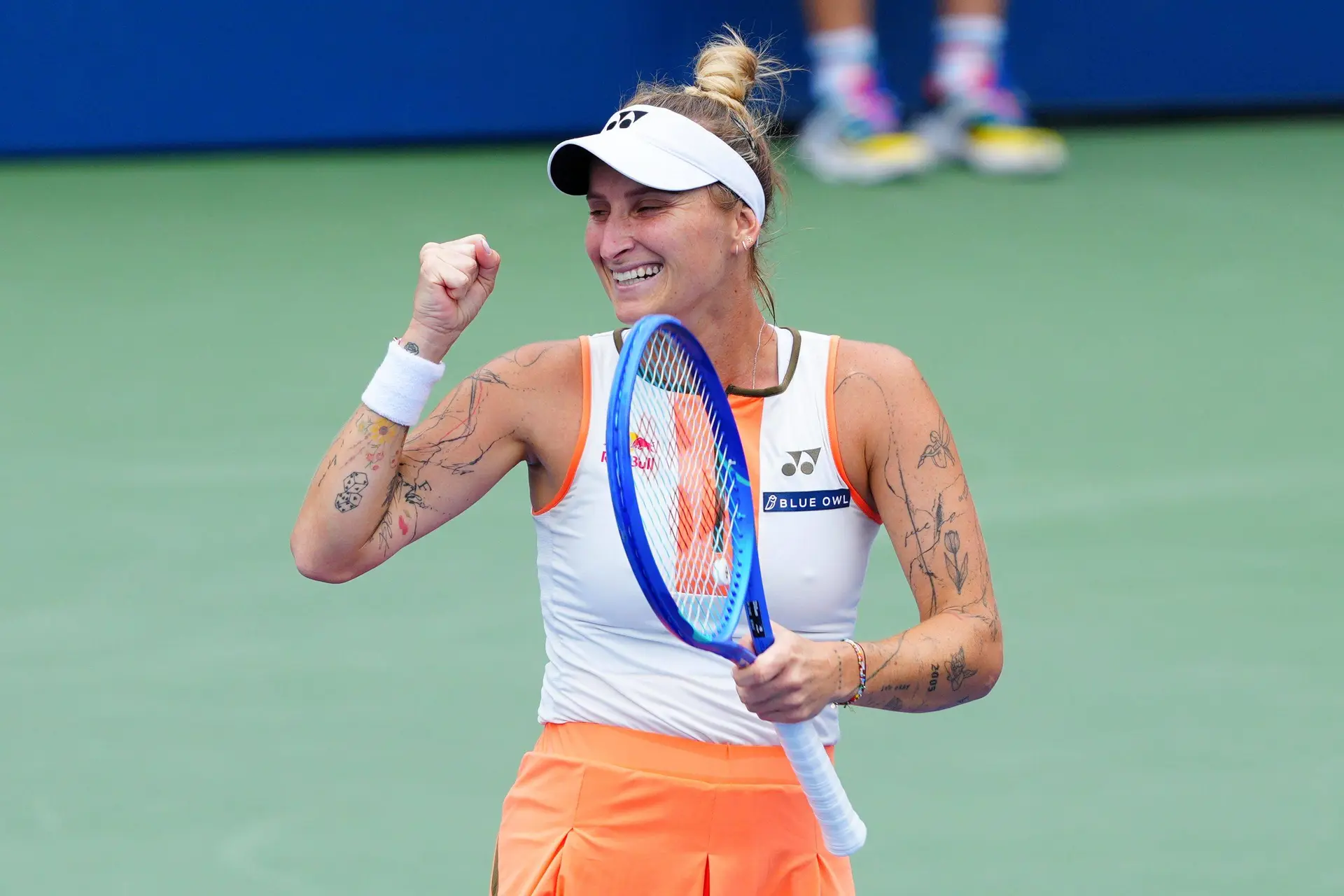
Safety concerns drive Clijsters’ defence
Clijsters’ reaction focused on the risks players face when confronted with unexpected visits, particularly outside the designated testing window. She questioned the reliability of identification procedures and the broader implications for athlete safety, arguing that the current system leaves room for uncertainty at the moment of decision.
“I am all in on Marketa’s side. This is not even anything that we should question, whether this should be allowed,” the 4-time Grand Slam champion said. “They have nothing. We don’t know. Anybody can hold up a card and make it look like they’re from the doping testing. We put in a time slot for a reason, also for the safety of the athletes.”
The Belgian also drew on her own experience, outlining how intrusive the testing process can be even when conducted within the rules. “I have had many, many issues with crazy fans, with people coming to the house, asking for money, wanting to see you, wanting to be in your private.”
“There is a certain barrier that you don’t want to see crossed. And this opens the door to opportunities for people to think like, hey, this is how we can get maybe into the house or get to meet, even if it is without bad intentions. But it shouldn’t be the case.”
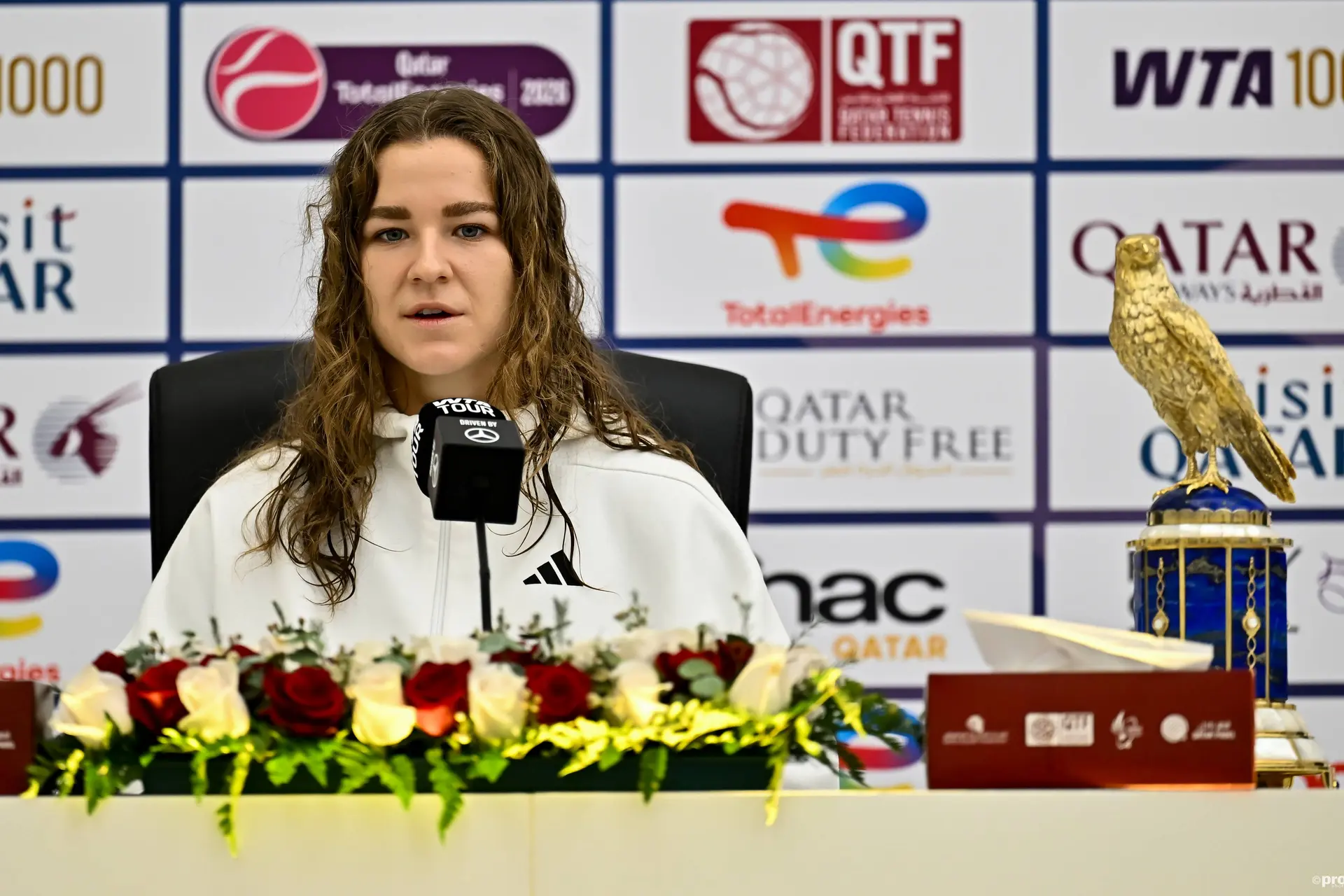
Confusion over rules and calls for change
Beyond the immediate defence, Clijsters’ comments also highlighted confusion around anti-doping regulations, particularly regarding testing outside the whereabouts window. While such controls are permitted, the lack of clarity among players raises questions about how effectively those rules are communicated and enforced.
For Clijsters, that balance is undermined when unexpected visits occur without clear safeguards. “If we put in a time slot every day, come test us more, right? But don’t do it out of those time slots. That’s what it is.”
“There’s no way that I would open the door,” the former world No. 1 added. “Even if I spoke to them through the intercom, there’s no way I would have opened the door. No way.”
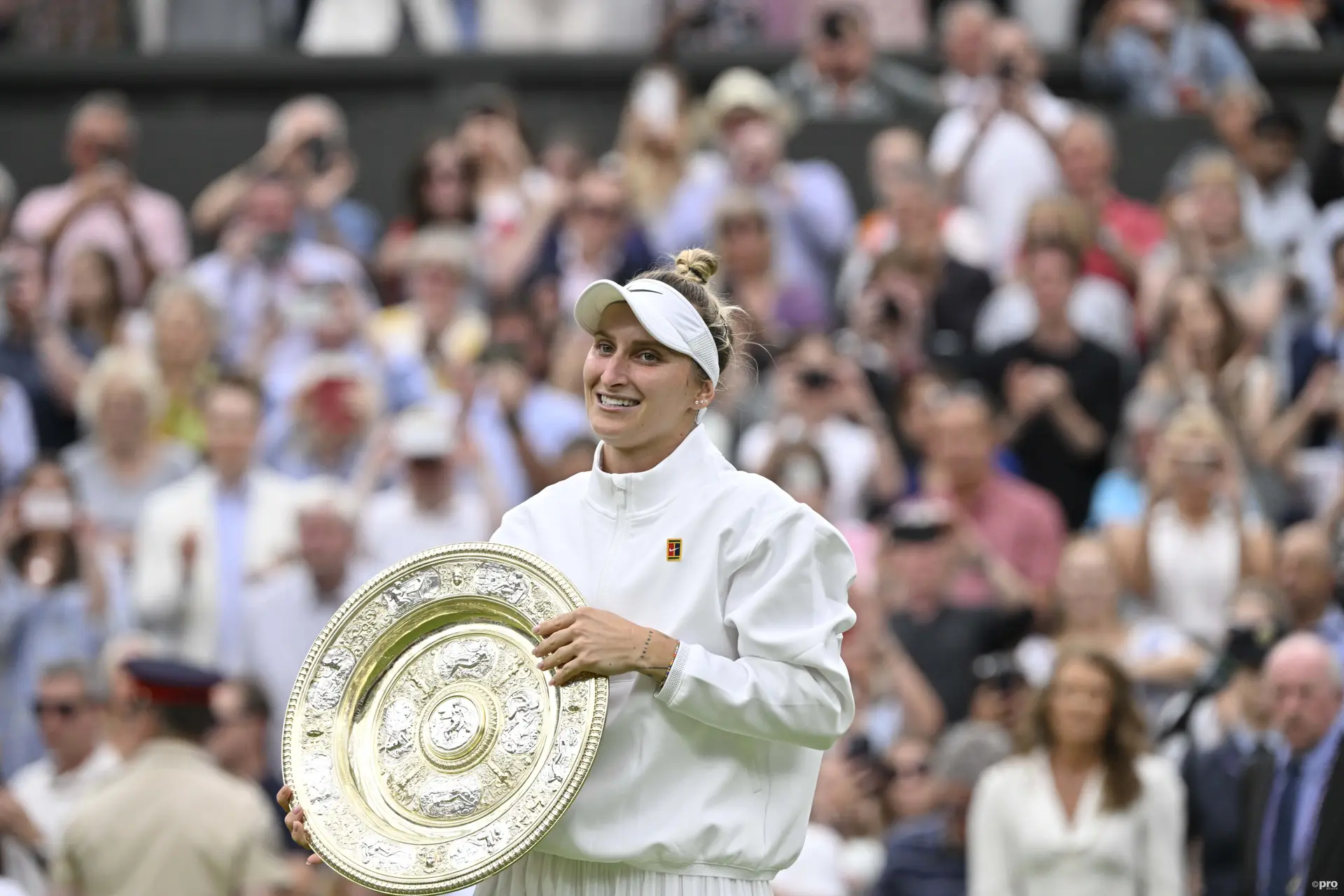
System under scrutiny as case unfolds
The case has also drawn attention to the distinction between missed tests and refusals, as well as the broader functioning of the ITIA’s anti-doping programme. Vondrousova’s situation sits in a grey area where contact was made, but compliance did not follow, placing her at risk of significant sanction depending on how intent is interpreted.
Clijsters ultimately framed the issue as one that extends beyond a single player, calling for institutional reflection and greater alignment between enforcement and real-world conditions faced by athletes. Her comments suggest that the outcome of this case could influence how similar situations are handled in the future.
“This is very, very wrong. And I hope she gets cleared. And I hope the WTA and ATP and the whole player council is behind this and gets this sorted so that this doesn’t happen to anybody else.”
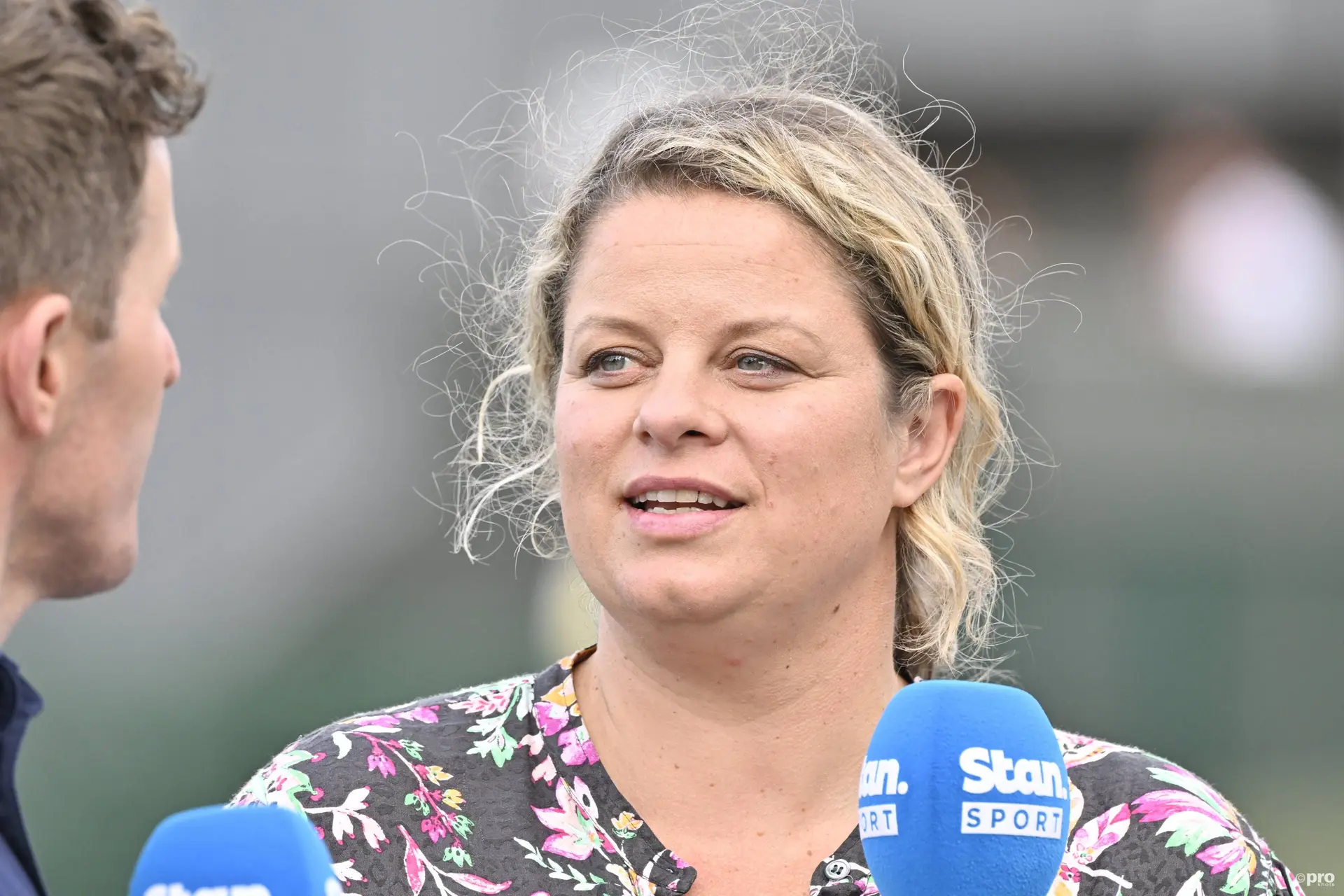

Cristhián AvilaTennis Journalist
Cristhián Ávila is a tennis journalist based in Santiago, Chile, and has been part of the TennisUpToDate team since early 2023. He covers the ATP and WTA Tours as well as all four Grand Slams, producing breaking news, match reports, analysis, and regular liveblogs from major tournaments.
His reporting combines statistical analysis with clear explanation, helping readers understand tactical developments, player form, and broader storylines across the tour. Working fluently in both Spanish and English, Cristhián collaborates with an international editorial team and contributes to comprehensive global coverage. As part of his work, he has conducted interviews and media interactions with leading figures in the sport, including Caroline Wozniacki and John McEnroe.
In his journalism, Cristhián places strong emphasis on careful sourcing, editorial accuracy, and updating articles promptly when new, verified information becomes available. His coverage is grounded in research, context, and direct engagement with professional tennis.
claps 1visitors 1
Just In



Popular News

Latest Comments
- Lena... Takin' care of business
 mandoist25-10-2026
 - Can you please stop publishing this nonsense? Stick to Tennis.mandoist25-10-2026
- Does Sinner need that 4.5 mil? I doubt it. He can make that with three modelling gigs!😅🤣Rapunzel21-10-2026
- Did "People Magazine" purchase this website? This nonstop storyline is bullshit.mandoist21-10-2026
- Listen... this is of no concern to anyone but these two. Deal with your own issues -- most of us have our own. Thanks, media, for these insignificant follow-ups which are meaningless.mandoist21-10-2026
- This is so very very sad, for all three of them. I truly thought they had an unbreakable bond, but life throws up so many differing challenges. Having your homeland suffering in such a terrible way, makes happiness lose out to guilt as well. Our thoughts are with them. X💔bjsexton20-10-2026
- I have lost all respect for Svitolina! Could she not have waited until he had played at the Paris Masters!!! She is selfish and don't give a damn about Gael. That is NOT how love is demonstrated Elina!!Rapunzel19-10-2026
- Perhaps convenient tennis tour sex is not a strong enough experience in which to base a marriage?mandoist19-10-2026
- Fight the Good Fight... Tennis (sports in general) need more Humans such as yourself.mandoist18-10-2026
- When is WTA going to mandate Genetic Testing (DNA) ???mandoist18-10-2026

Loading