“They’re like for you, then they’re against you”: Jessica Pegula recalls volatile French crowd at the Paris Olympics
WTA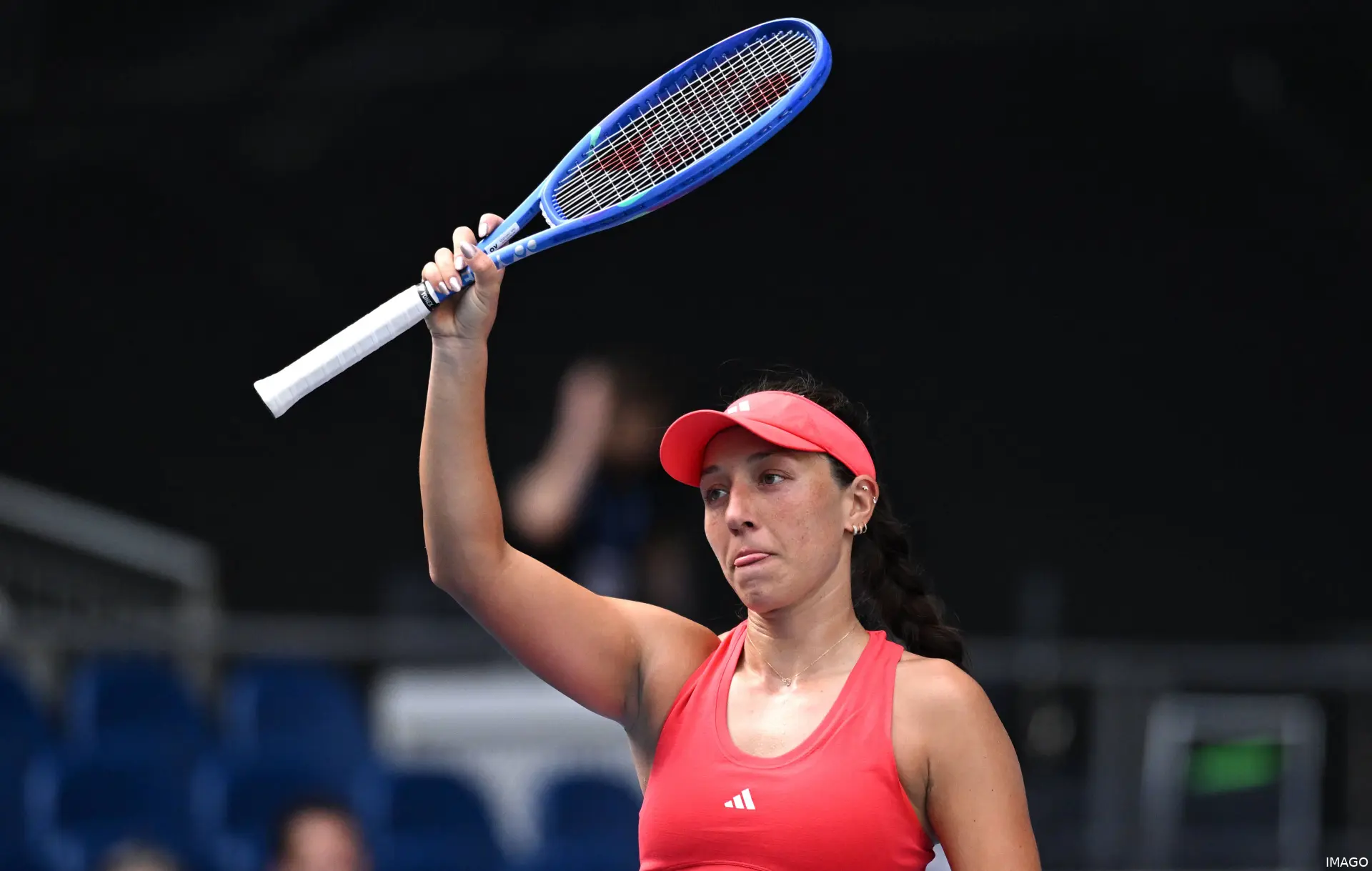
Jessica Pegula has revisited one of the most striking atmospheres of her career, reflecting on her second-round defeat to Elina Svitolina at the Paris Olympics. The American described the night on Court Philippe-Chatrier as “the wildest atmosphere,” pointing to the constant shifts in crowd reaction throughout the match.
Pegula, currently ranked inside the world’s top five, recently claimed the Dubai Duty Free Tennis Championships title, defeating Svitolina in the final to lift her 10th career singles trophy and add her fourth WTA 1000 crown to her résumé. On the way to the final, she had defeated opponents such as Iva Jovic, Clara Tauson and Amanda Anisimova.
This week, the 32-year-old opted to withdraw from the ATX Open in Austin, where she was the defending champion and top seed, choosing instead to take additional rest following her title run in Dubai. On Tuesday, she celebrated her 32nd birthday as she steps back briefly before the next phase of the season.
Looking back at Paris during the latest episode of the podcast The Player's Box — where she shares hosting duties with Jennifer Brady, Madison Keys and Desirae Krawczyk — the tennis players shared their experiences competing at the Olympic Games.
Pegula focused less on the result and more on the setting. Although her run was brief during the Olympic Games, reaching only the second round before falling 6-3 in the third set against Svitolina, the experience left a lasting impression because of the intensity inside the stadium. The Ukrainian was the only player in the draw who already had an Olympic medal — the bronze obtained at Tokyo 2020.
Read also
A packed Chatrier and a volatile crowd
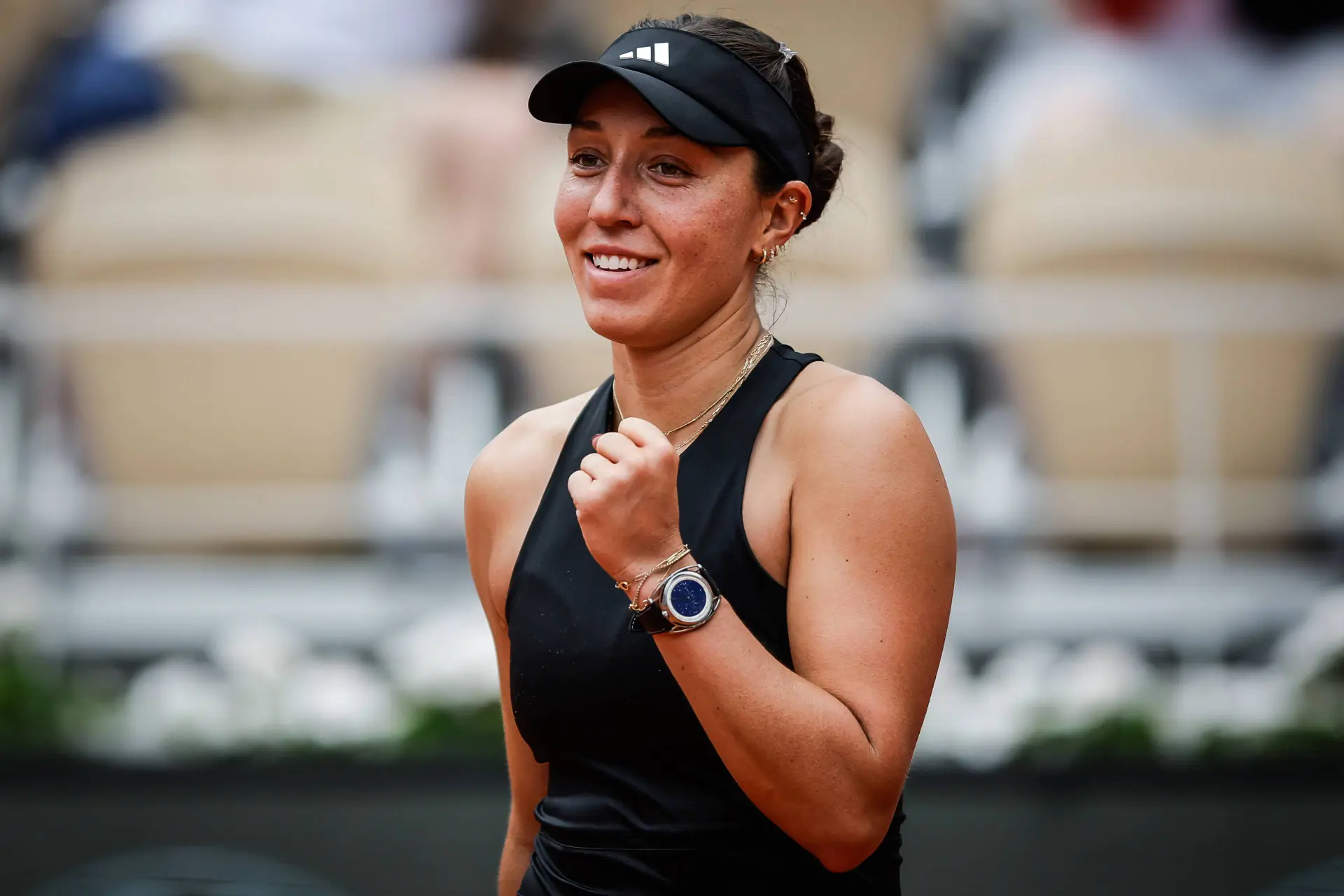
Pegula described the Olympic match as one of the most memorable she has played, largely due to the atmosphere generated by a full Chatrier crowd. The French spectators, she noted, were heavily involved from start to finish. “I played Elina Svitolina second round and we played on Chatrier and it was like full packed.”
“And the crowd was just, I mean, the French crowd is notoriously very, I don't know, just all over the place, like very into it,” the world No. 5 added. “A lot of yelling, a lot of screaming. They're like for you, then they're against you and all this stuff.
“But it was really, it was probably one of the coolest matches I played because it was packed and they were just so into the match. And I ended up losing like 6-3 in the third,” she added. “It was a really high level.”
“They’d cheer for me… then start booing me”
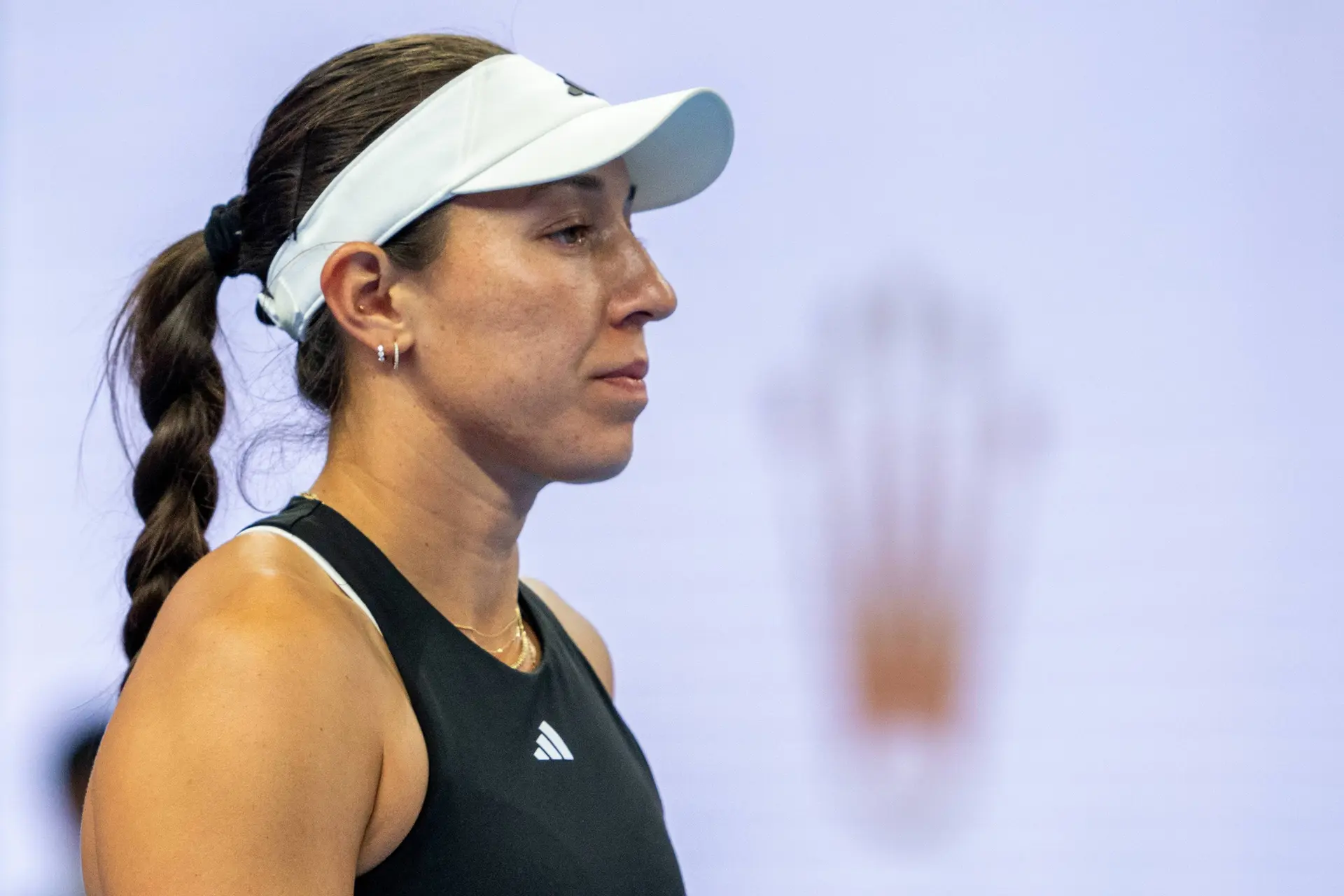
Pegula also detailed how quickly the crowd’s mood shifted during the match. Reactions in the stands changed from point to point, depending on the rally, her body language or the outcome of a shot. “And, I remember like they'd be cheering for me and then I would like hit my racket on the ground or like bounce my racket. And then they'd start booing me. And then they'd like, I'd hit a winner and then they'd cheer for me again. I'd be like, this is just the, it was the wildest atmosphere just because it was just chaos the whole time.”
The experience stood out even for a player accustomed to competing in major finals and high-pressure environments. Roland Garros crowds have a long-standing reputation for their vocal involvement, and Pegula encountered that reputation at full volume during the Olympic event. “But it was, I thought it was really cool and definitely a different crowd that I've played in front of. So that was probably another memorable moment.”
While the result went in Svitolina’s favor that night in Paris, Pegula’s recollection underscores how certain matches resonate beyond the scoreboard — defined as much by atmosphere as by outcome.

Cristhián AvilaTennis Journalist
Cristhián Ávila is a tennis journalist based in Santiago, Chile, and has been part of the TennisUpToDate team since early 2023. He covers the ATP and WTA Tours as well as all four Grand Slams, producing breaking news, match reports, analysis, and regular liveblogs from major tournaments.
His reporting combines statistical analysis with clear explanation, helping readers understand tactical developments, player form, and broader storylines across the tour. Working fluently in both Spanish and English, Cristhián collaborates with an international editorial team and contributes to comprehensive global coverage. As part of his work, he has conducted interviews and media interactions with leading figures in the sport, including Caroline Wozniacki and John McEnroe.
In his journalism, Cristhián places strong emphasis on careful sourcing, editorial accuracy, and updating articles promptly when new, verified information becomes available. His coverage is grounded in research, context, and direct engagement with professional tennis.
claps 0visitors 0
Just In

Popular News
Latest Comments
- A healthy Qinwen may be hard to stop next season. She was already scaring her opponents before her medical leave(s). Unfortunately, Zheng insisted on singing again. On the positive side -- Mirra did not sing!! ;~}
 mandoist11-10-2026
 - Where is it written that athletes, entertainers... People in general... are mandated to keep looking at -- or even using [anti]Social Media? Public & private figures consistently complain and reveal their concerns about negativity and violence thrown at them -- yet they insist on participating. Avoid it, don't use it, don't read it. It's okay to occasionally look up at the World instead beating your eyes & thumbs to death on The Inventions out there.mandoist11-10-2026
- great articlestennisseserver07-10-2026
- Medvedev was leading Djokovic 7-5, 3-5 when an attempted return..' NO you ignorants, Djokovic was leading .weiss05-10-2026
- No more bullshit "Wildcards" to these two. Qualify like everyone else -- there will be cameras there, too. Time to scream... WTF ????!!!!mandoist29-09-2026
- Let's not BS the general public -- Sabalenka started showing cracks in her game last season. Her losses and near-losses started at about the same time she began being distracted by Fame (constant Selfies, making TV commercials, magazine shoots, endless Social Media nonsense, etc., etc.) One would think even Saba could recognize the parallels with others who failed before her -- Raducanu, Giorgi, Bouchard to name a few.mandoist25-09-2026
- Gross!! Hey Raducanu, Giorgi, and Bouchard -- reserve a seat at your Social Media Selfie table for Saba + Naomi. They're heading in your direction soon enough.mandoist24-09-2026
- And then these same players will complain about how lengthy their season’s were and need more time-off. I’m all for more tennis but the amount of tennis we get now is actually kind of crazy! We all need a break, especially the players.DaveyWavey23-09-2026
- You should do a comparison article for "different kinds of justice" the courts decide for tennis players. I can think of at least three players who received very small bans of a few months, however Tara Moore has been fighting for her literal survival the past few years. It seems odd considering she is not a "name" player, unlike the other cases.DaveyWavey22-09-2026
- PRIZE MONEY & POINTS Winner - $185,500 Finalist - $114,500 Semi-Finalist - $66,003 Quarter-Finalist - $35,000 Round of 16 - $18,045 Round of 32 - $13,005 Winner - 500 Finalist - 325 Semi-Finalist - 195 Quarter-Finalist - 108 Round of 16 - 60 Round of 32 - 1DaveyWavey20-09-2026

Loading