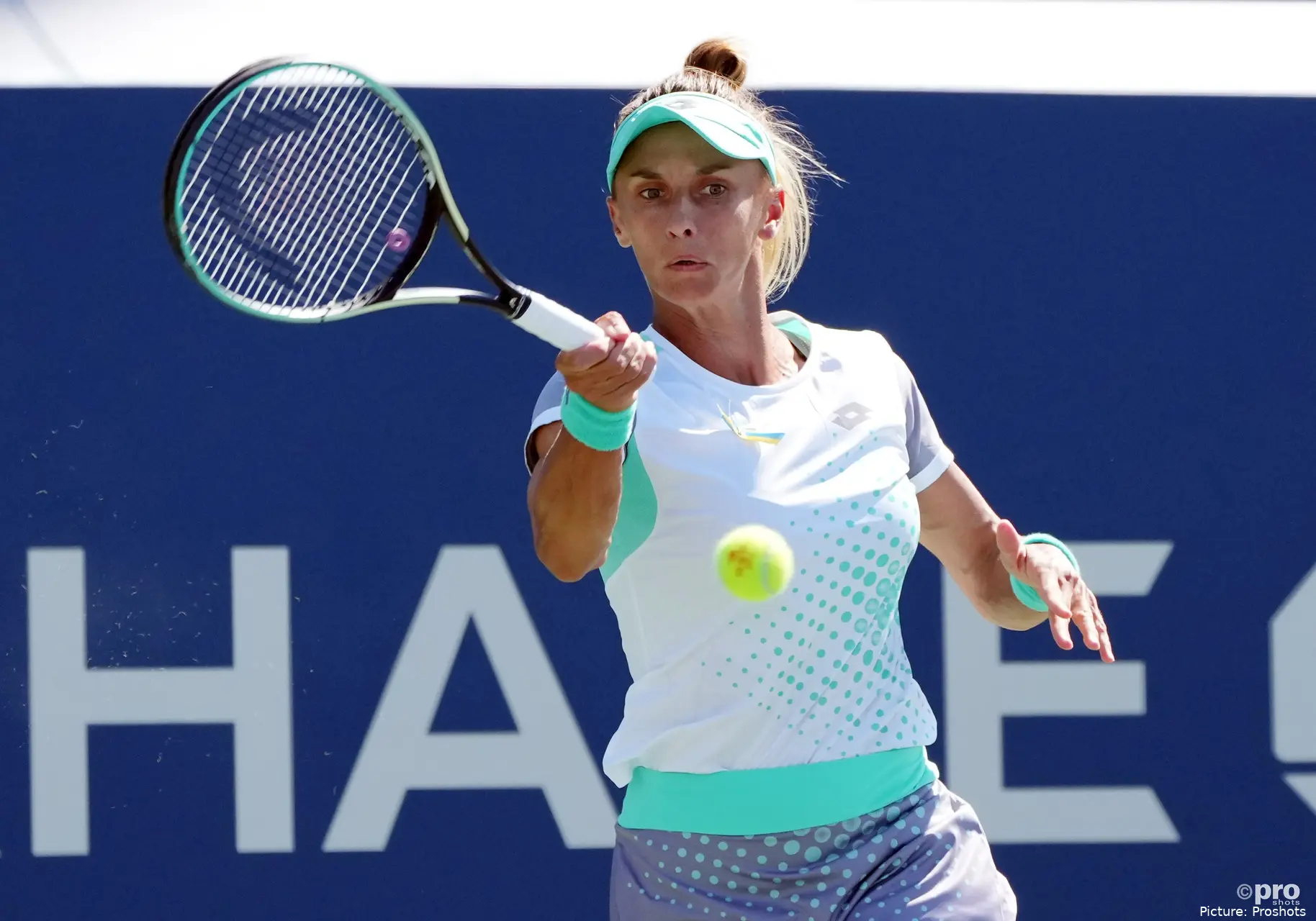
A U.S. federal judge in Manhattan has dismissed a lawsuit filed by Ukrainian tennis player Lesia Tsurenko against the Women’s Tennis Association (WTA) and former CEO Steve Simon, in a ruling tied to the organisation’s handling of Russian and Belarusian players following the Russia-Ukraine war. The decision rejects Tsurenko’s claims of emotional distress and negligence, reinforcing the WTA’s authority over player participation policies.
Tsurenko, a former world No. 23, filed the lawsuit in 2025, alleging that the WTA’s stance after Russia’s full-scale invasion of Ukraine in 2022 caused her psychological harm. The case centred on the governing body’s decision to allow Russian and Belarusian players to compete under neutral status, as well as alleged internal assurances that were not enforced.
A central element of her complaint related to her withdrawal from Indian Wells in 2023, where she was scheduled to face Aryna Sabalenka. Tsurenko attributed that decision to a panic attack, which she linked to the broader context of competing against players from Russia and Belarus amid ongoing geopolitical tensions.
Beyond the individual episode, the case raised a broader legal question regarding the responsibilities of governing bodies in professional sport, particularly whether emotional wellbeing falls within their duty of care in situations influenced by external conflict.
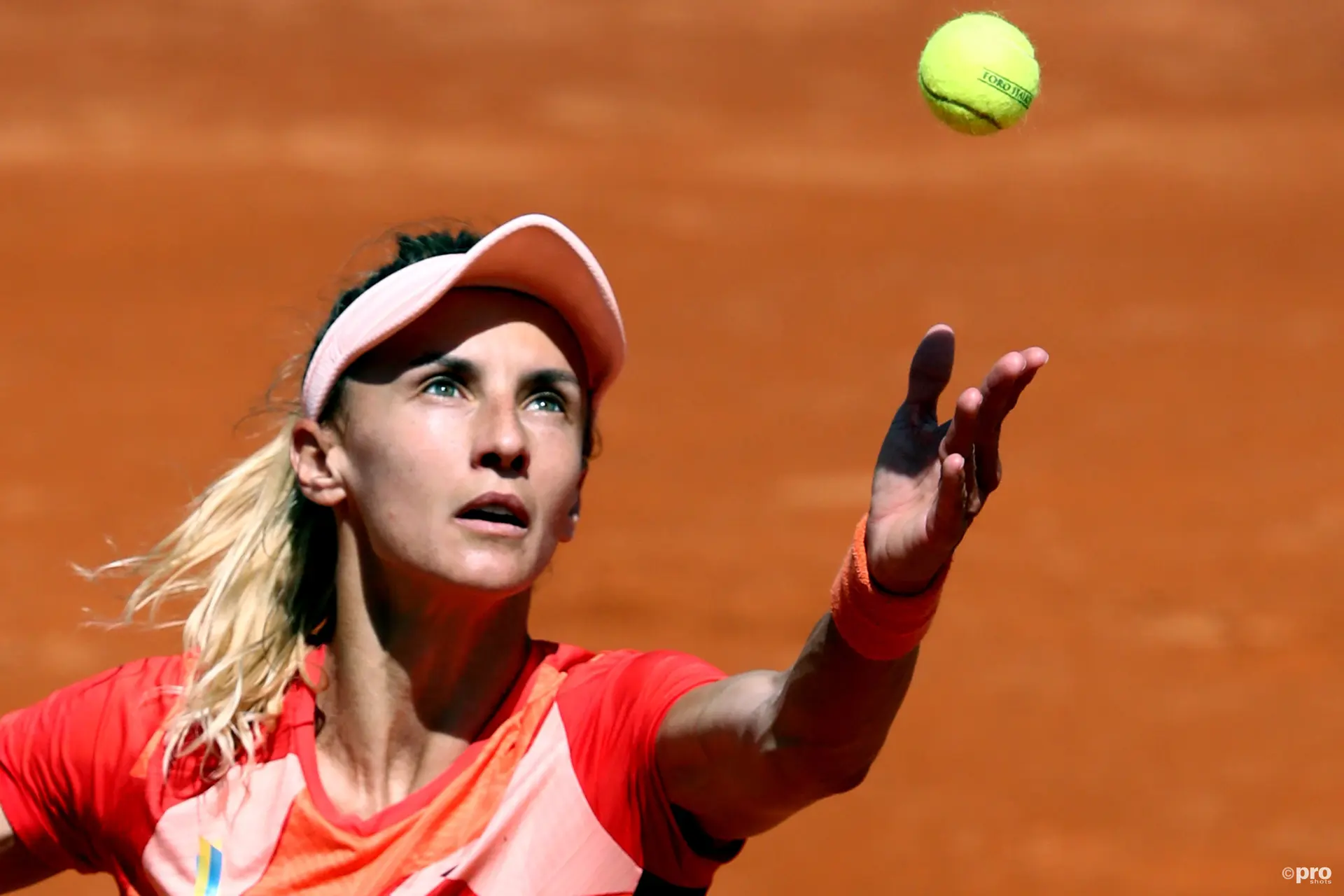
Court defines limits of responsibility
In her decision, U.S. District Judge Naomi Reice Buchwald ruled that the WTA acted within its authority and that Tsurenko had not demonstrated that the organisation was required to suspend players or prevent emotional harm. The judgment reinforced the autonomy of sports governing bodies in determining participation criteria and conduct standards.
The ruling drew a clear legal distinction between physical safety and emotional wellbeing, stating that existing precedent in sport does not extend duty of care to psychological distress. This interpretation formed the basis for dismissing the negligence claims brought forward by Tsurenko.
“When courts have found that sports associations owe a duty to their players, those duties relate to ensuring players’ physical safety, not their emotional wellbeing,” Judge Buchwald wrote.
The judge also noted that the WTA had exercised reasoned decision-making in its response to the invasion, including measures such as banning national flags while allowing Russian and Belarusian players to compete under neutral status.

Claims focused on policy and individual impact
Tsurenko’s lawsuit included allegations that the WTA failed to enforce internal assurances regarding players who openly supported the war. She cited specific incidents, including a case in which a Russian player reportedly wore a patch linked to a sanctioned oil company, as evidence of inconsistency in policy application.
She also pointed to a conversation with Steve Simon, in which she alleged he indicated that players could express support for the conflict without consequence. According to Tsurenko, this contributed to an environment that intensified her psychological distress during competition.
Her legal claim sought damages for breach of contract and negligence, including emotional distress. The argument was built around the cumulative impact of competing on tour under conditions she described as increasingly difficult since the invasion began.
WTA stance and broader implications
In its defence, the WTA maintained that it had consistently condemned Russia’s actions and taken steps to support Ukrainian players. At the same time, it upheld the principle that individual athletes should not be sanctioned for the actions of their governments, aligning with the broader approach adopted across international sport.
The dismissal of the case reinforces the governing body’s discretion in handling politically sensitive issues and sets a precedent regarding the limits of legal responsibility in professional tennis. It also clarifies that claims based on emotional distress face significant legal barriers under existing frameworks.
Neither Tsurenko’s representatives nor the WTA issued immediate comment following the ruling. However, the decision is likely to have wider implications for how similar disputes are approached in the future, particularly as tennis continues to navigate the intersection between global events and competitive sport.

Cristhián AvilaTennis Journalist
Cristhián Ávila is a tennis journalist based in Santiago, Chile, and has been part of the TennisUpToDate team since early 2023. He covers the ATP and WTA Tours as well as all four Grand Slams, producing breaking news, match reports, analysis, and regular liveblogs from major tournaments.
His reporting combines statistical analysis with clear explanation, helping readers understand tactical developments, player form, and broader storylines across the tour. Working fluently in both Spanish and English, Cristhián collaborates with an international editorial team and contributes to comprehensive global coverage. As part of his work, he has conducted interviews and media interactions with leading figures in the sport, including Caroline Wozniacki and John McEnroe.
In his journalism, Cristhián places strong emphasis on careful sourcing, editorial accuracy, and updating articles promptly when new, verified information becomes available. His coverage is grounded in research, context, and direct engagement with professional tennis.
claps 0visitors 0
Just In

Popular News
Latest Comments
- Two Things: 1. Stop allowing these Spoiled Trust-Fund Elitists to behave badly. Your little hand-slaps do not deter them. 2. STOP the incessantly annoying "towel wiping" nonsense!!!!
 mandoist15-10-2026
 - A healthy Qinwen may be hard to stop next season. She was already scaring her opponents before her medical leave(s). Unfortunately, Zheng insisted on singing again. On the positive side -- Mirra did not sing!! ;~}mandoist11-10-2026
- Where is it written that athletes, entertainers... People in general... are mandated to keep looking at -- or even using [anti]Social Media? Public & private figures consistently complain and reveal their concerns about negativity and violence thrown at them -- yet they insist on participating. Avoid it, don't use it, don't read it. It's okay to occasionally look up at the World instead beating your eyes & thumbs to death on The Inventions out there.mandoist11-10-2026
- great articlestennisseserver07-10-2026
- Medvedev was leading Djokovic 7-5, 3-5 when an attempted return..' NO you ignorants, Djokovic was leading .weiss05-10-2026
- No more bullshit "Wildcards" to these two. Qualify like everyone else -- there will be cameras there, too. Time to scream... WTF ????!!!!mandoist29-09-2026
- Let's not BS the general public -- Sabalenka started showing cracks in her game last season. Her losses and near-losses started at about the same time she began being distracted by Fame (constant Selfies, making TV commercials, magazine shoots, endless Social Media nonsense, etc., etc.) One would think even Saba could recognize the parallels with others who failed before her -- Raducanu, Giorgi, Bouchard to name a few.mandoist25-09-2026
- Gross!! Hey Raducanu, Giorgi, and Bouchard -- reserve a seat at your Social Media Selfie table for Saba + Naomi. They're heading in your direction soon enough.mandoist24-09-2026
- And then these same players will complain about how lengthy their season’s were and need more time-off. I’m all for more tennis but the amount of tennis we get now is actually kind of crazy! We all need a break, especially the players.DaveyWavey23-09-2026
- You should do a comparison article for "different kinds of justice" the courts decide for tennis players. I can think of at least three players who received very small bans of a few months, however Tara Moore has been fighting for her literal survival the past few years. It seems odd considering she is not a "name" player, unlike the other cases.DaveyWavey22-09-2026

Loading