Andy Roddick credits Ferrero after Alcaraz Australian Open title: “No future Slam will exist without the foundation they built together”
ATP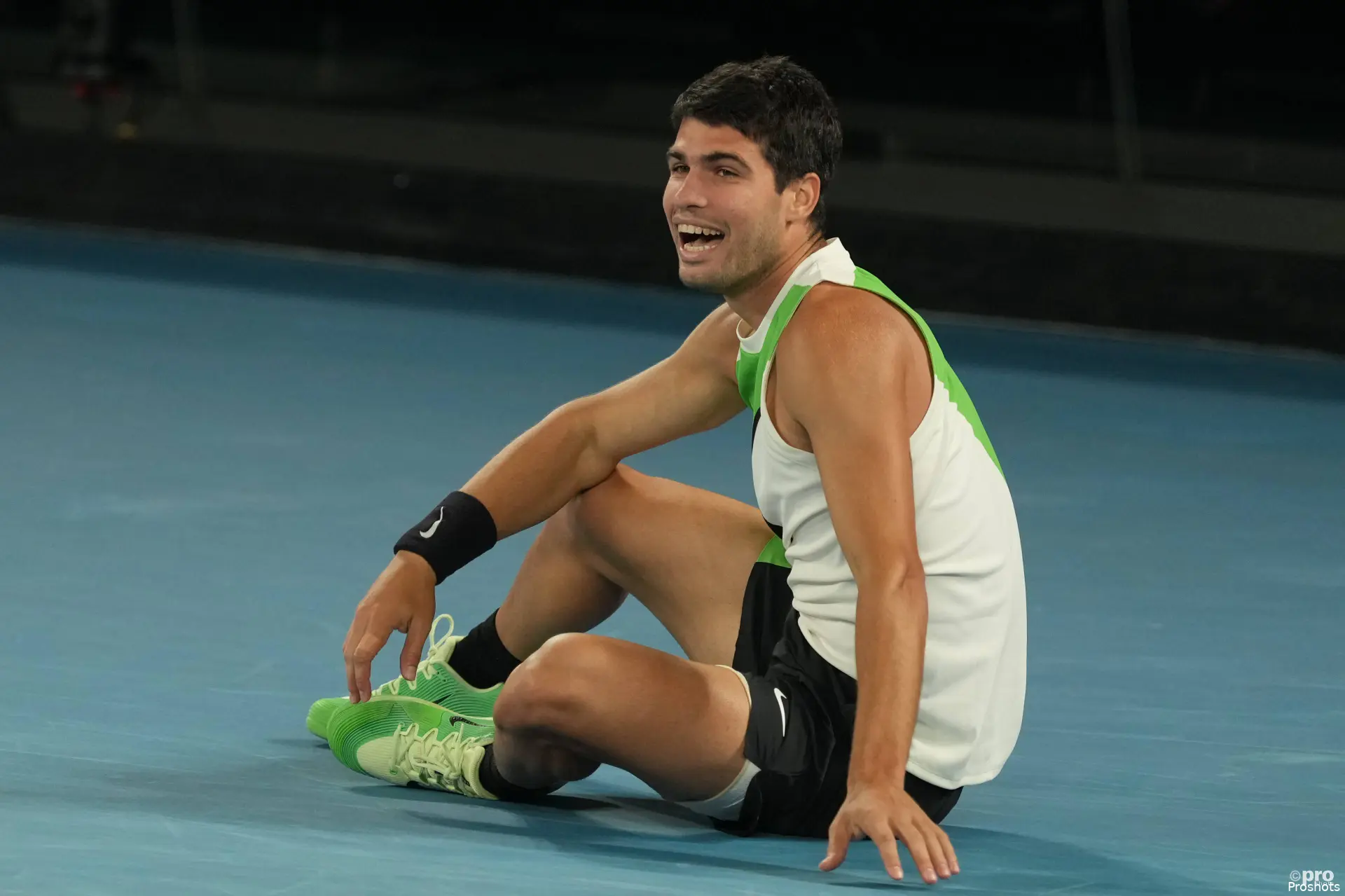
Carlos Alcaraz’s victory over Novak Djokovic in the 2026 Australian Open men’s final was more than a career milestone — it prompted strong reactions across the sport, including from former world No. 1 Andy Roddick. The young Spaniard secured his first title at Melbourne Park with a four-set win, 2–6, 6–2, 6–3, 7–5, becoming the youngest man in the Open Era to complete a career Grand Slam at 22 years, 272 days.
The result echoed through the tennis community not only because of its historical significance but also due to the way it unfolded — Alcaraz overcame an early set deficit against Djokovic, a ten-time Australian Open champion, and rallied with tactical poise and physical resilience.
Among the many voices offering insight was former world No. 1 Andy Roddick, during the latest episode of his podcast Served with Roddick, where he considered that Alcaraz is already at the level of some of the sport’s most iconic names, such as Stefan Edberg, Andre Agassi, Mats Wilander, and John McEnroe. “Carlos has now entered that elite conversation where you have to do something extraordinary for a long stretch to beat him. It’s tough to get on top of him.”
His commentary contextualized Alcaraz’s performance not just in terms of historical records but in terms of developmental trajectory — particularly the mental and tactical maturity shown on Sunday. “These are monsters and he’s caught them at 22 years old. And now goes into the French Open having won in the last two years,” commented Roddick.
“Carlos literally went into lockdown mode against the lockdown king”
Andy Roddick framed Alcaraz’s Melbourne win as evidence of the Spaniard’s evolution. He stressed that early in his career, Alcaraz occasionally showed signs of discomfort under sustained pressure. Roddick recalled, “Credit to Carlos, right? Three or four years ago, he might not have steadied under pressure. Two years ago at the Australian Open, once Novak started gaining on him, you could see he was a little uncomfortable, trying to steady the ship.”
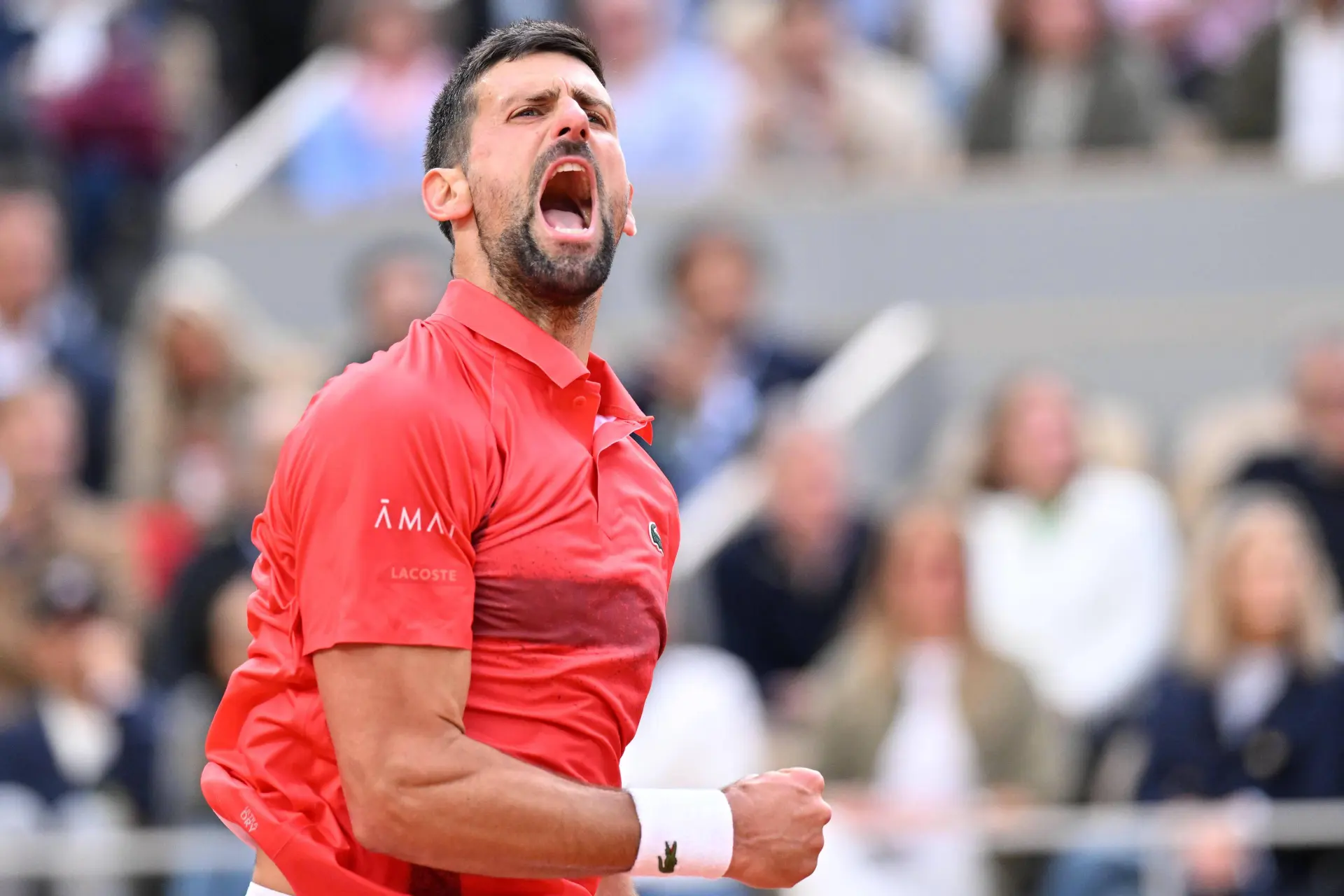
Roddick contrasted that earlier uneasiness with Alcaraz’s poise in the fourth set of the 2026 final. He highlighted a key sequence when Alcaraz served to stay in the championship set: “At 5 6, when Carlos was trying to win the tournament, Novak serve, Novak punch, punch, punch, punch, punch. Carlos literally went into lockdown mode against the lockdown king.”
He was also emphatic about how narratives around isolated errors misrepresent the bigger picture. “Everyone tends to skip to the forehand miss or the backhand that barely clipped the top of the tape… but Carlos had already fought off four or five massive shots, hitting a precise chip forehand down the line. It was pure lockdown under pressure,” the 2003 US Open champion added. “Eventually, Novak did miss a couple of forehands, but when you’re literally giving everything into every forehand for four sets, missing a few is inevitable. Strategies become harder to execute at that scale.”
Roddick reflected on early discussions about Alcaraz’s Slam potential, emphasizing that while the question was understandable, he had urged caution. “I remember being on this show before Carlos won his first US Open, three or four years ago… everyone kept asking, ‘Is this new kid going to win 10 Slams?’ As someone who knows how hard it is to win even one, or two, I can only assume winning seven or ten is insane.”
He explained his more measured stance at the time: “I kept thinking, ‘Guys, let’s be patient. This is ridiculous.’ You can’t just ask that question and dismiss all the great names I just mentioned. And guess what? The question was right, but I was advocating patience — and it turns out Carlos really is painting for something enormous.”
Roddick credits Ferrero: “No future Slam will exist without the foundation they built together”
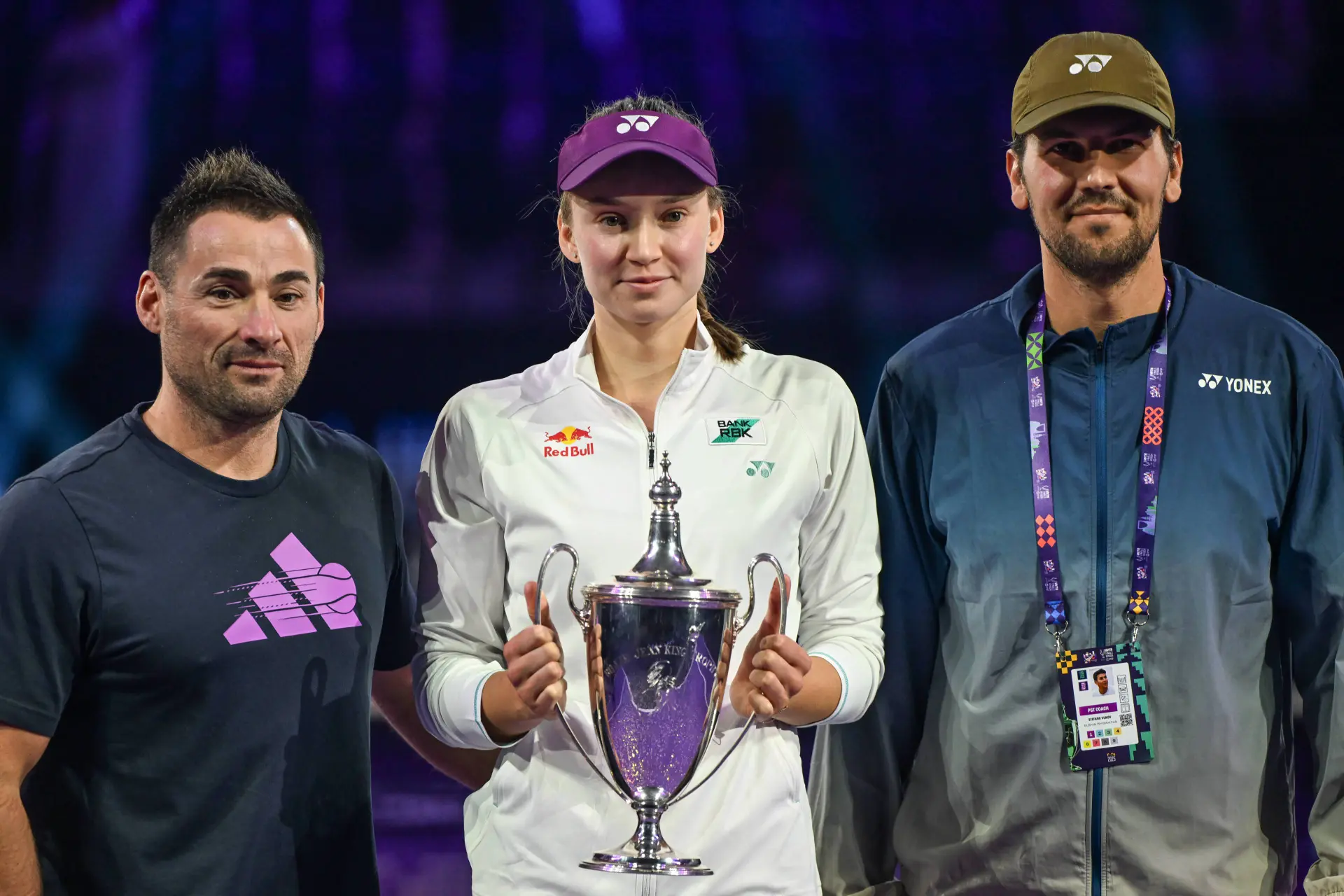
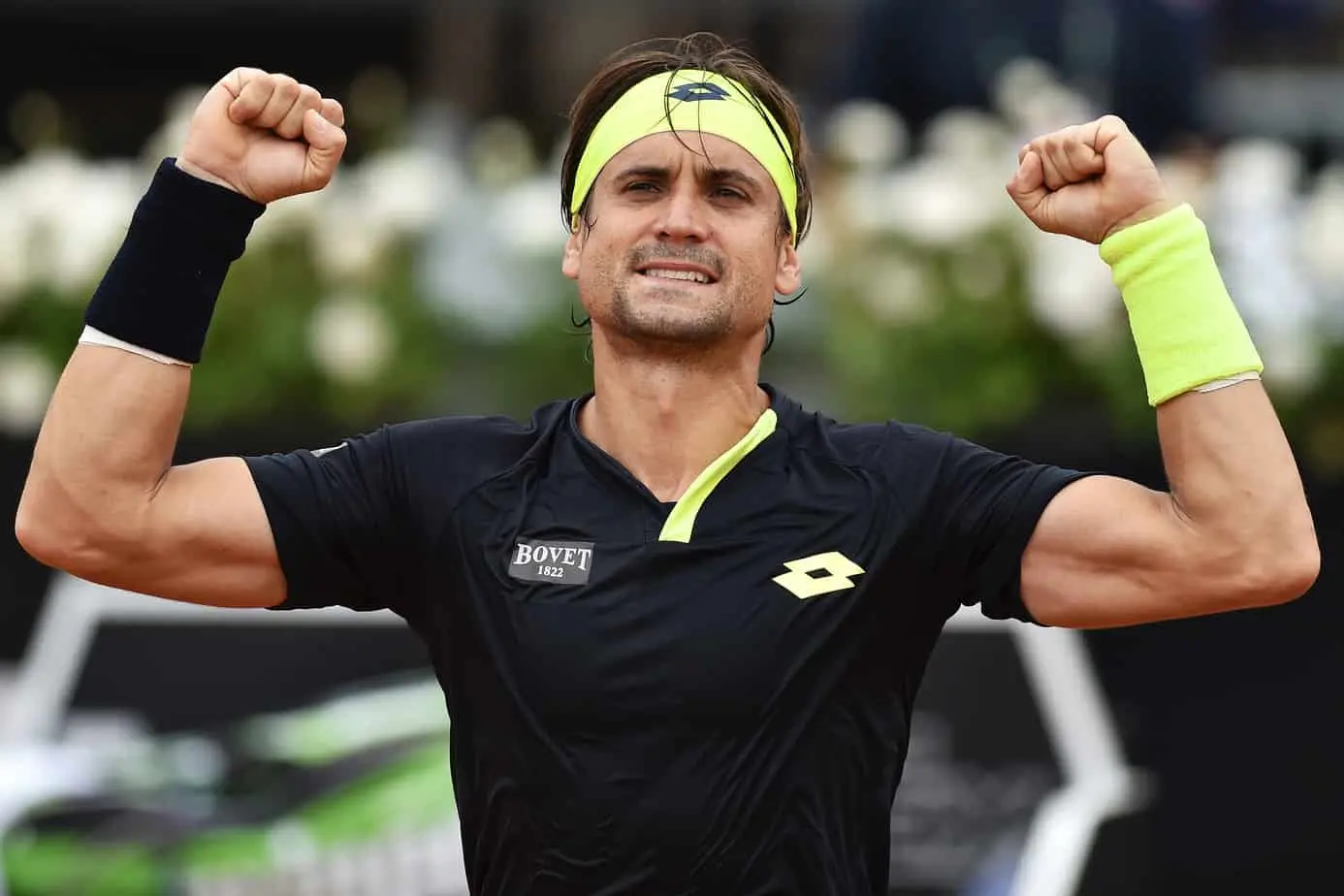
Roddick also discussed the coaching narrative, particularly Alcaraz’s split with longtime coach Juan Carlos Ferrero late last year. “First, anyone saying ‘he doesn’t need JCF’ — okay, yes, it’s wildly impressive that Carlos, after all this upheaval, can go in and win a Slam. Crazy. Good job to his team.”
He stressed Ferrero’s enduring influence: “Carlos will forever be the product of the development work he did with JCF… This Slam was without JCF, but no future Slam will exist without the foundation they built together.” Roddick framed the situation like a structural analogy: “It’s like renovating a house — you’re still thankful the foundation didn’t crack.”
"It’s not just about how many titles you have or what records you chase"
Roddick’s commentary extended to the place of Alcaraz and Sinner within the modern men’s game. He rejected reductive comparisons and highlighted the coexistence of elite talents: “And don’t separate Carlos and Sinner from this conversation... they’re both part of it forever.”
On future legacy scenarios, Roddick offered perspective rather than prediction: “If someone ends up with 15 Slams and another with eight, don’t disassociate the two. Carlos is phenomenal and leading; if he reaches 15 and Sinner gets eight, we’ll pay our respects.”
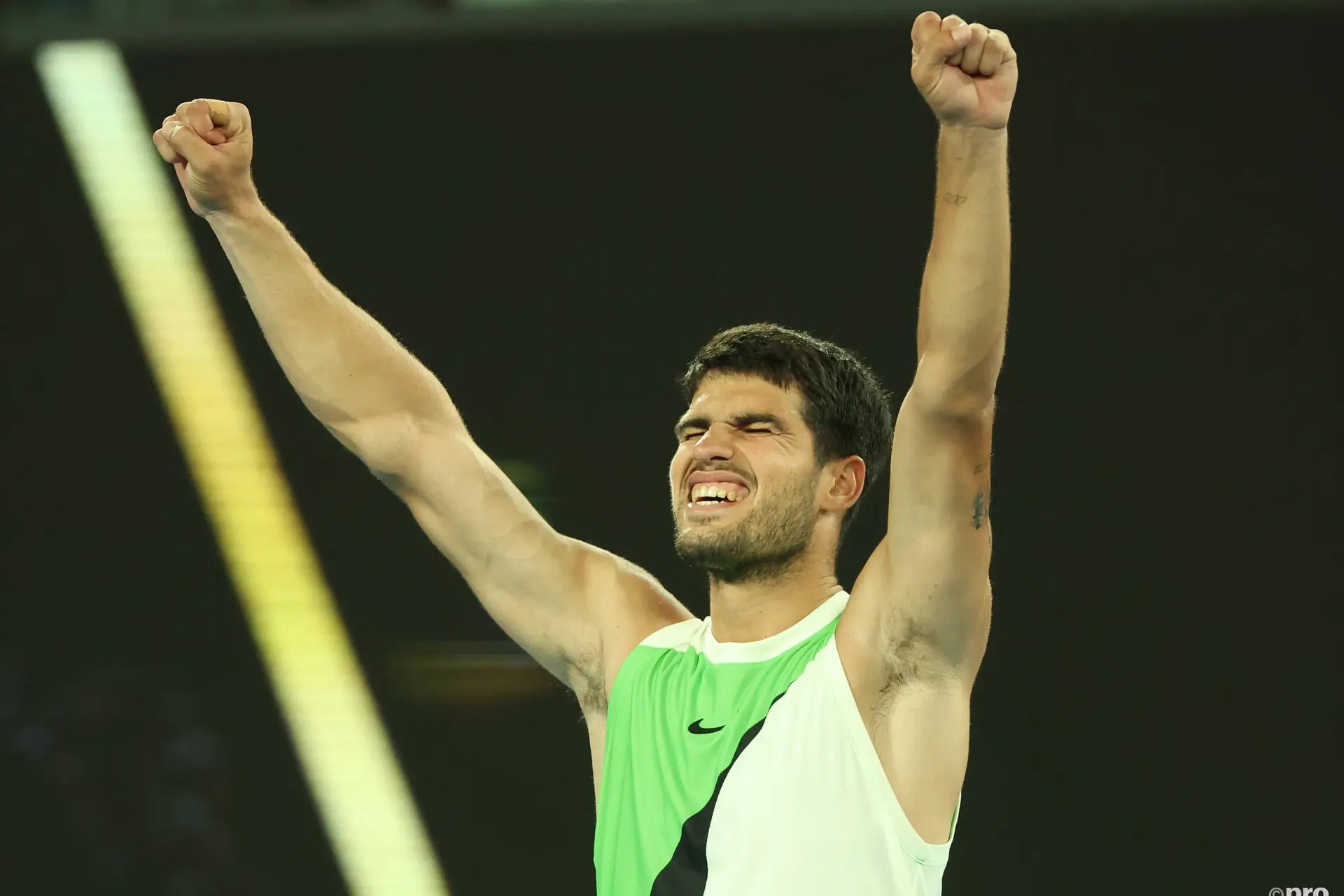
The former world No. 1 also confronted the inevitable gaze toward records and 'GOAT' discussion, suggesting that contextual humility should accompany celebration. “Nothing that happens with Carlos is an accident.” He referenced his own career, contrasting early reliance on guidance with later self directed practice: “He may be at the point in his career where he doesn’t need someone reminding him to go to practice — I certainly didn’t at 24 or 25, though I did at 18.”
Roddick went on to emphasize the subtleties of Alcaraz’s growth, highlighting that talent alone does not define a champion: “It’s not just about how many titles you have or what records you chase. It’s about how he handles moments when everything is on the line, how he adapts mid-match, and how he learns from every point. That’s what separates someone who’s good from someone who’s historic.”
He reflected on the mental and tactical aspects that have elevated Alcaraz’s game since his early years: “Watching him now, you can see the difference in how he thinks through the match. He has options, he sees pathways that others don’t, and he stays calm under pressure. That’s why even when Novak was throwing everything at him, he didn’t crack. That’s maturity that takes time to develop.”
Finally, Roddick stressed that these kinds of discussions about legacy and greatness are ongoing, not something to be forced into neat conclusions: “You could sit here and argue about records all day, but it misses the point. What’s really fascinating is watching how a player like Carlos evolves, how he responds to the challenges in real time. That’s the story I’m following — not the numbers, not the lists. The process is where the real insight is,” Roddick said, leaving the next chapters open.

Cristhián AvilaTennis Journalist
Cristhián Ávila is a tennis journalist based in Santiago, Chile, and has been part of the TennisUpToDate team since early 2023. He covers the ATP and WTA Tours as well as all four Grand Slams, producing breaking news, match reports, analysis, and regular liveblogs from major tournaments.
His reporting combines statistical analysis with clear explanation, helping readers understand tactical developments, player form, and broader storylines across the tour. Working fluently in both Spanish and English, Cristhián collaborates with an international editorial team and contributes to comprehensive global coverage. As part of his work, he has conducted interviews and media interactions with leading figures in the sport, including Caroline Wozniacki and John McEnroe.
In his journalism, Cristhián places strong emphasis on careful sourcing, editorial accuracy, and updating articles promptly when new, verified information becomes available. His coverage is grounded in research, context, and direct engagement with professional tennis.
claps 0visitors 0
Just In



Popular News

Latest Comments
- Lena... Takin' care of business
 mandoist25-10-2026
 - Can you please stop publishing this nonsense? Stick to Tennis.mandoist25-10-2026
- Does Sinner need that 4.5 mil? I doubt it. He can make that with three modelling gigs!😅🤣Rapunzel21-10-2026
- Did "People Magazine" purchase this website? This nonstop storyline is bullshit.mandoist21-10-2026
- Listen... this is of no concern to anyone but these two. Deal with your own issues -- most of us have our own. Thanks, media, for these insignificant follow-ups which are meaningless.mandoist21-10-2026
- This is so very very sad, for all three of them. I truly thought they had an unbreakable bond, but life throws up so many differing challenges. Having your homeland suffering in such a terrible way, makes happiness lose out to guilt as well. Our thoughts are with them. X💔bjsexton20-10-2026
- I have lost all respect for Svitolina! Could she not have waited until he had played at the Paris Masters!!! She is selfish and don't give a damn about Gael. That is NOT how love is demonstrated Elina!!Rapunzel19-10-2026
- Perhaps convenient tennis tour sex is not a strong enough experience in which to base a marriage?mandoist19-10-2026
- Fight the Good Fight... Tennis (sports in general) need more Humans such as yourself.mandoist18-10-2026
- When is WTA going to mandate Genetic Testing (DNA) ???mandoist18-10-2026

Loading