ATP Madrid Open Day One Round-Up | Matteo Berrettini suffers early exit as Hurkacz and Machac make solid starts
ATP
The Madrid Open first round on the ATP side produced a mix of expected progressions and early disruptions, with Hubert Hurkacz moving through efficiently, Tomáš Macháč recovering from a set down, and Matteo Berrettini exiting against Dino Prižmić. On a surface that quickly exposes serving patterns and rally tolerance, the opening day also offered a reminder that Madrid’s conditions can reward first-strike tennis while still punishing lapses in structure.
That broader context shaped several of the most relevant results. Hurkacz protected his section with a routine win, while Macháč and Marin Čilić came through more complicated matches after slow starts. Elsewhere, Jan-Lennard Struff re-established momentum in a draw where experience on these courts matters, Alejandro Tabilo opened cleanly, and Ignacio Buse added an efficient result that may alter the depth of his quarter in the early rounds.
Čilić adjusts after a slow start
Marin Čilić def. Zizou Bergs 4-6, 6-3, 6-4
Marin Čilić moved into the second round after reversing an uneven start against Zizou Bergs. Bergs began with the clearer court positioning, securing the early break that carried him through the first set and allowing him to play from in front. Čilić, by contrast, needed time to settle into his service rhythm and find more depth through the middle of the court.

The shift came in the second set, when Čilić began extending return games and making Bergs hit from less comfortable positions. Rather than rushing the baseline exchanges, he played with more margin and waited for shorter balls before accelerating. That change produced a late break for 6-3, and once he moved ahead early in the decider, the match was tilted toward first-ball authority rather than reactive defence.
The live notes point most clearly to the serving pattern behind the comeback: Bergs created fewer openings once Čilić raised his level behind serve, while the Croatian’s break in the third set gave him the lead he needed. From a draw standpoint, it is a useful recovery win for a former quarter-finalist, especially after losing the opening set against an opponent who had arrived with recent clay momentum.
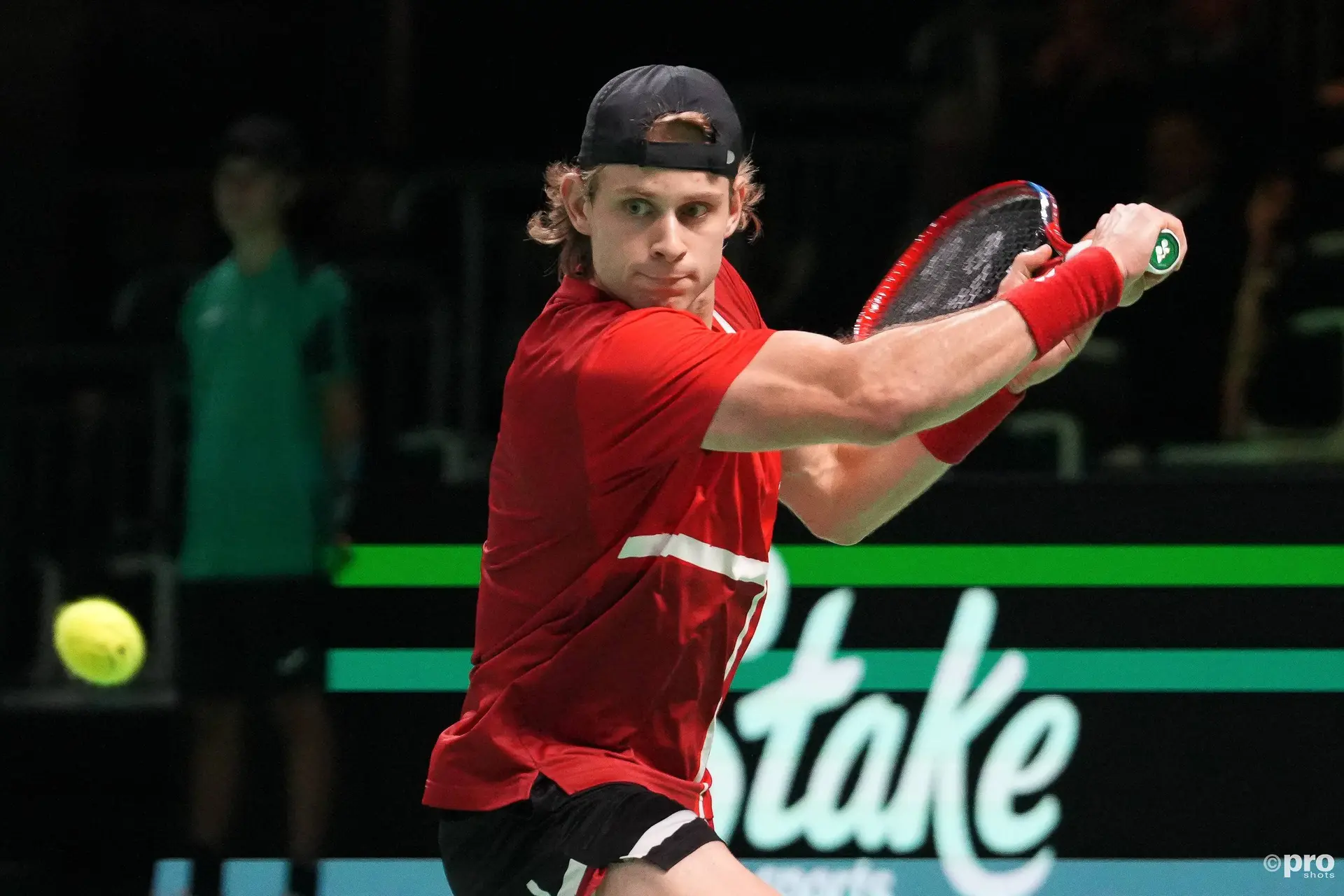
Buse builds on a clean baseline performance
Ignacio Buse def. Adrian Mannarino 6-4, 6-2
Ignacio Buse progressed in straight sets against Adrian Mannarino, using a more stable clay-court pattern from the opening games. The first set stayed competitive through the early stages, but Buse gradually separated the rallies by getting more height and shape into the exchanges, forcing Mannarino away from the flatter tempo that usually helps him shorten points.
Once Buse secured the first set, the balance of the match changed quickly. Mannarino was unable to consistently redirect from neutral positions, and Buse used that to step inside the baseline more often in the second set. The rallies became less about variety and more about whether Mannarino could absorb repeated pressure off the ground, and he could not sustain that over two sets.
The scoreline itself explains much of the match pattern: after edging the opener 6-4, Buse moved through the second 6-2, indicating that his margin in the baseline exchanges became more pronounced as the contest developed. The result gives him his first win since the opening round in Marrakech and offers a more stable platform heading into a section where early-round certainty can matter as much as outright shot-making.
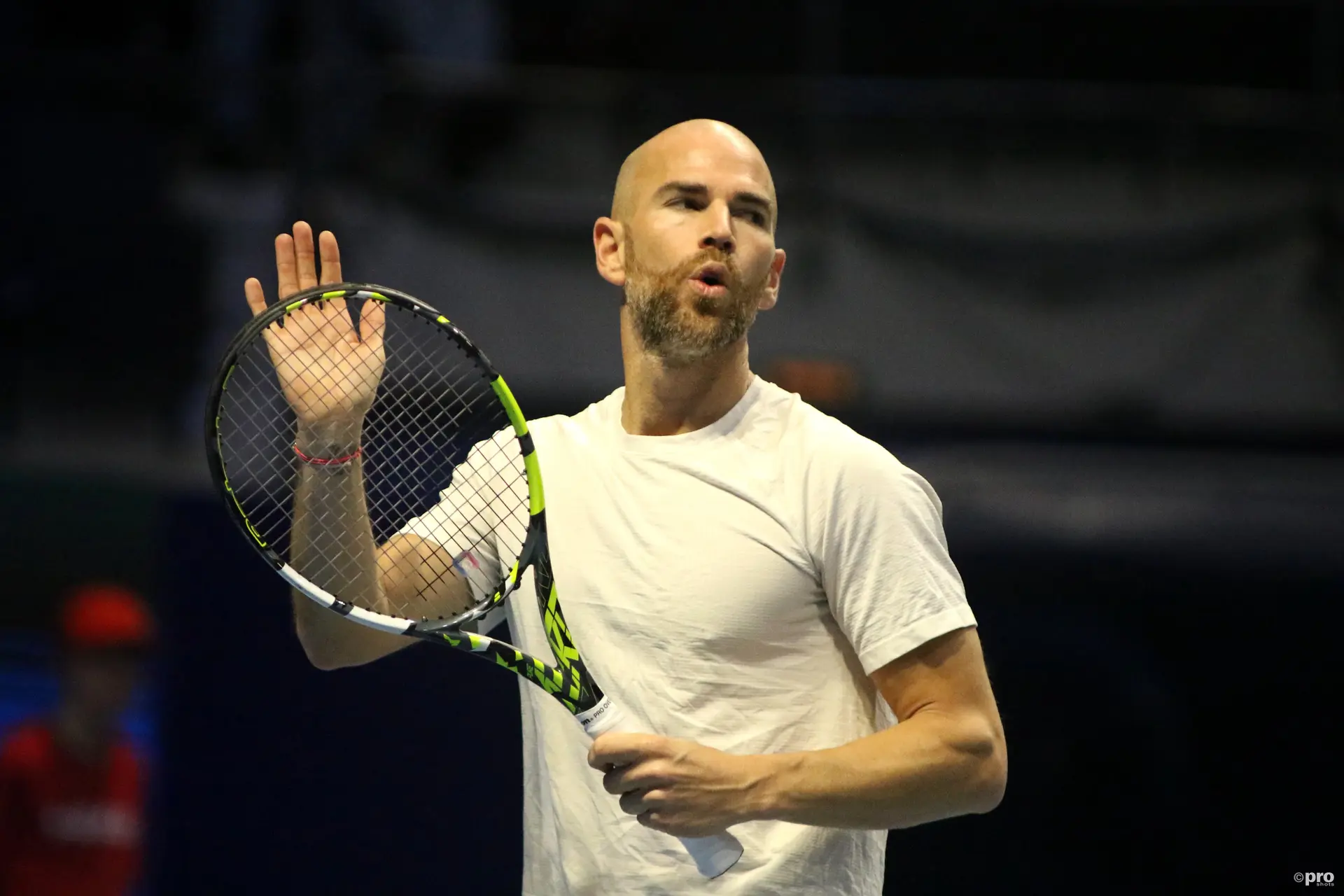
Struff flips the match after escaping the opener
Jan-Lennard Struff def. Alexandre Müller 7-6, 6-0
Jan-Lennard Struff came through one of the sharper momentum shifts of the day, recovering from a difficult first-set position to beat Alexandre Müller in straight sets. Müller had the stronger early stretch and built a 4-0 lead in the opener, using his return games well enough to place Struff under sustained scoreboard pressure.

The turning point came before the tiebreak, when Müller failed to convert a set point and Struff re-established front-foot patterns behind serve and forehand. Once the German escaped with the first set, the match changed completely. Müller’s tolerance dropped, Struff’s first-strike tennis became cleaner, and the second set quickly moved from competitive to one-directional.
The clearest numerical indicator from the notes is the finishing run: Struff won the tiebreak and then took the second set 6-0, which means he closed the match by taking nine of the last ten games. That kind of stretch reflects not only scoreboard momentum but also a decisive improvement in serve-plus-one execution. It is a relevant result for the 2023 finalist, who now has a chance to rebuild traction in conditions that have suited him before.
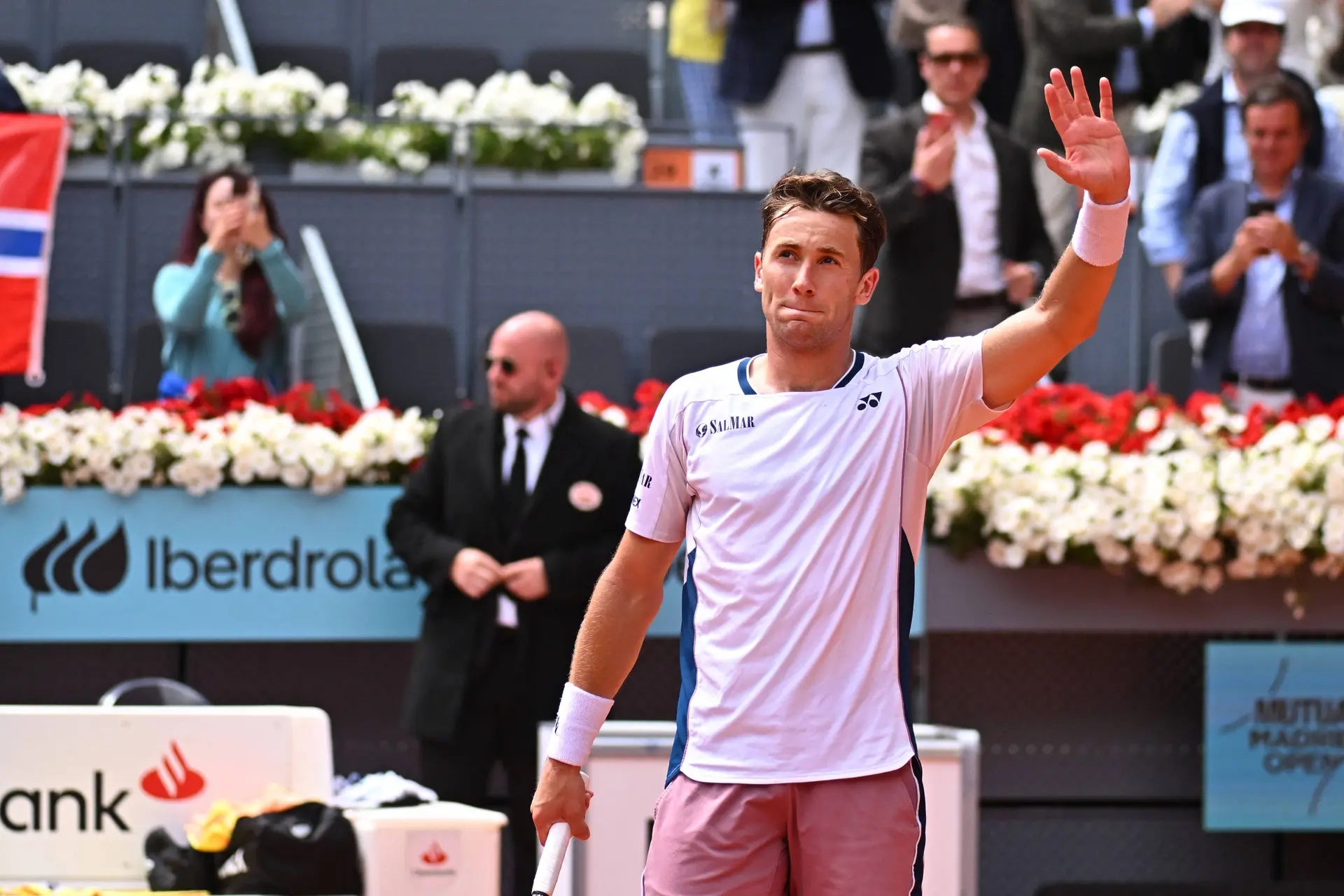
Prižmić exposes Berrettini’s margin on return games
Dino Prižmić def. Matteo Berrettini 6-3, 6-4
Dino Prižmić advanced with a disciplined straight-sets win over Matteo Berrettini, taking advantage of a late entry into the draw and responding with a structured performance. Berrettini’s serve usually defines the terms of his matches, but from the opening set Prižmić was able to extend enough return games to stop the Italian from playing entirely on his own patterns.
That became the decisive tactical element. Berrettini was tested repeatedly in service games that normally pass quickly, and Prižmić stayed patient instead of overpressing on return. Once he earned the break in the first set, he kept the match in a shape where Berrettini had to play extra balls from neutral positions. On clay, that reduced the value of the first strike and placed more emphasis on sustained construction.
The available match indicators support that reading. Prižmić broke after earlier resistance on Berrettini’s serve and eventually closed the match in two sets, converting on his third match point. For Berrettini, the loss removes a notable name from this part of the draw early. For Prižmić, it is a significant first-round win built less on isolated moments and more on repeatable returning discipline.
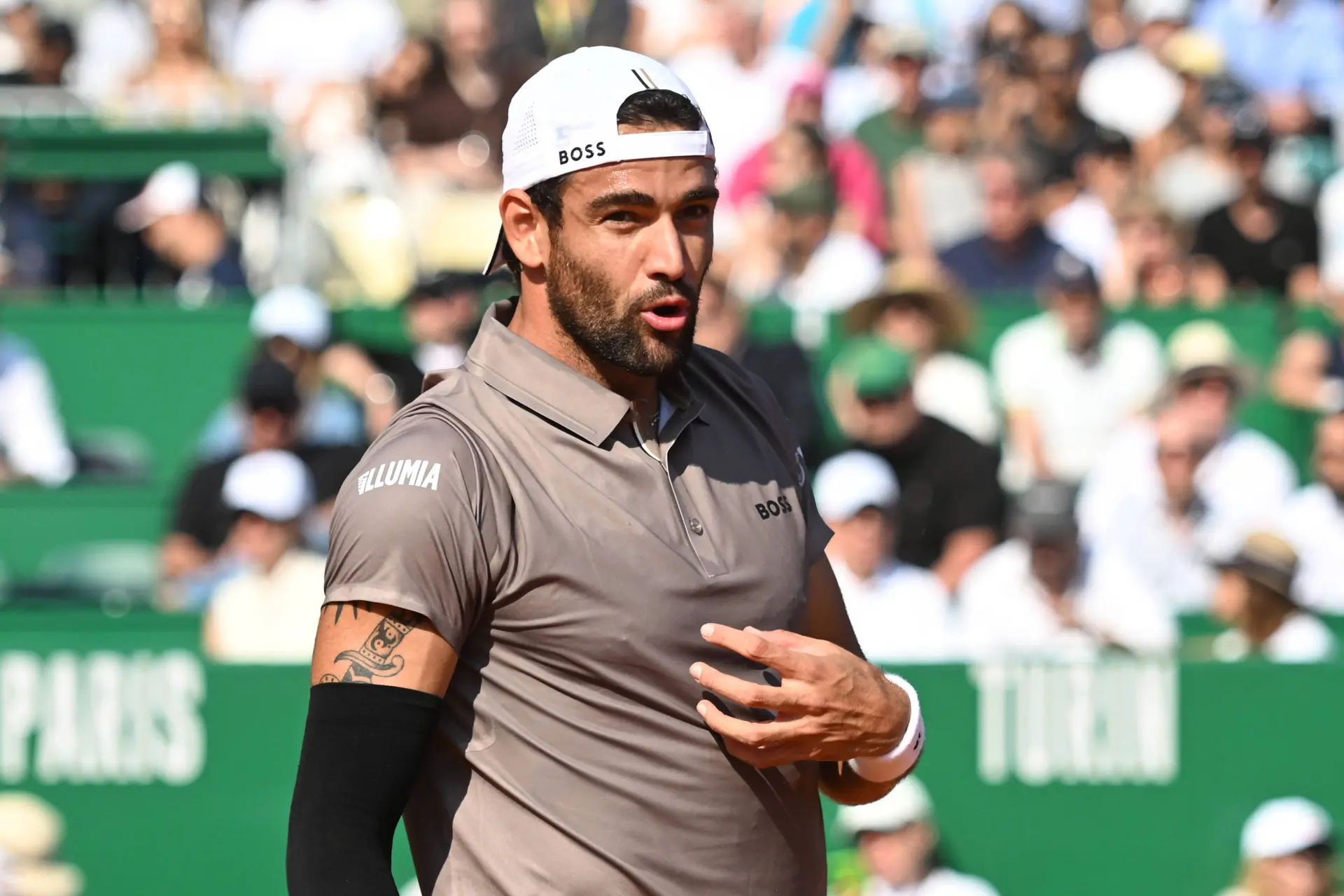
Hurkacz moves through with a compact service pattern
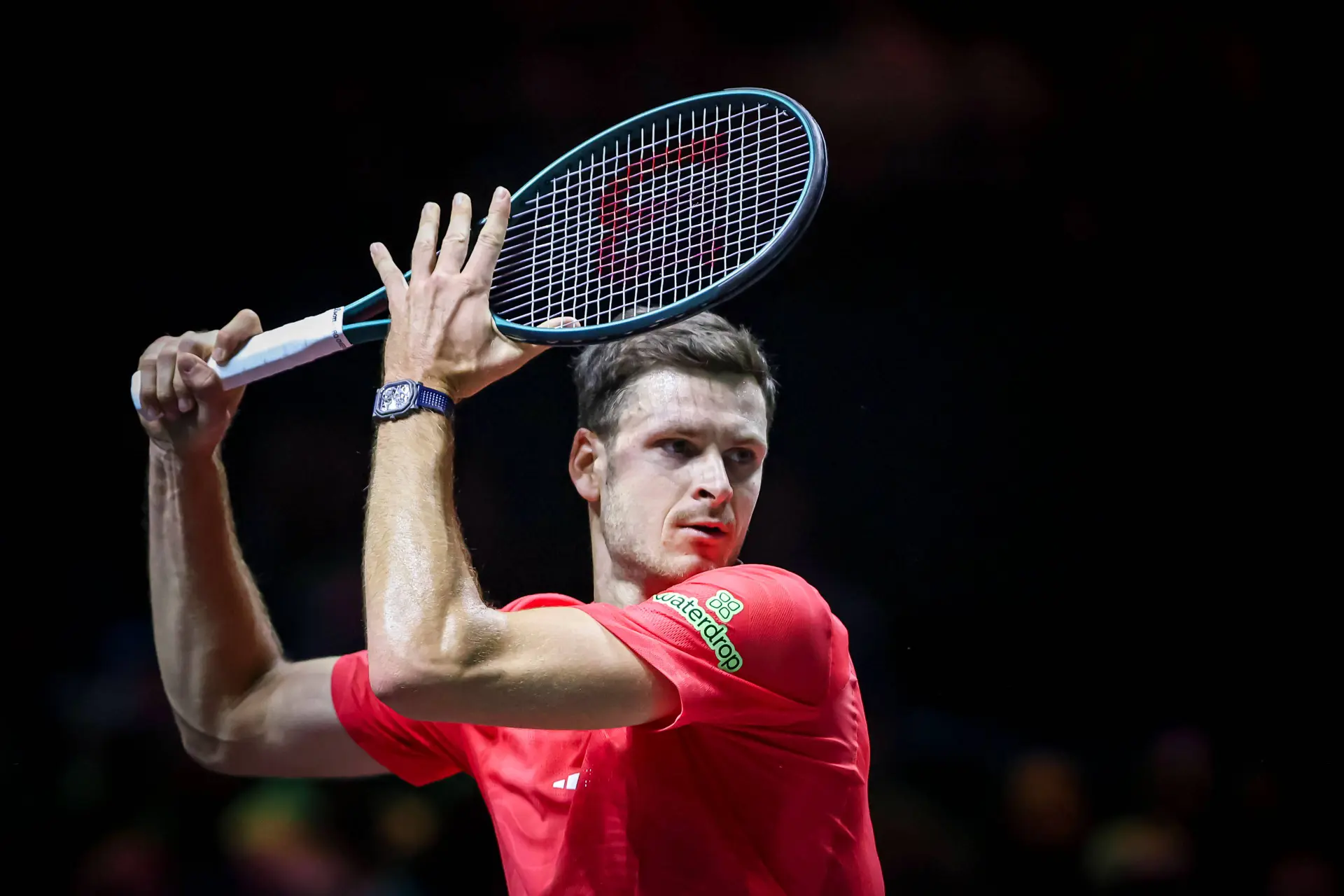
Hubert Hurkacz def. Jaime Faria 6-3, 6-3
Hubert Hurkacz reached the second round with a controlled straight-sets win over Jaime Faria, establishing the match early with an immediate break and consistent service holds. The opening exchanges were balanced, but once Hurkacz moved ahead 3-1, the structure of the contest became clear: Faria needed extended return games to threaten, and Hurkacz gave him very few.

The match did not require major tactical correction because Hurkacz protected his patterns from the start. He served efficiently, kept baseline exchanges compact, and avoided offering Faria short second-serve looks. In the second set, he repeated the same formula, earning another early break and then managing the scoreboard without needing to chase on return.
The notes provide the most useful performance markers here: Hurkacz converted three break points across the match and closed both sets by the same 6-3 scoreline. That combination suggests control in the key games rather than broad statistical dominance for its own sake. He now moves on to face Lorenzo Musetti, a second-round meeting that should offer a much clearer test of his clay-court positioning and rally tolerance.
Macháč survives the first-set deficit and finds the decider first
Tomáš Macháč def. Francisco Comesaña 3-6, 7-6, 6-3
Tomáš Macháč recovered from a set down to beat Francisco Comesaña and reach the second round after one of the more tactically layered matches in this group. Comesaña made the stronger start, earning the early break and using the clay well to pull Macháč into longer points. The Czech spent much of the first set reacting rather than initiating.
The match turned in the second set, which remained on serve throughout and offered no break points before the tiebreak. That phase mattered because Macháč gradually reduced the volatility of his patterns, held more securely, and prevented Comesaña from attacking second-serve returns. Once he edged the breaker, he carried that balance into the decider, where an early break gave him the scoreboard position he had lacked for most of the afternoon.
The best available indicators are structural rather than expansive: no breaks in the second set, a tiebreak won by Macháč, and then a 6-3 closing set after he protected the first break advantage. Those details explain why the match changed hands. He now faces Cameron Norrie in round two, and this result keeps a potentially awkward section open for a player whose level improved once the contest settled into more stable service patterns.
Tabilo starts efficiently and keeps the draw moving
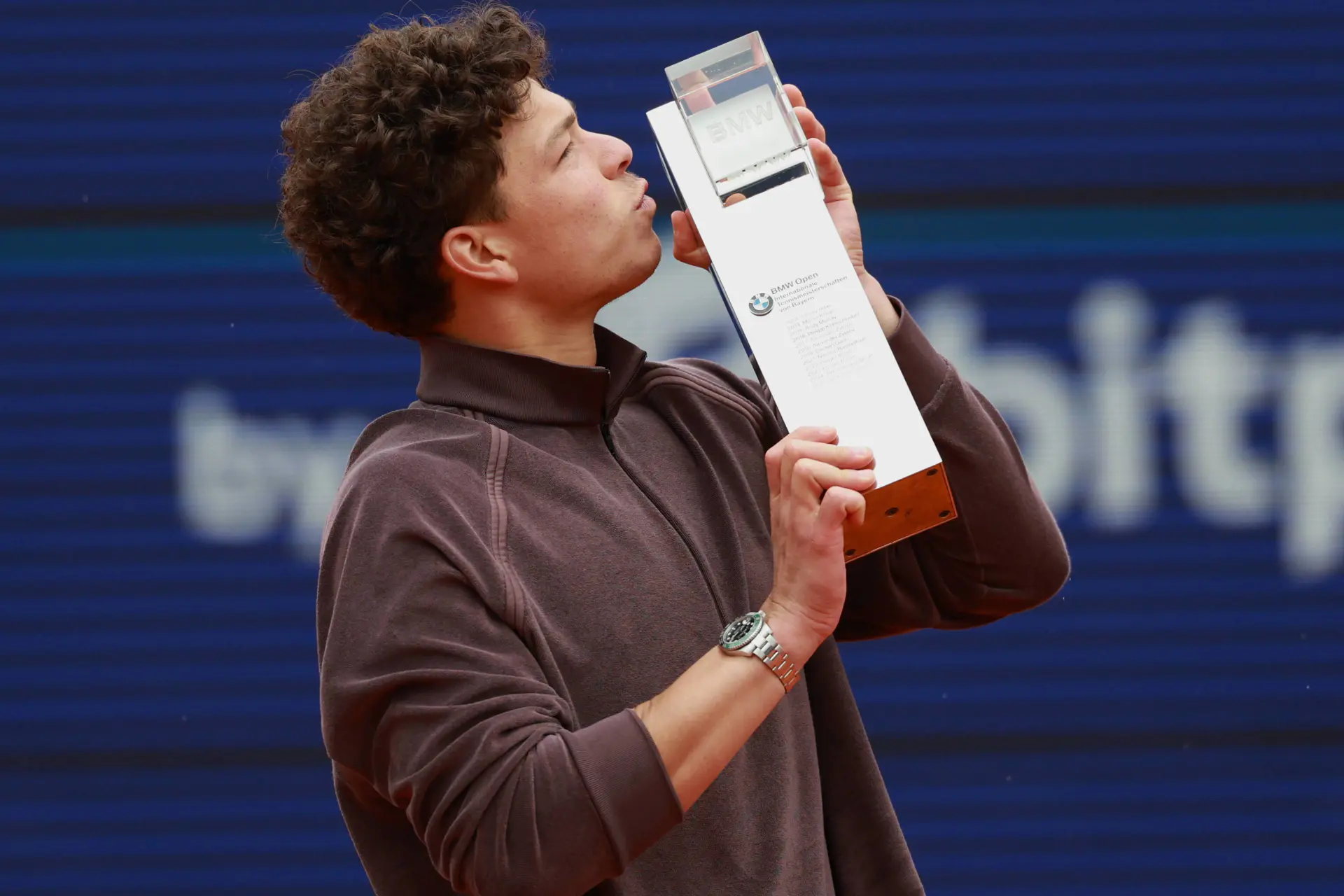
Alejandro Tabilo def. Valentin Royer 6-2, 6-4
Alejandro Tabilo advanced in straight sets over Valentin Royer, producing one of the cleaner opening-round performances among the selected matches. He established the tempo quickly, moving ahead with a break and then adding a second separation in the first set. By the 30-minute mark, he had already taken the opener 6-2 and removed much of the uncertainty from the contest.

The second set was slightly less linear. Tabilo earned an early break, Royer responded immediately, and for a brief stretch the match looked as though it might become more complicated. Instead, Tabilo reset quickly, broke again to restore the margin, and returned to a more measured pattern from the baseline. From there, he held that lead without allowing the set to drift back to parity.
The scoreline and sequence tell the story clearly: Tabilo won the first set with authority, recovered immediately after surrendering a break in the second, and closed the match 6-2, 6-4. That ability to restore structure after the brief interruption was the key feature of the performance. He now moves on to face Jiří Lehečka, a second-round match that should offer a more direct test of his ability to impose left-handed patterns against a higher-level ball striker.


Lucas MichaelTennis Journalist
Lucas Michael is a tennis journalist based in Cambridge, UK, specializing in comprehensive coverage of the ATP and WTA tours. For the past 1.5 years, he has been a core contributor to TennisUpToDate, where he has authored more than 3,000 data-driven match reports, deep-dive analysis pieces, and engaging liveblogs.
Lucas pairs real-time statistical analysis with on-the-ground reporting, frequently traveling to tournaments to cover the action firsthand from the press box and player press conferences. This blend of advanced metrics and direct access allows him to provide sharp context regarding player form, tactical trends, and breaking tour developments.
He holds a BA (Hons) in Sports Journalism. Grounded in core journalistic ethics, Lucas places a strict emphasis on meticulous sourcing, editorial accuracy, and a commitment to updating live content swiftly as verified information emerges.
claps 0visitors 0
Just In


Popular News



Latest Comments
- Does Sinner need that 4.5 mil? I doubt it. He can make that with three modelling gigs!😅🤣Rapunzel21-10-2026
- Did "People Magazine" purchase this website? This nonstop storyline is bullshit.
 mandoist21-10-2026
 - Listen... this is of no concern to anyone but these two. Deal with your own issues -- most of us have our own. Thanks, media, for these insignificant follow-ups which are meaningless.mandoist21-10-2026
- This is so very very sad, for all three of them. I truly thought they had an unbreakable bond, but life throws up so many differing challenges. Having your homeland suffering in such a terrible way, makes happiness lose out to guilt as well. Our thoughts are with them. X💔bjsexton20-10-2026
- I have lost all respect for Svitolina! Could she not have waited until he had played at the Paris Masters!!! She is selfish and don't give a damn about Gael. That is NOT how love is demonstrated Elina!!Rapunzel19-10-2026
- Perhaps convenient tennis tour sex is not a strong enough experience in which to base a marriage?mandoist19-10-2026
- Fight the Good Fight... Tennis (sports in general) need more Humans such as yourself.mandoist18-10-2026
- When is WTA going to mandate Genetic Testing (DNA) ???mandoist18-10-2026
- Hey, Dan... you just wake up from a coma? Regardless -- Thanks for the comedy this morning!mandoist18-10-2026
- Two Things: 1. Stop allowing these Spoiled Trust-Fund Elitists to behave badly. Your little hand-slaps do not deter them. 2. STOP the incessantly annoying "towel wiping" nonsense!!!!mandoist15-10-2026

Loading