WTA Madrid Open Day Two Round-Up | Alexandra Eala and Katie Boulter deliver statement victories to launch their campaigns
WTA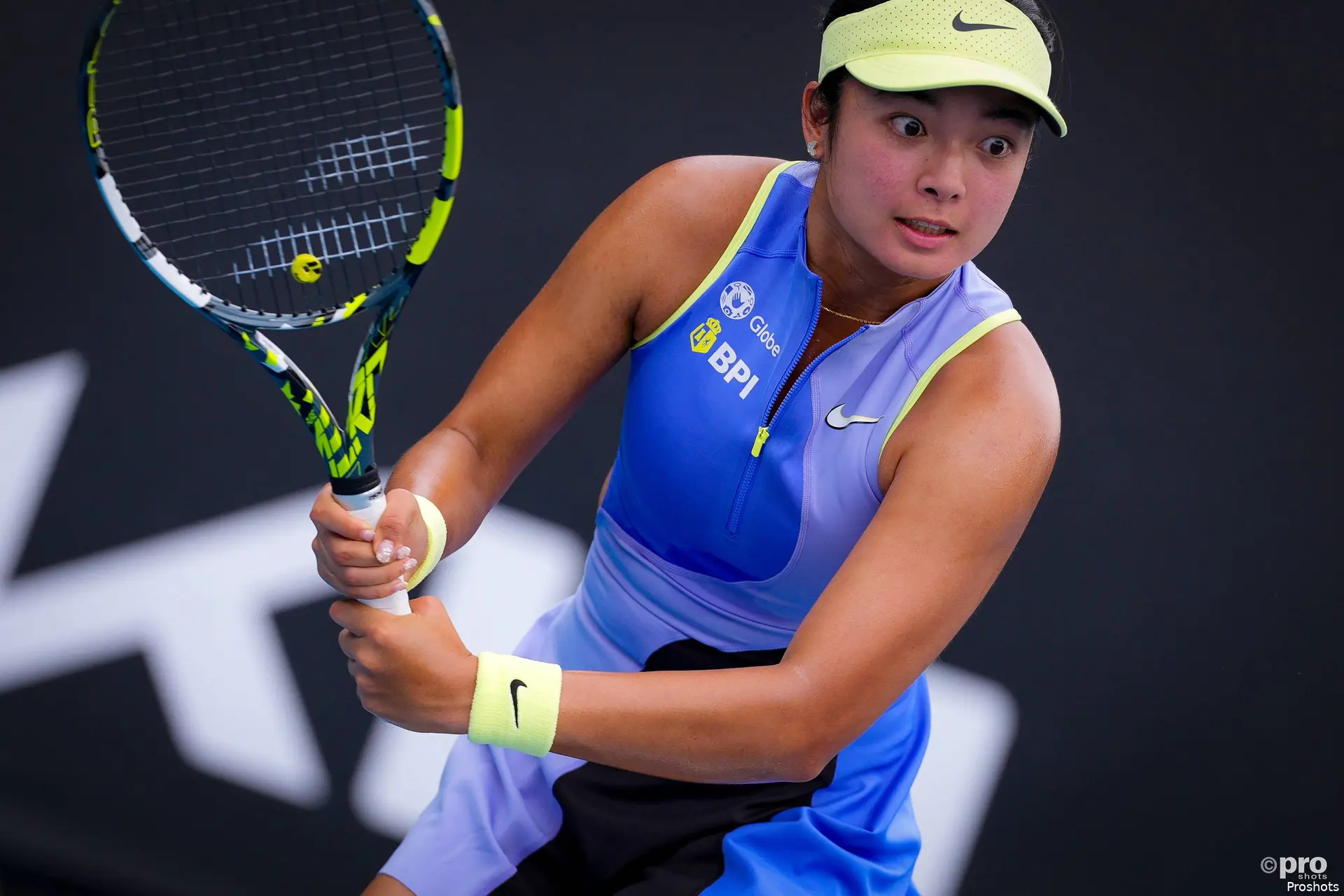
The Madrid Open first round delivered a series of contrasting match patterns, with emerging players and established names navigating early challenges to secure progression. Among the key storylines were Alexandra Eala’s controlled win over Anastasia Pavlyuchenkova, Daria Snigur’s tight victory against Daria Kasatkina, and Karolína Plíšková’s recovery from a set down.
The opening round also reflected varied form levels across the draw, with players adjusting to clay conditions after the hard-court swing. Sofia Kenin and Katie Boulter advanced through structured baseline play, while Alycia Parks relied on first-strike efficiency. These results shape a second round that begins to align seeds with in-form challengers, increasing tactical demands across matchups.
Snigur survives late swings in extended tiebreak
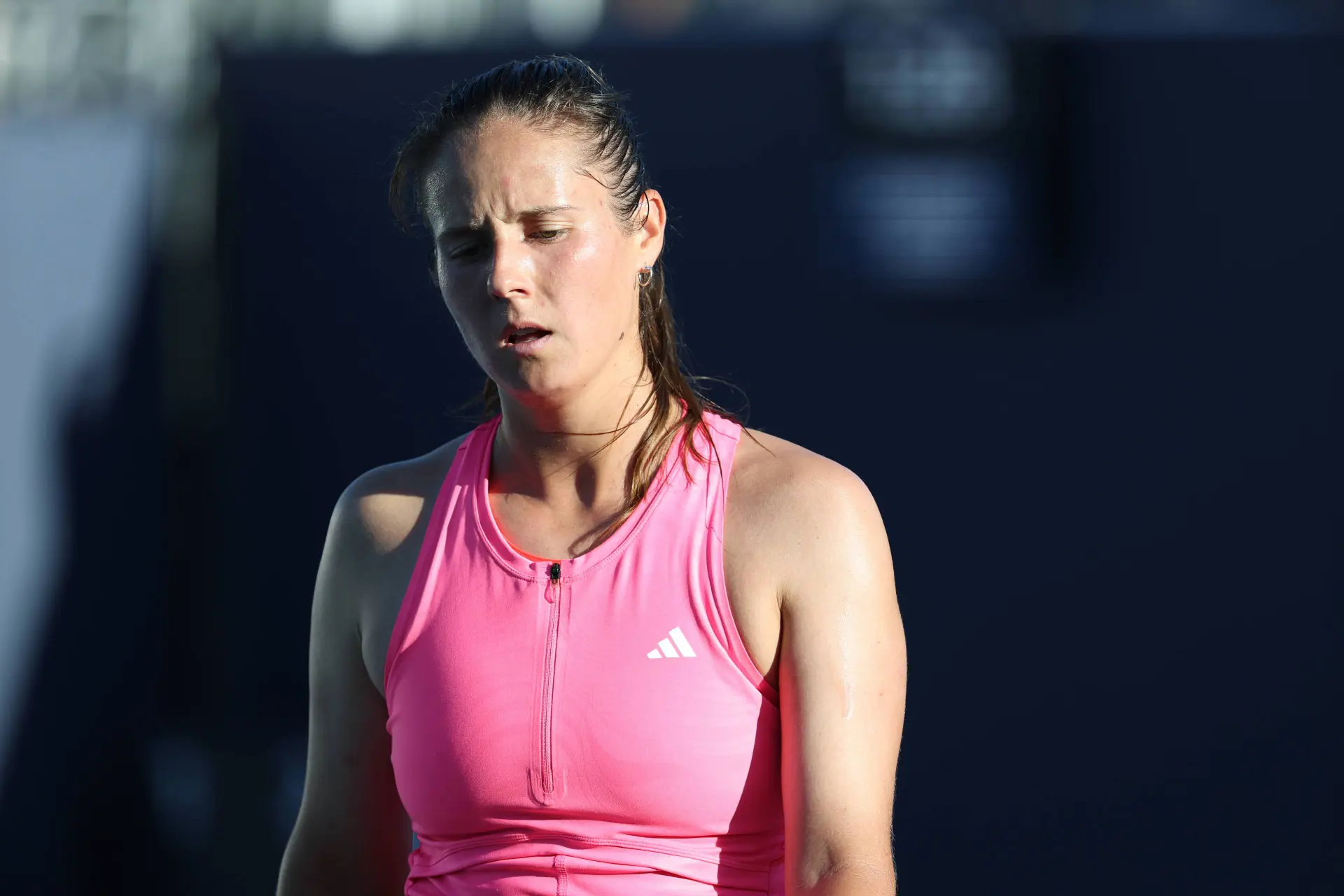
Daria Snigur def. Daria Kasatkina 6-3, 3-6, 7-6
Snigur progressed to the second round after a three-set contest defined by momentum shifts. She established early control with depth from the baseline to take the opening set, while Kasatkina responded by extending rallies and forcing errors to level the match in the second.

The decisive phase was shaped by fluctuating pressure moments. Kasatkina held a match point on return late in the third set but failed to convert, allowing Snigur to extend the match into a tiebreak where she managed scoreboard pressure more effectively. Snigur’s ability to win key points proved decisive, converting under high-pressure scenarios while saving multiple match points.
Kasatkina lacked effectiveness on serve; despite a 77% first-serve percentage, she won only 50% of those points. The Australian converted 7 breaks from 16 opportunities, while Snigur also secured 7 breaks but from as many as 24 chances. The tiebreak, lasting a total of 28 points, included up to 7 match points for the Ukrainian and another three for Kasatkina. In the second round, Snigur will face 4th seed Iga Swiatek.
Eala controls baseline exchanges to defeat Pavlyuchenkova
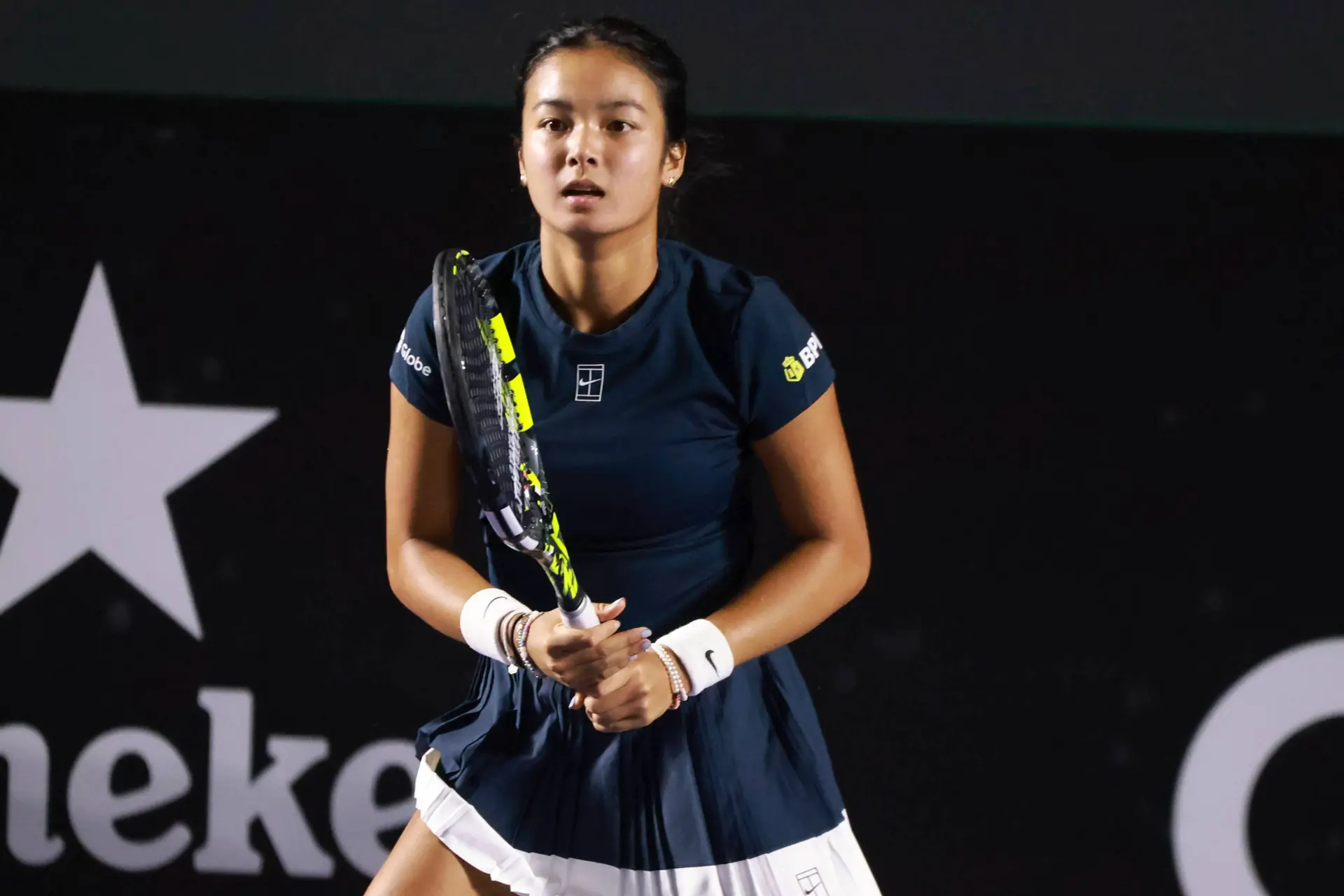
Alexandra Eala def. Anastasia Pavlyuchenkova 6-3, 6-3
Eala secured a straight-sets win to move into the second round, establishing control through consistent depth and court positioning from the outset. Pavlyuchenkova struggled to impose early, with Eala breaking serve in both sets to dictate the match structure.
The key adjustment came through Eala’s return positioning, stepping inside the baseline to apply immediate pressure on second serves. This limited Pavlyuchenkova’s ability to construct points and forced shorter rallies on Eala’s terms. Eala’s efficiency on return and solid first-serve percentages underpinned the result, as she converted multiple break opportunities while limiting her opponent’s chances.
The Filipina recorded a 68% first-serve percentage, winning 76% of those points, proving highly effective despite not being characterised as a big server. Eala repeats her 2025 result—when she fell in the second round to Iga Swiatek—and this time will look to go further when she faces Belgium’s Elise Mertens, a matchup that will test her rally tolerance and defensive transitions.
Plíšková recovers after slow start to defeat Kraus
Karolína Plíšková def. Sinja Kraus 2-6, 6-1, 6-4
Plíšková advanced after recovering from a one-sided opening set where Kraus dictated play with early aggression. The Czech struggled initially with timing on serve and return, allowing Kraus to build a lead through extended rallies. The shift came in the second set as Plíšková increased first-serve accuracy and shortened points. By taking time away from Kraus, she disrupted the baseline rhythm that had defined the opening set.
The former world No. 1 showed she is still not fully in form on serve, but it remained her primary weapon throughout the match, with a 66% first-serve percentage, winning 67% of those points, in addition to hitting 7 aces and committing 6 double faults.
Plíšková’s improved first-serve points won and reduced unforced errors in the final two sets explained the turnaround. An early break at the start of the third set gave Plíšková a clear advantage up to 3-0, after which she focused on holding serve to close out the win. She now faces Maria Sakkari, a matchup that will require sustained serving efficiency.

Kenin manages key moments to close out Krueger
Sofia Kenin def. Ashlyn Krueger 7-6, 6-4
Kenin progressed in straight sets, though the match required careful management of momentum. The opening set remained on serve before Kenin took control in the tiebreak, establishing an early advantage through consistent depth.
In the second set, Kenin built a break lead early, but faced resistance as Krueger recovered from 2-5 down, extending the match. Krueger served at 4-5 to stay in the contest, but Kenin secured the decisive break to close out the match in straight sets, showing strong consistency in rallies and particular aggression on the forehand side.
Kenin’s higher first-serve points won and efficiency in break-point conversion proved decisive. She limited Krueger’s opportunities while capitalising on mid-set lapses. The result sets up a second-round matchup against 2024 Olympic gold medallist Zheng Qinwen, who entered the draw late and will make her debut against Kenin.
Boulter imposes baseline structure to defeat Townsend
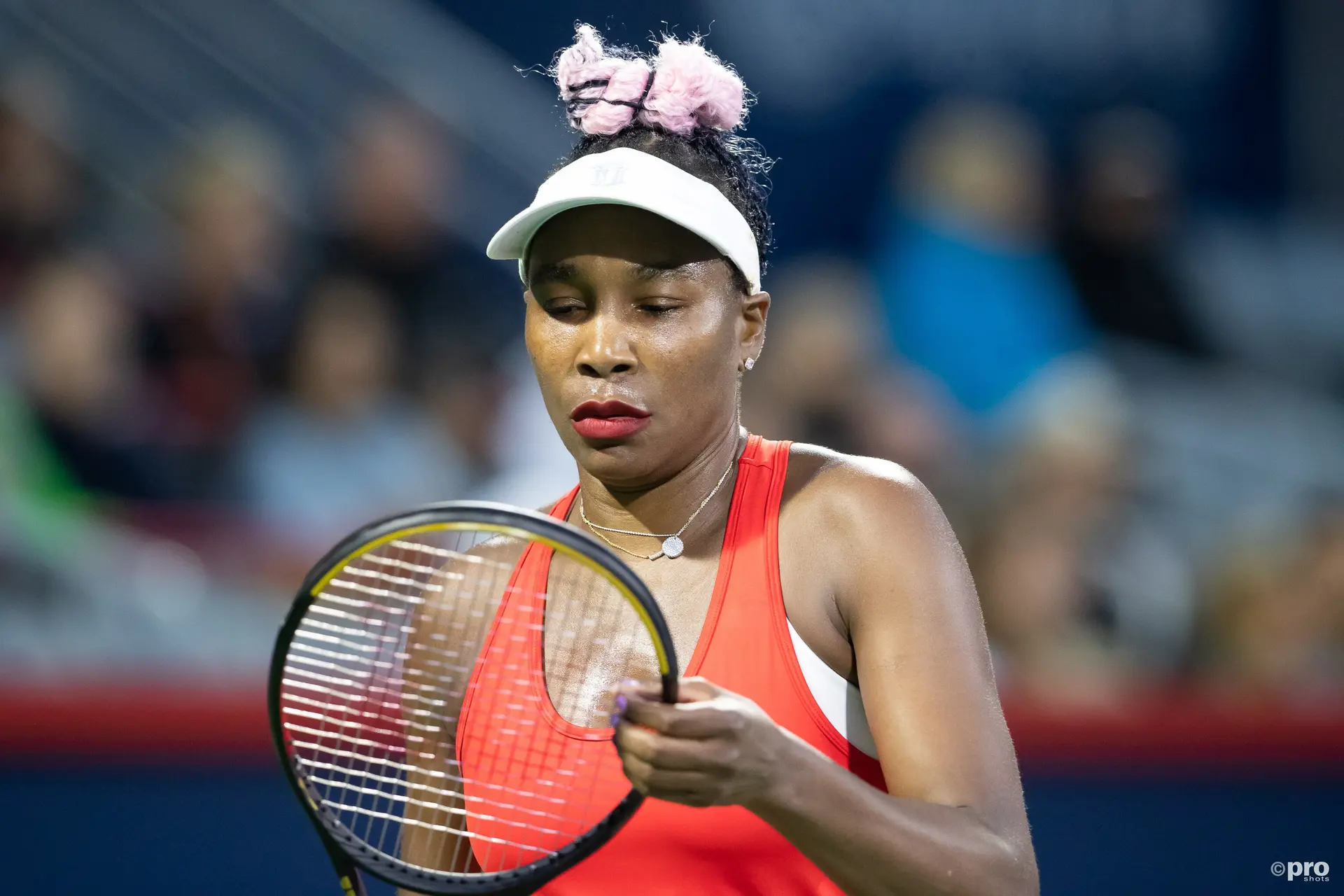
Katie Boulter def. Taylor Townsend 6-4, 6-2
Boulter advanced into the second round with a straight-sets win shaped by first-serve efficiency and controlled baseline positioning. The opening set remained tight, with both players holding consistently—Townsend landing 72% of first serves and Boulter even higher at 89%—before Boulter secured the decisive late break to take the set.
The second set shifted immediately as Boulter broke early and extended to a double-break lead. She increased tempo behind her serve and shortened exchanges, limiting Townsend’s ability to use variation or approach the net effectively.
The available data highlights Boulter’s advantage on serve, particularly her first-serve percentage in key moments, which allowed her to protect service games while converting when chances came. She progresses into the next round with a clear serve-led structure that dictated both sets.

Parks executes first-strike tennis to beat Cocciaretto
Alycia Parks def. Elisabetta Cocciaretto 6-3, 6-2
Parks moved into the second round with a straight-sets win built on first-strike patterns and efficient use of her serve. The opening set remained competitive until 5-3, when Parks secured the break before closing it out, maintaining control through short points and early aggression.
The second set followed a similar pattern, with Parks taking control earlier and extending her lead as Cocciaretto struggled to generate consistent return pressure. The rallies remained limited in length, favouring Parks’ approach.
From the match flow, Parks’ edge came through her ability to win points quickly behind serve and convert the key break opportunities that defined each set. Cocciaretto was unable to create sustained pressure on return, allowing Parks to maintain scoreboard control throughout.
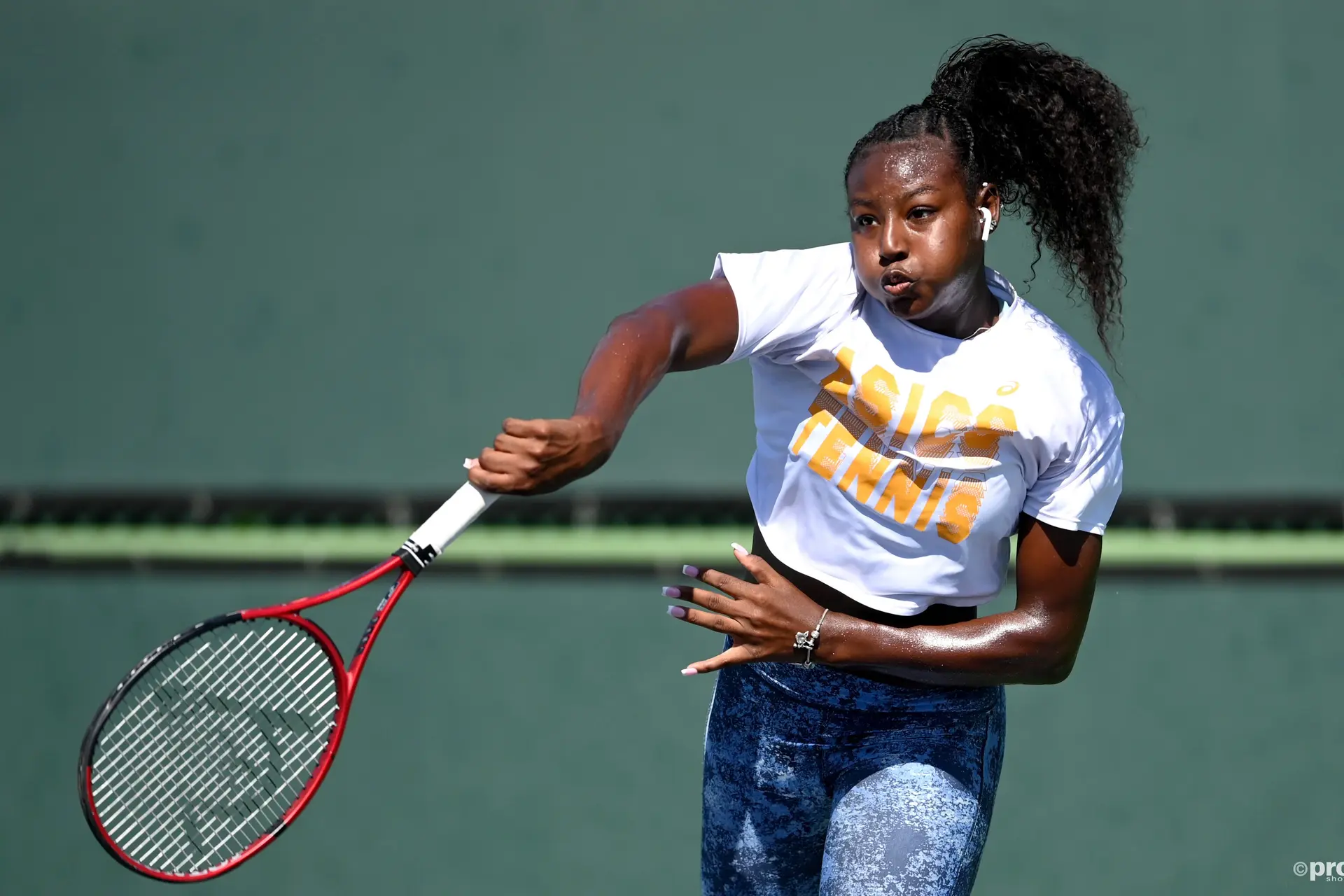
Zhang maintains control to eliminate Lys
Zhang Shuai def. Eva Lys 6-4, 6-3
Zhang progressed into the second round with a straight-sets win built on efficiency in key moments rather than sustained dominance. The opening set remained close, with limited separation between the players, but Lys missed two break-point opportunities at 4-5 that would have levelled the set. Zhang held firm and immediately closed it out, taking advantage of that momentum swing.
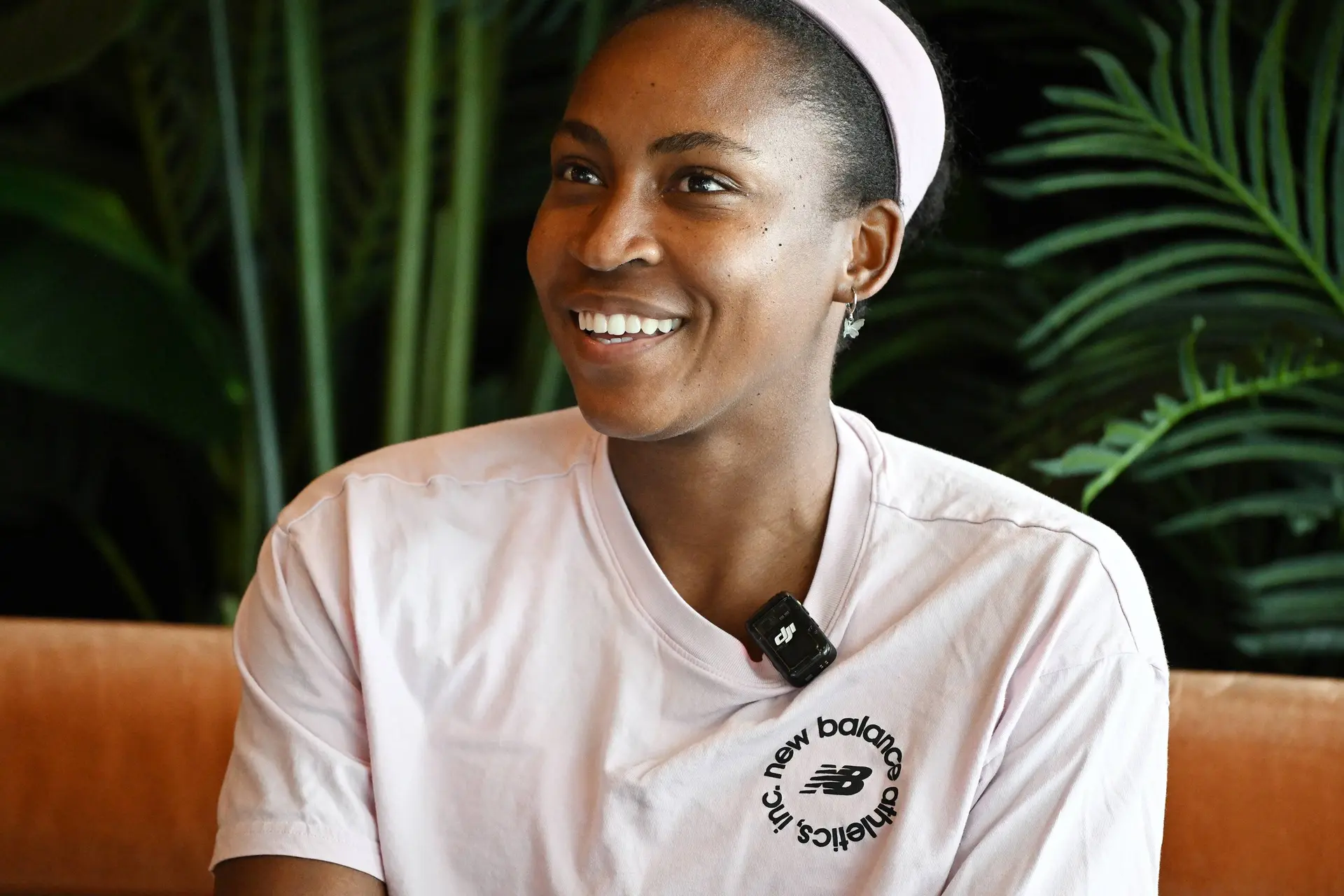
The second set followed a similar pattern, with Zhang creating pressure through consistency rather than pace. She secured an early lead and maintained it by extending rallies just enough to draw errors, while Lys struggled to convert chances when they appeared.
The available match context highlights the difference in break-point execution: Zhang converted her opportunities while saving the key moments against her. Lys’ inability to take chances—particularly late in the first set—proved decisive, allowing Zhang to control the scoreboard without needing to dominate statistically.


Lucas MichaelTennis Journalist
Lucas Michael is a tennis journalist based in Cambridge, UK, specializing in comprehensive coverage of the ATP and WTA tours. For the past 1.5 years, he has been a core contributor to TennisUpToDate, where he has authored more than 3,000 data-driven match reports, deep-dive analysis pieces, and engaging liveblogs.
Lucas pairs real-time statistical analysis with on-the-ground reporting, frequently traveling to tournaments to cover the action firsthand from the press box and player press conferences. This blend of advanced metrics and direct access allows him to provide sharp context regarding player form, tactical trends, and breaking tour developments.
He holds a BA (Hons) in Sports Journalism. Grounded in core journalistic ethics, Lucas places a strict emphasis on meticulous sourcing, editorial accuracy, and a commitment to updating live content swiftly as verified information emerges.
claps 0visitors 0
Just In


Popular News


Latest Comments
- Does Sinner need that 4.5 mil? I doubt it. He can make that with three modelling gigs!😅🤣Rapunzel21-10-2026
- Did "People Magazine" purchase this website? This nonstop storyline is bullshit.
 mandoist21-10-2026
 - Listen... this is of no concern to anyone but these two. Deal with your own issues -- most of us have our own. Thanks, media, for these insignificant follow-ups which are meaningless.mandoist21-10-2026
- This is so very very sad, for all three of them. I truly thought they had an unbreakable bond, but life throws up so many differing challenges. Having your homeland suffering in such a terrible way, makes happiness lose out to guilt as well. Our thoughts are with them. X💔bjsexton20-10-2026
- I have lost all respect for Svitolina! Could she not have waited until he had played at the Paris Masters!!! She is selfish and don't give a damn about Gael. That is NOT how love is demonstrated Elina!!Rapunzel19-10-2026
- Perhaps convenient tennis tour sex is not a strong enough experience in which to base a marriage?mandoist19-10-2026
- Fight the Good Fight... Tennis (sports in general) need more Humans such as yourself.mandoist18-10-2026
- When is WTA going to mandate Genetic Testing (DNA) ???mandoist18-10-2026
- Hey, Dan... you just wake up from a coma? Regardless -- Thanks for the comedy this morning!mandoist18-10-2026
- Two Things: 1. Stop allowing these Spoiled Trust-Fund Elitists to behave badly. Your little hand-slaps do not deter them. 2. STOP the incessantly annoying "towel wiping" nonsense!!!!mandoist15-10-2026

Loading