“There is no better training than a match”: Jannik Sinner coach explains Madrid decision after Monte Carlo title
ATP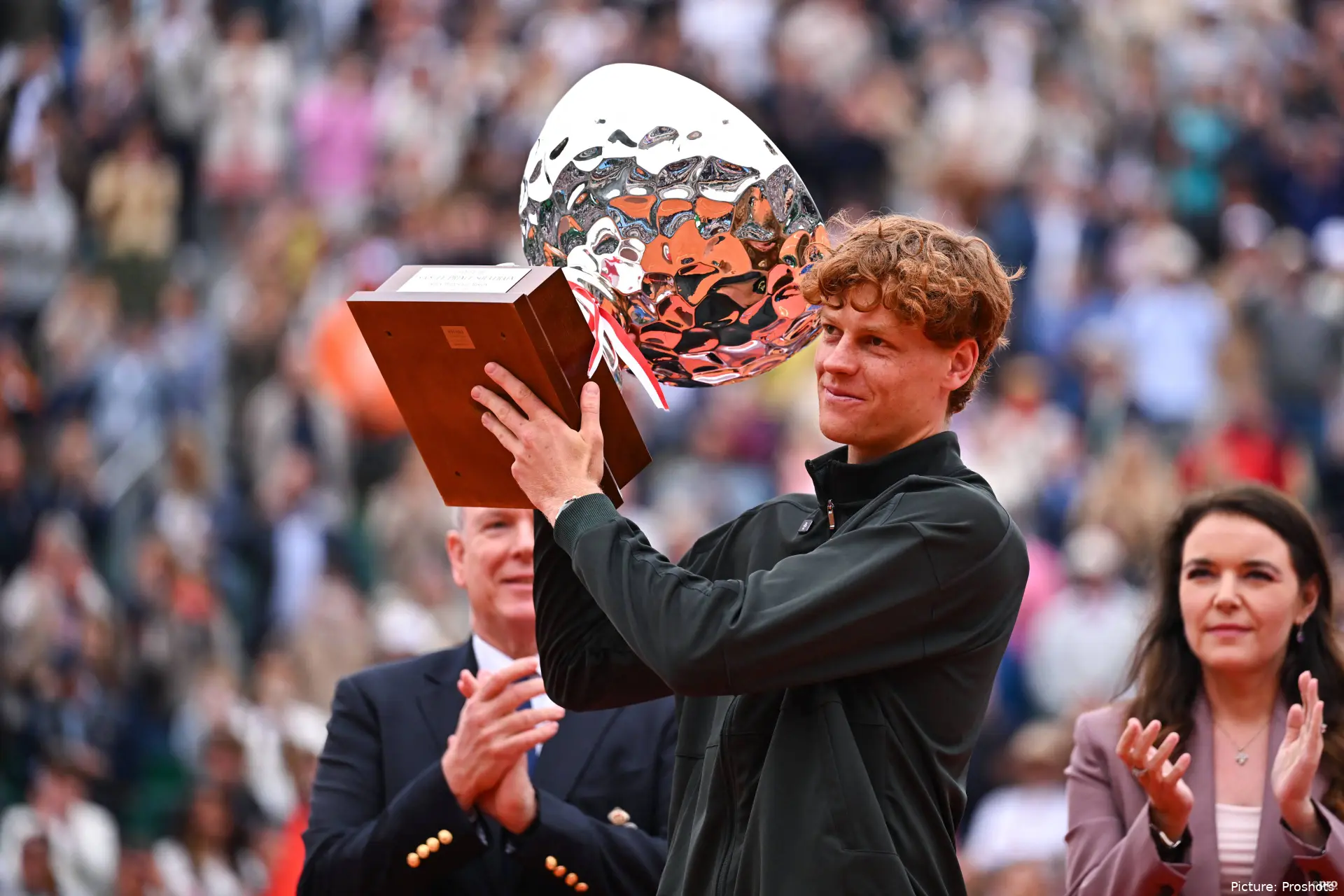
World No. 1 Jannik Sinner will compete at the Madrid Open following his Monte Carlo Masters title, with his coach Simone Vagnozzi confirming the decision was made to maintain match rhythm during the clay swing.
Sinner arrives in Madrid after defeating Carlos Alcaraz 7-6(5), 6-3 in the Monte Carlo final, securing his first Masters 1000 title on clay. The victory also marked his return to No. 1 after three months without playing, adding immediate weight to his schedule across consecutive tournaments.
The Italian was not initially expected to play in Madrid, with Rome positioned as the next natural step. Instead, the current sequence—Monte Carlo, Madrid, Rome—reflects a continuous competitive approach during a condensed stretch leading into Roland Garros.
His 2026 season has already included titles in Indian Wells and Miami, making Monte Carlo his third Masters 1000 crown of the year. Madrid now functions as a bridge between that breakthrough on clay and the final stage of preparation before the French Open.
Madrid decision and match rhythm
Vagnozzi outlined that the decision to enter Madrid was primarily driven by timing, with the gap between Monte Carlo and Rome considered too long to remain without competition.
“We had a lot of time to train in Indian Wells and we are prepared. Jannik kept improving more and more during Monte Carlo," Vagnozzi stated in an interview with La Gazzetta dello Sport. "If we hadn’t come to Madrid, too much time would have passed between that tournament and Rome. It’s fine, so there’s nothing to worry about.”

Sinner’s schedule places emphasis on match play within a sequence of Masters events, particularly following a period earlier in the season without competitive matches. The approach prioritises continuity over isolated training blocks.
“There is no better training than a match. When a player wins and plays well, they use less energy," the Italian coach added. "You can train very well for three months, but if you arrive at the first match without rhythm, you spend more energy than someone who has confidence. You need to find the balance, be flexible and adapt. We will see when the tournament ends here and plan our training accordingly. We made this decision because we believe it is the best for the entire clay-court season.”
No. 1 return, Monte Carlo and rivalry context
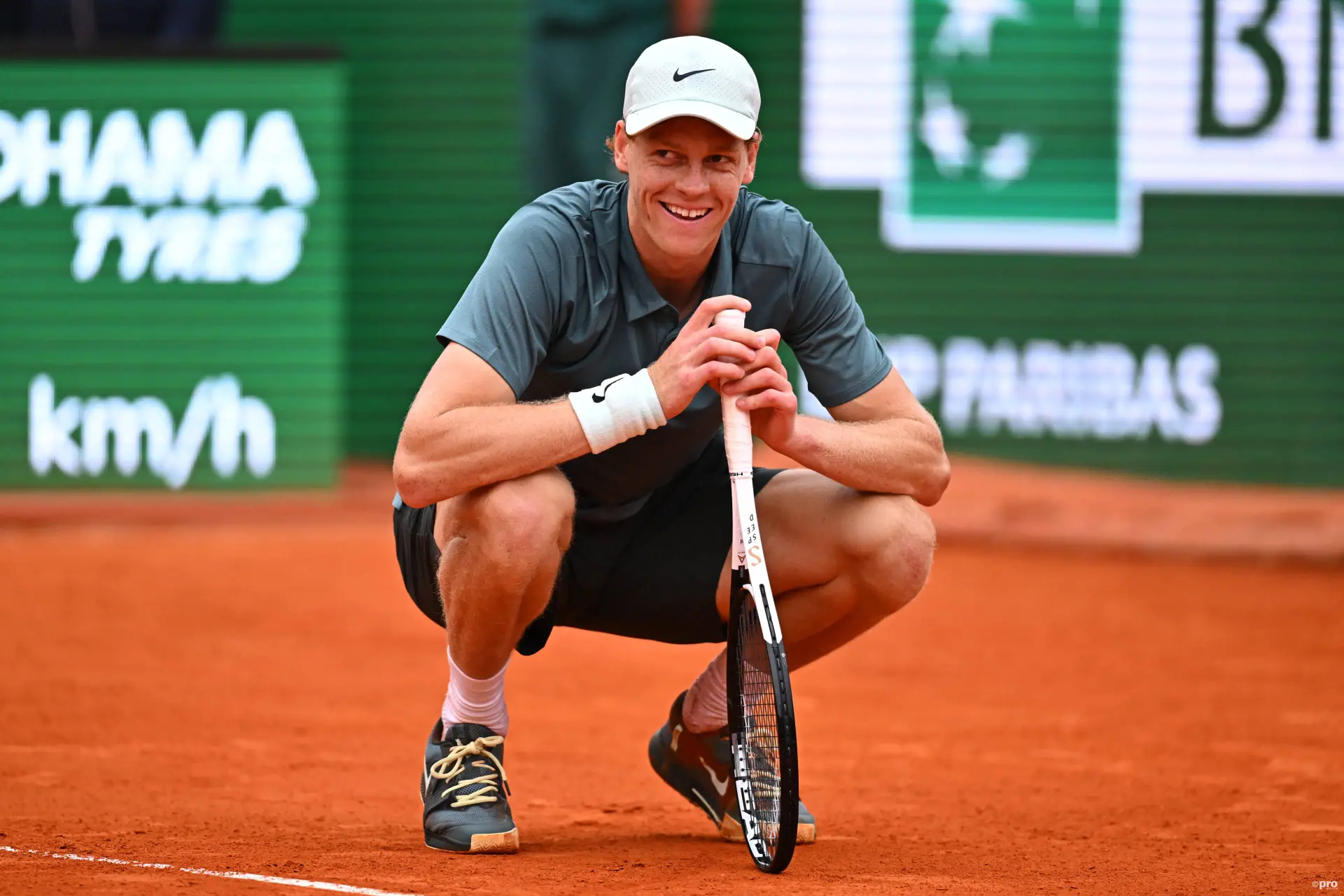
Monte Carlo represented a breakthrough result on clay for Sinner after several deep runs in previous seasons without securing the title. The final against Alcaraz added context within the ongoing rivalry at the top of the ATP Tour. “It was the result of many small things: it was his first big tournament on clay, he had some bad luck over the years, he had always played well but had never managed to win it. Then the final with Carlos, the battle for number one.”
The result also marked his return to the top ranking, reinforcing his position in the race for the year-end No. 1. The victory came after a three-month absence from competition, making the immediate transition into Madrid part of a continuous competitive cycle.
“Of course, what matters is the end of the year, but returning to number one after three months without playing was huge. And then the celebration from the Italian fans, who were almost all there. All of this made it a very emotional moment for everyone.”
The rivalry with Alcaraz remains central to the current ATP landscape, alongside players such as Novak Djokovic and Daniil Medvedev, with repeated meetings across Masters 1000 and Grand Slam events shaping the competitive balance.
“Carlos definitely puts you under pressure and pushes you to improve. You go on court and understand what you need to work on. It also happened with Medvedev, with Djokovic. Great champions always force you to find solutions.”
Long-term development and team structure
Sinner’s progression since 2022 has been built around a defined coaching structure, with Vagnozzi working alongside Darren Cahill. Responsibilities within the team remain clearly separated across technical and mental preparation. “There is no magic wand. You need a long-term vision," he added. "You have to think about what kind of player you want in two or three years and work to achieve that."
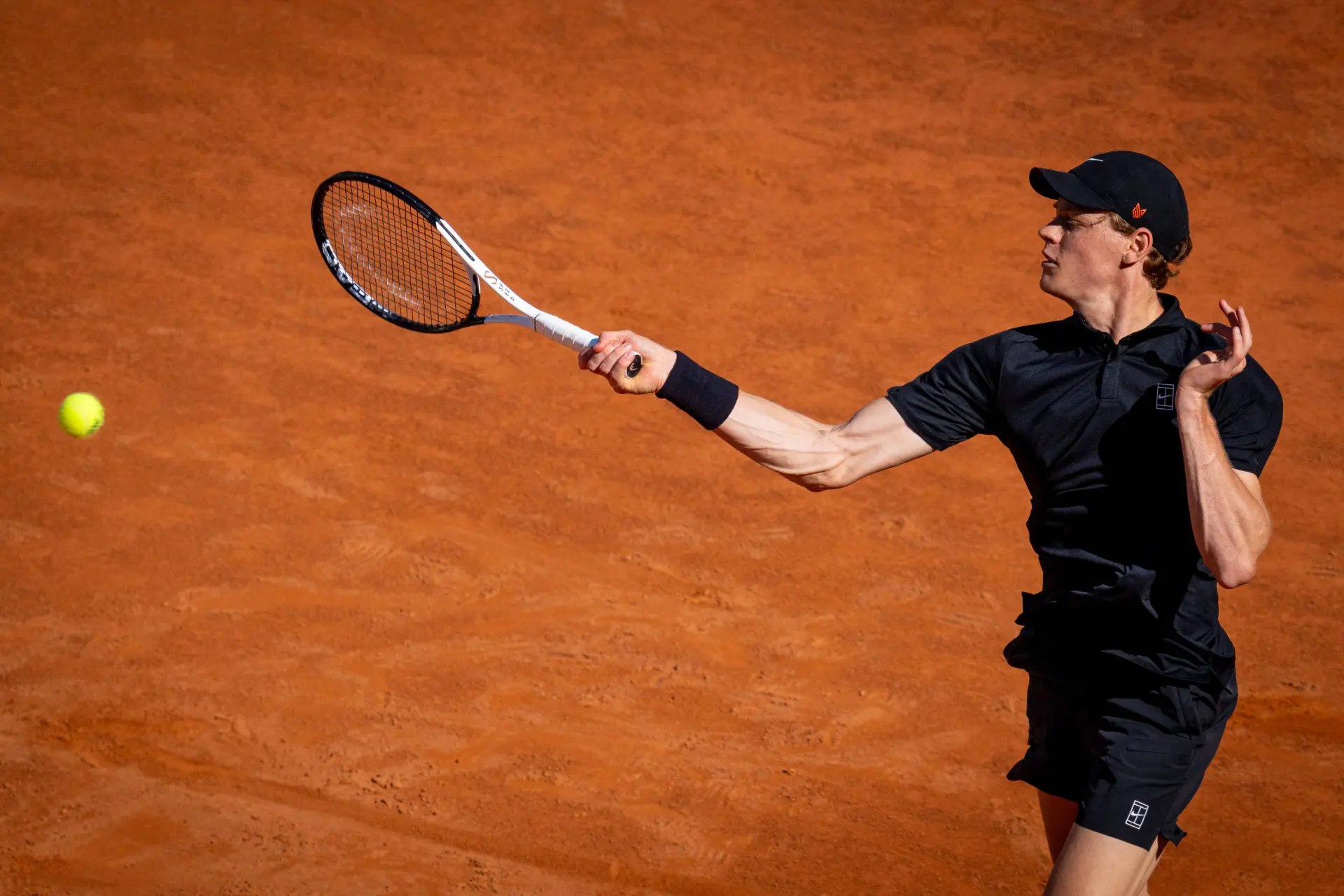
"We took risks from the start, changing many things. It was a risk, it could have gone wrong. Instead, with patience, hard work and consistency, we got here. But Sinner is still a developing player; he has not yet reached his full potential.”
Earlier-season defeats, including Melbourne and Doha, formed part of the campaign prior to the clay swing. The current sequence of events, beginning in Monte Carlo and continuing through Madrid and Rome, defines the next phase of his season.
“It’s part of the game. When we started, people asked whether he could win again, then whether he would become number one. Now everything seems normal and predictable. But defeat is part of the game.”

Cristhián AvilaTennis Journalist
Cristhián Ávila is a tennis journalist based in Santiago, Chile, and has been part of the TennisUpToDate team since early 2023. He covers the ATP and WTA Tours as well as all four Grand Slams, producing breaking news, match reports, analysis, and regular liveblogs from major tournaments.
His reporting combines statistical analysis with clear explanation, helping readers understand tactical developments, player form, and broader storylines across the tour. Working fluently in both Spanish and English, Cristhián collaborates with an international editorial team and contributes to comprehensive global coverage. As part of his work, he has conducted interviews and media interactions with leading figures in the sport, including Caroline Wozniacki and John McEnroe.
In his journalism, Cristhián places strong emphasis on careful sourcing, editorial accuracy, and updating articles promptly when new, verified information becomes available. His coverage is grounded in research, context, and direct engagement with professional tennis.
claps 0visitors 0
Just In

Popular News
Latest Comments
- Does Sinner need that 4.5 mil? I doubt it. He can make that with three modelling gigs!😅🤣Rapunzel21-10-2026
- Did "People Magazine" purchase this website? This nonstop storyline is bullshit.
 mandoist21-10-2026
 - Listen... this is of no concern to anyone but these two. Deal with your own issues -- most of us have our own. Thanks, media, for these insignificant follow-ups which are meaningless.mandoist21-10-2026
- This is so very very sad, for all three of them. I truly thought they had an unbreakable bond, but life throws up so many differing challenges. Having your homeland suffering in such a terrible way, makes happiness lose out to guilt as well. Our thoughts are with them. X💔bjsexton20-10-2026
- I have lost all respect for Svitolina! Could she not have waited until he had played at the Paris Masters!!! She is selfish and don't give a damn about Gael. That is NOT how love is demonstrated Elina!!Rapunzel19-10-2026
- Perhaps convenient tennis tour sex is not a strong enough experience in which to base a marriage?mandoist19-10-2026
- Fight the Good Fight... Tennis (sports in general) need more Humans such as yourself.mandoist18-10-2026
- When is WTA going to mandate Genetic Testing (DNA) ???mandoist18-10-2026
- Hey, Dan... you just wake up from a coma? Regardless -- Thanks for the comedy this morning!mandoist18-10-2026
- Two Things: 1. Stop allowing these Spoiled Trust-Fund Elitists to behave badly. Your little hand-slaps do not deter them. 2. STOP the incessantly annoying "towel wiping" nonsense!!!!mandoist15-10-2026

Loading