Barcelona Open Day Two Round-Up: Carlos Alcaraz asserts dominance as Arthur Fils saves match points in comeback
ATP
First-round action at the Barcelona Open continued with Carlos Alcaraz leading the schedule on home soil, while several top seeds navigated early tests to secure progression. The Barcelona Open first round produced a mix of controlled performances and early disruptions, with Andrey Rublev and Alex de Minaur advancing, while Karen Khachanov became one of the first seeded casualties.
The results carry early implications for the draw, particularly with Alcaraz positioned as the central figure in the top half. De Minaur continues solid form following recent ATP 500 consistency, while Rublev steadies after an uneven start to the clay swing. Meanwhile, Khachanov’s exit further opens a section already lacking stability in early 2026 results.
Alcaraz manages fluctuations to advance on home soil
Carlos Alcaraz def. Otto Virtanen 6-4, 6-2
Carlos Alcaraz progressed into the second round of the Barcelona Open with a 6-4, 6-2 win over Otto Virtanen, though the opening set required adjustment. The Spaniard faced early pressure on serve, including a triple break point at 2-1, and struggled to find consistent depth from the baseline, allowing Virtanen to stay level through controlled rally patterns.
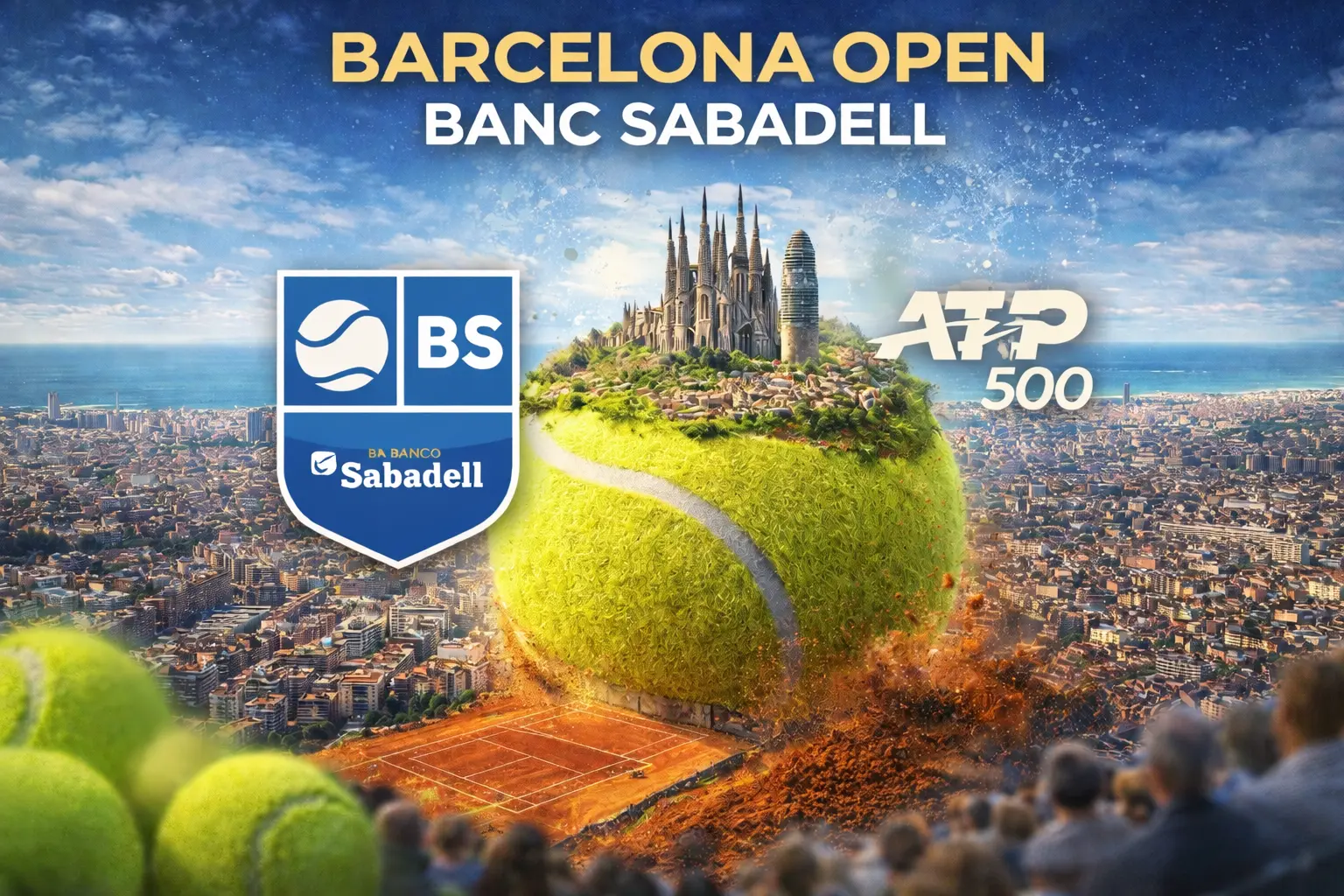
The turning point came at 4-4 in the first set. Virtanen failed to close from 40-15, and Alcaraz responded by stepping further inside the court, extending rallies and forcing errors to secure the decisive break. From that moment, he shifted the match dynamic, winning eight of the final ten games and taking early control of the second set with a quick break.
Alcaraz finished the match winning over 70% of first-serve points and saving multiple break opportunities, while consistently targeting Virtanen’s second serve, which dropped below 50% effectiveness. He also received brief medical attention on his right forearm during the first set, without impacting his level late on.
He advances to face Tomáš Macháč, who defeated Sebastián Báez in three sets. The matchup presents a contrast in tempo, with Macháč likely to test Alcaraz through early ball striking and backhand redirection.
De Minaur edges tight baseline contest
Alex de Minaur def. Sebastian Ofner 7-6, 6-4
Alex de Minaur secured progression with a straight-sets win over Sebastian Ofner, but the match hinged on fine margins, particularly in the opening set. Both players held serve consistently, with neither creating sustained return pressure, leading to a tightly contested tiebreak.
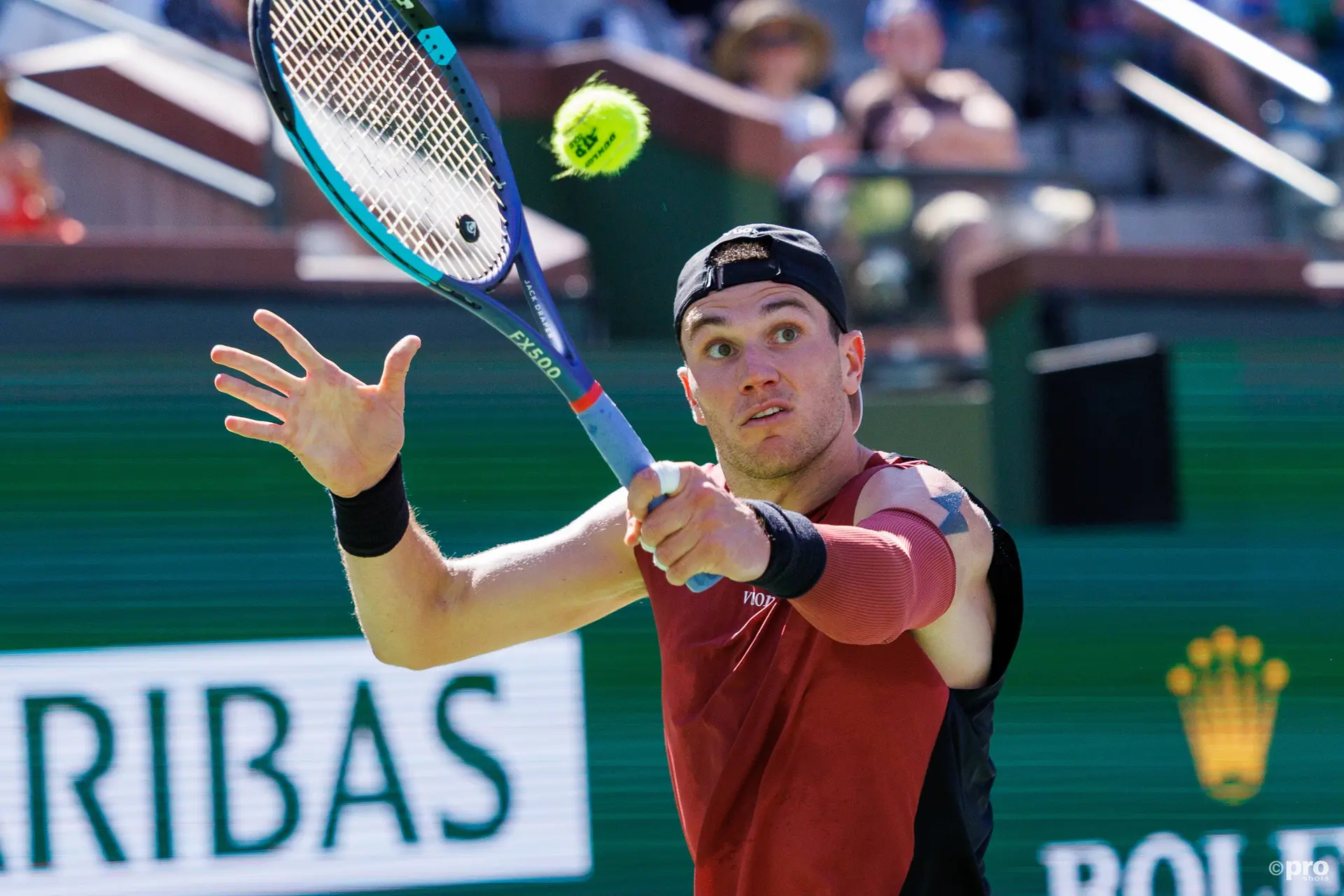
The turning point came in the tiebreak, where Ofner failed to convert multiple set points, including one affected by a double fault. De Minaur capitalised on shorter exchanges and improved first-strike patterns, carrying that momentum into the second set with an early break.
De Minaur won 75% of first-serve points and saved both break points faced late in the match. Ofner created opportunities but converted none, which ultimately defined the outcome. De Minaur advances into the second round with a stable performance profile, reinforcing his consistency on clay at ATP 500 level.
Rublev imposes first-strike patterns to close efficiently
Andrey Rublev def. Mariano Navone 6-3, 7-5
Andrey Rublev moved through in straight sets against Mariano Navone, relying on aggressive first-strike tennis to shorten points. The opening set followed a predictable pattern, with Rublev generating pressure through forehand dominance and securing a single decisive break.
Navone adjusted in the second set, extending rallies and improving baseline consistency, which limited Rublev’s early control. However, the Russian responded by increasing first-serve percentage and targeting quicker point construction, preventing Navone from dictating tempo.
Rublev won over 72% of first-serve points and converted two of four break opportunities, while Navone struggled on second serve, winning under 45% of those points. The late break at 5-5 proved decisive, sending Rublev into the next round with a more controlled performance than in recent events.
Macháč overturns slow start against Báez
Tomáš Macháč def. Sebastián Báez 2-6, 6-4, 6-1
Tomáš Macháč recovered from a one-sided opening set to defeat Sebastián Báez, shifting the match through improved serving and more aggressive court positioning. Báez initially dominated with heavy topspin and high first-serve efficiency, controlling baseline exchanges.
The adjustment came in the second set, where Macháč increased first-serve accuracy and began stepping inside the baseline to redirect rallies earlier. This reduced Báez’s ability to dictate with forehand patterns and forced shorter exchanges.
Macháč raised his first-serve points won from 50% in the first set to above 70% across the final two sets, while Báez’s level dropped significantly on second serve. The Czech broke four times across the last two sets, progressing into a potential second-round clash with Alcaraz.
Ugo Carabelli capitalises on Khachanov inconsistency
Camilo Ugo Carabelli def. Karen Khachanov 6-3, 6-4
Camilo Ugo Carabelli recorded one of the key upsets of the Barcelona Open first round, defeating Karen Khachanov in straight sets. The Argentine established early control, breaking in the opening games and maintaining consistent depth from the baseline.
Khachanov struggled to impose his usual power-based patterns, particularly on second serve, where Ugo Carabelli applied consistent return pressure. The Russian failed to generate sustained momentum, with unforced errors disrupting his service games at key moments.
Ugo Carabelli won over 55% of return points on Khachanov’s second serve and converted three breaks across the match. Khachanov, by contrast, created minimal break opportunities. The result reshapes this section of the draw, with Ugo Carabelli entering the second round with strong clay momentum.
Nakashima controls tempo to advance in straight sets
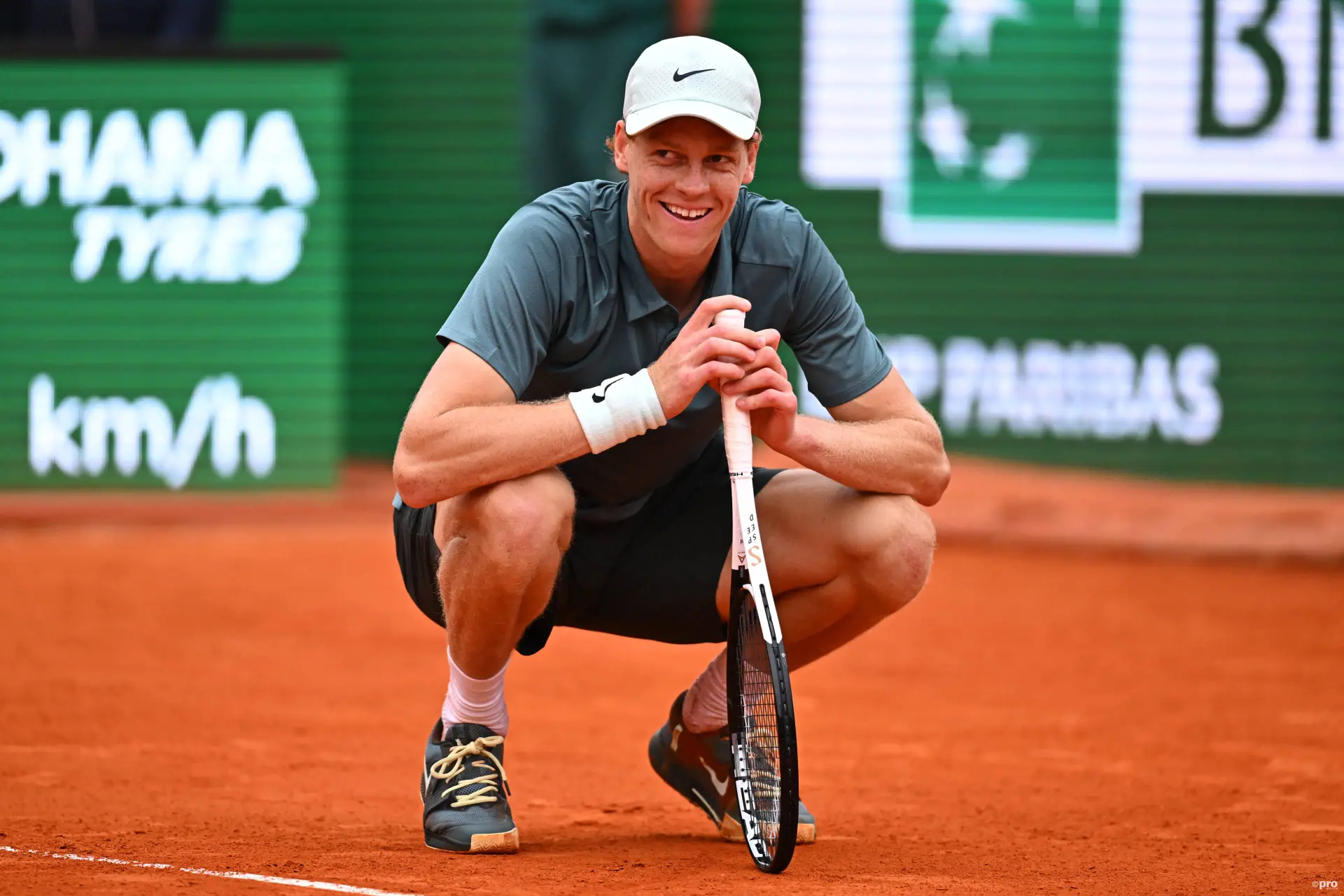
Brandon Nakashima def. Juan Manuel Cerúndolo 6-3, 7-5
Brandon Nakashima advanced with a composed performance, controlling tempo against Juan Manuel Cerúndolo. The American secured an early break in the first set and maintained consistent service games to limit return pressure.
Cerúndolo increased resistance in the second set, improving rally tolerance and extending exchanges, but Nakashima responded by tightening serve patterns and reducing second-serve vulnerability. The key moment came at 5-5, where Nakashima capitalised on a short service game to break.
Nakashima won nearly 70% of first-serve points and saved three of four break points faced, while Cerúndolo struggled to maintain second-serve consistency. The American moves into the next round with a stable performance built on controlled baseline execution.
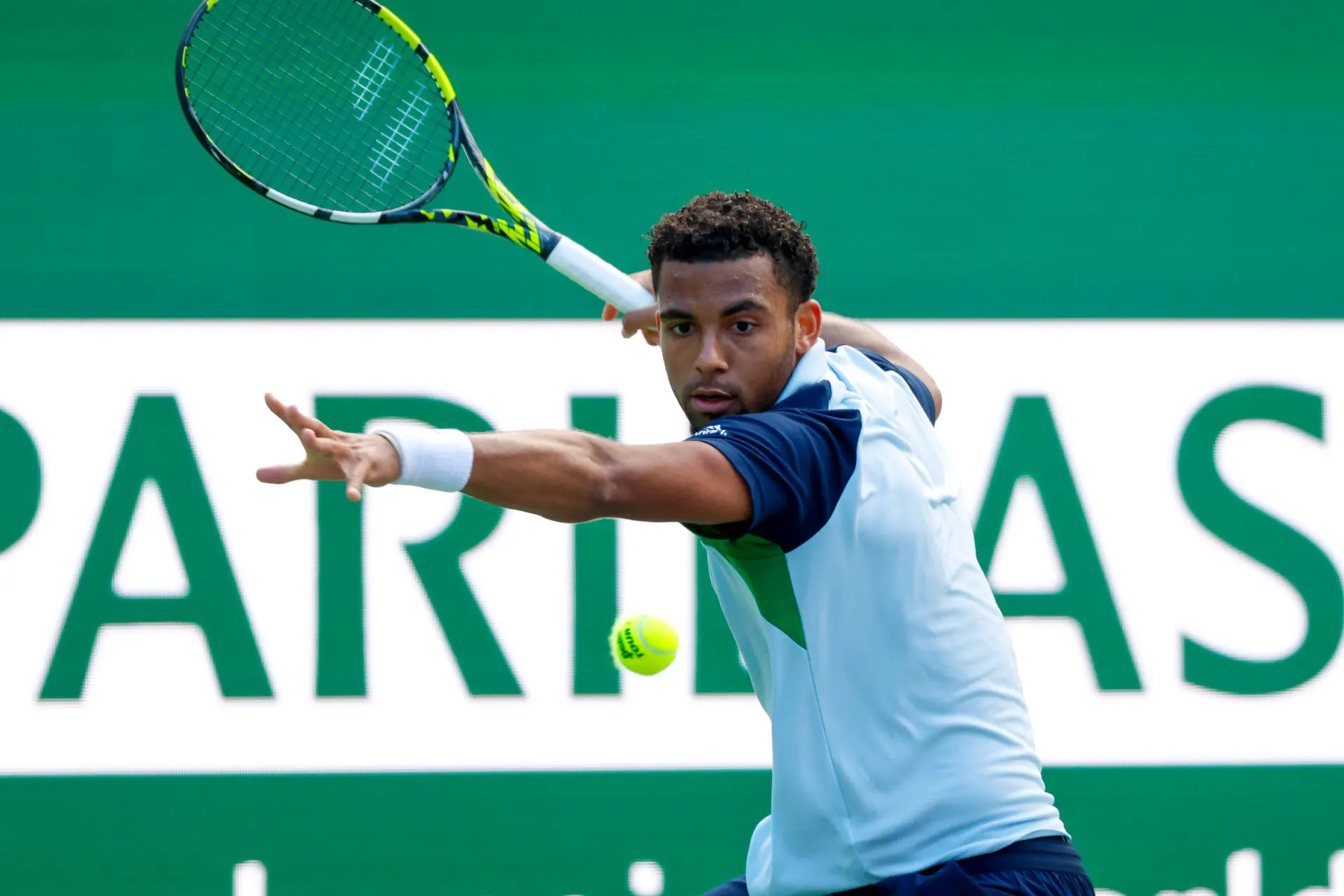
Fils saves match points to seal comeback win
Arthur Fils def. Terence Atmane 4-6, 6-4, 7-6
Arthur Fils advanced to the second round of the Barcelona Open after a three-set win over Terence Atmane, recovering from a set down in a match defined by narrow margins and late-stage resilience. Atmane controlled the opening set with a late break, capitalising on slightly lower first-serve effectiveness from Fils and maintaining stable baseline patterns to close 6-4.
The dynamic shifted in the second set as Fils improved his service consistency and began applying more pressure on return. After both players exchanged solid holds early, Fils secured a late break at 5-4 to force a decider, having raised his first-serve level and reduced unforced errors in longer exchanges.
The third set remained on serve until the closing stages. Atmane struck first with the initial break, but Fils responded immediately, restoring parity and maintaining scoreboard pressure. The match moved into a tiebreak, where Fils twice lost a mini-break advantage and faced two match points on Atmane’s serve. He recovered by increasing first-serve accuracy in key moments and extending rallies, forcing errors under pressure.
Fils finished the match with stronger second-serve performance in the final phase and converted his opportunity in the tiebreak to close the comeback. He advances into the second round, adding a high-resistance win that reinforces his ability to manage tight match situations on clay.
Lucas MichaelTennis Journalist
Lucas Michael is a tennis journalist based in Cambridge, UK, specializing in comprehensive coverage of the ATP and WTA tours. For the past 1.5 years, he has been a core contributor to TennisUpToDate, where he has authored more than 3,000 data-driven match reports, deep-dive analysis pieces, and engaging liveblogs.
Lucas pairs real-time statistical analysis with on-the-ground reporting, frequently traveling to tournaments to cover the action firsthand from the press box and player press conferences. This blend of advanced metrics and direct access allows him to provide sharp context regarding player form, tactical trends, and breaking tour developments.
He holds a BA (Hons) in Sports Journalism. Grounded in core journalistic ethics, Lucas places a strict emphasis on meticulous sourcing, editorial accuracy, and a commitment to updating live content swiftly as verified information emerges.
claps 0visitors 0
Just In

Popular News


Latest Comments
- Does Sinner need that 4.5 mil? I doubt it. He can make that with three modelling gigs!😅🤣Rapunzel21-10-2026
- Did "People Magazine" purchase this website? This nonstop storyline is bullshit.
 mandoist21-10-2026
 - Listen... this is of no concern to anyone but these two. Deal with your own issues -- most of us have our own. Thanks, media, for these insignificant follow-ups which are meaningless.mandoist21-10-2026
- This is so very very sad, for all three of them. I truly thought they had an unbreakable bond, but life throws up so many differing challenges. Having your homeland suffering in such a terrible way, makes happiness lose out to guilt as well. Our thoughts are with them. X💔bjsexton20-10-2026
- I have lost all respect for Svitolina! Could she not have waited until he had played at the Paris Masters!!! She is selfish and don't give a damn about Gael. That is NOT how love is demonstrated Elina!!Rapunzel19-10-2026
- Perhaps convenient tennis tour sex is not a strong enough experience in which to base a marriage?mandoist19-10-2026
- Fight the Good Fight... Tennis (sports in general) need more Humans such as yourself.mandoist18-10-2026
- When is WTA going to mandate Genetic Testing (DNA) ???mandoist18-10-2026
- Hey, Dan... you just wake up from a coma? Regardless -- Thanks for the comedy this morning!mandoist18-10-2026
- Two Things: 1. Stop allowing these Spoiled Trust-Fund Elitists to behave badly. Your little hand-slaps do not deter them. 2. STOP the incessantly annoying "towel wiping" nonsense!!!!mandoist15-10-2026

Loading