COLUMN - Nick Kyrgios used cocaine and got one month, Marketa Vondrousova refused a drug test and got four years, make it make sense
ATP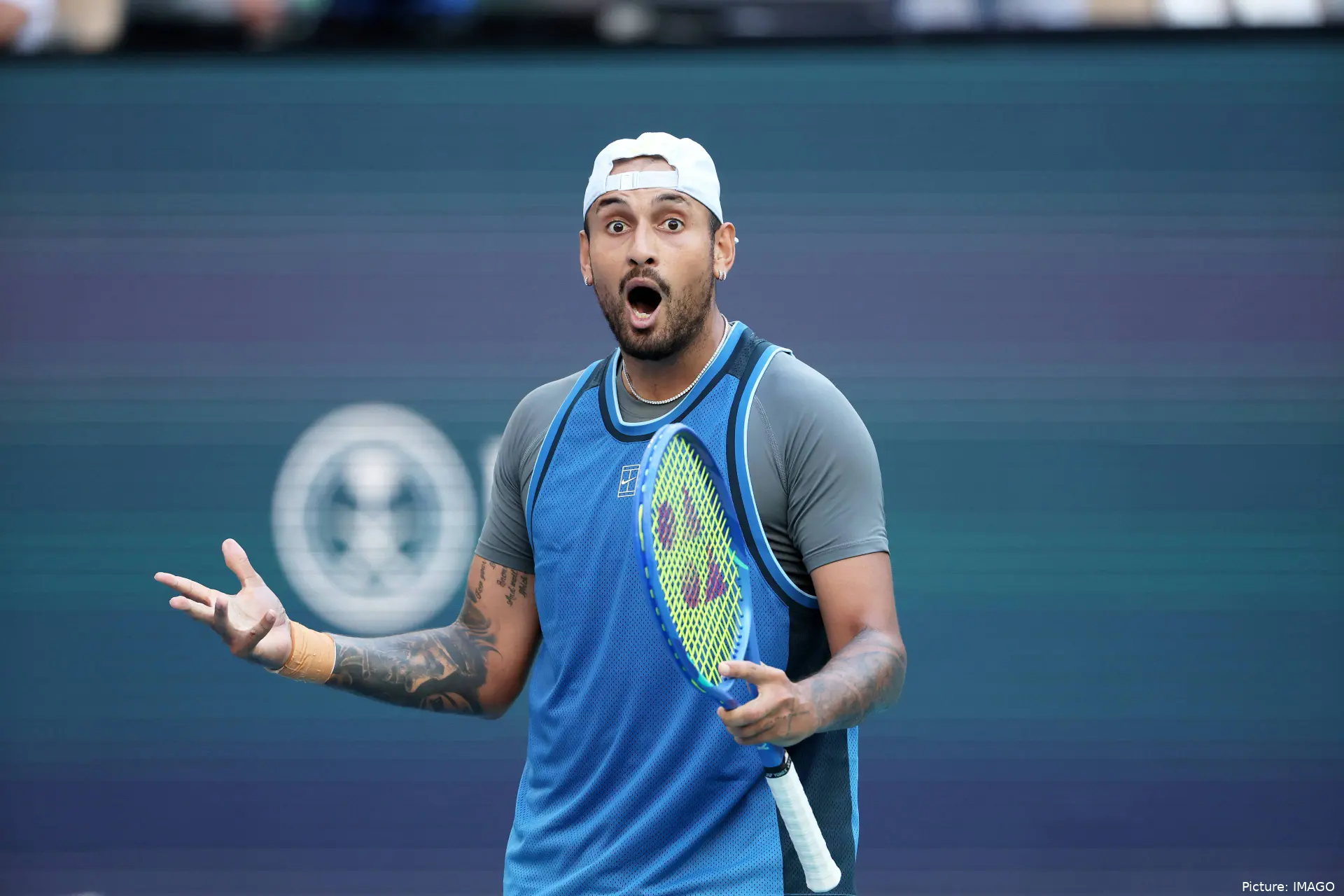
I love tennis, which is probably well-established given how many columns I’ve written here. I care about the players, the tournaments and the future of the sport. And because I love tennis, I am increasingly struggling with a question that I mean entirely seriously.
Why is professional tennis so morally rudderless? Consider what happened this week.
Nick Kyrgios tested positive for cocaine at an ATP event in Mallorca in June. He admitted using cocaine socially on a night out before he was due to play. The International Tennis Integrity Agency consulted an independent scientific expert, accepted that the amount detected was consistent with out-of-competition use, and applied the relevant World Anti-Doping Agency rules.
The normal three-month suspension was reduced to one month because Kyrgios entered an approved treatment program.
And here is the best part. He has already served it. Kyrgios was provisionally suspended on August 4. His suspension ended September 3. The announcement of his one-month punishment therefore arrived essentially alongside its expiration.
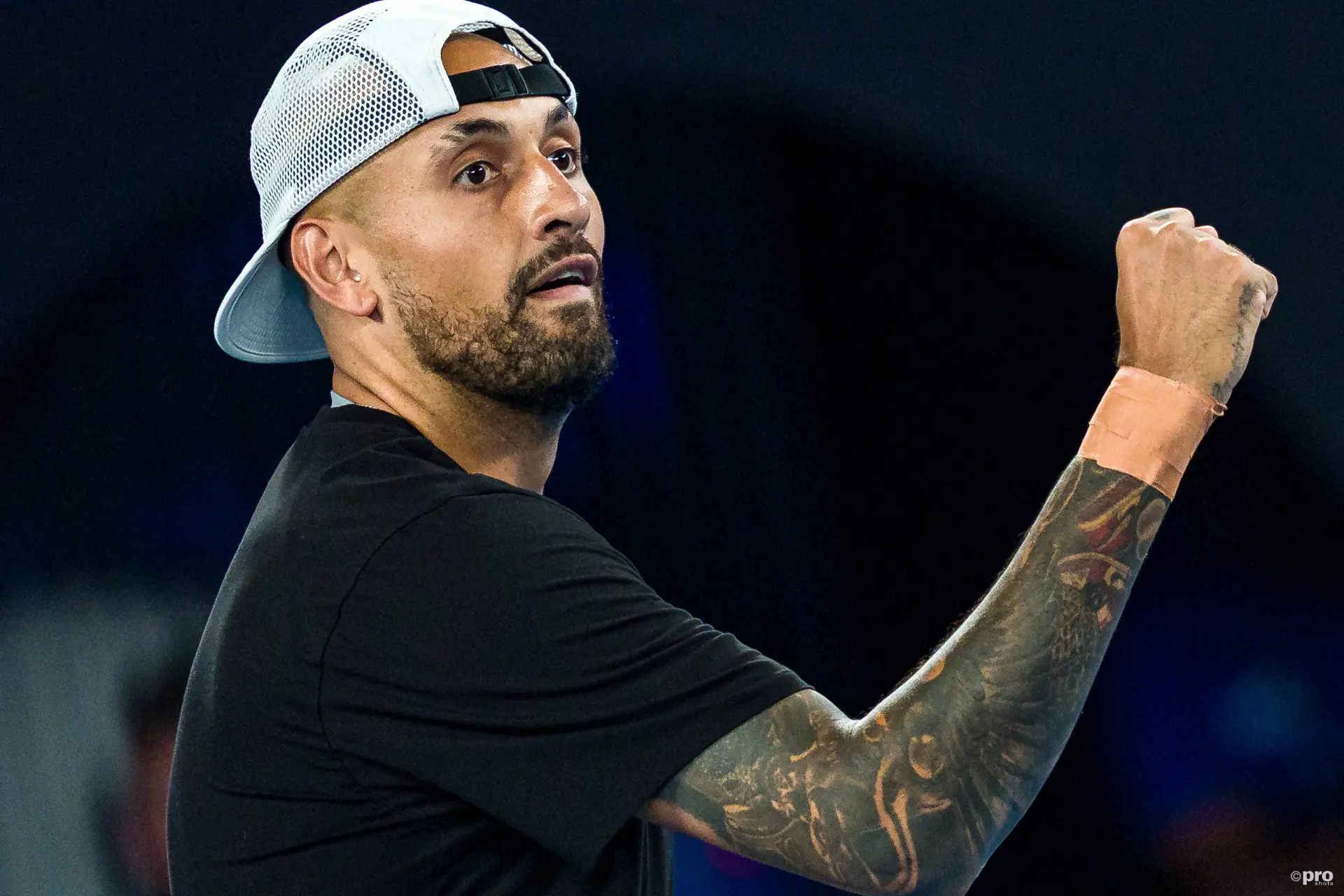
Now consider Marketa Vondrousova. The 2023 Wimbledon champion was banned for four years after refusing to submit to an out-of-competition drug test at her home last December.
She did not test positive for cocaine. She did not test positive for a performance-enhancing drug. She did not test positive for anything.
She refused the test. An independent tribunal found that she had no compelling justification for doing so, and under anti-doping rules, refusing a test carries the same starting sanction as testing positive. There is a perfectly understandable reason for that rule: if refusing a test carried a much lighter punishment, an athlete who knew she was going to fail could simply refuse to provide a sample.
The picture becomes absurd
I understand the logic. I also understand the logic behind Kyrgios’ punishment. Cocaine is prohibited in competition. The scientific evidence supported his explanation that he used it outside competition. The rules specifically provide for a reduced sanction in those circumstances and a further reduction for entering treatment.
So there you have it. One player used cocaine: one month.
Another refused to be tested: four years. Both decisions can be explained. Now make them make sense. Because this is increasingly the problem with professional tennis. Almost every controversy can be defended in isolation. There is always a rule, a regulation, a contractual distinction, a jurisdictional explanation or a commercial justification.
Stand far enough back, though, and the picture becomes absurd. This week, Jessica Pegula raised another example.
Pegula spoke openly about the increasingly uncomfortable relationship between tennis and gambling. Players, she noted, receive enormous amounts of abuse from bettors on social media. Anyone who follows professional tennis has seen it. A player double-faults at the wrong moment and suddenly strangers who lost a parlay are in her Instagram comments telling her what they hope happens to her and her family.

Jessica Pegula spoke openly about gambling and the relationship with sport.
Yet gambling money is becoming increasingly visible around the sport itself. As Pegula put it, players can face restrictions involving betting sponsorships while tournaments benefit from those same relationships.
Think about that arrangement for a moment. The sport tells players that gambling presents such an integrity risk that their relationships with betting companies must be tightly controlled.
The sport also tells gambling companies: your logo would look terrific behind the baseline. Then came another remarkable episode.
A glitzy pre-U.S. Open event hosted by nightlife impresario Dave Grutman was attended by some of the biggest names in tennis. The event was reportedly held on behalf of DraftKings, one of America’s gambling giants.
The ITIA is now reportedly looking into the event because players’ participation in betting-related promotional activities can raise issues under tennis’ anti-corruption rules. Reports suggest players who were not compensated may receive private warnings, while compensation could potentially create more serious problems. Again, behold the logic of modern tennis.
Gambling companies can pour money into the ecosystem. Tournaments can embrace gambling partnerships.
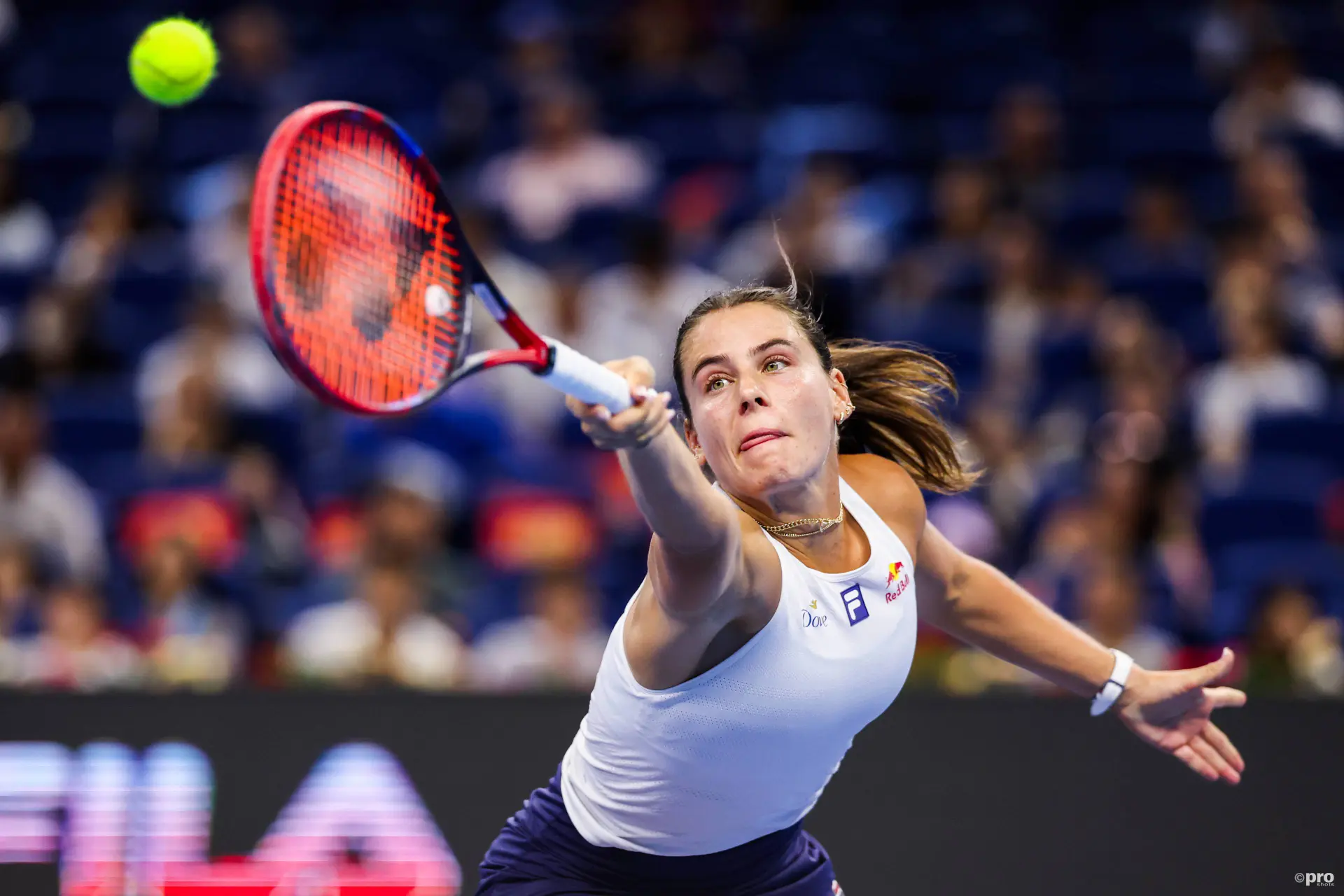
Fans can be encouraged to bet. Players can be subjected to abuse from people losing those bets. But players themselves need to be warned about getting too close to the gambling companies helping finance the whole spectacle.
At what point are we allowed to ask whether the problem is bigger than the rules? Tennis has spent years constructing an enormous integrity apparatus. Anti-doping rules. Anti-corruption rules. Betting rules. Sponsorship rules. Testing protocols. Disclosure requirements. Investigations. Tribunals. Appeals.
What it seems to lack is something considerably simpler: A moral compass.
That does not mean Kyrgios should have been banned for four years. I don’t think he should have been. If his cocaine use was genuinely recreational and outside competition, treatment makes considerably more sense to me than destroying four years of someone’s career. Nor does it mean athletes should be free to refuse drug tests. They obviously cannot. An anti-doping system in which players can simply decline testing would cease to be an anti-doping system rather quickly.
And maybe the Vondrousova tribunal reached exactly the result the rules required. That is precisely my point. The problem is no longer whether tennis can explain each decision.
The problem is what all these decisions look like together. A sport obsessed with policing individual athletes has become remarkably comfortable compromising itself institutionally.
It demands impeccable integrity from players while becoming financially entangled with an industry whose customers routinely torment those same players. It worries about whether a tennis player appeared at a party associated with a betting company while major tennis events themselves increasingly welcome betting-related money.
It can impose a four-year punishment on someone who refused to provide a sample and announce a one-month punishment for someone who actually consumed cocaine on essentially the same day that punishment ends. There may be a technically correct explanation for every one of those things.
There usually is. But morality is not the same thing as compliance. Integrity is not simply the successful application of a rulebook.
And if your system repeatedly produces outcomes that require several paragraphs of regulatory explanation before an ordinary person can understand why they are remotely coherent, perhaps the problem is not the ordinary person.
Perhaps the system has become so consumed by its rules that it has stopped asking what those rules are supposed to accomplish. Professional tennis does not need another integrity policy.
It needs to decide what it actually believes. What does it believe about drugs? What does it believe about gambling? What does it believe about player welfare? What does it believe about the responsibilities of tournaments and governing bodies themselves?
And most importantly, are the people who make money from tennis expected to live according to the same principles imposed upon the people who play it? I don’t know the answer. That isn’t rhetorical. I genuinely don’t. But I love this sport enough to think somebody running it should.

Aron SolomonGuest Author
A Pulitzer Prize-nominated journalist for his groundbreaking op-ed in The Independent exposing the NFL’s “race-norming” policies, Aron Solomon, JD, is a globally recognized thought leader in law, media, and strategy.
As Chief Strategy Officer for AMPLIFY, he leverages his deep expertise to shape the future of legal marketing. Aron has taught entrepreneurship at McGill University and the University of Pennsylvania and was honored as a Fastcase 50 recipient, recognizing him among the world’s top legal innovators. A prolific commentator on law, business, and culture, his insights regularly appear in Newsweek, The Hill, Crunchbase News, and Literary Hub.
He has also been featured in The New York Times, Fast Company, Fortune, Forbes, CBS News, CNBC, USA Today, ESPN, TechCrunch, BuzzFeed, Venture Beat and countless other leading global media outlets. We are proud to have Aron on board at TennisUpToDate, where his deep tennis expertise enriches the site with sharp, original columns that connect the sport to wider cultural debates.
claps 5visitors 3
Just In

Popular News

Latest Comments
- A healthy Qinwen may be hard to stop next season. She was already scaring her opponents before her medical leave(s). Unfortunately, Zheng insisted on singing again. On the positive side -- Mirra did not sing!! ;~}
 mandoist11-10-2026
 - Where is it written that athletes, entertainers... People in general... are mandated to keep looking at -- or even using [anti]Social Media? Public & private figures consistently complain and reveal their concerns about negativity and violence thrown at them -- yet they insist on participating. Avoid it, don't use it, don't read it. It's okay to occasionally look up at the World instead beating your eyes & thumbs to death on The Inventions out there.mandoist11-10-2026
- great articlestennisseserver07-10-2026
- Medvedev was leading Djokovic 7-5, 3-5 when an attempted return..' NO you ignorants, Djokovic was leading .weiss05-10-2026
- No more bullshit "Wildcards" to these two. Qualify like everyone else -- there will be cameras there, too. Time to scream... WTF ????!!!!mandoist29-09-2026
- Let's not BS the general public -- Sabalenka started showing cracks in her game last season. Her losses and near-losses started at about the same time she began being distracted by Fame (constant Selfies, making TV commercials, magazine shoots, endless Social Media nonsense, etc., etc.) One would think even Saba could recognize the parallels with others who failed before her -- Raducanu, Giorgi, Bouchard to name a few.mandoist25-09-2026
- Gross!! Hey Raducanu, Giorgi, and Bouchard -- reserve a seat at your Social Media Selfie table for Saba + Naomi. They're heading in your direction soon enough.mandoist24-09-2026
- And then these same players will complain about how lengthy their season’s were and need more time-off. I’m all for more tennis but the amount of tennis we get now is actually kind of crazy! We all need a break, especially the players.DaveyWavey23-09-2026
- You should do a comparison article for "different kinds of justice" the courts decide for tennis players. I can think of at least three players who received very small bans of a few months, however Tara Moore has been fighting for her literal survival the past few years. It seems odd considering she is not a "name" player, unlike the other cases.DaveyWavey22-09-2026
- PRIZE MONEY & POINTS Winner - $185,500 Finalist - $114,500 Semi-Finalist - $66,003 Quarter-Finalist - $35,000 Round of 16 - $18,045 Round of 32 - $13,005 Winner - 500 Finalist - 325 Semi-Finalist - 195 Quarter-Finalist - 108 Round of 16 - 60 Round of 32 - 1DaveyWavey20-09-2026

Loading