“Friendships with other players are not really deep”: Dominic Thiem opens up on tennis loneliness
ATP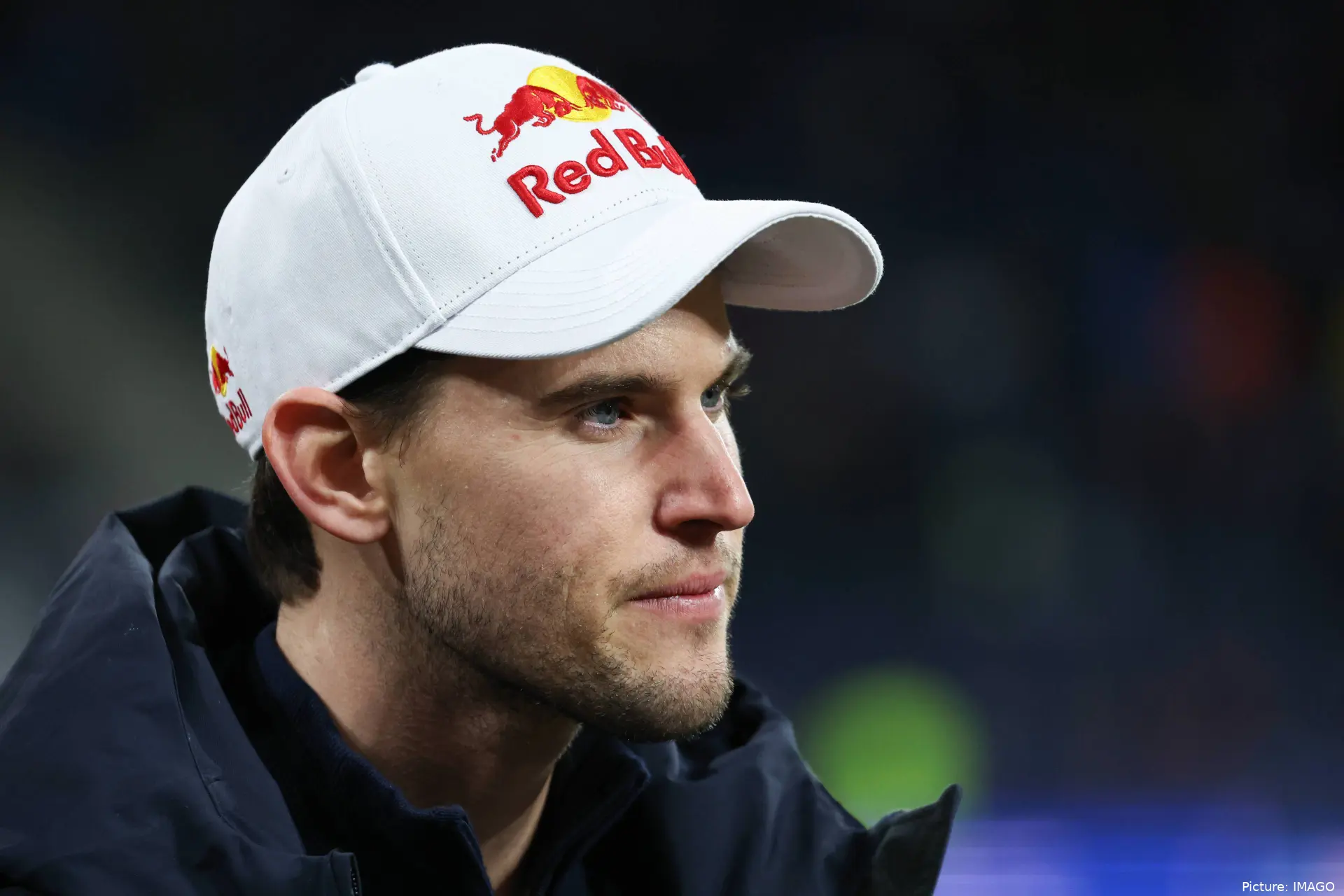
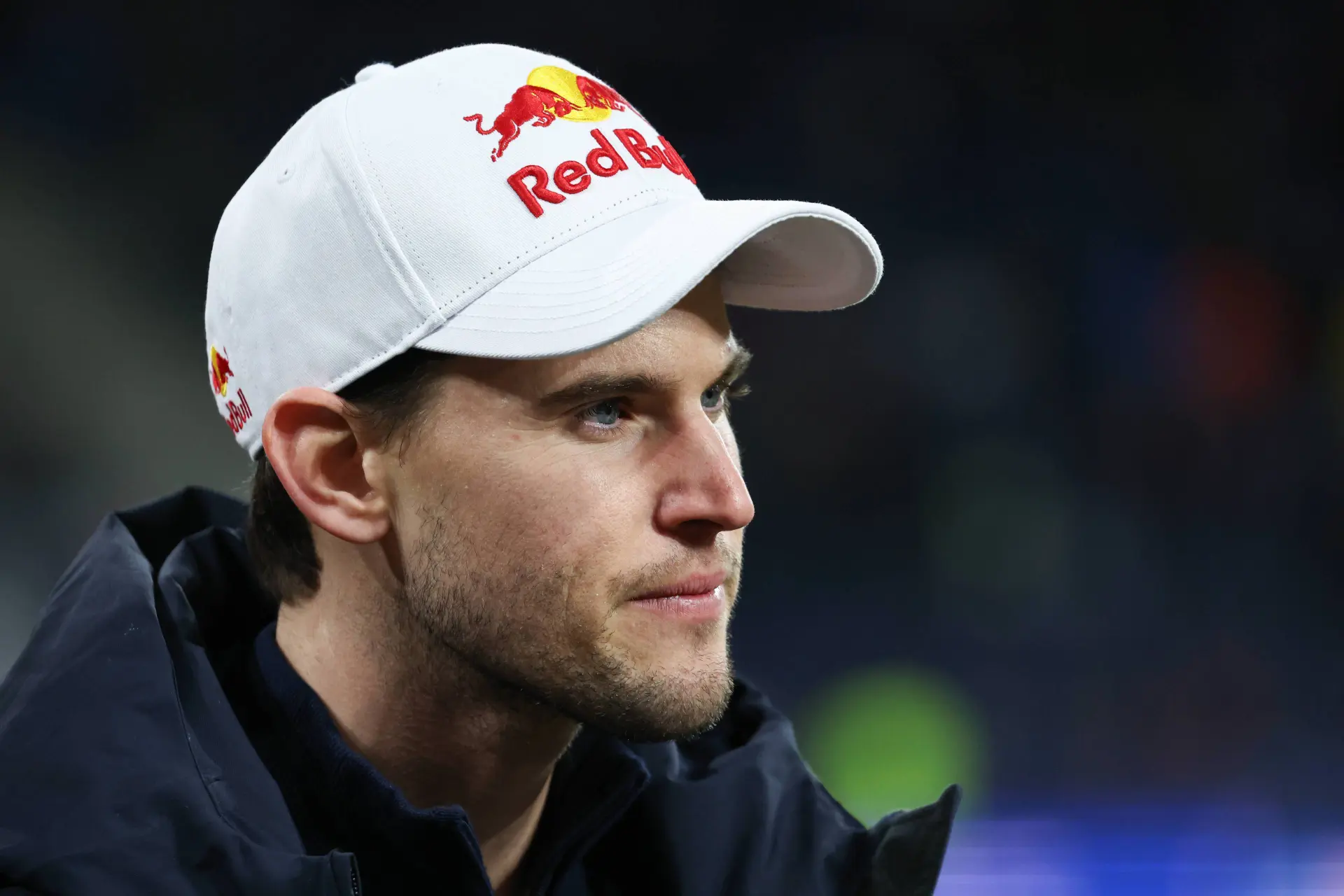
Dominic Thiem has lived the dream of many aspiring athletes: travelling the world, winning titles, and even lifting a Grand Slam trophy. The former tennis player—retired since 2024—reached four Grand Slam finals, won 17 titles (including the 2020 US Open by defeating Alexander Zverev), and achieved his best ranking as world No. 3. He earned more than $30 million in prize money, positioning himself for years as one of the players who challenged the dominance of the Big Three.
But when asked what really defines life on tour, he doesn’t begin with the highs. Instead, he reflects on the solitude. “Friendships with other players are not really deep,” Thiem said in 'Business of Sports' podcast. “In the locker room you don’t really talk about anything deep, just jokes and small talk. It’s different in football, where you see teammates every day. In tennis, you see somebody for one week and then not again for three weeks. Friendships are light.”
The Austrian described the exhausting cycle of spending nearly the whole year with the same small group of people. “You are together with your team up to 45 weeks a year. Sometimes you don’t even want to see your team anymore. That’s difficult, because you are really close to them, but at the same time it’s too much.” The constant travel, training, and competition mean that even moments of companionship can quickly become overwhelming.
The pressure made loneliness sharper. He recalled the 2020 Australian Open, where he reached the final but endured a physical and mental breakdown. “I was so stressed and sick that I didn’t have any appetite. I couldn’t eat anything, only some bread and olive oil. I lost weight during the tournament, which is not what you want in a Grand Slam. It was a very hard time.” Success on the court was matched by a private struggle few could see.
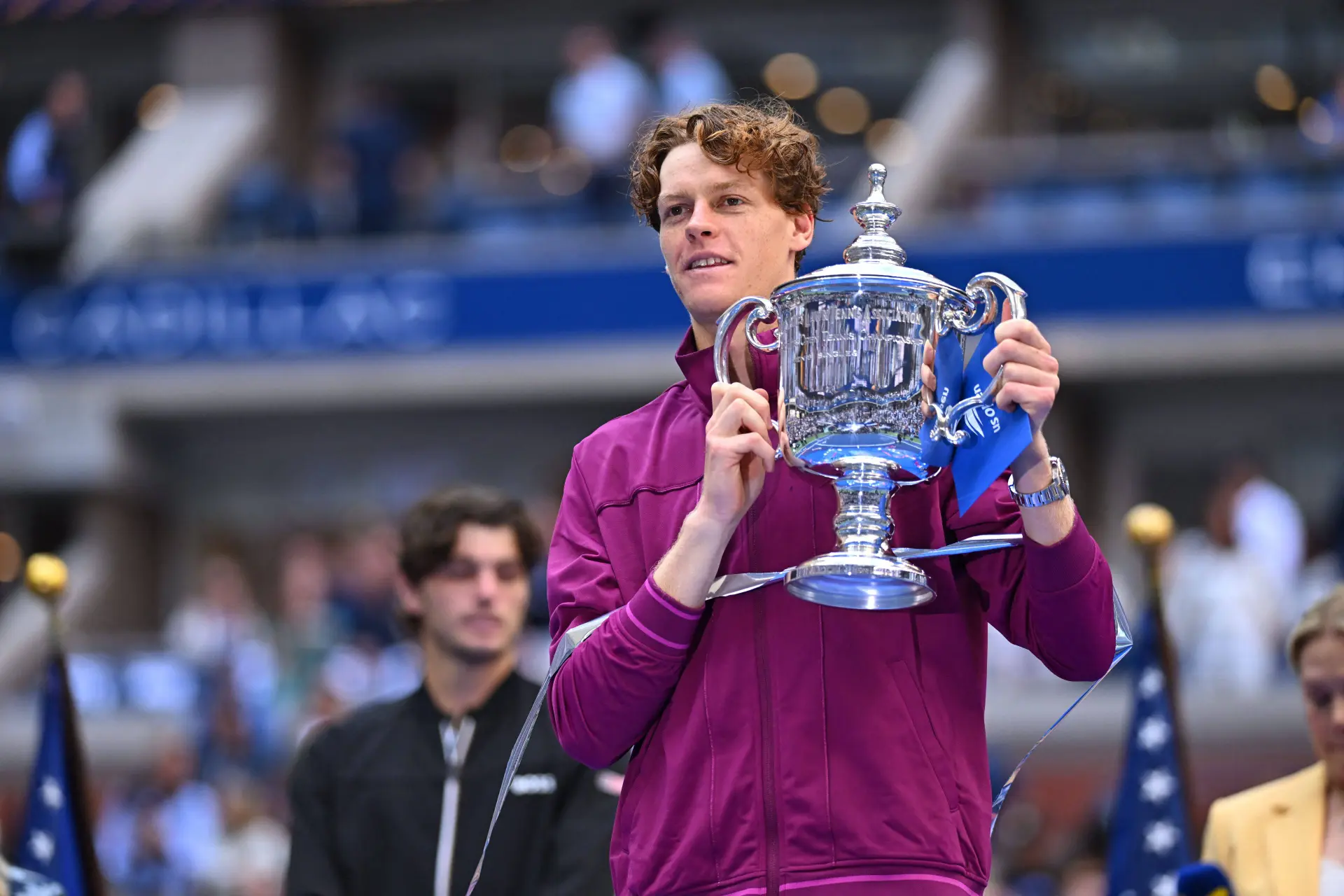
Perhaps most telling was how isolation shaped even his biggest achievement. When Thiem won the US Open in 2020, it was a victory history will remember — but the celebrations were muted by the pandemic. “COVID changed everything. Normally after a Grand Slam you do so many shows and interviews, maybe even late-night shows. But this time it was just Zoom calls and then quarantine. It felt very strange — I had just achieved the biggest goal of my career, but I was sitting alone in a hotel room. The happiness was there, but the emotions were missing.”
The harsh economics
Beyond loneliness, Thiem spoke about the financial realities that fans often underestimate. “When I played my first ATP main draw, I made like $4,000. I thought, wow, that’s a lot of money. But then you realise you have to pay tax, the coach, the physio, the flights, the hotels. The amounts were shocking. Sometimes I would think I had earned a lot, but in the end not much was left.”
Even at the sport’s biggest stages, deductions take a heavy toll. “At Wimbledon, when you lose in the first round, you make around £65,000. But then 60 percent of it is gone — taxes, the team, everything. Of course it’s still good money, but people don’t realise how much disappears.”
Contracts and pressure
Sponsorships, he explained, were both a lifeline and a source of pressure. “I had Adidas and Babolat for many years, and I was lucky because they supported me a lot. But it’s not just free money. If your ranking drops, your base fee goes down heavily. You have to perform to keep the contracts. When you are injured or not playing well, it becomes tough.”
Read also
Triumphs and Struggles
Thiem’s biggest triumph, the 2020 US Open, nearly slipped away. “In the final against Zverev, I was so nervous that I froze. I lost the first two sets easily, and I thought, maybe this is my last chance. Then I said to myself: you’re playing like shit, but at least try to play well for some games. That gave me freedom, and slowly I came back.”
Other experiences were more humbling. Facing Rafael Nadal at Roland Garros felt like an impossible task. “When you enter the court and they announce his 11 or 12 titles, you almost feel you’ve lost already. In 2019 I thought I had a real chance, but then he played an unbelievable match. It felt like there was nothing I could do.”
Retirement and Reflection
Looking back, Thiem also acknowledged the struggles of those outside the spotlight. “If you are the 150th or 200th player in the world, you are amazing at tennis, but you cannot make a proper living. That’s not right. If you are the 150th best football player, you are a millionaire. In tennis, too few players can actually live from it.”
Retirement brought perspective. “The days can get really long if you don’t have a goal anymore. I was lucky that I prepared early, that I found other obligations and projects. But I know for many players it’s really tough. I also regret not learning more about finances and life outside tennis earlier. I would advise the younger guys to think about that.”

Cristhián AvilaTennis Journalist
Cristhián Ávila is a tennis journalist based in Santiago, Chile, and has been part of the TennisUpToDate team since early 2023. He covers the ATP and WTA Tours as well as all four Grand Slams, producing breaking news, match reports, analysis, and regular liveblogs from major tournaments.
His reporting combines statistical analysis with clear explanation, helping readers understand tactical developments, player form, and broader storylines across the tour. Working fluently in both Spanish and English, Cristhián collaborates with an international editorial team and contributes to comprehensive global coverage. As part of his work, he has conducted interviews and media interactions with leading figures in the sport, including Caroline Wozniacki and John McEnroe.
In his journalism, Cristhián places strong emphasis on careful sourcing, editorial accuracy, and updating articles promptly when new, verified information becomes available. His coverage is grounded in research, context, and direct engagement with professional tennis.
claps 0visitors 0
Just In

Popular News
Latest Comments
- Two Things: 1. Stop allowing these Spoiled Trust-Fund Elitists to behave badly. Your little hand-slaps do not deter them. 2. STOP the incessantly annoying "towel wiping" nonsense!!!!
 mandoist15-10-2026
 - A healthy Qinwen may be hard to stop next season. She was already scaring her opponents before her medical leave(s). Unfortunately, Zheng insisted on singing again. On the positive side -- Mirra did not sing!! ;~}mandoist11-10-2026
- Where is it written that athletes, entertainers... People in general... are mandated to keep looking at -- or even using [anti]Social Media? Public & private figures consistently complain and reveal their concerns about negativity and violence thrown at them -- yet they insist on participating. Avoid it, don't use it, don't read it. It's okay to occasionally look up at the World instead beating your eyes & thumbs to death on The Inventions out there.mandoist11-10-2026
- great articlestennisseserver07-10-2026
- Medvedev was leading Djokovic 7-5, 3-5 when an attempted return..' NO you ignorants, Djokovic was leading .weiss05-10-2026
- No more bullshit "Wildcards" to these two. Qualify like everyone else -- there will be cameras there, too. Time to scream... WTF ????!!!!mandoist29-09-2026
- Let's not BS the general public -- Sabalenka started showing cracks in her game last season. Her losses and near-losses started at about the same time she began being distracted by Fame (constant Selfies, making TV commercials, magazine shoots, endless Social Media nonsense, etc., etc.) One would think even Saba could recognize the parallels with others who failed before her -- Raducanu, Giorgi, Bouchard to name a few.mandoist25-09-2026
- Gross!! Hey Raducanu, Giorgi, and Bouchard -- reserve a seat at your Social Media Selfie table for Saba + Naomi. They're heading in your direction soon enough.mandoist24-09-2026
- And then these same players will complain about how lengthy their season’s were and need more time-off. I’m all for more tennis but the amount of tennis we get now is actually kind of crazy! We all need a break, especially the players.DaveyWavey23-09-2026
- You should do a comparison article for "different kinds of justice" the courts decide for tennis players. I can think of at least three players who received very small bans of a few months, however Tara Moore has been fighting for her literal survival the past few years. It seems odd considering she is not a "name" player, unlike the other cases.DaveyWavey22-09-2026

Loading