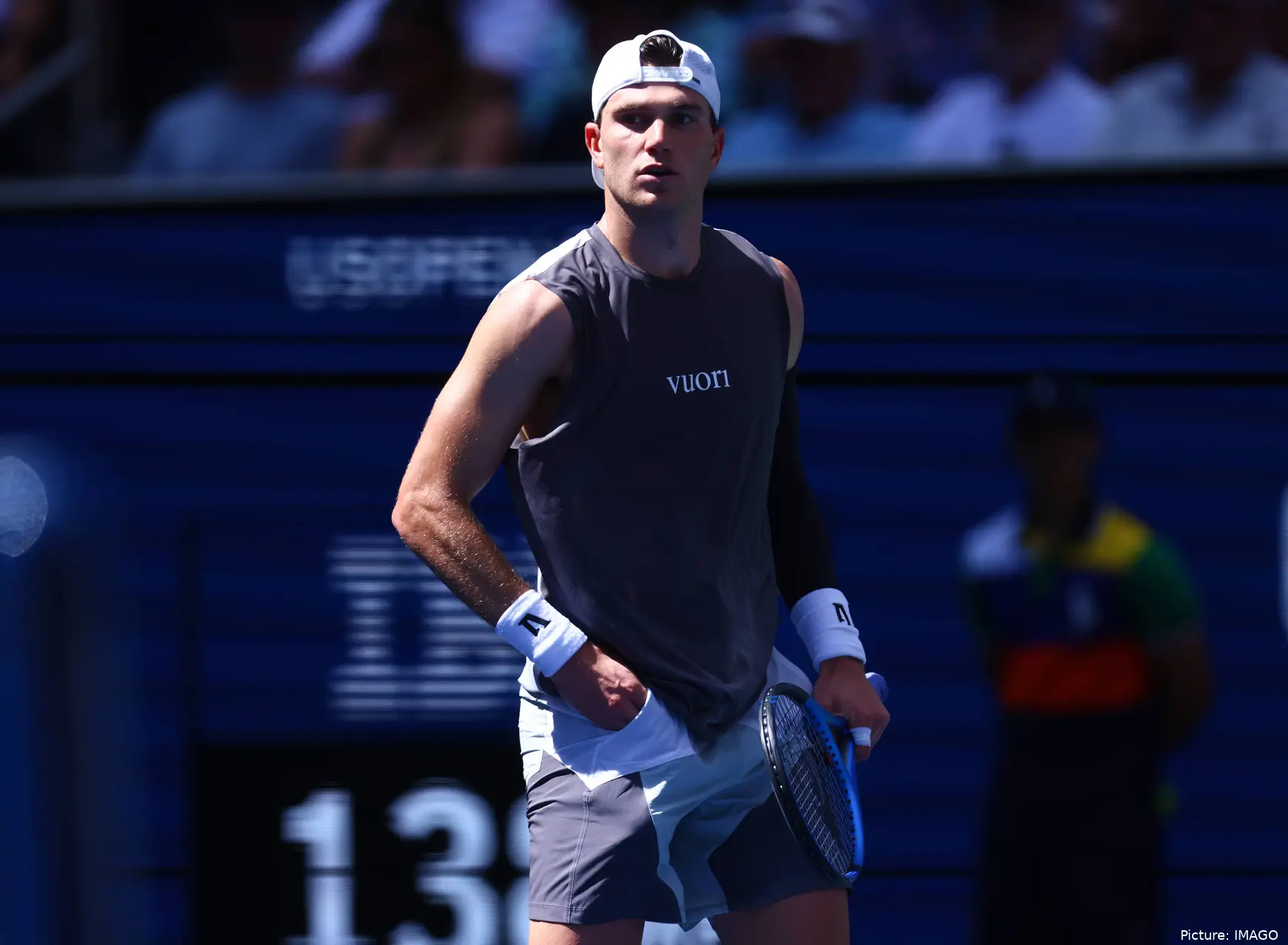
Daria Saville’s latest appearance on the Australian Open Tennis Podcast delivered some of her most insightful commentary yet, weaving together her own injury experiences with sharp observations about Holger Rune and Jack Draper. She reacted with surprise when discussing Rune’s intensity, admitting she was “a bit like wow” after seeing the young Dane’s mindset following injury. Saville’s perspective carries weight, shaped by countless rehab cycles she has endured throughout her career.
Her reflections on burnout were especially pointed. As she explained, “You have been injured before and he is going to get a bit of burnout if he keeps going,” adding that she still believes Rune is “literally built different.” Her concern comes from lived experience: the psychological toll of long months in the gym and the emotional grind of trying to return quickly. She noted how early motivation fades, something she said many athletes confess privately.
Saville described the post-surgery rush in a way that resonates far beyond tennis. She recalled telling friends how players feel “so motivated after the surgery and in the gym,” but after a week realize the reality—“I have got to do this for nine months.” It’s this emotional cliff, she warned, that Rune may eventually face despite his unusual drive. She emphasized the importance of maintaining balance, saying athletes “almost have to find something outside of tennis to fulfil your days.”
When the conversation shifted to Jack Draper, Saville spoke with admiration for his tools and trajectory. She didn’t hesitate when picking him as a future star: “I’m going to go with Jack Draper,” she said confidently. She pointed to his big serve, lefty advantage and baseline solidity—qualities she believes could allow him to join Carlos Alcaraz and Jannik Sinner at the top. For Saville, the only missing piece is continuity: “He needs a full season on the court and to get his body right.”
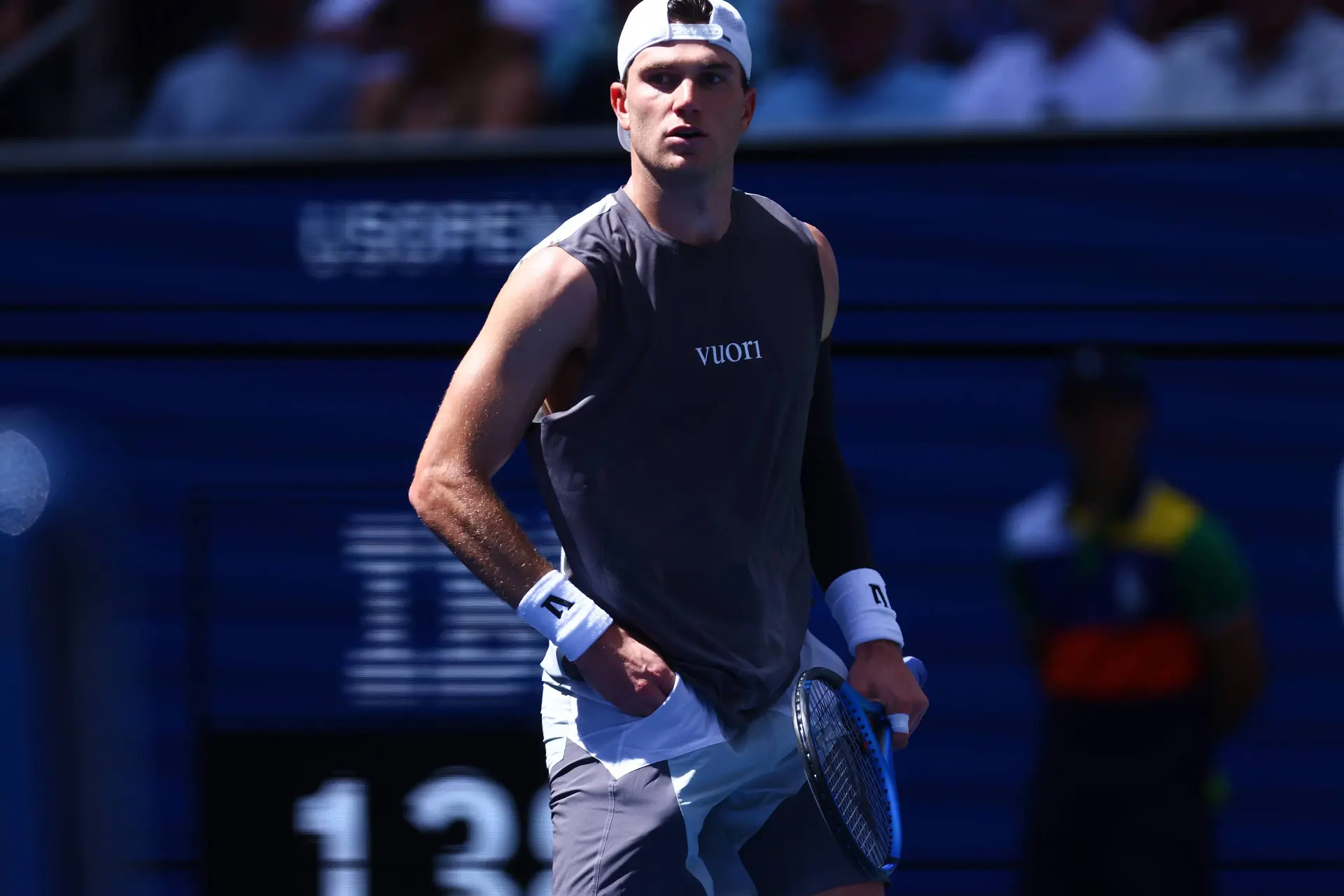
Rune: Built different, but not indestructible
Rune’s 2025 season ended abruptly with a complete rupture of his Achilles tendon during the Stockholm semifinals. He left the court at 2–2 in the second set against Ugo Humbert and later confirmed on Instagram the extent of the damage: a fully torn proximal Achilles requiring surgery. He admitted recovery “is going to take a long time” and wrote that it was “insoportable” to accept the sudden shutdown after enjoying a strong run of form.
Saville sees both the brilliance and the danger in Rune’s mentality. She noted that he believes he can improve “every day and every second,” an intensity she admires but also fears could push him too far. To her, Rune’s challenge will be learning how to channel that fierce drive without letting it consume him—especially through a long, monotonous rehab process that can break even the toughest competitors.
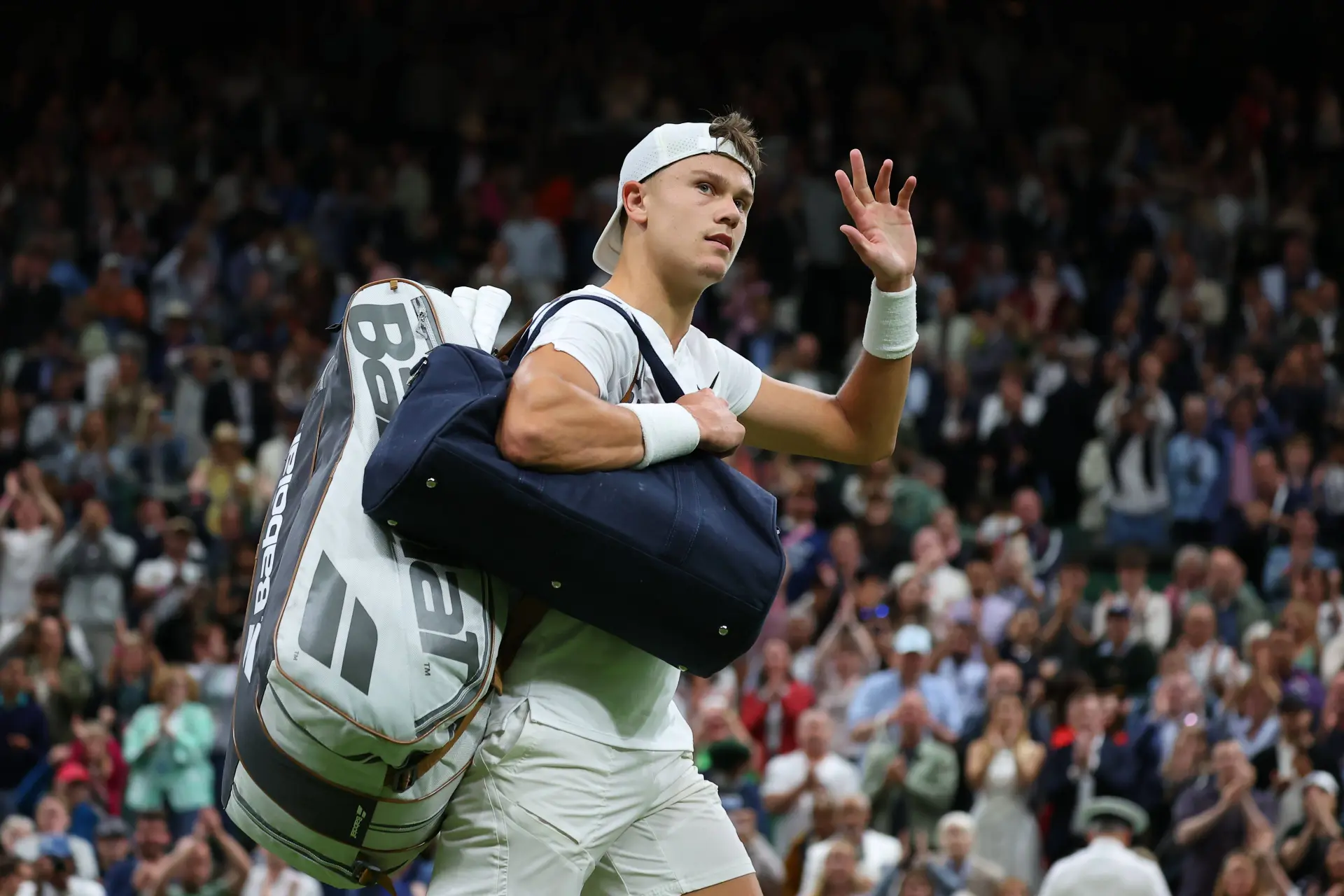
Draper: The lefty with heavy firepower and a heavy resume
Draper’s season, meanwhile, showcased the kind of firepower Saville believes can define the sport’s next era. He finished 2025 as world No. 10, after spending months inside the top 5 and capturing the Indian Wells title. He also reached the finals in Madrid and Doha before undergoing surgery following his surprise second-round Wimbledon loss to Marin Cilic. His year ended with a 30–9 record and more than $3.4 million in prize money.
Despite the midseason setback, Draper’s ceiling remains high. Saville highlighted how he already has “the weapons to join Alcaraz and Sinner,” she said. "He needs a full season on the court and to get his body right". His next challenges include the UTS Finals in London and the United Cup in Australia, where he will team with Emma Raducanu. If his body holds up, Saville believes Draper could be one of the defining players of the 2026 campaign.

Cristhián AvilaTennis Journalist
Cristhián Ávila is a tennis journalist based in Santiago, Chile, and has been part of the TennisUpToDate team since early 2023. He covers the ATP and WTA Tours as well as all four Grand Slams, producing breaking news, match reports, analysis, and regular liveblogs from major tournaments.
His reporting combines statistical analysis with clear explanation, helping readers understand tactical developments, player form, and broader storylines across the tour. Working fluently in both Spanish and English, Cristhián collaborates with an international editorial team and contributes to comprehensive global coverage. As part of his work, he has conducted interviews and media interactions with leading figures in the sport, including Caroline Wozniacki and John McEnroe.
In his journalism, Cristhián places strong emphasis on careful sourcing, editorial accuracy, and updating articles promptly when new, verified information becomes available. His coverage is grounded in research, context, and direct engagement with professional tennis.
claps 0visitors 0
Just In

Popular News
Latest Comments
- A healthy Qinwen may be hard to stop next season. She was already scaring her opponents before her medical leave(s). Unfortunately, Zheng insisted on singing again. On the positive side -- Mirra did not sing!! ;~}
 mandoist11-10-2026
 - Where is it written that athletes, entertainers... People in general... are mandated to keep looking at -- or even using [anti]Social Media? Public & private figures consistently complain and reveal their concerns about negativity and violence thrown at them -- yet they insist on participating. Avoid it, don't use it, don't read it. It's okay to occasionally look up at the World instead beating your eyes & thumbs to death on The Inventions out there.mandoist11-10-2026
- great articlestennisseserver07-10-2026
- Medvedev was leading Djokovic 7-5, 3-5 when an attempted return..' NO you ignorants, Djokovic was leading .weiss05-10-2026
- No more bullshit "Wildcards" to these two. Qualify like everyone else -- there will be cameras there, too. Time to scream... WTF ????!!!!mandoist29-09-2026
- Let's not BS the general public -- Sabalenka started showing cracks in her game last season. Her losses and near-losses started at about the same time she began being distracted by Fame (constant Selfies, making TV commercials, magazine shoots, endless Social Media nonsense, etc., etc.) One would think even Saba could recognize the parallels with others who failed before her -- Raducanu, Giorgi, Bouchard to name a few.mandoist25-09-2026
- Gross!! Hey Raducanu, Giorgi, and Bouchard -- reserve a seat at your Social Media Selfie table for Saba + Naomi. They're heading in your direction soon enough.mandoist24-09-2026
- And then these same players will complain about how lengthy their season’s were and need more time-off. I’m all for more tennis but the amount of tennis we get now is actually kind of crazy! We all need a break, especially the players.DaveyWavey23-09-2026
- You should do a comparison article for "different kinds of justice" the courts decide for tennis players. I can think of at least three players who received very small bans of a few months, however Tara Moore has been fighting for her literal survival the past few years. It seems odd considering she is not a "name" player, unlike the other cases.DaveyWavey22-09-2026
- PRIZE MONEY & POINTS Winner - $185,500 Finalist - $114,500 Semi-Finalist - $66,003 Quarter-Finalist - $35,000 Round of 16 - $18,045 Round of 32 - $13,005 Winner - 500 Finalist - 325 Semi-Finalist - 195 Quarter-Finalist - 108 Round of 16 - 60 Round of 32 - 1DaveyWavey20-09-2026

Loading