"His game is even more complete ": Felix Auger-Aliassime explains why US Open quarterfinal opponent Alex de Minaur is more dangerous than ever
ATP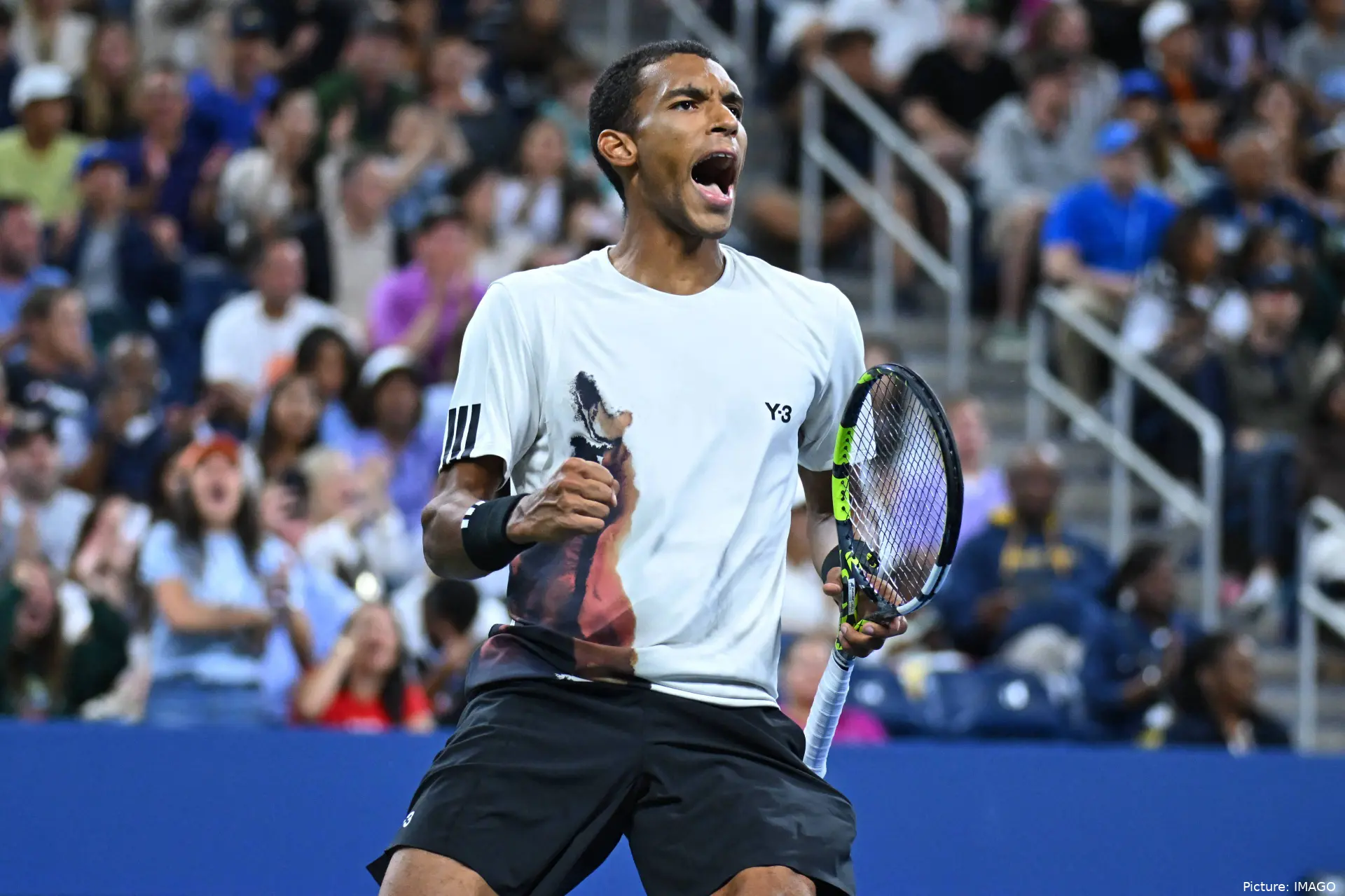
Canada’s Felix Auger-Aliassime has highlighted what makes his US Open quarterfinal opponent, Alex de Minaur, a dangerous opponent. Both players
are set to face in the last eight of the fourth and the final Grand Slam of the
year on Wednesday.
Auger-Aliassime cemented his spot in the quarterfinal
after beating Russia’s Andrey Rublev in the last-16 clash with a score of 7-5,
6-3, 6-4. On the other hand, De Minaur secured his spot in the last eight after
securing a thumping win against Switzerland’s Leandro Riedi in straight sets
with a score of 6-3, 6-2, 6-1.
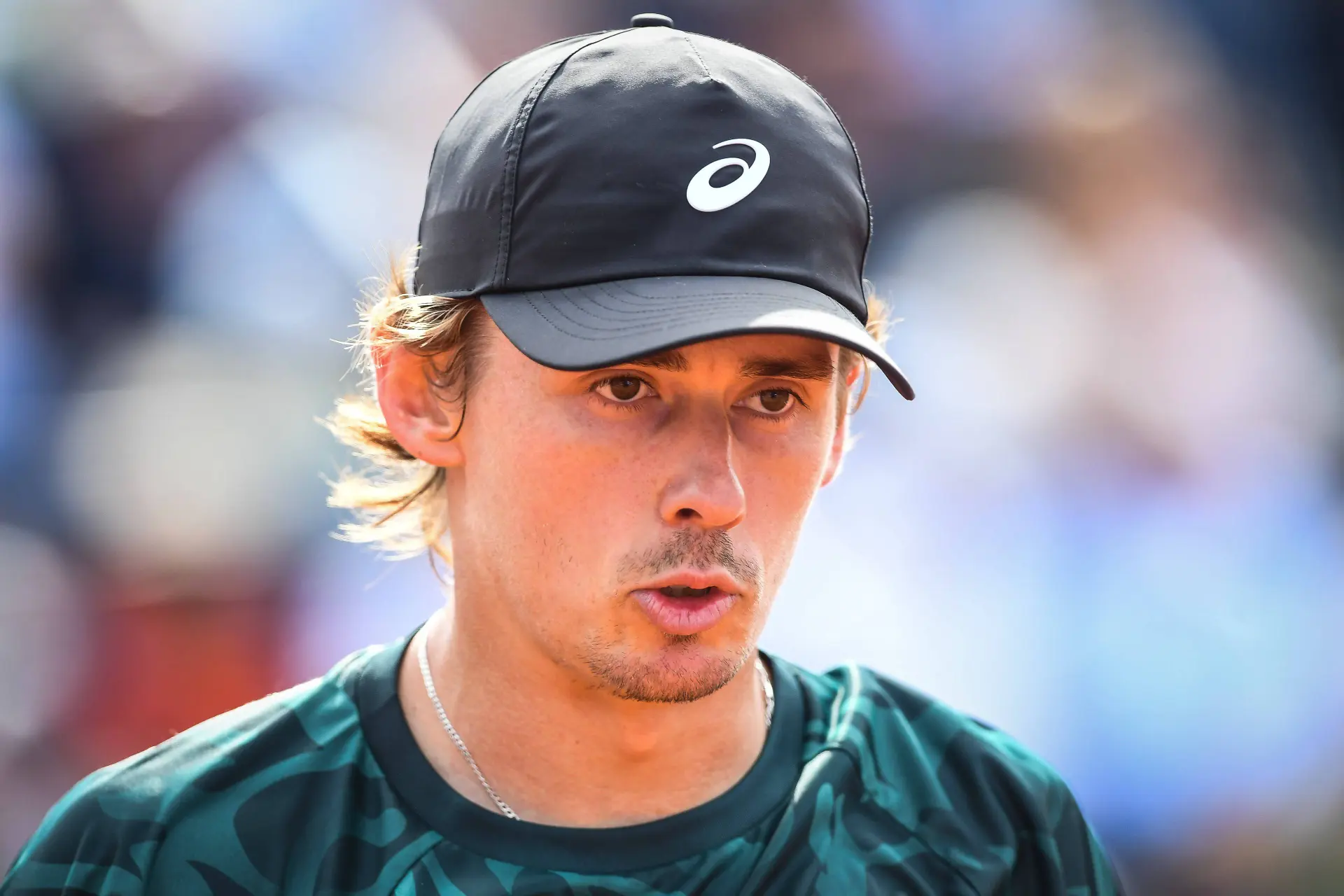
Auger-Aliassime spoke to the press after the match, where he was asked about what makes his opponent, De Minaur, dangerous. In response to
that, Auger-Aliassime stated that the 26-year-old’s movement on the court makes
him a real threat and also highlighted that his new addition of ‘stepping onto
the court’ makes him a real threat going forward.
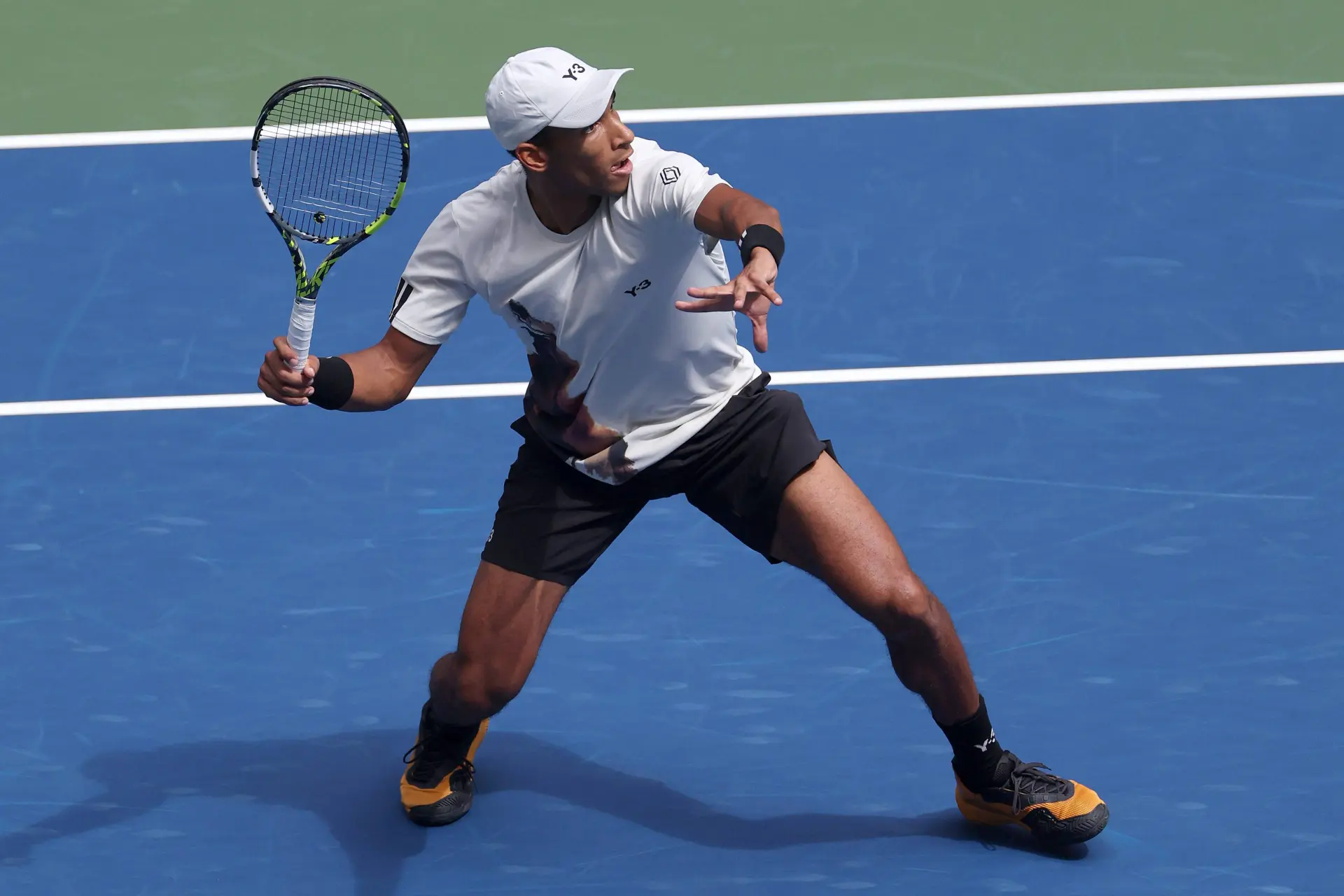
“Well, his strengths were always his movement and is like
a quality to keep the ball in play and to kind of like, you know, counter, you
know, like this, let's say the speed of the player will play out and yeah, to
just defend,” said Auger-Aliassime. “But what's been very interesting is that
he's added also like stepping into the court a lot more. I think that's why
he's in the position he's in today. Like he now has like very much the ability
to step in as soon as you give him a chance, you know, and to come early in the
court and to punish you. So that's why I like his game is even more complete
than how it was in the past. And I think every player tries to improve, you
know, and they all know, we all know in the locker room, like the strengths of players
and what they need to improve. The question is like, can you improve, right?
And he has. So that's why he's been consistently now in the top 10 for a bit of
time.”
Auger-Aliassime’s win against Rublev was an important one, as he came into the match with a very head-to-head record against the Russian
tennis star. In the eight meetings before Monday’s clash, Auger-Aliassime only
managed to win one and suffered seven defeats. His only win over Rublev before
Monday came way back in 2022 in Rotterdam in the semifinal. Discussing the impact of the result, Auger-Aliassime highlighted the significance of the win, particularly in light of his poor record against Rublev.
Good win, says Auger-Aliassime
“Well, yes. Good win, considering our head-to-head,
considering how good he is as a player,” said Auger-Aliassime. “And then waking
up this morning, I knew I played a great match last time, but you hope he
doesn't play too good and that I can execute my game well. But I think once I
settled into the match and I kind of like got back, I was down 4-2, 4-1, then
got back to 4-all, I felt like, okay, I settled in and I felt much better about
my chances from that moment on. I felt like I was putting a lot of pressure on
him and then as I won the first set, I felt like I was in control of the match.”
The most significant aspect of Auger-Aliassime’s win was
his aggression, which proved to be the difference between the two players. Auger-Aliassime
registered 42 winners, 20 more than the Russian tennis star. Most of those
winners came through his powerful forehand. Discussing his overall performance on the day, Auger-Aliassime noted that he played according to his strengths, which proved to be a decisive factor in the win. Auger-Aliassime
also stated that his forehand has always been his strength and that the biggest change in his game over the years is that he now plays according to his own strengths.
“Well, it's [forehand] always been my strength, right? And
then kind of my instinct growing up was to, like I'd rather the match to be in
my hands,” said Auger-Aliassime. “Like I was never like a kid that was playing
and like waiting for the mistake. And then sometimes it played against me, like
I would miss plenty as a kid and then I had to kind of know how to use it well
and to be, you know, precise and consistent. But it's the same, similar thing
now at a higher level. Like sometimes I would miss with that shot and then you
start questioning like, oh, am I going for too much? But I think what I did
well today, like for example, at the start I missed a few, sprayed a few like
kind of far, but then I believe that like, yeah, it's just a question of like
time that I'm going to start hitting my targets. And once I did, then it became
really difficult for him. Playing with my strengths has always been important.
The serve, the forehand. So it was about making that more consistent and
precise. And, you know, once I did that and once I do that, then I feel, you
know, my best version on the court. And then as well, the return was always
something I've wanted to improve. I always felt like I had the reaction time to
do it. But it was like, OK, try to be precise with where you put it and try to
make as many as possible because you can engage in rallies as much as possible
and on the return games and then the backhand as well, being able to change
direction, being able to defend there, kind of keep the guy, you know, further
into the court and not play too short. So there's a couple of things, but for
sure, like when I serve and hit the forehand the way I do, like that's how I
win matches.”
Auger-Aliassime has struggled with fitness concerns throughout his career, particularly in the last three years, during which he has spent considerable time
dealing with injuries and niggles. Talking about it, Auger-Aliassime stated
that playing with confidence and full fitness has helped him achieve the results that previously seemed difficult.
“Well, throughout the years, like I didn't, I still had
good moments,” said Auger-Aliassime. “Like even I was around, you know, 25, 30
in the world. Like it was not like I was losing all the time, but for sure
there was like months where, yeah, like I was thinking, okay, what's my
approach tactically with my game? Once I got, you know, the physical things,
you know, kind of sorted out, it was like, okay, now I'm healthy again. Like
how am I playing? And then, yeah, there were times where I was like, okay, am I
going too, you know, too aggressive or too far or not? And then, but once like
that is all clear in my mind and I can move well and feel confident with my
choices, I do feel like there was also times like in the past years where I was
playing the way I'm playing now with that level. For example, at the start of
the year, I was playing well this year or last year at the Olympics or in
Madrid when I played him in the finals. So there was other times. The challenge
is just to, you know, to make that as consistent as possible.”
Felix with a flourish 😮💨
— US Open Tennis (@usopen) September 1, 2025
Felix Auger-Aliassime is a Grand Slam quarterfinalist once again! pic.twitter.com/3J6NBAkQkN
Azeem Siddiqui is a seasoned sports journalist and data analyst with a strong background in both digital media and live sports production.
He began his journalism career working with partners of The New York Times and has since contributed to several leading international sports publications, including Fox Sports Asia, Calciomercato, and GiveMeSport. Since 2023, Azeem has been part of the TennisUpToDate team, where he has played a key role in sustaining the platform’s growth and ensuring tennis fans receive timely and reliable coverage of the sport’s biggest stories.
In addition to his editorial work, Azeem has extensive experience as a data analyst in live sports broadcasting—particularly in cricket—where he combines analytical precision with creative storytelling. He has collaborated with multiple production companies and cricket boards worldwide, delivering real-time insights and data-driven narratives during live match coverage.
claps 0visitors 0
Just In



Popular News
Latest Comments
- A healthy Qinwen may be hard to stop next season. She was already scaring her opponents before her medical leave(s). Unfortunately, Zheng insisted on singing again. On the positive side -- Mirra did not sing!! ;~}
 mandoist11-10-2026
 - Where is it written that athletes, entertainers... People in general... are mandated to keep looking at -- or even using [anti]Social Media? Public & private figures consistently complain and reveal their concerns about negativity and violence thrown at them -- yet they insist on participating. Avoid it, don't use it, don't read it. It's okay to occasionally look up at the World instead beating your eyes & thumbs to death on The Inventions out there.mandoist11-10-2026
- great articlestennisseserver07-10-2026
- Medvedev was leading Djokovic 7-5, 3-5 when an attempted return..' NO you ignorants, Djokovic was leading .weiss05-10-2026
- No more bullshit "Wildcards" to these two. Qualify like everyone else -- there will be cameras there, too. Time to scream... WTF ????!!!!mandoist29-09-2026
- Let's not BS the general public -- Sabalenka started showing cracks in her game last season. Her losses and near-losses started at about the same time she began being distracted by Fame (constant Selfies, making TV commercials, magazine shoots, endless Social Media nonsense, etc., etc.) One would think even Saba could recognize the parallels with others who failed before her -- Raducanu, Giorgi, Bouchard to name a few.mandoist25-09-2026
- Gross!! Hey Raducanu, Giorgi, and Bouchard -- reserve a seat at your Social Media Selfie table for Saba + Naomi. They're heading in your direction soon enough.mandoist24-09-2026
- And then these same players will complain about how lengthy their season’s were and need more time-off. I’m all for more tennis but the amount of tennis we get now is actually kind of crazy! We all need a break, especially the players.DaveyWavey23-09-2026
- You should do a comparison article for "different kinds of justice" the courts decide for tennis players. I can think of at least three players who received very small bans of a few months, however Tara Moore has been fighting for her literal survival the past few years. It seems odd considering she is not a "name" player, unlike the other cases.DaveyWavey22-09-2026
- PRIZE MONEY & POINTS Winner - $185,500 Finalist - $114,500 Semi-Finalist - $66,003 Quarter-Finalist - $35,000 Round of 16 - $18,045 Round of 32 - $13,005 Winner - 500 Finalist - 325 Semi-Finalist - 195 Quarter-Finalist - 108 Round of 16 - 60 Round of 32 - 1DaveyWavey20-09-2026

Loading