"His speed is not only physical, but above all neurological. He reads the game first" - Djokovic's former trainer opens up on incredible fitness standards
ATP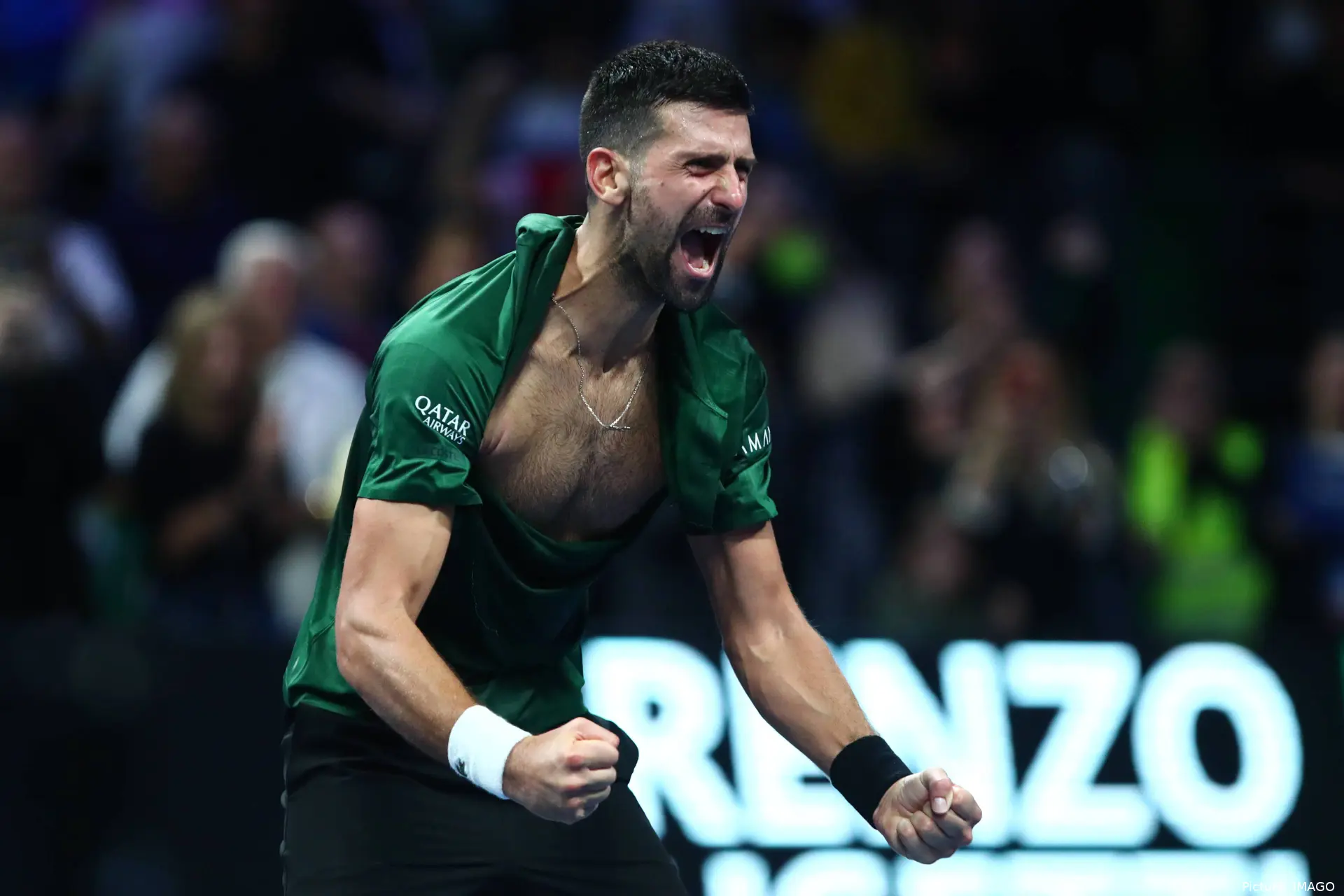
38-year-old Novak Djokovic has amazed the tennis world with his fitness and ability to still compete despite his age. This was praised by his former trainer Marco Panichi who delved into how Djokovic treated this.
It is a large factor not just why he is still competing, but because of how much he has won in the sport. He is a 24-time Grand Slam champion, more than anyone in the sport has achieved over an incredible 15 years span. The Serbian is still in the hunt for more glory at the top of the sport having reached four consecutive major semi-finals. He would also clinch his 100th title in the Geneva Open back in the clay swing. He became the third player on the ATP Tour to complete this after Roger Federer and Jimmy Connors. Now up to 101 after winning the Hellenic Championship, he is not stopping there as his quest to cement himself even more in tennis' legacy continues.
While 2025 may not have been his best season by his remarkable standards, the fact that he is still competing at this level on a consistent basis is mind-blowing. While he has taken measures to keep himself fresher and avoid injuries by missing numerous events, it seems to be doing the trick.
Panichi learned from Djokovic in time with tennis star
Panichi is one of the most respected trainers on Tour. Once an Italian long jump champion, he went onto the world of tennis to take up his next passion. He partnered with Djokovic for seven years and oversaw 12 Grand Slam titles. The pair split in 2024 after Djokovic departed with many of his team members, including long-term coach Goran Ivanisevic. While the Italian had aided Djokovic hugely in this time together, he unveiled that he learned a lot in his relationship with the former world number one.
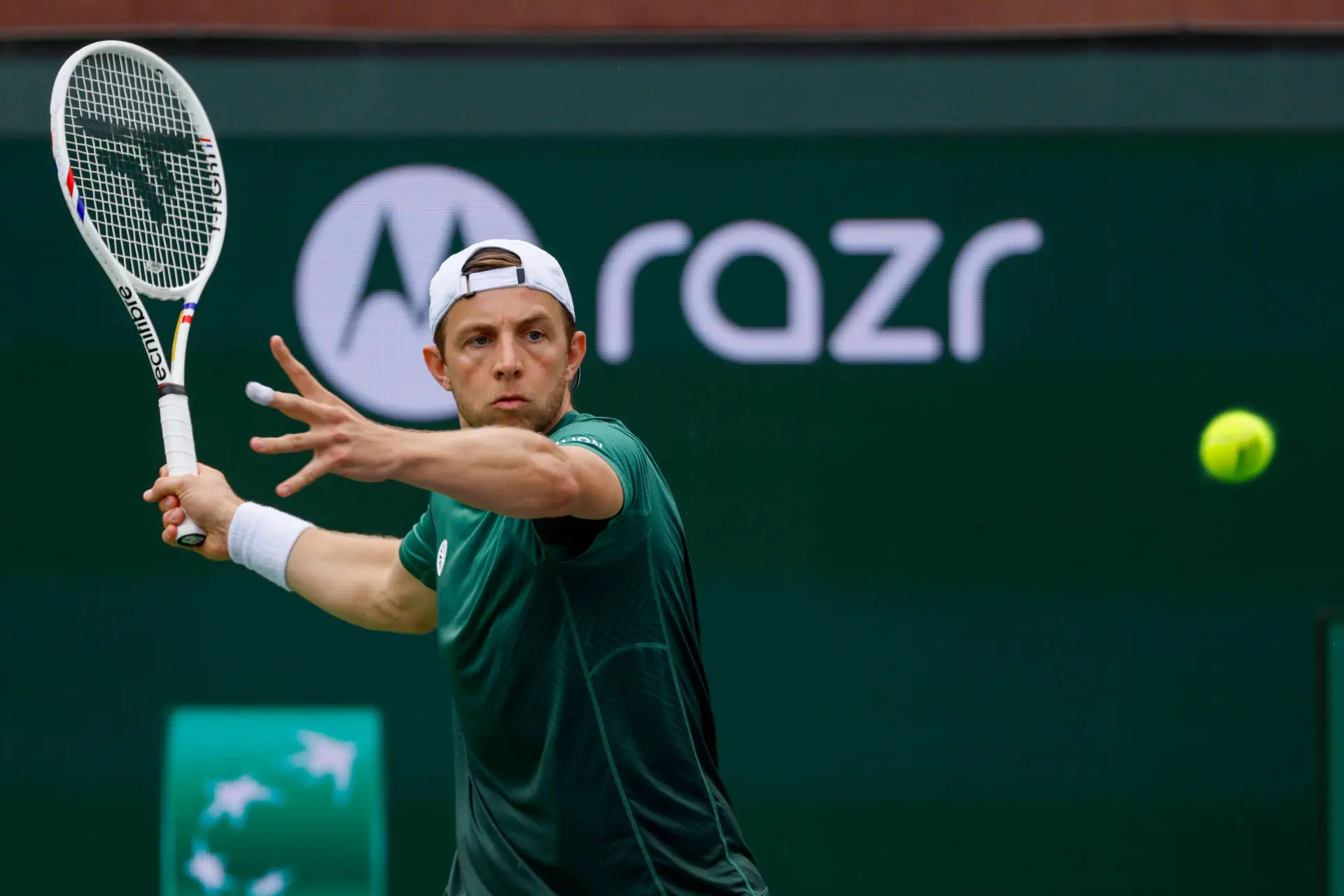
“With Novak I learned that every exercise must have a specific reason, an objective, and a parameter to measure progress," he told Ubitennis. "He doesn't accept anything as routine: he wants to understand everything. His speed is not only physical, but above all neurological. He reads the game first. The foundation is individual biomechanics. Each athlete has their own structure. Then there is functional strength, speed, reactivity, and prevention. And everything must be progressive. If you can't measure improvement, you're guessing.”
Djokovic has amazed many with his impeccable fitness, sparking hefty endurance on the court and a peak physical condition matched by very few. When asked for the type of athlete you need to compete on tour, Panichi said: "You need a fluid athlete . Tennis is a constant transition between defence, neutrality, and attack. The winner isn't the most muscular player, but the one who can move best in space."
As the sport continues to grow, more technological methods are being introduced, bringing the game to new heights. While this is beneficial for improvement of a player, Panichi explained that beforehand you need something to build from. "First build the athlete, then build the tennis player. It's useful: sensors, movement analysis, software to monitor recovery. But it must remain a tool. It can't replace the coach," he summarised.
Djokovic concluded his 2025 campaign in Athens, opting not to compete in the ATP Finals despite being the third player to qualify for the event behind Carlos Alcaraz and Jannik Sinner. Currently the world number four, Novak Djokovic is set to be a challenger for the Australian Open coming up in January. Last year's event was the only time in 2025 where he defeated one of the big two, overcoming Alcaraz in the quarter-final before retiring against Alexander Zverev a round later.
Lucas MichaelTennis Journalist
Lucas Michael is a tennis journalist based in Cambridge, UK, specializing in comprehensive coverage of the ATP and WTA tours. For the past 1.5 years, he has been a core contributor to TennisUpToDate, where he has authored more than 3,000 data-driven match reports, deep-dive analysis pieces, and engaging liveblogs.
Lucas pairs real-time statistical analysis with on-the-ground reporting, frequently traveling to tournaments to cover the action firsthand from the press box and player press conferences. This blend of advanced metrics and direct access allows him to provide sharp context regarding player form, tactical trends, and breaking tour developments.
He holds a BA (Hons) in Sports Journalism. Grounded in core journalistic ethics, Lucas places a strict emphasis on meticulous sourcing, editorial accuracy, and a commitment to updating live content swiftly as verified information emerges.
claps 0visitors 0
Just In

Popular News
Latest Comments
- A healthy Qinwen may be hard to stop next season. She was already scaring her opponents before her medical leave(s). Unfortunately, Zheng insisted on singing again. On the positive side -- Mirra did not sing!! ;~}
 mandoist11-10-2026
 - Where is it written that athletes, entertainers... People in general... are mandated to keep looking at -- or even using [anti]Social Media? Public & private figures consistently complain and reveal their concerns about negativity and violence thrown at them -- yet they insist on participating. Avoid it, don't use it, don't read it. It's okay to occasionally look up at the World instead beating your eyes & thumbs to death on The Inventions out there.mandoist11-10-2026
- great articlestennisseserver07-10-2026
- Medvedev was leading Djokovic 7-5, 3-5 when an attempted return..' NO you ignorants, Djokovic was leading .weiss05-10-2026
- No more bullshit "Wildcards" to these two. Qualify like everyone else -- there will be cameras there, too. Time to scream... WTF ????!!!!mandoist29-09-2026
- Let's not BS the general public -- Sabalenka started showing cracks in her game last season. Her losses and near-losses started at about the same time she began being distracted by Fame (constant Selfies, making TV commercials, magazine shoots, endless Social Media nonsense, etc., etc.) One would think even Saba could recognize the parallels with others who failed before her -- Raducanu, Giorgi, Bouchard to name a few.mandoist25-09-2026
- Gross!! Hey Raducanu, Giorgi, and Bouchard -- reserve a seat at your Social Media Selfie table for Saba + Naomi. They're heading in your direction soon enough.mandoist24-09-2026
- And then these same players will complain about how lengthy their season’s were and need more time-off. I’m all for more tennis but the amount of tennis we get now is actually kind of crazy! We all need a break, especially the players.DaveyWavey23-09-2026
- You should do a comparison article for "different kinds of justice" the courts decide for tennis players. I can think of at least three players who received very small bans of a few months, however Tara Moore has been fighting for her literal survival the past few years. It seems odd considering she is not a "name" player, unlike the other cases.DaveyWavey22-09-2026
- PRIZE MONEY & POINTS Winner - $185,500 Finalist - $114,500 Semi-Finalist - $66,003 Quarter-Finalist - $35,000 Round of 16 - $18,045 Round of 32 - $13,005 Winner - 500 Finalist - 325 Semi-Finalist - 195 Quarter-Finalist - 108 Round of 16 - 60 Round of 32 - 1DaveyWavey20-09-2026

Loading