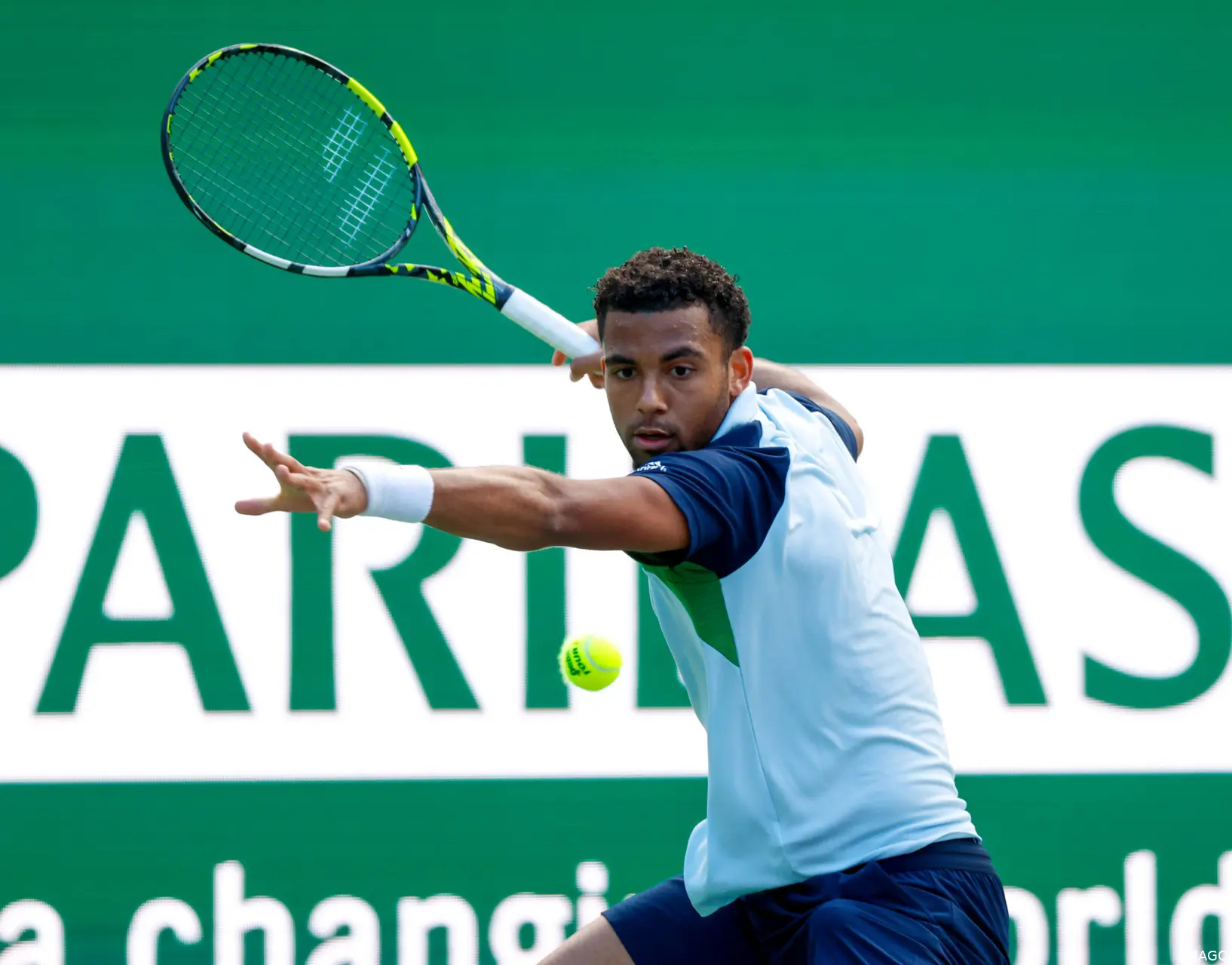
Arthur Fils’ run to the final of the 2026 Qatar Open ended in a one-sided 6-2, 6-1 defeat to World No. 1 Carlos Alcaraz, who secured his first Doha crown and the 26th ATP title of his career in just 50 minutes. Yet for the Frenchman, the significance of the week extended beyond the scoreboard, rooted instead in the context of an eight-month injury struggle.
Speaking with Marion Bartoli at Time on RMC, Fils acknowledged that a place in the final had not been part of his expectations. The 21-year-old stressed that training sessions had not fully translated into match certainty, particularly after a complicated start to the season in Montpellier.
“To be honest, I didn’t expect it at all (to reach the final). I’ve trained a lot but when you step on court for a match, it’s completely different. In Montpellier, it wasn’t easy. I battled hard and managed to win two matches. It wasn’t simple.”
That contrast between preparation and performance framed his approach in Doha. Fils admitted he arrived without his best level, forcing a reset in expectations and a more pragmatic strategy built around resilience rather than immediate fluency.
Accepting imperfection to compete
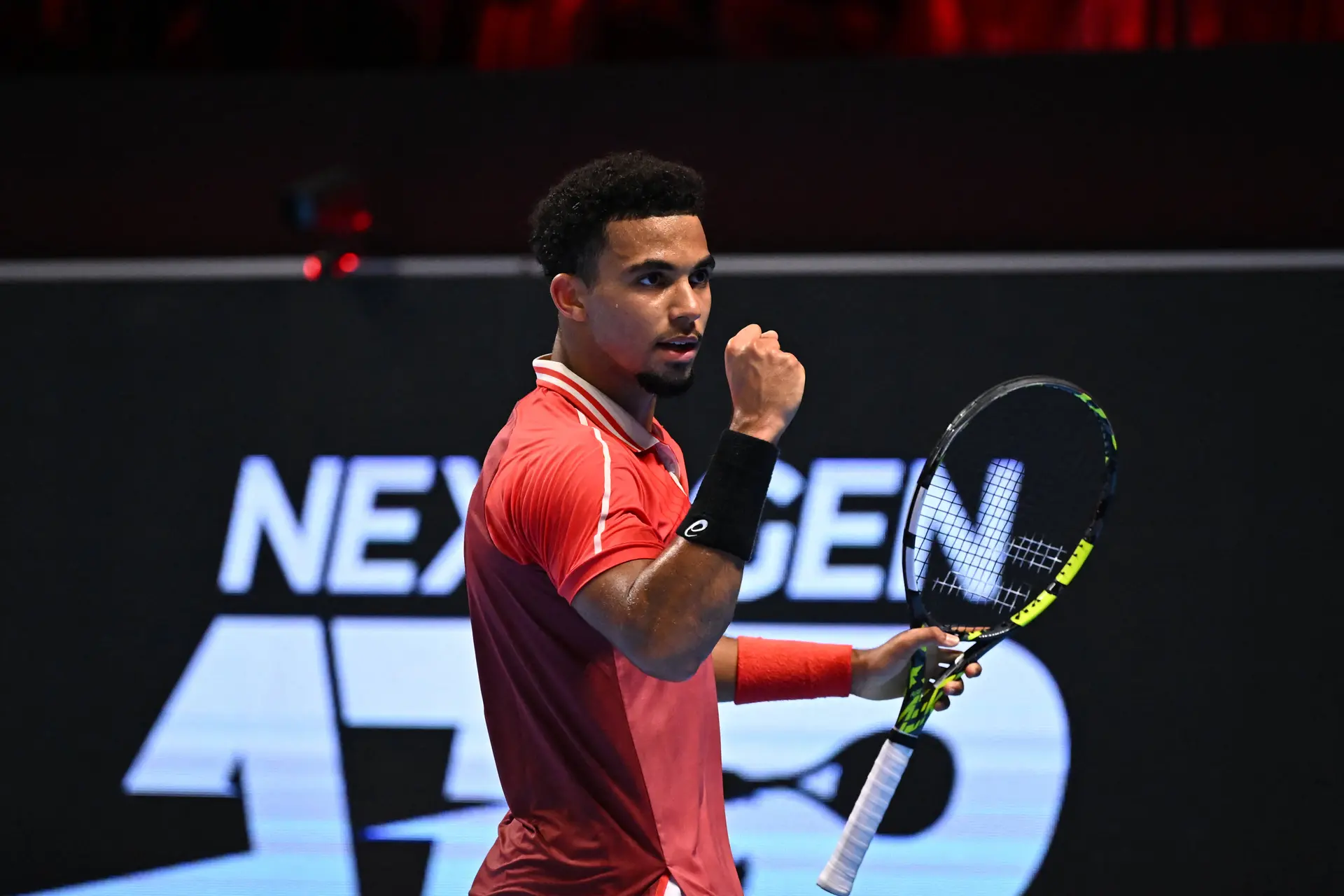
Fils detailed how conversations with his team shaped his mindset during the tournament, particularly in the early rounds when his timing and rhythm were inconsistent. The emphasis shifted from aesthetics to survival, with the understanding that competitive sharpness would return gradually rather than instantly.
“When I arrived in Doha, I wasn’t playing that well. But I talked it over a lot with the team. They told me the only way to get back to my level was to play poorly at first and grind through matches that are pure fights. There’s not much quality but no choice—you have to win.”
That philosophy defined his path to the final. Rather than dominating opponents with aggressive shot-making, Fils absorbed pressure and accepted extended exchanges. The approach allowed him to accumulate wins and minutes on court, essential components for a player re-establishing physical and mental stability after a prolonged absence.
The semifinal demanded one of his most complete performances of the season, but the physical and emotional expenditure appeared significant. By the time he faced Alcaraz, the margin for error was minimal against an opponent who combined high first-serve efficiency with relentless baseline control.
Confronting the standard at the top
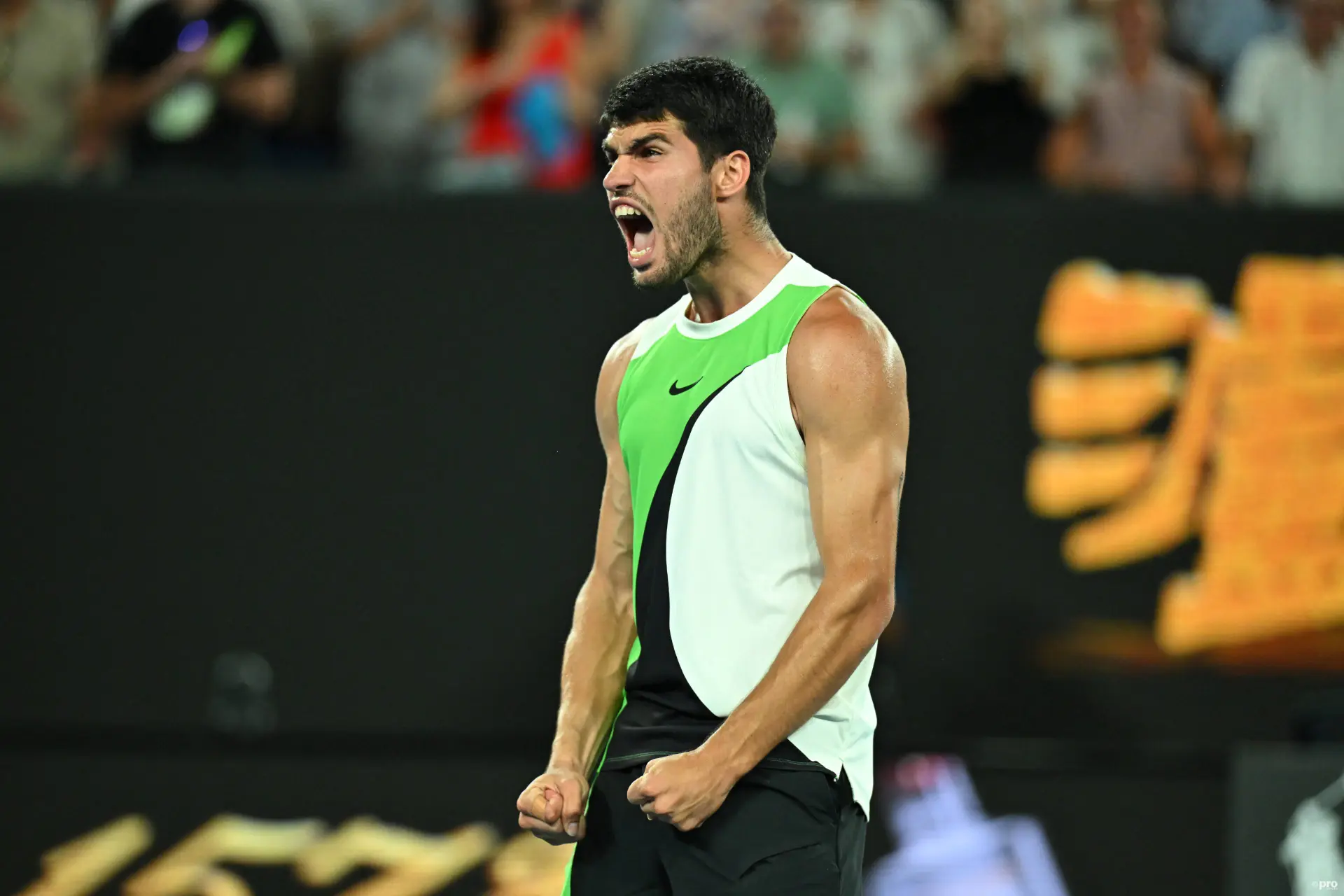
Alcaraz dictated the final from the outset, conceding little on serve and capitalising on short balls with precision. Fils struggled to impose his usual patterns and, at times, showed visible frustration as the match slipped away quickly under sustained pressure from the top-ranked Spaniard. “He’s one of the best for a reason,” Arthur Fils admitted. “You feel the pressure in every rally. It forces you to raise your level.”
Despite the lopsided scoreline, Fils framed the experience as a necessary step in his development rather than a discouraging setback. He acknowledged the gap but stressed the importance of exposure to that intensity. “This is part of the journey. If I want to win these matches in the future, I have to learn from this.”
Physical recovery and Paris ambition
Beyond the immediate disappointment, Fils emphasized that his physical condition has improved significantly compared to the previous eight months. He confirmed entries in Dubai, Indian Wells and Miami, outlining a clear objective of building momentum ahead of the European clay swing and the season’s second Grand Slam.
“Right now, I feel good physically. I’m entered in all three (tournaments, Dubai, Indian Wells and Miami), we’ll see. Everything’s good, the signals are green. I’ll do everything to arrive in top form in Paris. It’s a goal for every Frenchman. Playing well at Roland-Garros brings insane emotions. Last year, it was electric. So I’ll do everything to enjoy it again.”
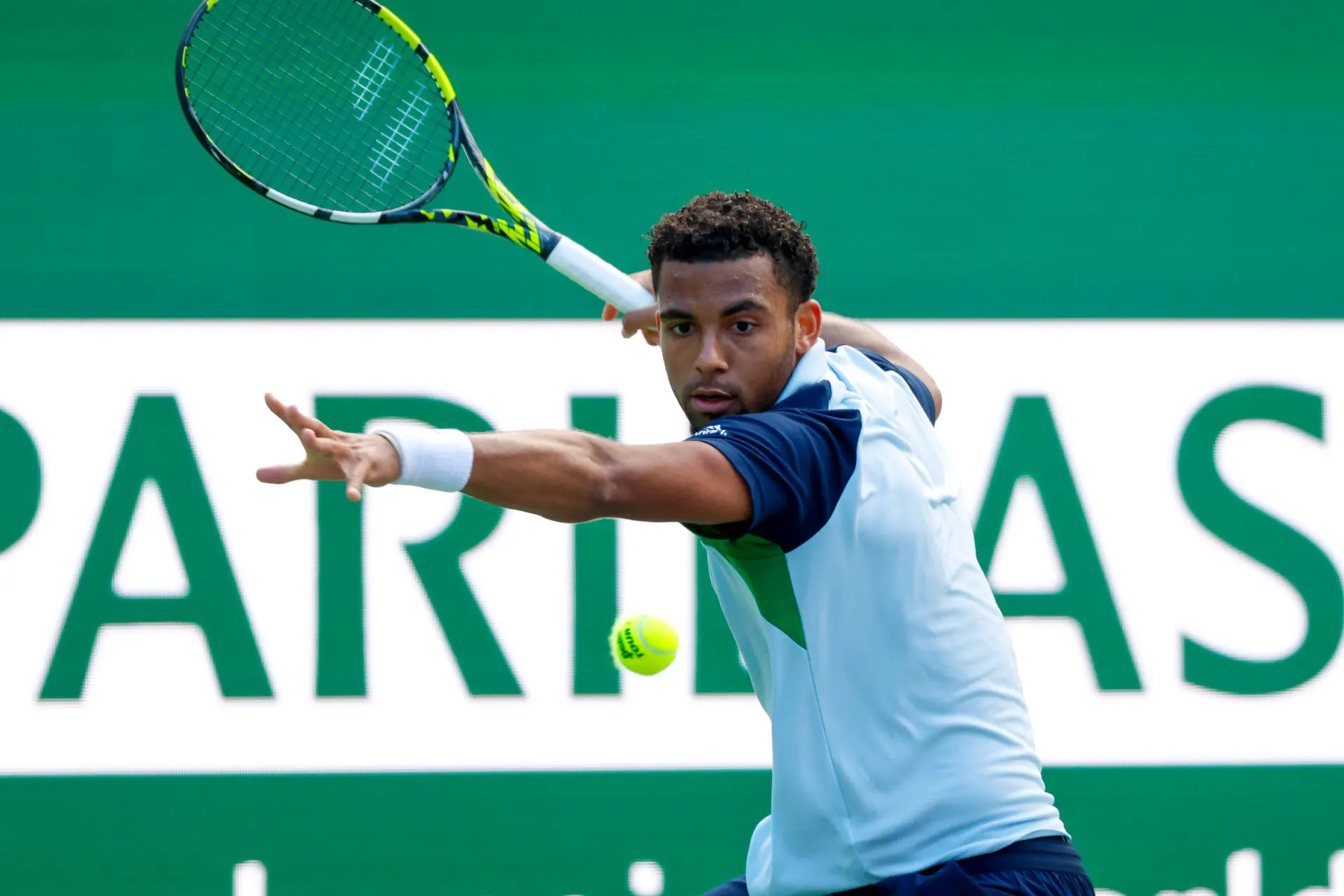
The emotional weight of his comeback was evident during the trophy ceremony in Doha, where he addressed the crowd candidly after the brief final. His remarks reflected the perspective of a player who measures progress not solely by titles, but by the ability to compete again after months away from the sport.
“Well, I don’t really know where to start. First of all, I want to thank the crowd. I’m very sorry for the final. I know it was a bit short. Thank you very much. It’s been eight long months with my injury; it’s been a long time. So I guess, in a time like this, you just have to think about the last eight months where I was struggling, not playing tennis.”

Cristhián AvilaTennis Journalist
Cristhián Ávila is a tennis journalist based in Santiago, Chile, and has been part of the TennisUpToDate team since early 2023. He covers the ATP and WTA Tours as well as all four Grand Slams, producing breaking news, match reports, analysis, and regular liveblogs from major tournaments.
His reporting combines statistical analysis with clear explanation, helping readers understand tactical developments, player form, and broader storylines across the tour. Working fluently in both Spanish and English, Cristhián collaborates with an international editorial team and contributes to comprehensive global coverage. As part of his work, he has conducted interviews and media interactions with leading figures in the sport, including Caroline Wozniacki and John McEnroe.
In his journalism, Cristhián places strong emphasis on careful sourcing, editorial accuracy, and updating articles promptly when new, verified information becomes available. His coverage is grounded in research, context, and direct engagement with professional tennis.
claps 0visitors 0
Just In

Popular News
Latest Comments
- Fight the Good Fight... Tennis (sports in general) need more Humans such as yourself.
 mandoist18-10-2026
 - When is WTA going to mandate Genetic Testing (DNA) ???mandoist18-10-2026
- Hey, Dan... you just wake up from a coma? Regardless -- Thanks for the comedy this morning!mandoist18-10-2026
- Two Things: 1. Stop allowing these Spoiled Trust-Fund Elitists to behave badly. Your little hand-slaps do not deter them. 2. STOP the incessantly annoying "towel wiping" nonsense!!!!mandoist15-10-2026
- A healthy Qinwen may be hard to stop next season. She was already scaring her opponents before her medical leave(s). Unfortunately, Zheng insisted on singing again. On the positive side -- Mirra did not sing!! ;~}mandoist11-10-2026
- Where is it written that athletes, entertainers... People in general... are mandated to keep looking at -- or even using [anti]Social Media? Public & private figures consistently complain and reveal their concerns about negativity and violence thrown at them -- yet they insist on participating. Avoid it, don't use it, don't read it. It's okay to occasionally look up at the World instead beating your eyes & thumbs to death on The Inventions out there.mandoist11-10-2026
- great articlestennisseserver07-10-2026
- Medvedev was leading Djokovic 7-5, 3-5 when an attempted return..' NO you ignorants, Djokovic was leading .weiss05-10-2026
- No more bullshit "Wildcards" to these two. Qualify like everyone else -- there will be cameras there, too. Time to scream... WTF ????!!!!mandoist29-09-2026
- Let's not BS the general public -- Sabalenka started showing cracks in her game last season. Her losses and near-losses started at about the same time she began being distracted by Fame (constant Selfies, making TV commercials, magazine shoots, endless Social Media nonsense, etc., etc.) One would think even Saba could recognize the parallels with others who failed before her -- Raducanu, Giorgi, Bouchard to name a few.mandoist25-09-2026

Loading