“I need to find a way to win when I’m not at my best”: Arthur Fils reflects on Miami Open breakthrough
ATP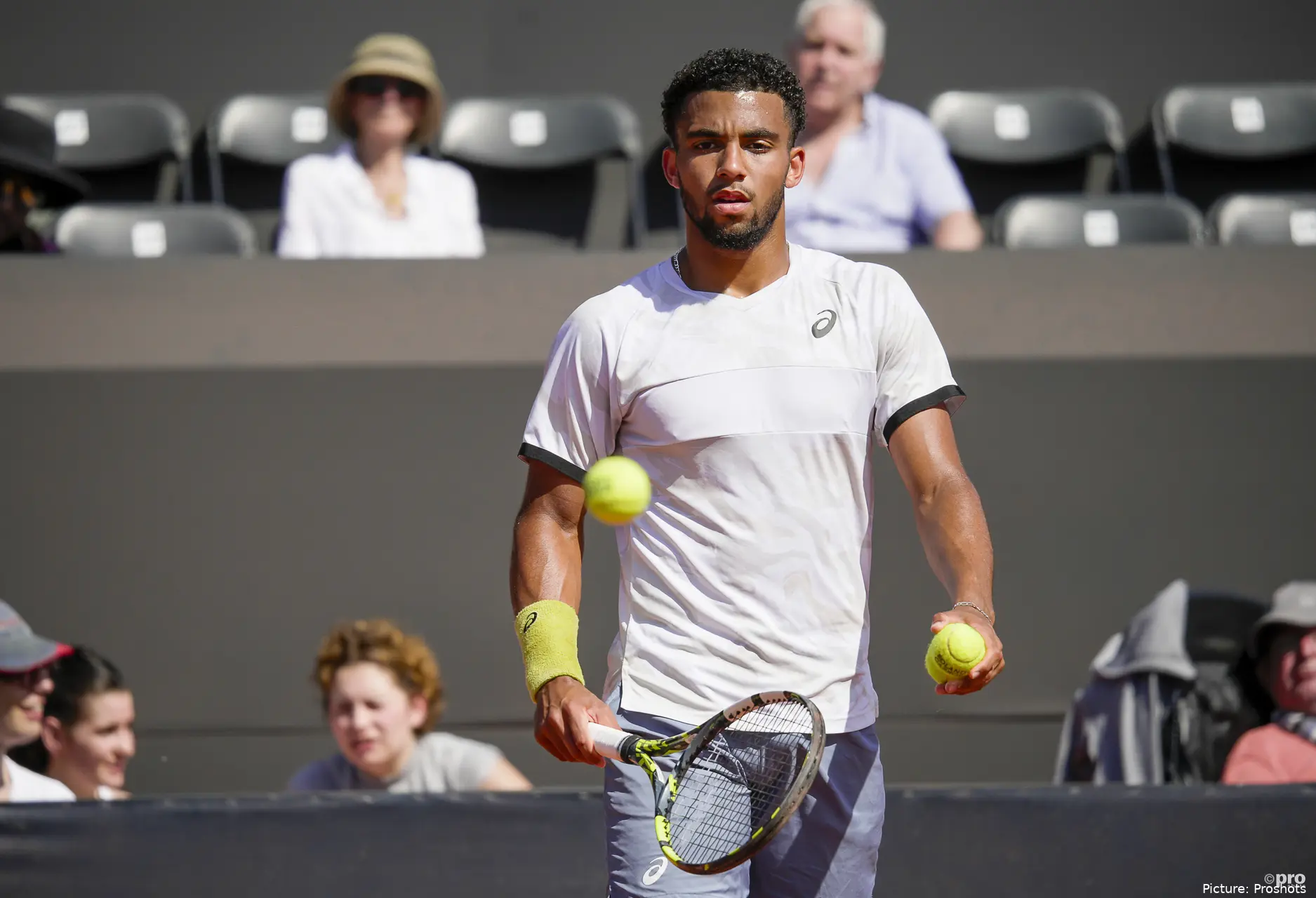
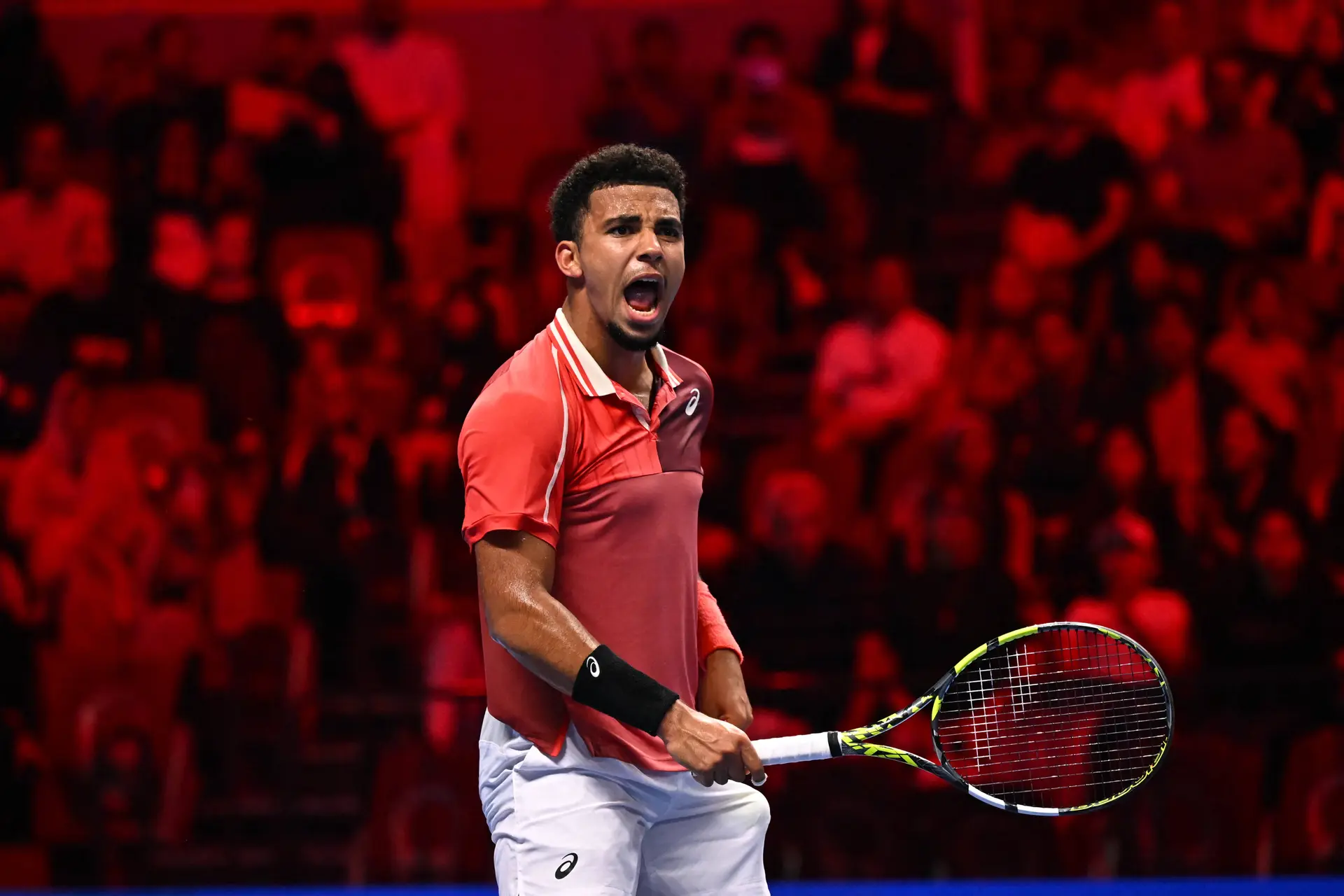
Arthur Fils delivered one of the most significant runs of his young career at the 2026 Miami Open, reaching the semi-finals of a Masters 1000 event for the first time. The 21-year-old Frenchman ultimately fell to Jiri Lehecka in straight sets, but the result capped a sequence of performances that reinforced his growing presence on hard courts.
The defeat came with a sense of missed opportunity. Fils had not dropped serve at any point earlier in the tournament, yet against Lehecka he was broken four times in a one-sided semi-final. The contrast highlighted both the level he had produced across the week and the margins that still separate him from consistent contention at this level.
Even so, the broader context remains positive. A final in Doha, followed by a quarter-final in Indian Wells and now a semi-final in Miami, outlines a clear upward trajectory since returning from injury after a disrupted 2025 season.
Reflecting on his run, Fils struck a balanced tone, acknowledging both the progress made and the limitations exposed at the latter stages of the tournament. “It was a very good tournament. There were a lot of positive things,” he said, before adding, “Obviously I’m a bit disappointed with today’s loss. I could have done better.”
Small margins define semi-final defeat
Fils’ campaign was shaped by resilience rather than sustained dominance. His quarter-final victory over Tommy Paul stood as the defining moment, saving four match points in a match where he did not manage a single break of serve across three sets. He did not convert any return opportunities and was largely reliant on holding serve and managing high-pressure moments, eventually winning six consecutive points in the final tie-break.
That balance shifted in the semi-finals. Against Lehecka, Fils struggled to impose his serve and became increasingly predictable in key moments. “A few kilometres per hour less, a bit less precision on the contact points… it made it easier for him to return,” he explained. “I was a bit more predictable. He could see where I was serving.”
The drop in serving quality proved decisive. “These are small details, it’s not much, but it makes a big difference in the end,” Fils added. After not facing a service collapse earlier in the week, he conceded four breaks and accumulated 21 unforced errors, unable to sustain the level required in extended rallies.
Read also
Mental fatigue and the next step
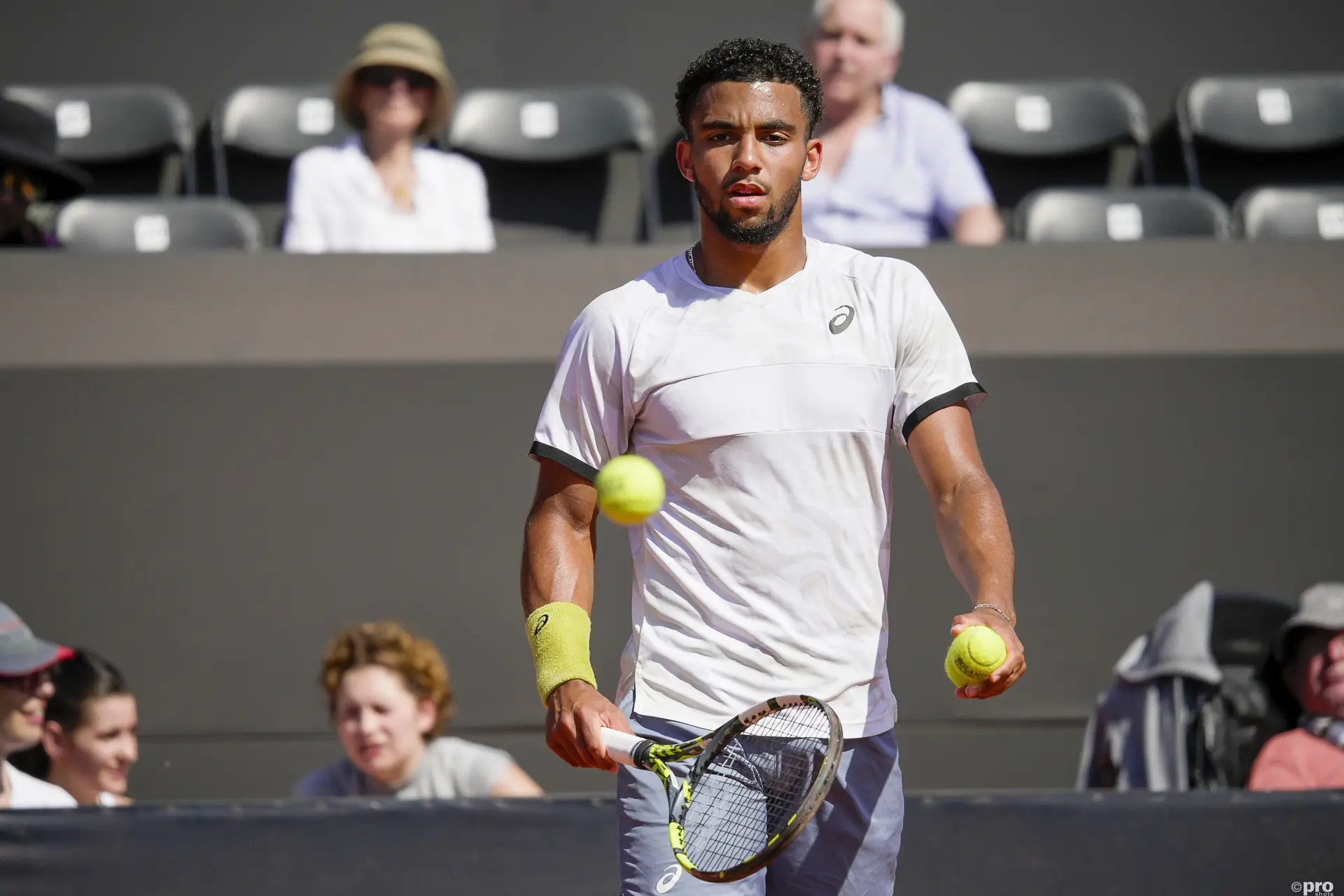
Beyond technical adjustments, Fils pointed to mental factors as the primary area for improvement. While physically comfortable, he acknowledged a drop in intensity and energy in a match that demanded sustained focus. “Physically, I feel good right now. It’s more about mental fatigue,” he said.
That theme extended to his broader reflection on the tournament. Fils admitted that his game demands a high emotional and physical investment, which can carry consequences across consecutive rounds in Masters events and, particularly, in Grand Slam formats. “I need a lot of energy to play my best tennis. But do I need that much? I don’t know,” he said. “It can cost me in the next matches.”
Despite that, he made clear that any adjustments will be evolutionary rather than structural. “I don’t want to change who I am. I just need to improve,” he noted, outlining a process that will be addressed with his team in the coming weeks. “When I’m at 100%, I can play very good tennis. I’ve known that for a long time, but now I have to find a way to win even when I’m not at my best, or at least make it more difficult for my opponent.”
From recovery to consistency
The Miami run reinforces a broader narrative around Fils’ return to form. After injury setbacks in 2025, his early 2026 results indicate a player transitioning from recovery to consistent competitiveness at Masters level, particularly on hard courts.
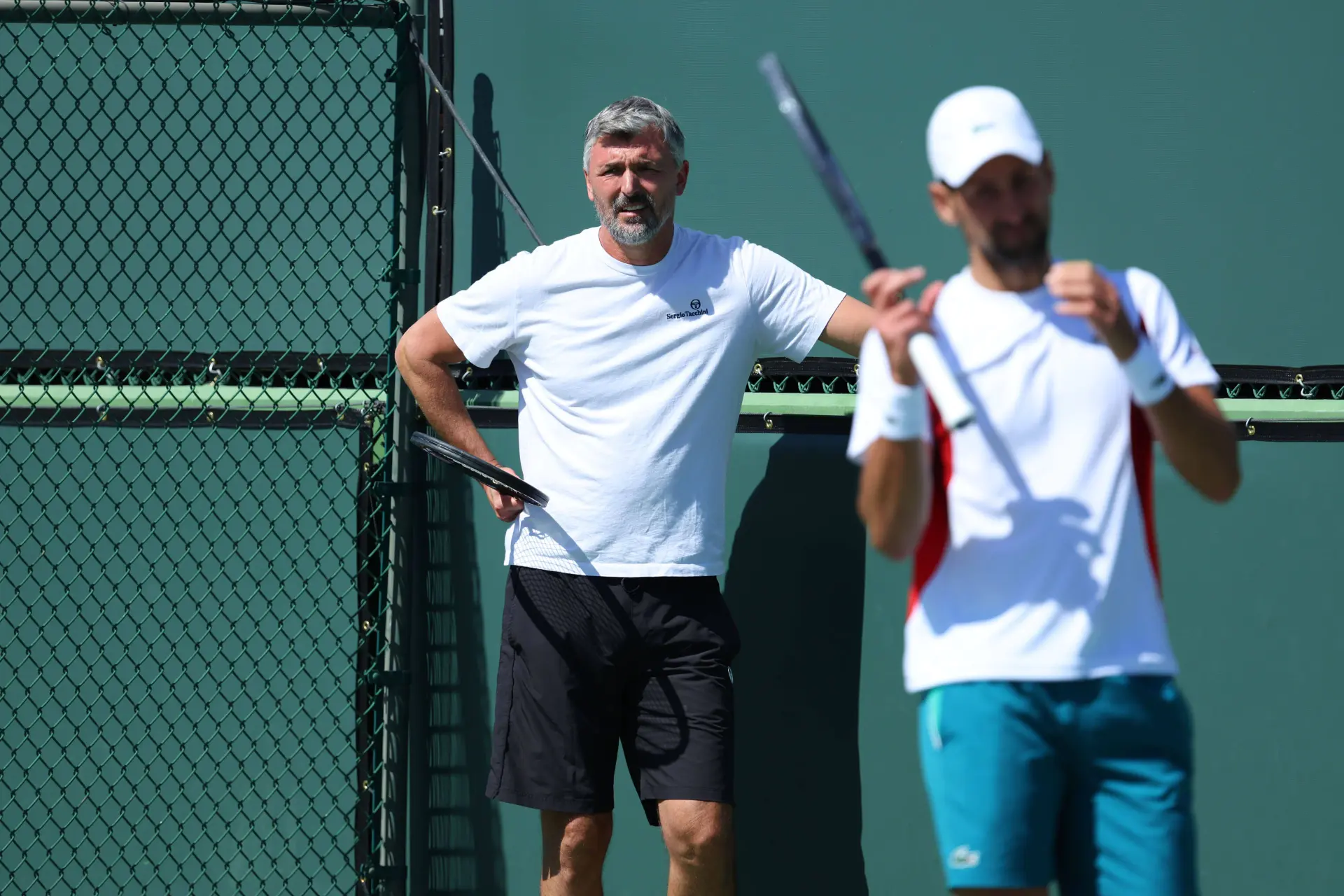
His immediate schedule reflects that continuity. Fils confirmed that Goran Ivanisevic will join him again during the clay swing, beginning in Monte Carlo, before reuniting later in Rome. The partnership, still in its early stages, is expected to play a role in refining both tactical discipline and match management.
Looking back, Fils acknowledged how quickly his position has evolved. “If someone had told me four months ago that I would reach the semi-finals in Miami, I would have signed for it,” he said. “I have to see the positive. I’m very happy with the work we’ve done with my team.”
With the transition to clay approaching, the Frenchman leaves Miami with a clearer understanding of both his ceiling and his current limitations. The breakthrough is established; the next phase will depend on whether he can translate it into sustained results across consecutive rounds and surfaces.

Cristhián AvilaTennis Journalist
Cristhián Ávila is a tennis journalist based in Santiago, Chile, and has been part of the TennisUpToDate team since early 2023. He covers the ATP and WTA Tours as well as all four Grand Slams, producing breaking news, match reports, analysis, and regular liveblogs from major tournaments.
His reporting combines statistical analysis with clear explanation, helping readers understand tactical developments, player form, and broader storylines across the tour. Working fluently in both Spanish and English, Cristhián collaborates with an international editorial team and contributes to comprehensive global coverage. As part of his work, he has conducted interviews and media interactions with leading figures in the sport, including Caroline Wozniacki and John McEnroe.
In his journalism, Cristhián places strong emphasis on careful sourcing, editorial accuracy, and updating articles promptly when new, verified information becomes available. His coverage is grounded in research, context, and direct engagement with professional tennis.
claps 0visitors 0
Just In

Popular News

Latest Comments
- Fight the Good Fight... Tennis (sports in general) need more Humans such as yourself.
 mandoist18-10-2026
 - When is WTA going to mandate Genetic Testing (DNA) ???mandoist18-10-2026
- Hey, Dan... you just wake up from a coma? Regardless -- Thanks for the comedy this morning!mandoist18-10-2026
- Two Things: 1. Stop allowing these Spoiled Trust-Fund Elitists to behave badly. Your little hand-slaps do not deter them. 2. STOP the incessantly annoying "towel wiping" nonsense!!!!mandoist15-10-2026
- A healthy Qinwen may be hard to stop next season. She was already scaring her opponents before her medical leave(s). Unfortunately, Zheng insisted on singing again. On the positive side -- Mirra did not sing!! ;~}mandoist11-10-2026
- Where is it written that athletes, entertainers... People in general... are mandated to keep looking at -- or even using [anti]Social Media? Public & private figures consistently complain and reveal their concerns about negativity and violence thrown at them -- yet they insist on participating. Avoid it, don't use it, don't read it. It's okay to occasionally look up at the World instead beating your eyes & thumbs to death on The Inventions out there.mandoist11-10-2026
- great articlestennisseserver07-10-2026
- Medvedev was leading Djokovic 7-5, 3-5 when an attempted return..' NO you ignorants, Djokovic was leading .weiss05-10-2026
- No more bullshit "Wildcards" to these two. Qualify like everyone else -- there will be cameras there, too. Time to scream... WTF ????!!!!mandoist29-09-2026
- Let's not BS the general public -- Sabalenka started showing cracks in her game last season. Her losses and near-losses started at about the same time she began being distracted by Fame (constant Selfies, making TV commercials, magazine shoots, endless Social Media nonsense, etc., etc.) One would think even Saba could recognize the parallels with others who failed before her -- Raducanu, Giorgi, Bouchard to name a few.mandoist25-09-2026

Loading