"I was still sitting there at 11 p.m. watching videos of his matches in Australia" - Andy Murray discusses coaching Novak Djokovic and key role he played in victory over Alcaraz
ATP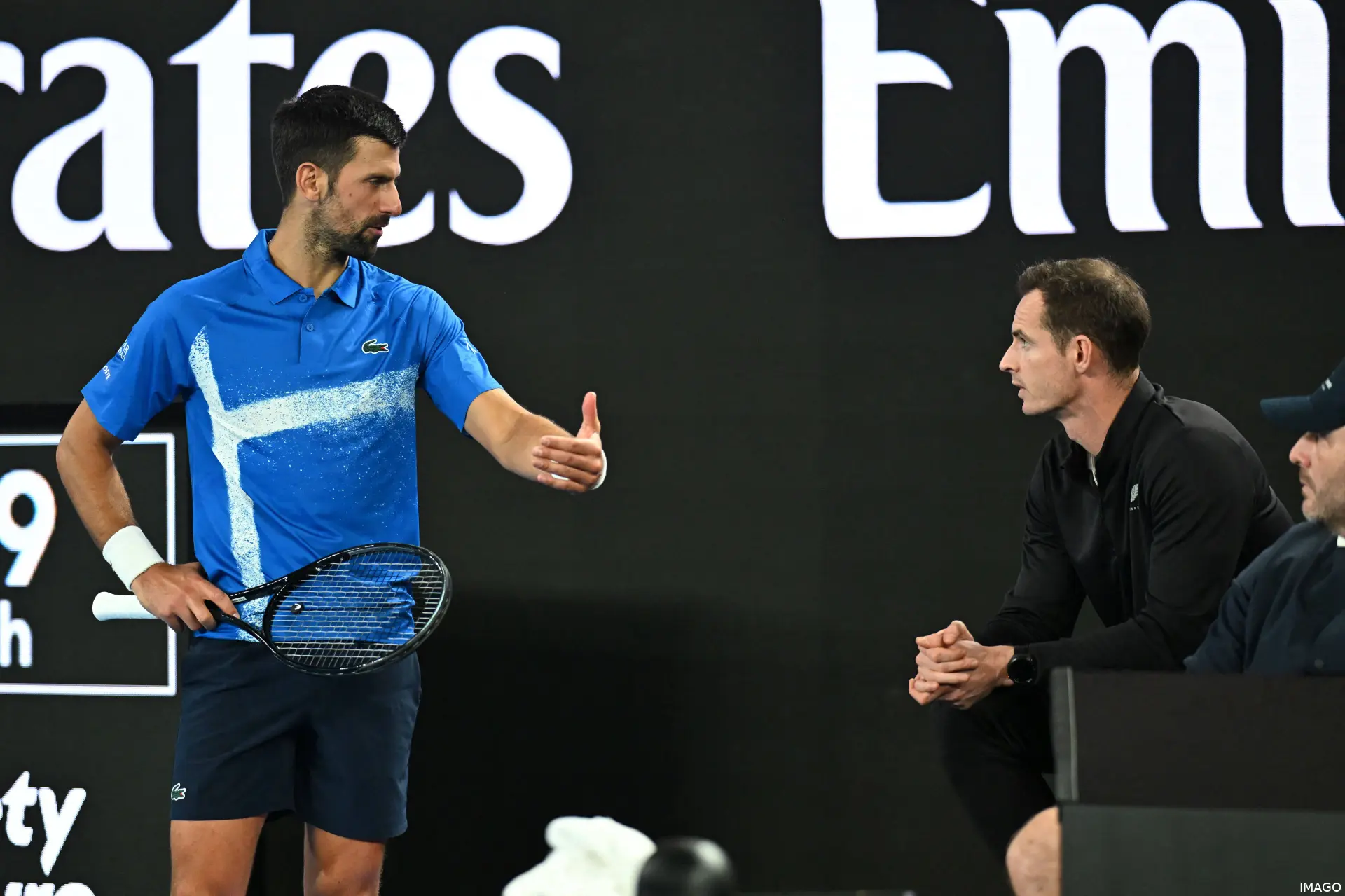
In November 2024, the surprising news came out that Andy Murray had teamed up with former on-court rival Novak Djokovic as his coach. While the relationship did not last long, Murray still holds fond memories from his time he got to coach the 24-time Grand Slam champion.
The pair had jostled on court for years, consistently meeting at the business ends of tournaments. They met in seven Grand Slam finals throughout their illustrious careers. Djokovic won five of them - four at the Australian Open with the other at Roland Garros. Murray's two came at the 2012 US Open and most famously his 2013 Wimbledon title. The duo shared a lot of respect for each other. After Murray played his final match at Wimbledon alongside brother Jamie, Djokovic was there to watch Murray deliver his final speech to Centre Court.
Speaking on The Tennis Podcast, Murray was excited to get started with the Serbian, but knew it would be a challenge. "I mean, you're obviously working with—he’s not just one of the best tennis players, but one of the best athletes of all time," Murray acknowledged. "So my expectation was that it was going to be extremely challenging. Novak, like myself, is a challenging character. The way he goes about his tennis is extremely demanding, and I fully expected that.
"I look back on it and I’m glad that I did it. It was an amazing experience. I learned a bit. Obviously it didn't last that long, but I put everything into it that I had. I tried my hardest to help him. Certainly initially it was going well. It was unfortunate what happened in Australia with the injury. I watched him play some ridiculous tennis there—some amazing tennis, in my opinion. Speaking to his team, I was just so impressed with what he was doing."
The Scot was fully committed to the job. Not even a skiing holiday would stop him from analysing. "I was fully invested. I’d committed to a skiing holiday before I took the job and explained that to him, but I was still sitting there at 11 p.m. watching videos of his matches in Australia, editing them to send to him. I tried my hardest to help. And I made good relationships with his team, whom I still keep in touch with."
Stress levels and his role in the team
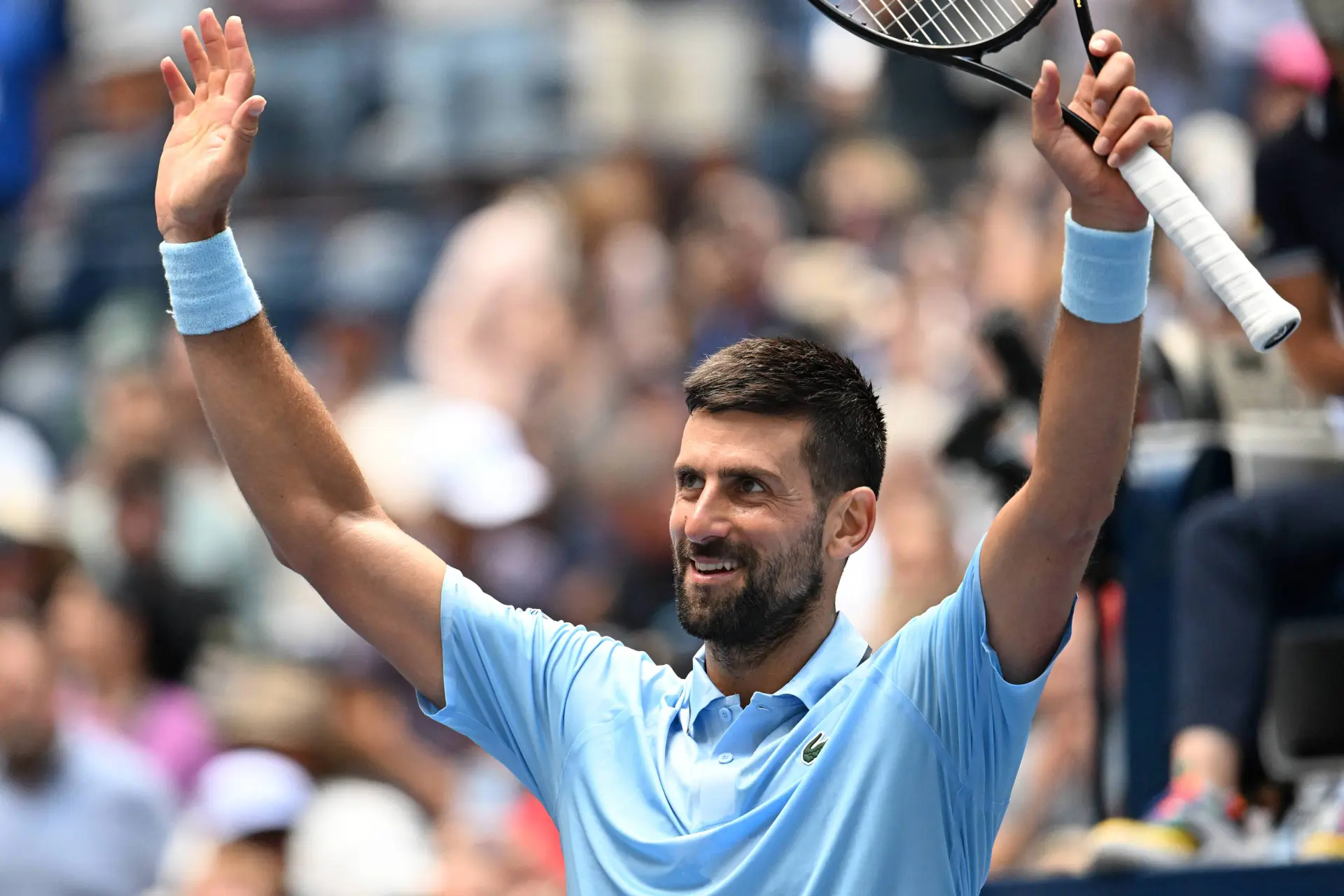
Maybe surprisingly, Murray admitted that it was not the matches that raised his heart rate more, but the build up to it. "I actually didn't find the matches that stressful. The build-up to the matches was more stressful," Murray said. "On match day you can help—comment on what you're seeing, what needs to change."
He then explained his responsibilities. "But the build-up is where the coach has so many responsibilities: making sure the rackets are ready, the practice court is booked, the practice partner is appropriate, the match videos are done."
"I viewed it as my job," he continued. "Novak didn't ask me to do those things—I wanted to, because then you're in control of it. If you mess up the rackets, that’s on you. So I had my list of things to do before matches and made sure they were done right. And then you have to go over strategy and the videos. Novak had an analyst who helped with that—Boris [Bosnjakovic]—who was brilliant. But we spent a lot of time preparing because Novak wanted the videos done well. Sometimes before matches the player needs encouragement or motivation, and you want to find the right words at the right moments. That’s important."
When asked if he was good at motivating talks, he sat on the fence. "You’d have to ask Novak. I don’t know whether I did them well. But I think it’s important for a coach to bring good energy. You don’t want the team coming out flat, but nervous energy isn’t good either. Before a semifinal or final, you need to bring confidence so the player feels you believe in them. Whether I did that well, I don’t know. Novak would need to answer that. But I’m aware of how important it is psychologically, and it’s something I’d want to get better at if I coached again."
Defeating Alcaraz at Australian Open
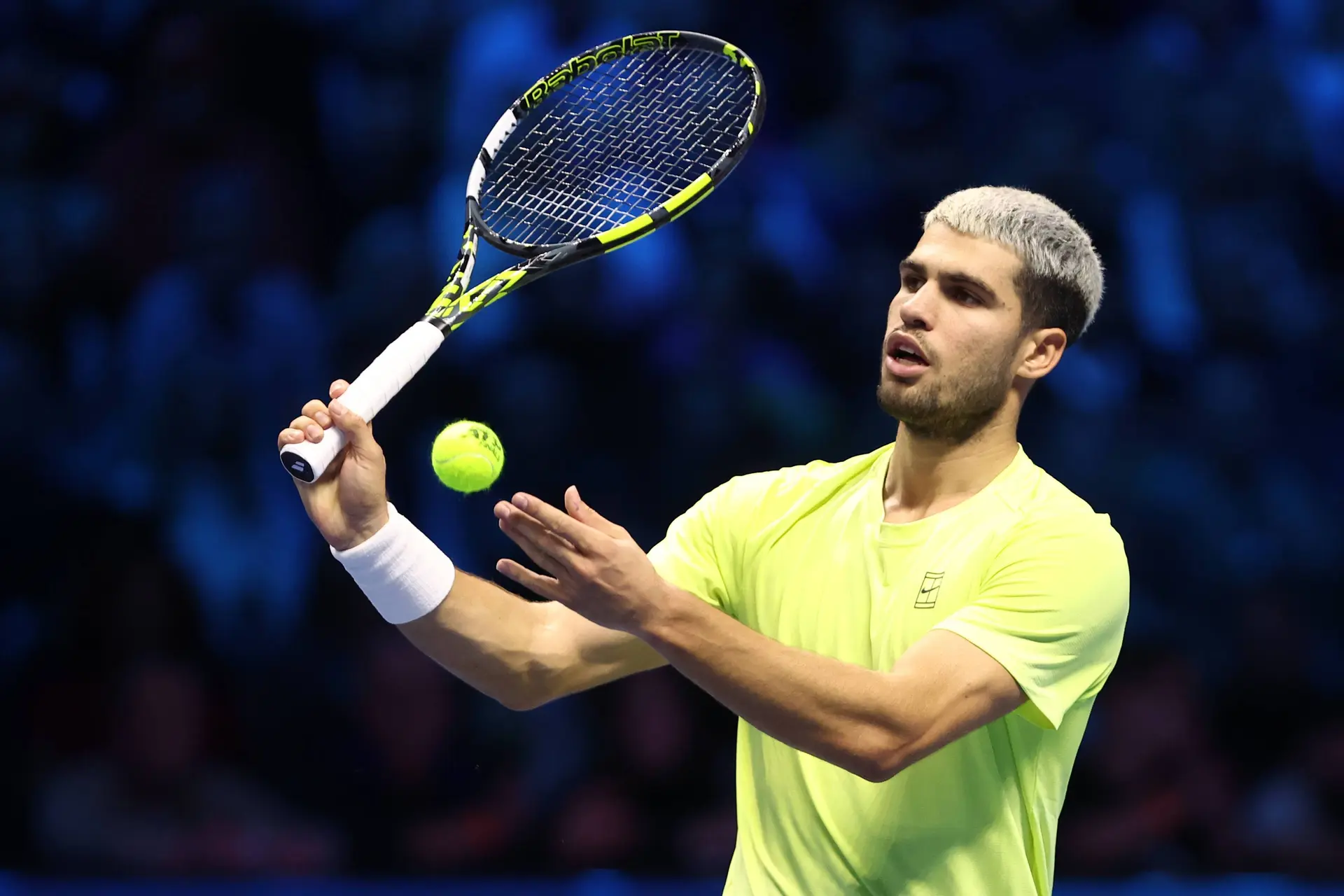
Murray's first big event with Djokovic came Down Under in the Australian Open. The 10-time champion defeated Carlos Alcaraz after putting in a stunning performance to set up a semi-final showdown against Alexander Zverev.
Murray confessed that a lot of preparation went into prepping him for a clash against either Alcaraz or Jannik Sinner. "Honestly, that preparation was done well ahead of time. I worked on it more with his analyst during the off-season," he said. "We focused on patterns of play we thought would work against guys like Alcaraz and Sinner—players he’d likely need to beat to win another major. A lot of that analysis was done ahead of time, because in tennis you don’t get much time between matches. You finish Wednesday, have one day to prepare, and you need to sleep, train, recover—there’s not much time to analyse opponents. So we tried to do as much as possible in the off-season so we weren’t scrambling just before the match."
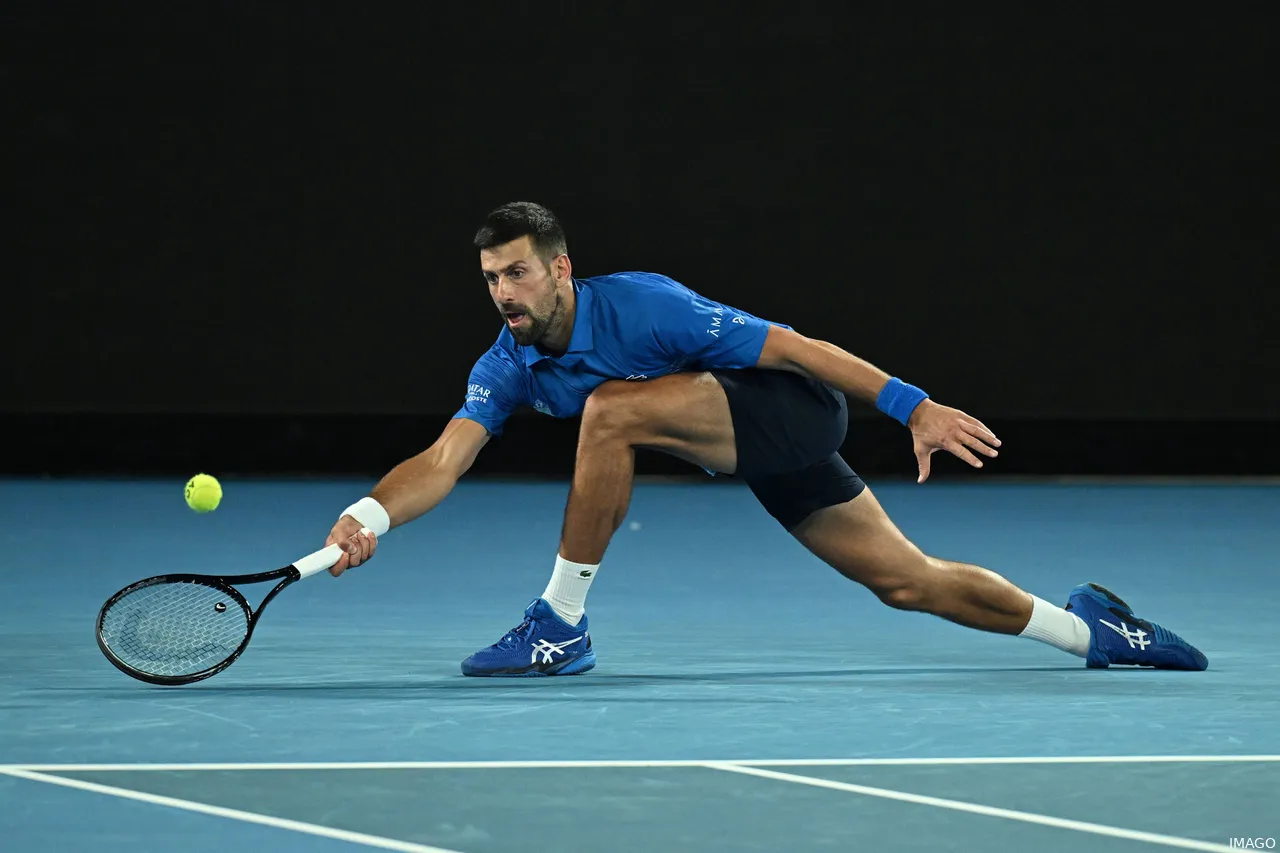
Novak Djokovic at Australian Open 2025
It was a glorious feeling for Murray, who saw his and the team's work pay off. "Yeah. I mean, I wasn’t the one who won the match—Novak did," Murray stated, offering Djokovic his flowers. "He could win that match whether I was sitting there or not. But I did the best I could to help him. The strategy is complicated, but we’d spent a lot of time on it, so it felt clear. But there’s a difference between having a strategy and going out and executing it. Only a few players in the world can do that. You could give a guy ranked 50 the perfect strategy, and Alcaraz probably still wins. Novak is so good that he can execute a strategy perfectly. So yes, the strategy was good, but he played a ridiculous match—that’s why he won."
While it was a good feeling to secure such a big win, he admitted that it does not trump doing it yourself. "It’s different. I was really happy for him and for his team. After the match it was still hard to sleep—I was buzzing. It was so good to watch, and I loved being part of it. But winning as a player is still a greater feeling. Being the one on the court—there’s nothing like it. Still, coaching that match was really special."
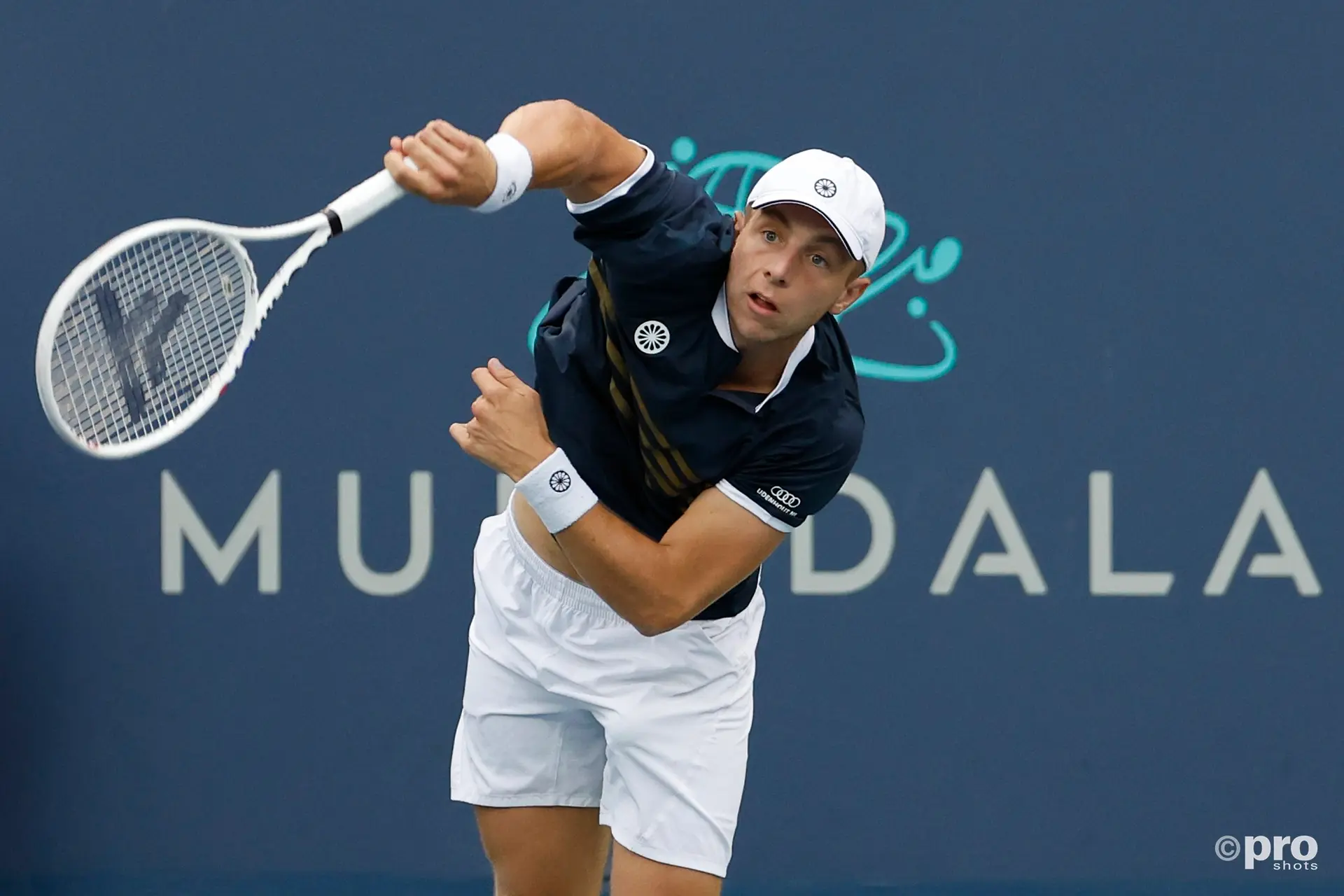
Does Murray miss competing at the highest level?
"No, I don’t think so," Murray answered. "I don’t feel like I’ve had to replace it. I don’t miss it. Golf helps with having a routine and trying to get better at something—I liked that part of tennis: waking up, going to the gym, practicing, trying to improve. I loved that to the end."
He has adapted well away from the court. And while the feeling of success would have been magnificent, he did not miss the events leading up to it. "The competition is hard, though. I don't miss standing on the baseline for the first point of a match at Wimbledon. Winning Wimbledon—I’d love to feel that one more time. But getting there is really hard, and I don’t miss that grind. I dedicated a lot of my life to it, and I'm proud of what I achieved, but I’m not trying to fill a void. And if coaching was supposed to fill that void, I don’t think it did. I enjoyed it in a different way," he concluded.
Lucas MichaelTennis Journalist
Lucas Michael is a tennis journalist based in Cambridge, UK, specializing in comprehensive coverage of the ATP and WTA tours. For the past 1.5 years, he has been a core contributor to TennisUpToDate, where he has authored more than 3,000 data-driven match reports, deep-dive analysis pieces, and engaging liveblogs.
Lucas pairs real-time statistical analysis with on-the-ground reporting, frequently traveling to tournaments to cover the action firsthand from the press box and player press conferences. This blend of advanced metrics and direct access allows him to provide sharp context regarding player form, tactical trends, and breaking tour developments.
He holds a BA (Hons) in Sports Journalism. Grounded in core journalistic ethics, Lucas places a strict emphasis on meticulous sourcing, editorial accuracy, and a commitment to updating live content swiftly as verified information emerges.
claps 0visitors 0
Just In

Popular News

Latest Comments
- Does Sinner need that 4.5 mil? I doubt it. He can make that with three modelling gigs!😅🤣Rapunzel21-10-2026
- Did "People Magazine" purchase this website? This nonstop storyline is bullshit.
 mandoist21-10-2026
 - Listen... this is of no concern to anyone but these two. Deal with your own issues -- most of us have our own. Thanks, media, for these insignificant follow-ups which are meaningless.mandoist21-10-2026
- This is so very very sad, for all three of them. I truly thought they had an unbreakable bond, but life throws up so many differing challenges. Having your homeland suffering in such a terrible way, makes happiness lose out to guilt as well. Our thoughts are with them. X💔bjsexton20-10-2026
- I have lost all respect for Svitolina! Could she not have waited until he had played at the Paris Masters!!! She is selfish and don't give a damn about Gael. That is NOT how love is demonstrated Elina!!Rapunzel19-10-2026
- Perhaps convenient tennis tour sex is not a strong enough experience in which to base a marriage?mandoist19-10-2026
- Fight the Good Fight... Tennis (sports in general) need more Humans such as yourself.mandoist18-10-2026
- When is WTA going to mandate Genetic Testing (DNA) ???mandoist18-10-2026
- Hey, Dan... you just wake up from a coma? Regardless -- Thanks for the comedy this morning!mandoist18-10-2026
- Two Things: 1. Stop allowing these Spoiled Trust-Fund Elitists to behave badly. Your little hand-slaps do not deter them. 2. STOP the incessantly annoying "towel wiping" nonsense!!!!mandoist15-10-2026

Loading