“It’s like drinking 300 litres of Coke during a match”: Alexander Zverev explains medical complication behind Halle defeat to Taylor Fritz
ATP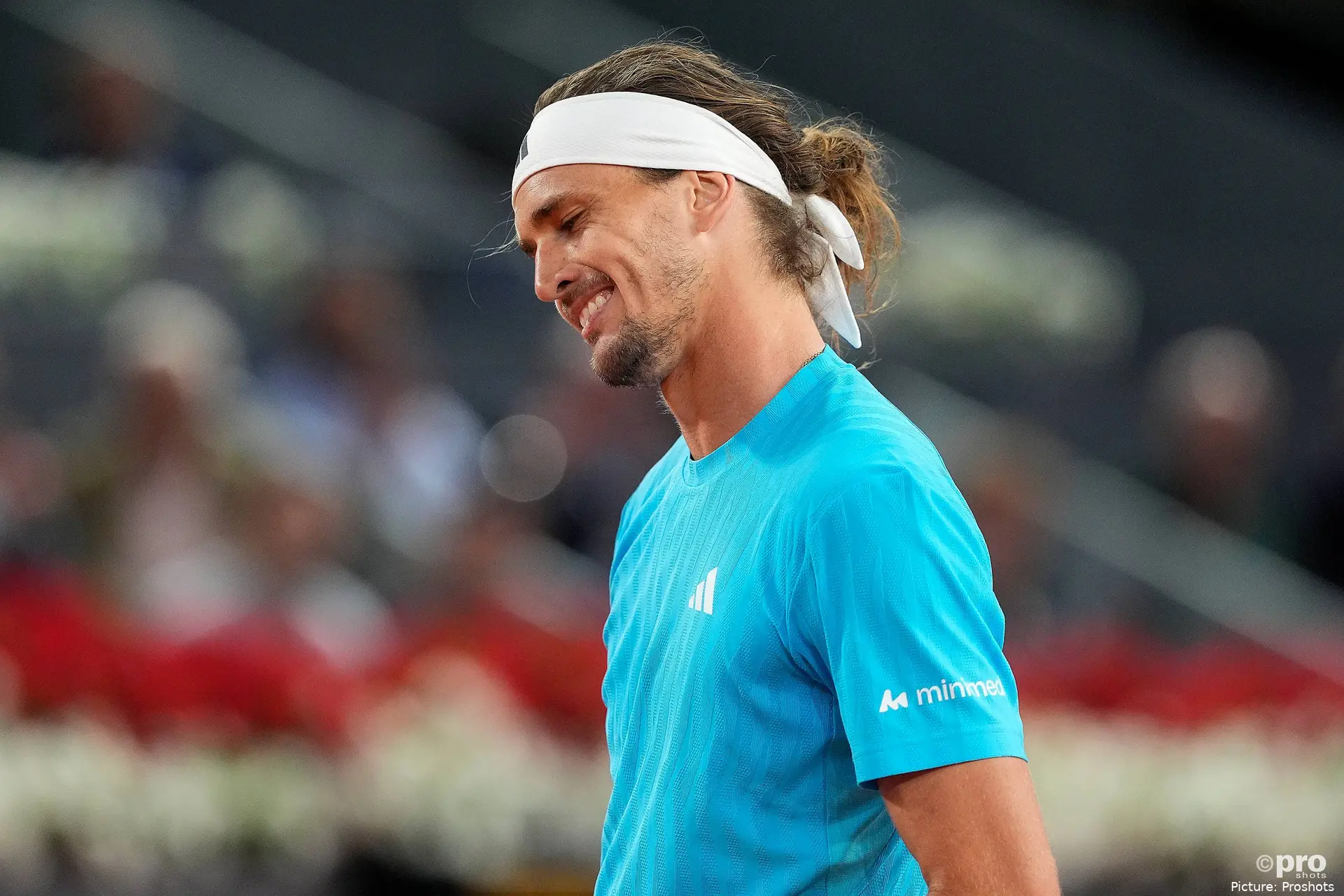
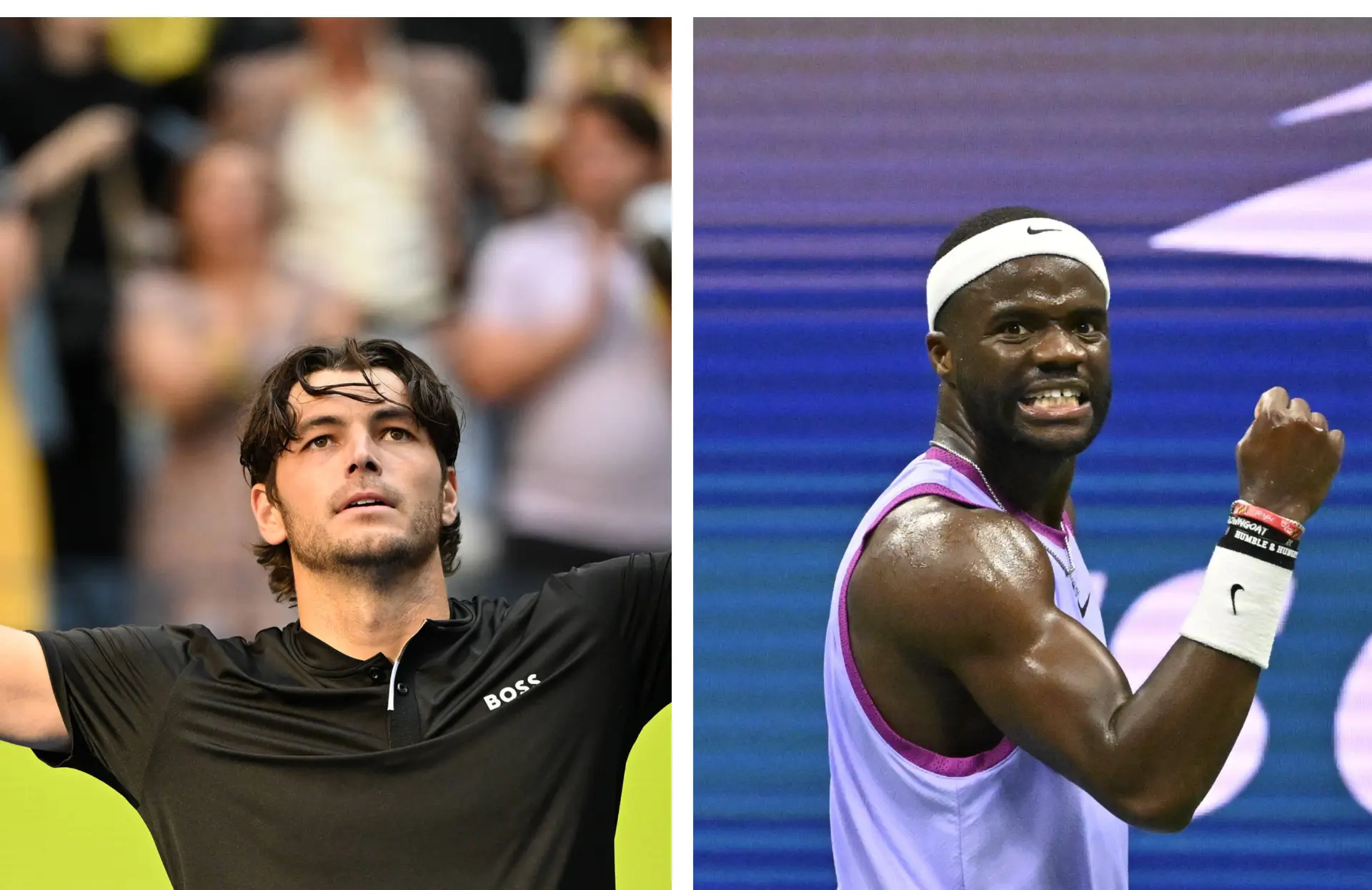
Alexander Zverev referred to the health issue that complicated his preparation and contributed to his semifinal defeat against Taylor Fritz at the Halle Open. The American capitalised on the situation to extend his strong record against Zverev, with Fritz once again proving decisive in the closing stages of a tight three-set match on grass.
Zverev lost the semifinal 6-7, 6-4, 7-5 to Fritz in a match where he struggled to maintain his usual physical intensity. According to his post-match explanation, incorrect readings from the monitoring device led to an inappropriate insulin response and forced him into continuous corrective intake of sugar throughout the match.
The German, who manages type 1 diabetes and uses a glucose monitoring sensor during matches, explained after the contest that a malfunction in the device disrupted his blood sugar control before and during play, affecting his physical condition from the early stages.
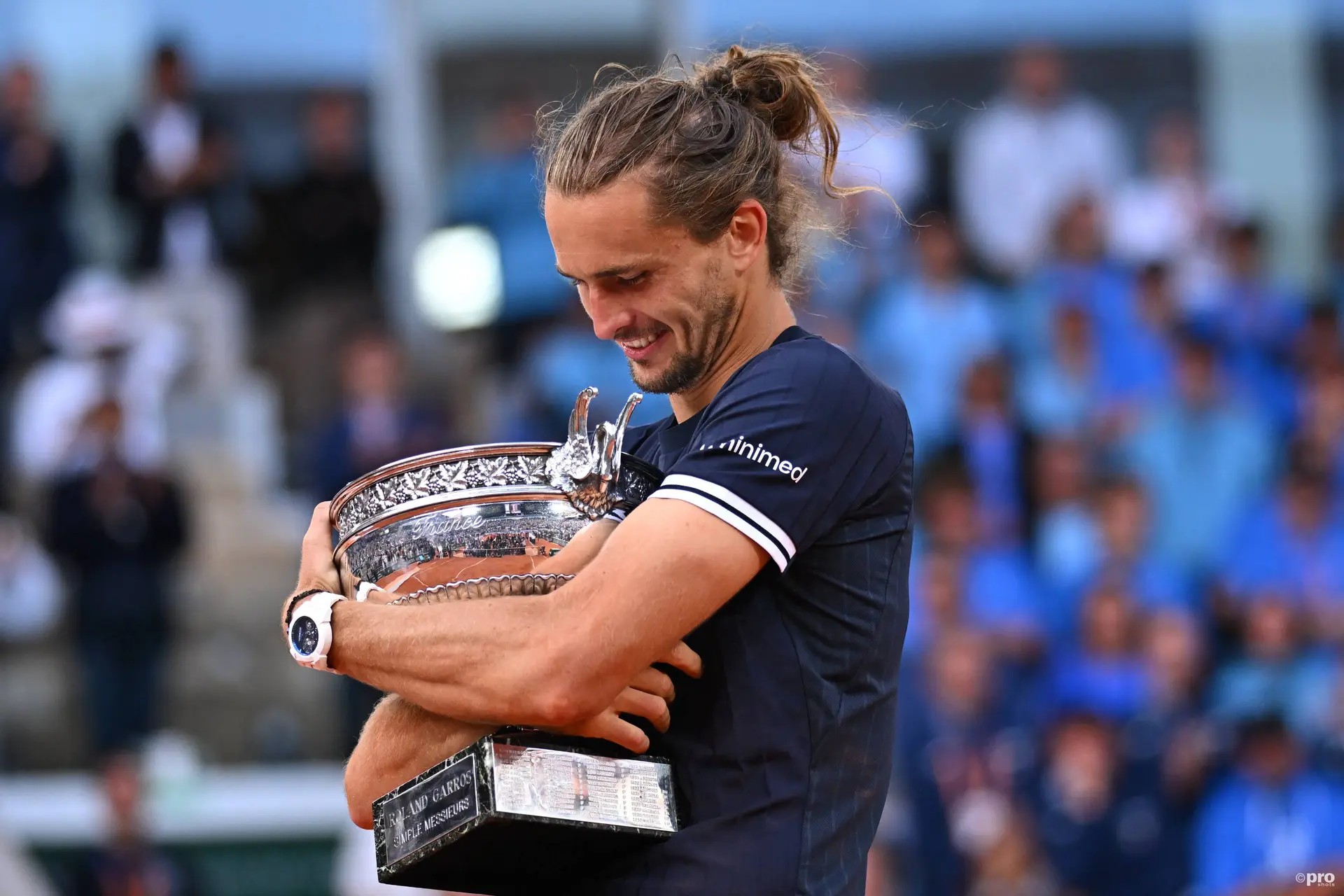
The world No. 3, who entered the match in strong form after a 10-match winning streak including a Roland Garros title, said the issue prevented him from properly expressing his level.
Sensor failure and physical impact during the match
During press conference, Zverev described the glucose sensor malfunction as the key factor that altered the match dynamic. He said the device initially provided incorrect readings shortly before the match, which triggered a chain reaction in his blood sugar management and led to excessive insulin administration and rapid glucose consumption during play.
“My back locked up, but that wasn’t the main reason. I had extreme problems with my blood sugar today because the sensor showed a wrong glucose value, so I injected far too much insulin. During the first 45 minutes I consumed nearly 350 grams of sugar and I just felt terrible.”

The imbalance forced him into constant intake of glucose gels, which he described as necessary to avoid a hypoglycaemic state but physically draining in itself. “I had to keep drinking glucose gels during the whole match.”
“It becomes difficult at some point. It’s like drinking 300 litres of Coke during a match—you’re not going to feel particularly good either. But I had to do it, otherwise I would have been constantly in a hypoglycaemic state.”
Zverev also noted that the first warning signs appeared shortly before the match began, when the sensor indicated unusually high glucose levels that did not match how he physically felt.
“The device showed extremely high sugar levels. Then I already felt like my sugar was low. I checked, and my sugar was actually already low. Then I said: this is going to be a difficult day.”
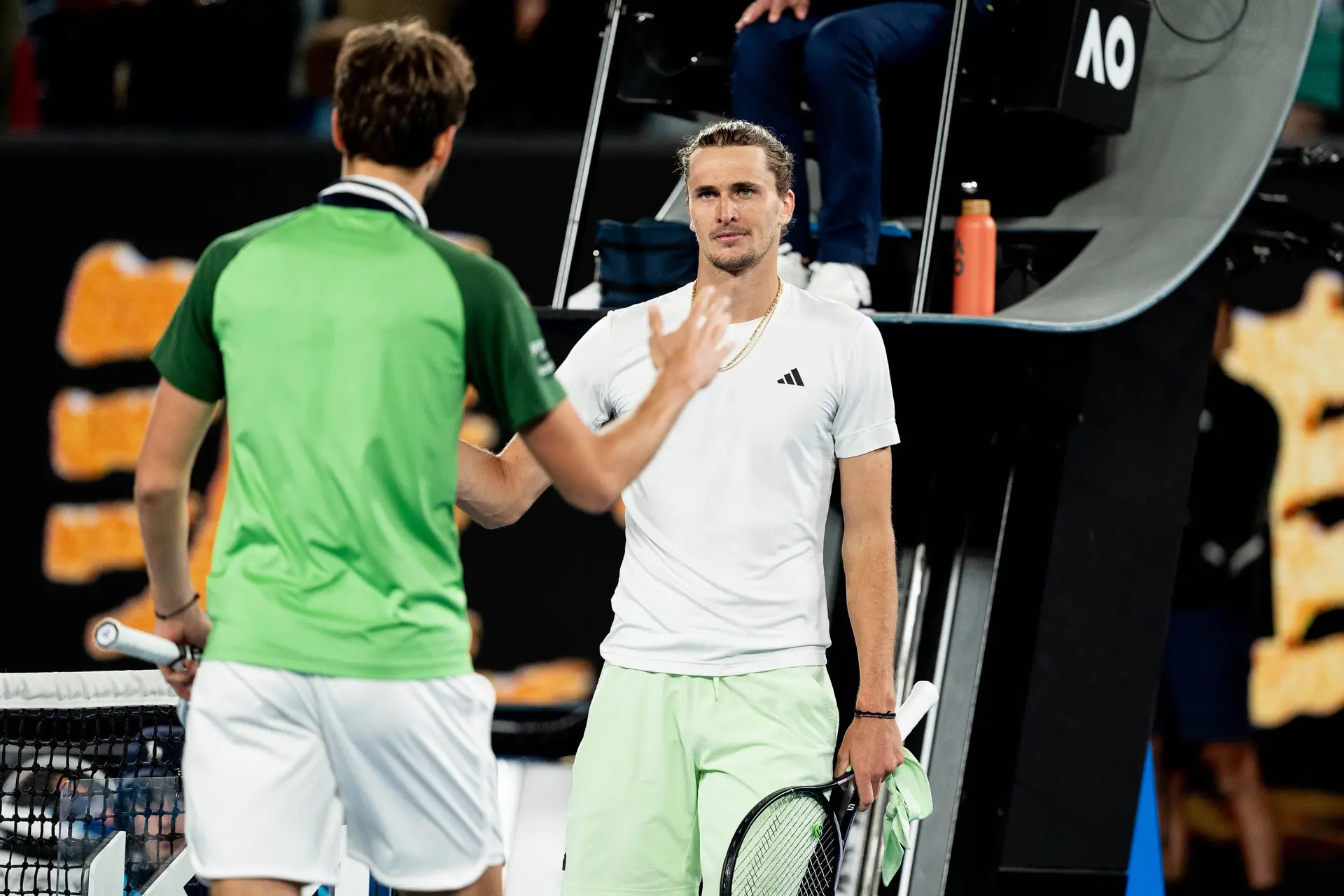
Despite the disruption, Zverev acknowledged that Fritz handled the conditions better and maintained a higher level throughout the decisive moments of the match. “I fought, I gave everything, and in the end you have to say he deserved to win. He played better than me today. He was more present, fresher, moved better, and he deserved to win.”
“I always need a preparation tournament"
Looking ahead, Zverev framed the defeat within a broader preparation phase for Wimbledon 2026, where he is expected to arrive as second seed behind Jannik Sinner, following Carlos Alcaraz’s absence due to injury.
He said the main takeaway from Halle was not the result, but the confirmation that his grass-court game is functioning at a competitive level. “I’m already looking a bit towards Wimbledon,” the 2026 Roland Garros champion said. “I think I played relatively good grass-court tennis here and good matches. Everything else doesn’t matter at the moment.”
Read also
“You need a short memory because the next tournament is already Wimbledon again. I’ll do everything to prepare well and hopefully play good tennis there.”
He reiterated that while other top players can manage different preparation models, his own performance is more dependent on match play to establish rhythm and timing on grass. “I always need a preparation tournament. But Jannik is different. He has won without a preparation tournament, twice actually. Roger Federer also never needed one and still won Grand Slams. I am someone who needs a bit of match rhythm.”

Cristhián AvilaTennis Journalist
Cristhián Ávila is a tennis journalist based in Santiago, Chile, and has been part of the TennisUpToDate team since early 2023. He covers the ATP and WTA Tours as well as all four Grand Slams, producing breaking news, match reports, analysis, and regular liveblogs from major tournaments.
His reporting combines statistical analysis with clear explanation, helping readers understand tactical developments, player form, and broader storylines across the tour. Working fluently in both Spanish and English, Cristhián collaborates with an international editorial team and contributes to comprehensive global coverage. As part of his work, he has conducted interviews and media interactions with leading figures in the sport, including Caroline Wozniacki and John McEnroe.
In his journalism, Cristhián places strong emphasis on careful sourcing, editorial accuracy, and updating articles promptly when new, verified information becomes available. His coverage is grounded in research, context, and direct engagement with professional tennis.
claps 0visitors 0
Just In

Popular News
Latest Comments
- Does Sinner need that 4.5 mil? I doubt it. He can make that with three modelling gigs!😅🤣Rapunzel21-10-2026
- Did "People Magazine" purchase this website? This nonstop storyline is bullshit.
 mandoist21-10-2026
 - Listen... this is of no concern to anyone but these two. Deal with your own issues -- most of us have our own. Thanks, media, for these insignificant follow-ups which are meaningless.mandoist21-10-2026
- This is so very very sad, for all three of them. I truly thought they had an unbreakable bond, but life throws up so many differing challenges. Having your homeland suffering in such a terrible way, makes happiness lose out to guilt as well. Our thoughts are with them. X💔bjsexton20-10-2026
- I have lost all respect for Svitolina! Could she not have waited until he had played at the Paris Masters!!! She is selfish and don't give a damn about Gael. That is NOT how love is demonstrated Elina!!Rapunzel19-10-2026
- Perhaps convenient tennis tour sex is not a strong enough experience in which to base a marriage?mandoist19-10-2026
- Fight the Good Fight... Tennis (sports in general) need more Humans such as yourself.mandoist18-10-2026
- When is WTA going to mandate Genetic Testing (DNA) ???mandoist18-10-2026
- Hey, Dan... you just wake up from a coma? Regardless -- Thanks for the comedy this morning!mandoist18-10-2026
- Two Things: 1. Stop allowing these Spoiled Trust-Fund Elitists to behave badly. Your little hand-slaps do not deter them. 2. STOP the incessantly annoying "towel wiping" nonsense!!!!mandoist15-10-2026

Loading