Qatar Open guarantees $1.2 million appearance incentives for Alcaraz and Sinner
ATPTuesday, 17 February 2026 at 01:00
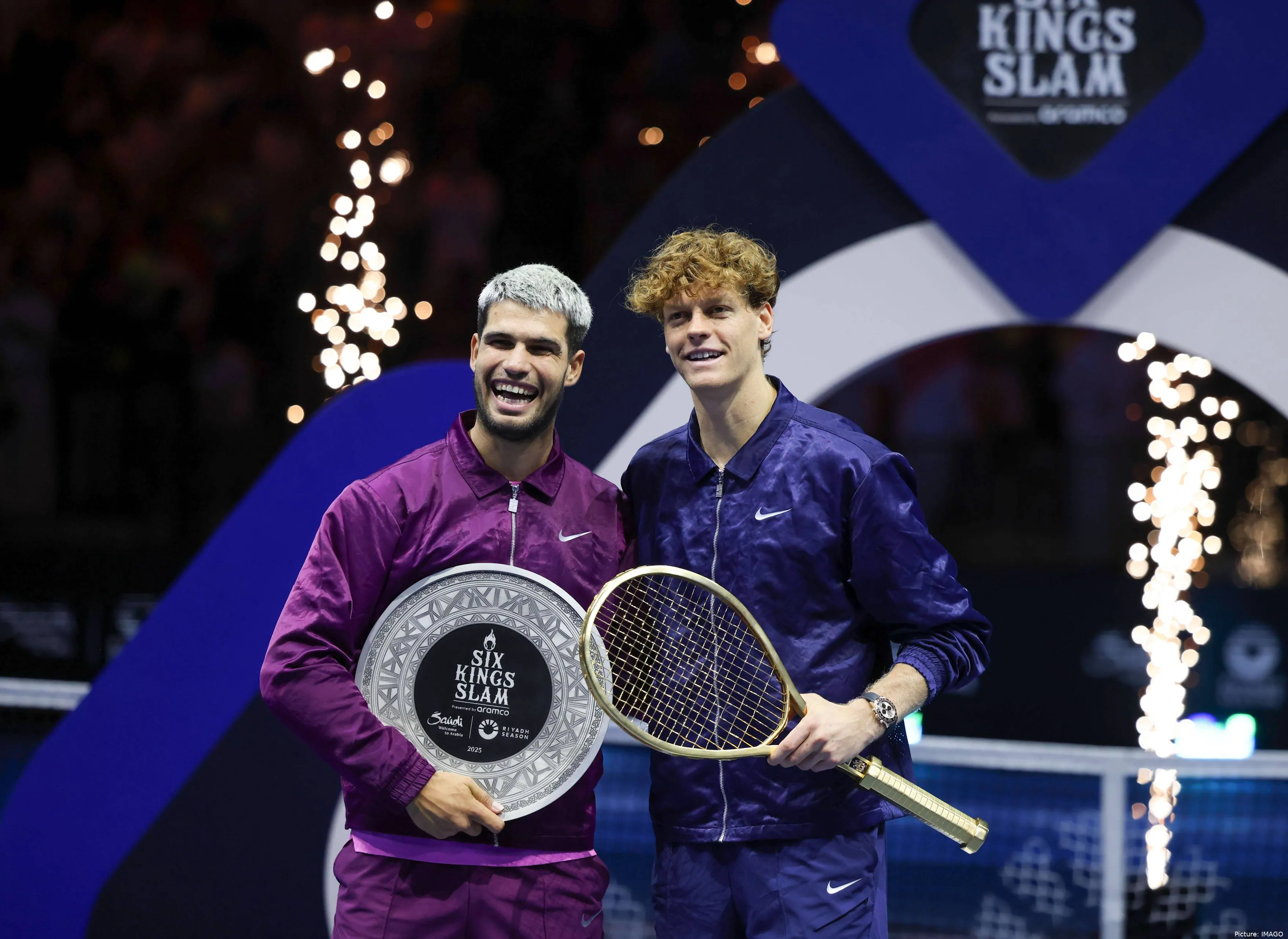
The 2026 Qatar Open begins this week in Doha with a field more typical of a Masters event than an ATP 500. World No. 1 Jannik Sinner and No. 2 Carlos Alcaraz lead the draw, joined by three Top 10 players, including Alexander Bublik, and a total of seven Top 20 competitors such as Daniil Medvedev, Andrey Rublev, Jakub Mensik and Karen Khachanov.
Novak Djokovic, an ambassador for Qatar Airways, had initially entered but later withdrew. Even without the 24-time Grand Slam champion, the tournament reflects the financial power of its organizers, who continue to position Doha as a premium stop on the calendar amid broader discussions about the ATP’s long-term restructuring.
At the center of this year’s conversation are the appearance fees paid to Sinner and Alcaraz. According to information from La Gazzetta dello Sport, both players are receiving approximately $1.2 million in promotional compensation, figures that significantly exceed the tournament’s official prize money for on-court performance.
The 2025 champion in Doha will collect $529,945, while the runner-up earns $285,095. By comparison, the guaranteed sums offered to the top two players underscore how financial incentives at certain ATP 500 events are reshaping the competitive and economic balance within the men’s tour.
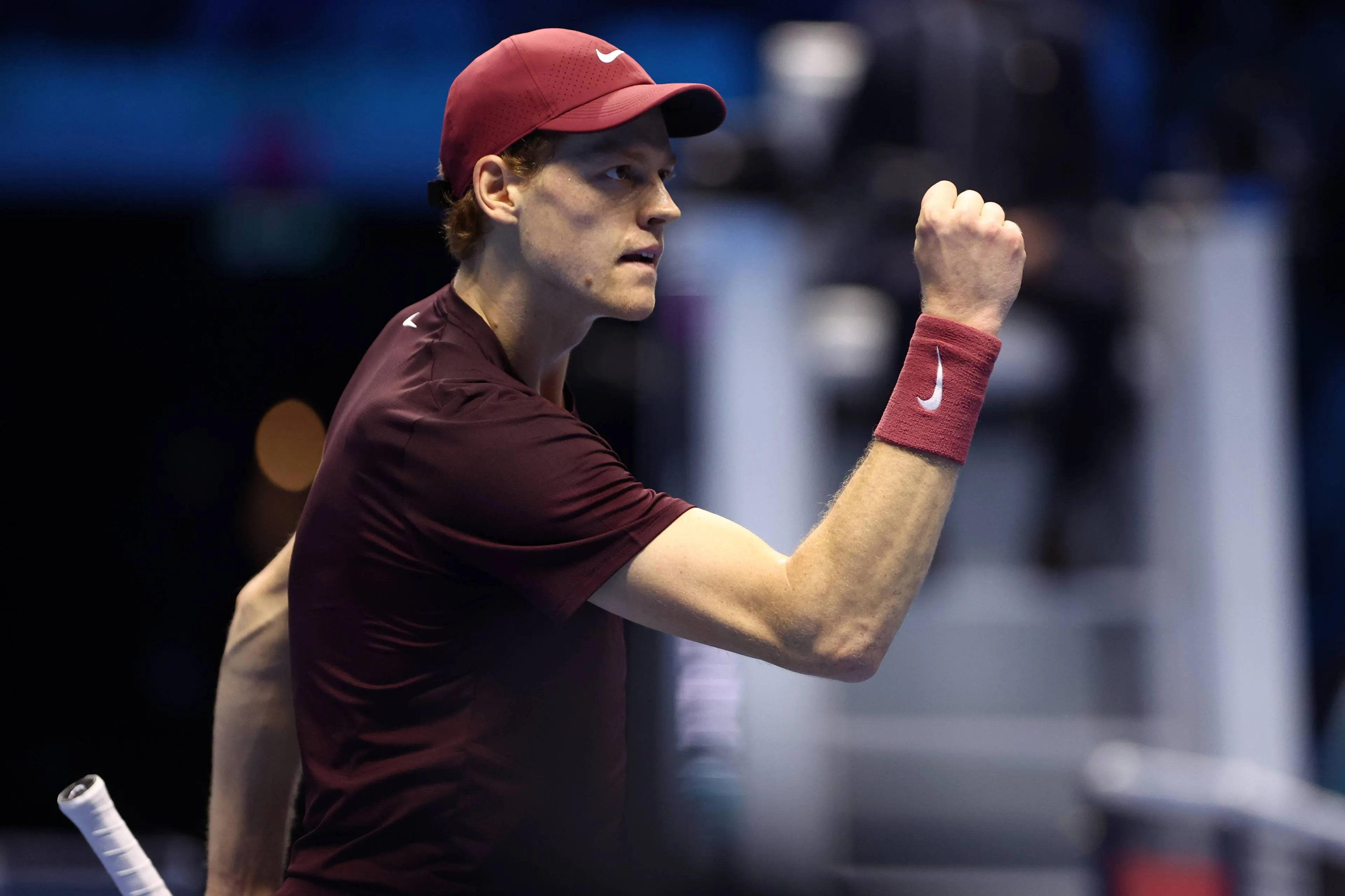
The second seed Jannik Sinner already made his debut this Monday with a convincing victory against Tomas Machac (6-1, 6-4), taking over the Center Court during the night session. Alcaraz – first seed – will take to the court this Tuesday to face Arthur Rinderknech, also occupying the Center Court in Doha.
Promotional fees reshape the ATP 500 landscape
The ATP regulations allow 500 and 250 events to offer compensation for professional services, commonly referred to as promotional fees. These payments are justified by the commercial appeal of elite players. In practical terms, the greater the marketing value, the higher the compensation negotiated between tournament organizers and players’ teams.
In Doha, that mechanism has been used aggressively. According to Gazzetta, while leading players typically command between $800,000 and $1 million for such appearances, Qatar’s financial capacity has pushed that figure higher. As one industry source noted, “the purchasing power of the Qataris favors an increase,” reflecting a willingness to outbid competitors.
This investment aligns with Qatar’s broader sports strategy. The country has been present on the ATP Tour since 1993, gradually upgrading its event from 250 to 500 status and increasing prize money from $1.4 million to $2.8 million in 2025. Former champions in Doha include Stefan Edberg, Roger Federer, Rafael Nadal, Andy Murray and Djokovic, reinforcing its prestige.
Ranking rules add pressure for top players
The financial dimension intersects this season with significant changes to the ATP ranking system. The 52-week ranking basket has been reduced from 19 to 18 tournaments, plus the ATP Finals. Meanwhile, the number of mandatory ATP 500 appearances has been cut from five to four, with one required after the US Open for so-called “committed players.”
These “committed players” are those who finished the previous season inside the Top 30. Withdrawing from a mandatory 500 now results in a zero-point penalty in the rankings, except in cases of long-term injury. That zero can be offset only once per season by playing an additional 500 event during the calendar year, bringing the total to four.
Participation also impacts eligibility for the year-end bonus pool, which distributes $3.1 million based on results in 500 events. Last year, Alcaraz earned $1.2 million from that fund, while Sinner received nothing after competing in only three ATP 500 tournaments. The financial calculus, therefore, extends beyond appearance fees and into ranking strategy.
As ATP President Andrea Gaudenzi explores plans for a more “premium” circuit by 2028, potentially centered around Masters events and including a Saudi Arabian stop, smaller tournaments are watching closely. Some fear marginalization, while others, backed by substantial state investment like Doha, appear determined not only to survive but to push toward 1000-level status.
claps 0visitors 0
Just In
Popular News
Latest Comments
- Illness? Sure, sick over the fact she's run out of legit coaches. Also, perhaps another bout of allergies to 'work' and instruction.
- Two major problems with sports (and Life) in today's world... 1. Self-imposed "experts" like Gilbert, Clijsters, and Stubbs can't keep their nasty opinions and rumors to themselves. They feel a need to talk about things they have no relation to, nor a clue. 2. People & anti-Social Media.
- Anyone else notice how general mental & physical fatigue is a major issue now, given WTA's ignorant refusal to consider the stress of their idiotic scheduling and additional demands??
- What a load of bullshit. Artur Szostaczko failed to mention that he didn't get hired!!
- Almost condescending. BTW: That was another anti-climactic Final compared to several of the excellent pre-Final matches.
- Sounds like maybe a mental health break? Miss her on the tour. My favorite American female player. Hurry back Emma!
- Why are microphones even allowed in front of the coaching boxes??? In this age of hi-tech, whatever is heard (strategy or otherwise) can instantly be relayed to any given opponent. How and why did WTA decide to slip this past everyone? Also, these strategic placements of mic's is obvious stupidity initiating a commentator's personal decision to expound upon -- and apologize for -- foul language, etc., when a player or team member curses, etc. Then media pounces upon every off-color phrase or word in their sensationalistic "news coverage". This practice of literally -- and openly -- eavesdropping needs to stop!!
- So she actually CAN think clearly! If she wants to play tennis, make it a priority. Learn from Life choices (like having a kid with her rapper ex). Today's game is a grueling exercise in Humility if one is not fully dedicated; or does not have the time to do The Work. Raducanu is a shining example of someone with the talent but lacks the drive, attitude, and/or devotion it takes to maintain 100% capacity of everything the Tour demands.
- It's as if troubled 'Condescending Collins' is competing with The Williams' for the daily spotlight. Some just do not know when to quit. Go fix yourselves and stop informing the public of your personal problems. The general public has their own issues in Life.
- Coach Macci and Martina Navratilova are seemingly the only reasonable voices coming out of the tennis circuit in regards to Iga at the moment. People like Stubbs, Gilbert, and anti-Social Media dwellers have very little or nothing to offer. What they are indeed is... predictable. Why certain media think their input is of value is a mystery. Perhaps easy filler for their publications? Media, in general, could/should consider their poor choices and lazy habits of running to the Loudest Mouths for "expert advice". Certain Internet 'news sources' might do their own research and STOP COPYING & PASTING the first articles to hit the web with little-to-no editing or true journalism. As for Iga (and any athlete) they are not robots. They are Human Beings and Humans, as we all know, are not infallable. Leave the expert criticisms and "solutions" to these athletes and their teams. Disgruntled bettors and so-called "experts" are not a solution!

Loading