COLUMN: “Come to Dubai, Habibi!” Just don’t expect everyone to show Up
WTAMonday, 16 February 2026 at 15:15
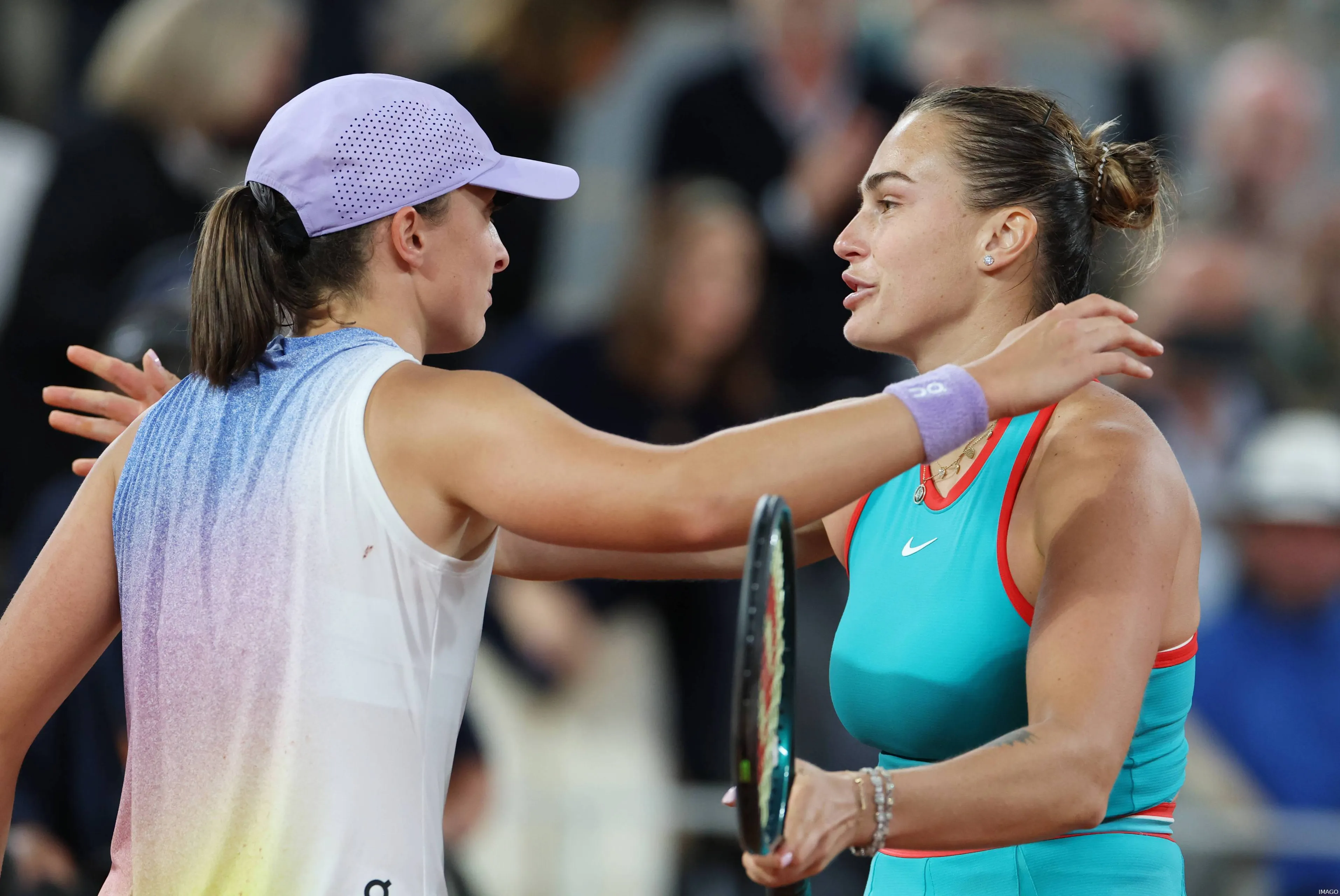
There is a phrase that echoes every February on social media and in glossy tournament promos: Come to Dubai, Habibi. Sun. Skyline. Luxury. World class tennis.
This year, it might need an asterisk. The withdrawal list at the Dubai WTA 1000 is not just long. It is startling. Aryna Sabalenka. Iga Świątek. Naomi Osaka. Madison Keys. Qinwen Zheng. Maria Sakkari. Karolína Muchová. Elisabetta Cocciaretto. Victoria Mboko. And counting.
That is not normal attrition. That is a red flag. This is a 1000 level event. It is supposed to be one of the pillars of the season. It sits right after Doha and just weeks removed from the Australian Open. It should feel like momentum building. Instead, it feels like survival mode.
And here is the uncomfortable truth. It is mid February.
Mid February, and we are already talking about fatigue, burnout, and players needing to protect their bodies from the grind of the calendar. The Australian Open has barely faded from memory. Yet the tour already feels stretched thin, like a band that started the season at full volume and forgot it has nine more months to go.
You can defend the players. The travel is relentless. The surfaces shift. Media days stack up. Sponsor commitments never stop. Doha into Dubai is compressed. Bodies break down. Illness spreads. That is all real.
Read also
WTA 1000 - but don't expect to see the big names
But so is something else. The fans. If you are a fan who bought tickets to Dubai, you did not buy a ticket to watch “whoever is healthy.” You bought a ticket expecting to see the best in the world. That is how the event is marketed. That is how the sport sells itself. That is how sponsors justify the premium.
Now imagine flying in. Booking hotels. Bringing your kids. Maybe it is the one tennis trip of the year. You circle Sabalenka’s name. You hope to see Świątek live. You talk about Osaka’s comeback. And then the draw thins out before the first ball is struck.
At some point we have to ask a hard question. Why are the consequences for late withdrawals so light outside of strict mandatory classifications?
Right now, the system absorbs the shock. The tournament absorbs it. The broadcasters absorb it. The fans absorb it. The player often does not.
If the WTA wants its 1000 events to mean something, then there has to be accountability that extends beyond a narrow definition of mandatory participation. Ranking point deductions for unexplained late withdrawals. Escalating fines. Stronger medical transparency standards. Not to punish genuine injuries, but to discourage strategic absences that undermine the product.
Because this is a product. That word makes some people uncomfortable, but it is reality. Professional tennis depends on ticket buyers, sponsors, and media rights. If fans begin to feel that buying a 1000 event ticket is a gamble rather than a guarantee of star power, behavior changes. And once trust erodes, it is very hard to rebuild.
There is also a bigger structural issue hiding in plain sight.

Karolina Muchova immediately cited fatigue to withdraw from Dubai.
Why are players exhausted in February?
If the tour’s biggest names are already managing fatigue this early, what does August look like? What does the Asian swing look like? What does the fall indoor stretch look like? The pattern we are seeing in Dubai is not isolated. It is a signal that the calendar may be demanding more than even elite athletes can sustainably give.
And the week is not over. History suggests that when this many players withdraw before the event even settles, retirements during matches often follow. Minor injuries flare up. A tight hamstring becomes a precautionary exit. A shoulder tweak becomes a handshake at 3–2. We will call it grit. We will call it professionalism. But it is often depletion.
None of this is anti player. In fact, it is the opposite. If the calendar is burning through top athletes this early in the season, governance needs to respond. Protecting players and protecting fans are not mutually exclusive goals. They are intertwined.
The WTA has spent years fighting for greater visibility, respect, and commercial strength. Those gains are real. But with that progress comes responsibility. A premier event has to feel premier. A 1000 cannot feel optional.
Come to Dubai, Habibi. That slogan works when the stars do too. If the tour does not address the imbalance between player flexibility and fan investment, the marketplace eventually will. And that is a far harsher judge than any ranking points deduction.
The withdrawals are still coming. The question is whether the leadership is listening.
claps 0visitors 0
Just In
Popular News
Latest Comments
- Illness? Sure, sick over the fact she's run out of legit coaches. Also, perhaps another bout of allergies to 'work' and instruction.
- Two major problems with sports (and Life) in today's world... 1. Self-imposed "experts" like Gilbert, Clijsters, and Stubbs can't keep their nasty opinions and rumors to themselves. They feel a need to talk about things they have no relation to, nor a clue. 2. People & anti-Social Media.
- Anyone else notice how general mental & physical fatigue is a major issue now, given WTA's ignorant refusal to consider the stress of their idiotic scheduling and additional demands??
- What a load of bullshit. Artur Szostaczko failed to mention that he didn't get hired!!
- Almost condescending. BTW: That was another anti-climactic Final compared to several of the excellent pre-Final matches.
- Sounds like maybe a mental health break? Miss her on the tour. My favorite American female player. Hurry back Emma!
- Why are microphones even allowed in front of the coaching boxes??? In this age of hi-tech, whatever is heard (strategy or otherwise) can instantly be relayed to any given opponent. How and why did WTA decide to slip this past everyone? Also, these strategic placements of mic's is obvious stupidity initiating a commentator's personal decision to expound upon -- and apologize for -- foul language, etc., when a player or team member curses, etc. Then media pounces upon every off-color phrase or word in their sensationalistic "news coverage". This practice of literally -- and openly -- eavesdropping needs to stop!!
- So she actually CAN think clearly! If she wants to play tennis, make it a priority. Learn from Life choices (like having a kid with her rapper ex). Today's game is a grueling exercise in Humility if one is not fully dedicated; or does not have the time to do The Work. Raducanu is a shining example of someone with the talent but lacks the drive, attitude, and/or devotion it takes to maintain 100% capacity of everything the Tour demands.
- It's as if troubled 'Condescending Collins' is competing with The Williams' for the daily spotlight. Some just do not know when to quit. Go fix yourselves and stop informing the public of your personal problems. The general public has their own issues in Life.
- Coach Macci and Martina Navratilova are seemingly the only reasonable voices coming out of the tennis circuit in regards to Iga at the moment. People like Stubbs, Gilbert, and anti-Social Media dwellers have very little or nothing to offer. What they are indeed is... predictable. Why certain media think their input is of value is a mystery. Perhaps easy filler for their publications? Media, in general, could/should consider their poor choices and lazy habits of running to the Loudest Mouths for "expert advice". Certain Internet 'news sources' might do their own research and STOP COPYING & PASTING the first articles to hit the web with little-to-no editing or true journalism. As for Iga (and any athlete) they are not robots. They are Human Beings and Humans, as we all know, are not infallable. Leave the expert criticisms and "solutions" to these athletes and their teams. Disgruntled bettors and so-called "experts" are not a solution!

Loading