Juan Martin Del Potro gives Alcaraz blunt wrist advice after years of injury suffering: “Stopping for four months was an intelligent decision”:
ATP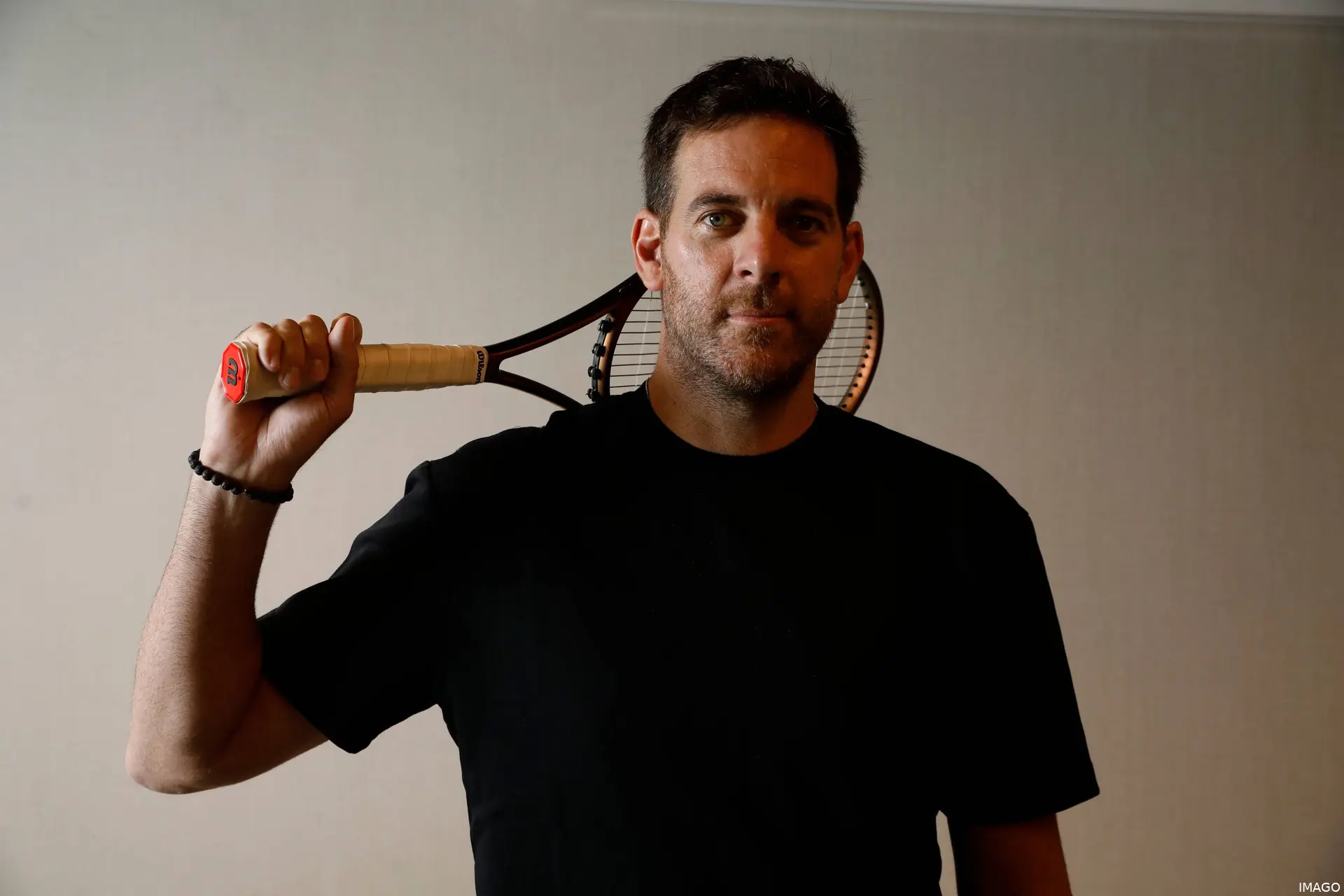
Juan Martin del Potro knows better than most what can happen when a tennis player refuses to listen to an injured body. The former US Open champion saw his own career repeatedly interrupted by serious physical problems, particularly in his wrists, and has now used that painful experience to offer advice to Carlos Alcaraz following the Spaniard's four-month absence from the ATP Tour.
Alcaraz returned to competitive singles action at the US Open this week after 139 days away, defeating Roman Safiullin in straight sets in his opening match. The Spaniard admitted afterwards that he had been nervous about returning to competition and acknowledged that his serve was still an area requiring improvement, even though he was relieved to be playing pain-free again.
For Del Potro, however, the most important aspect of Alcaraz's comeback may not be how quickly he can rediscover his highest level. It is whether he can avoid making the mistakes that the Argentine believes ultimately cost him so much during a career that was repeatedly derailed by injuries.
Speaking to La Nacion ahead of his work as part of ESPN's US Open coverage, Del Potro revealed that he had spoken directly with Alcaraz while the Spaniard was still recovering. His message was simple, but it came from years of frustration, surgeries and failed attempts to force his way back onto court.
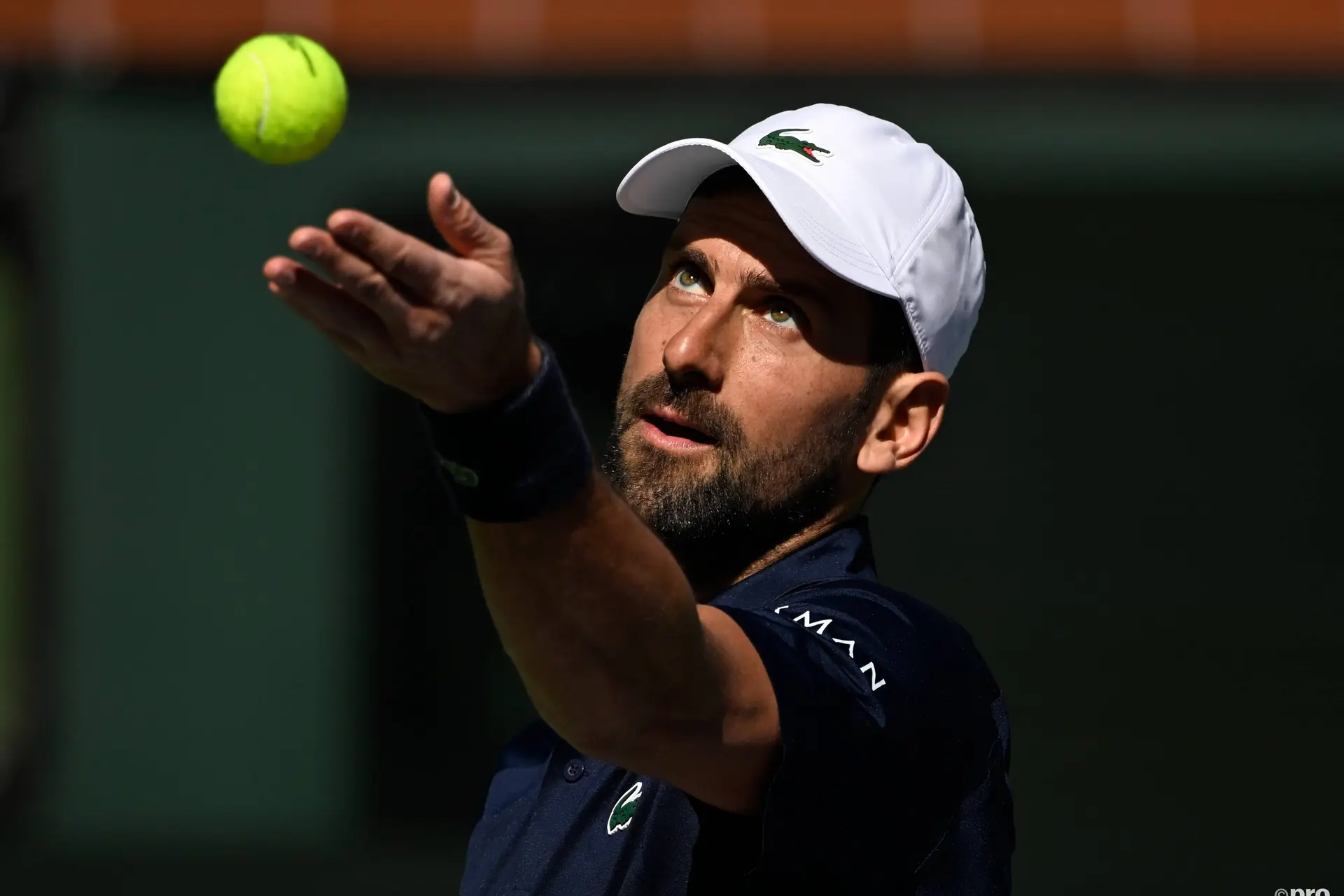
Del Potro learned the hard way about rushing a comeback
The Argentine's career remains one of the great what-if stories of modern tennis. A US Open champion in 2009, Olympic medalist and former World No. 3, Del Potro possessed a level capable of challenging the Big Three at their peak. But repeated wrist injuries and, later, a devastating knee problem repeatedly interrupted his progress.
His final years as a professional were particularly difficult. Del Potro underwent numerous operations and spent years searching for a solution that would allow him to return without constant pain. His eventual retirement came not because of a lack of desire to continue, but because his body would no longer allow him to do so.

Juan Martin del Potro at Roland Garros 2019
That history explains why he viewed Alcaraz's injury layoff differently from those questioning whether the Spaniard should have returned directly to a Grand Slam. Del Potro believes the four-month break was not excessive, but necessary.
“I have a close relationship with him. We crossed paths in the United States while he was still wearing the brace and my advice was: ‘Patience with the wrist and don't touch it.’ I suffered it myself and at that time, because I didn't want to stop or didn't want to lose that No. 4 or No. 5 ranking, I was doing things that Carlitos doesn't have to do today.”
The comment is particularly revealing given the position Alcaraz occupies in the current game. Unlike Del Potro during much of his career, the Spaniard does not need to fight desperately for ranking points to remain among the elite.
Read also
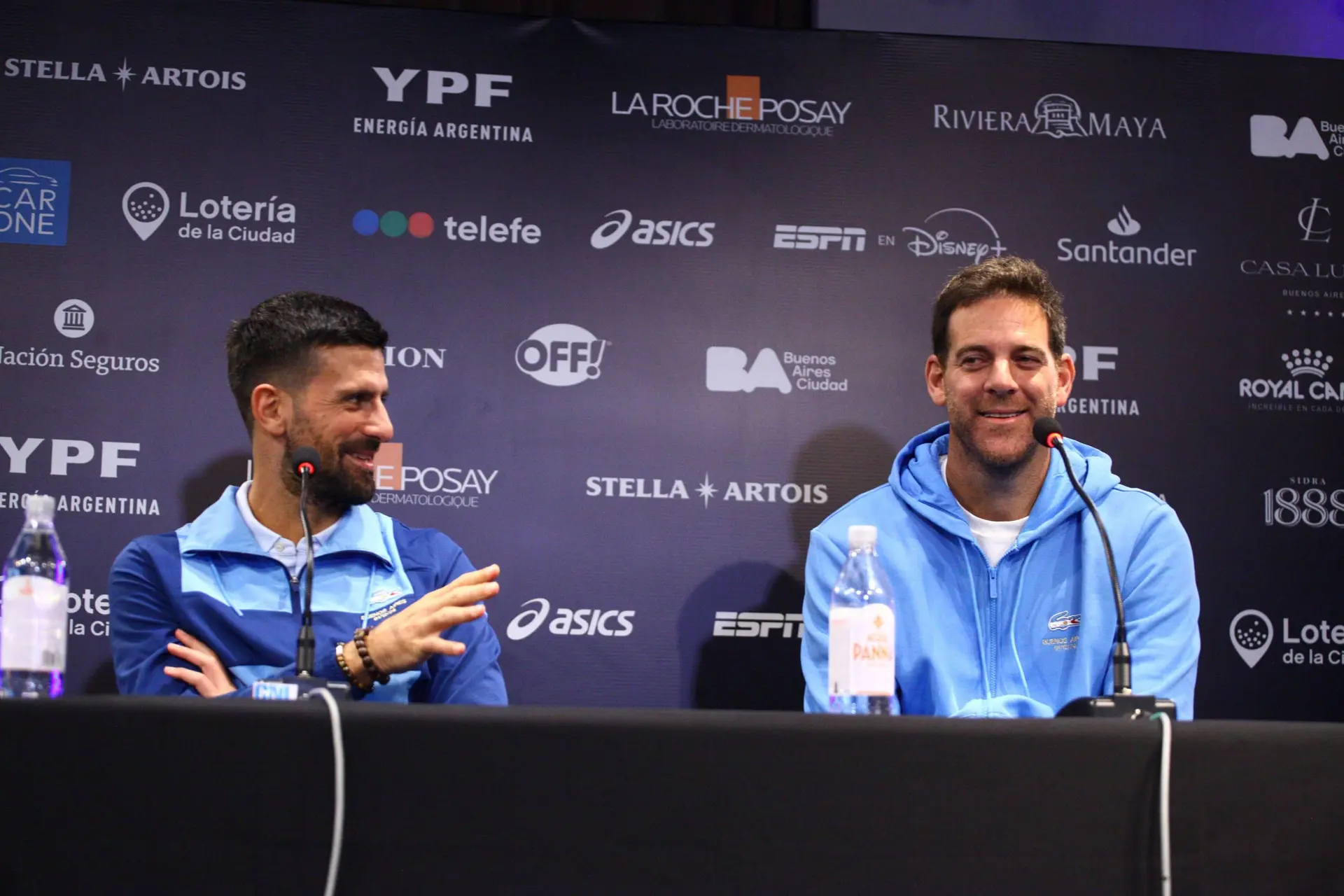
"Stopping for four months was an intelligent decision"
Del Potro also pointed to the current gap between the two leading players and the rest of the ATP field as another reason Alcaraz could afford to prioritize his recovery.
“Also, with No. 1 and No. 2 being so far ahead of the rest, they can take a few months and it won't change much in the rankings. So stopping for these four months was an intelligent decision.”
It is advice that carries considerably more weight coming from Del Potro than from almost anyone else in tennis. His own career was shaped by the constant temptation to return before his body was fully ready, particularly when ranking positions, major tournaments and the possibility of losing momentum were involved.
Alcaraz has now taken the opposite approach. He missed more than four months of competition, skipped the entire European clay and grass-court swings after his injury and arrived in New York without a conventional singles comeback tournament behind him.
Read also
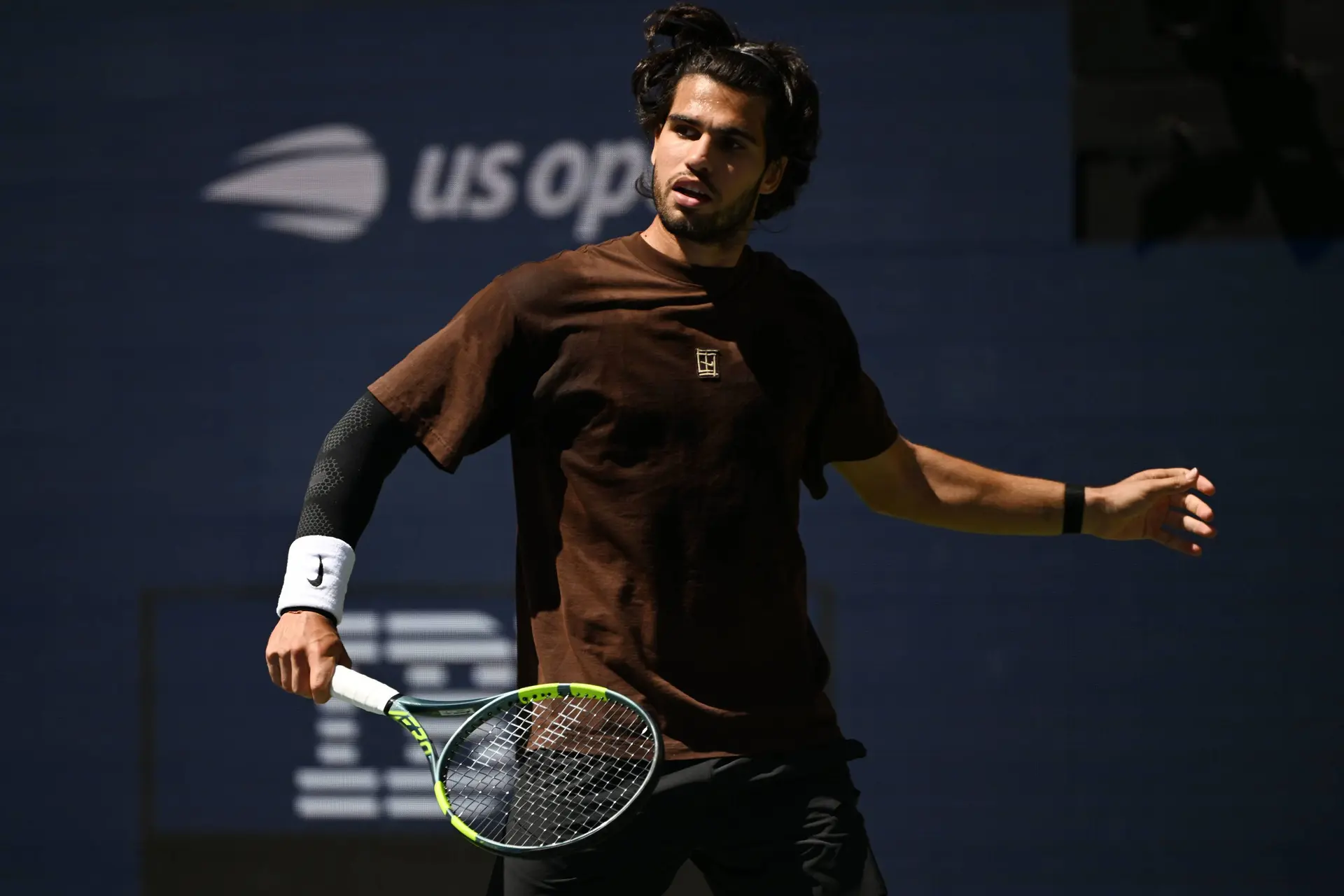
Whether that decision ultimately pays off over the coming fortnight remains to be seen. Alcaraz himself has admitted that he does not know how his body will respond if pushed into a four- or five-set battle.
But for Del Potro, the most important victory may already have happened. Alcaraz stopped, waited and allowed his body the time it needed — precisely the patience that the Argentine admits he did not always have when his own career was being consumed by injuries.

Cristhián AvilaTennis Journalist
Cristhián Ávila is a tennis journalist based in Santiago, Chile, and has been part of the TennisUpToDate team since early 2023. He covers the ATP and WTA Tours as well as all four Grand Slams, producing breaking news, match reports, analysis, and regular liveblogs from major tournaments.
His reporting combines statistical analysis with clear explanation, helping readers understand tactical developments, player form, and broader storylines across the tour. Working fluently in both Spanish and English, Cristhián collaborates with an international editorial team and contributes to comprehensive global coverage. As part of his work, he has conducted interviews and media interactions with leading figures in the sport, including Caroline Wozniacki and John McEnroe.
In his journalism, Cristhián places strong emphasis on careful sourcing, editorial accuracy, and updating articles promptly when new, verified information becomes available. His coverage is grounded in research, context, and direct engagement with professional tennis.
claps 0visitors 0
Just In

Popular News
Latest Comments
- A healthy Qinwen may be hard to stop next season. She was already scaring her opponents before her medical leave(s). Unfortunately, Zheng insisted on singing again. On the positive side -- Mirra did not sing!! ;~}
 mandoist11-10-2026
 - Where is it written that athletes, entertainers... People in general... are mandated to keep looking at -- or even using [anti]Social Media? Public & private figures consistently complain and reveal their concerns about negativity and violence thrown at them -- yet they insist on participating. Avoid it, don't use it, don't read it. It's okay to occasionally look up at the World instead beating your eyes & thumbs to death on The Inventions out there.mandoist11-10-2026
- great articlestennisseserver07-10-2026
- Medvedev was leading Djokovic 7-5, 3-5 when an attempted return..' NO you ignorants, Djokovic was leading .weiss05-10-2026
- No more bullshit "Wildcards" to these two. Qualify like everyone else -- there will be cameras there, too. Time to scream... WTF ????!!!!mandoist29-09-2026
- Let's not BS the general public -- Sabalenka started showing cracks in her game last season. Her losses and near-losses started at about the same time she began being distracted by Fame (constant Selfies, making TV commercials, magazine shoots, endless Social Media nonsense, etc., etc.) One would think even Saba could recognize the parallels with others who failed before her -- Raducanu, Giorgi, Bouchard to name a few.mandoist25-09-2026
- Gross!! Hey Raducanu, Giorgi, and Bouchard -- reserve a seat at your Social Media Selfie table for Saba + Naomi. They're heading in your direction soon enough.mandoist24-09-2026
- And then these same players will complain about how lengthy their season’s were and need more time-off. I’m all for more tennis but the amount of tennis we get now is actually kind of crazy! We all need a break, especially the players.DaveyWavey23-09-2026
- You should do a comparison article for "different kinds of justice" the courts decide for tennis players. I can think of at least three players who received very small bans of a few months, however Tara Moore has been fighting for her literal survival the past few years. It seems odd considering she is not a "name" player, unlike the other cases.DaveyWavey22-09-2026
- PRIZE MONEY & POINTS Winner - $185,500 Finalist - $114,500 Semi-Finalist - $66,003 Quarter-Finalist - $35,000 Round of 16 - $18,045 Round of 32 - $13,005 Winner - 500 Finalist - 325 Semi-Finalist - 195 Quarter-Finalist - 108 Round of 16 - 60 Round of 32 - 1DaveyWavey20-09-2026

Loading