"Maybe I would have never won a Slam": Alexander Zverev opens up after historic French Open triumph
ATP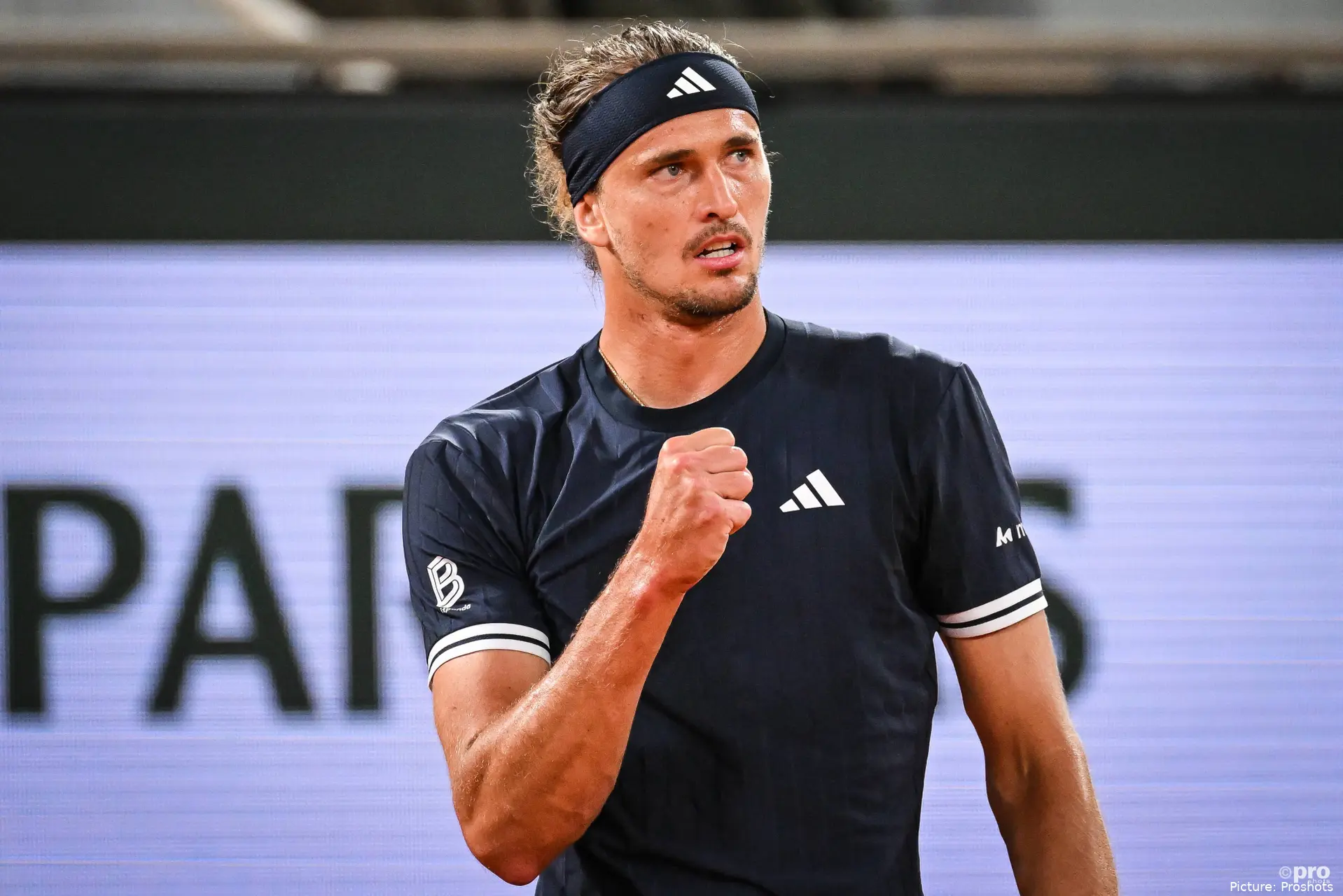
Alexander Zverev finally removed the biggest question mark of his career on Sunday, defeating Flavio Cobolli 6-1, 4-6, 6-4, 6-7(5), 6-1 in the Roland Garros final to claim his first Grand Slam title. The German prevailed after four hours and 16 minutes on Court Philippe-Chatrier, ending a decade-long pursuit of a major trophy and improving to 1-3 in Grand Slam finals.
The victory carries significant historical weight. Zverev became the first German man to win Roland Garros since Henner Henkel in 1937 and the first German man to win a major title since Boris Becker lifted the Australian Open trophy in 1996. He also joined Andre Agassi, Goran Ivanisevic and Dominic Thiem in winning a first major title at the fourth attempt in a Grand Slam final.
Ranked No. 3 in the PIF ATP Rankings, Zverev arrived in Paris with an opportunity that many believed might never come again. Defending champion Carlos Alcaraz withdrew before the tournament, world No. 1 Jannik Sinner exited unexpectedly, and Novak Djokovic was unable to capitalise on the opening. Zverev ultimately took advantage of the draw, although not without surviving a major scare after Cobolli forced a deciding set.
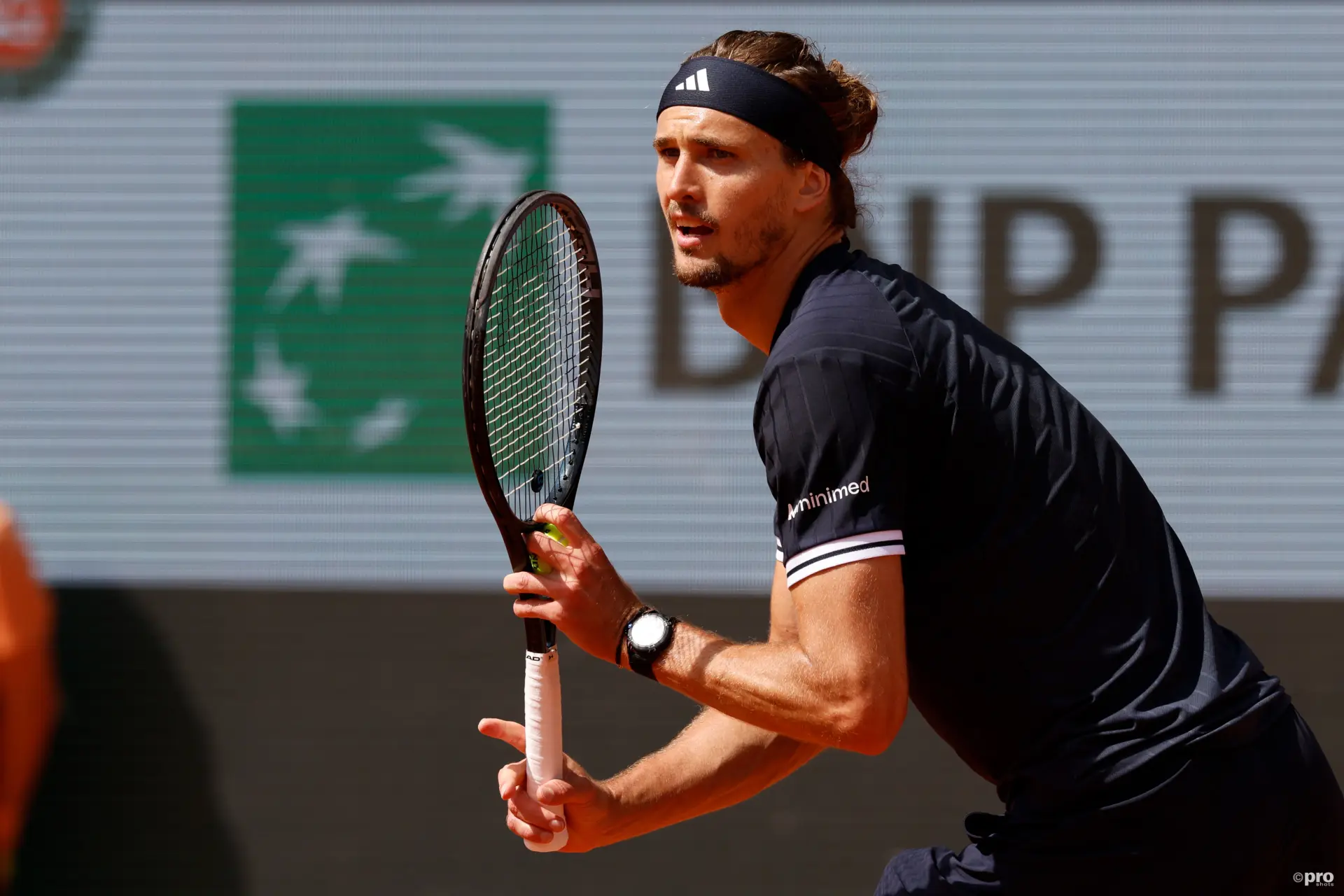
Speaking shortly after the match, the 29-year-old reflected on a journey that included both physical and emotional setbacks in Paris. His memories of Roland Garros include the severe ankle injury suffered in 2022 and the disappointment of losing the final to Alcaraz two years ago. This time, however, he left Chatrier holding the trophy.
Years of heartbreak finally replaced by triumph
Zverev said the significance of the victory was shaped by everything he had previously endured on the same court. The German acknowledged that Roland Garros had delivered some of the most painful moments of his career alongside some of its most meaningful.
"It means the world. As you said, this court has been with some of my most special memories, but some of my biggest heartbreaks," he said to TNT Sports. "Laying on the floor with seven broken ligaments and two fractured bones, and also losing the final two years ago here against Carlos. These are all tough moments that you remember."

Despite entering the final in strong form, Zverev admitted he struggled to manage his emotions as effectively as he had throughout the previous rounds. He described the match as inconsistent from his side, particularly compared to earlier performances during the fortnight.
"I felt like throughout the two weeks, I was managing my emotions extremely well. I was playing well in important moments. I felt like today, I didn't. I was a lot more nervous. I feel like the match was a lot more up and down from my side, but at the end of the day, the most important thing was the fifth set. I've won that, and I'm happy to be holding this."
The result completed a remarkable turnaround for a player who had fallen short in previous major finals at the US Open, Roland Garros and Australian Open. For years, questions surrounded whether he would ever convert his talent into a Grand Slam title. In Paris, those doubts finally disappeared.
Cramping became an unlikely turning point
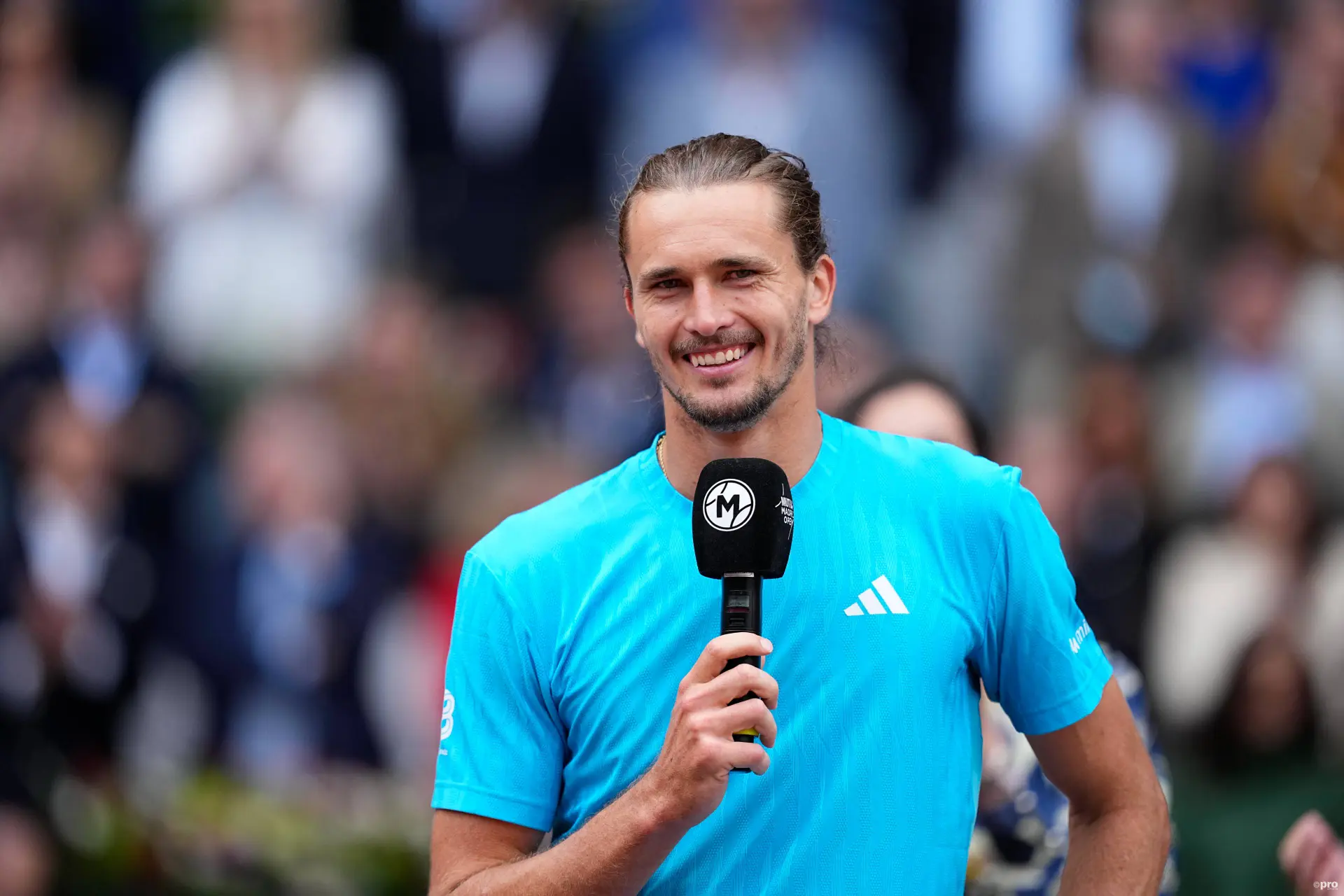
One of the most revealing moments of Zverev's post-match comments concerned the physical difficulties he experienced during the latter stages of the contest. Rather than viewing the cramps as a negative factor, he believes they helped change his mindset at a crucial stage.
The German explained that the issue was driven primarily by nerves rather than fatigue. He had not cramped during a match for roughly a decade, but the tension of competing for a first major title created a different challenge. According to Zverev, the discomfort unexpectedly helped him relax.
"What kind of helped me mentally was that I was cramping a bit, and I was cramping because of emotional effort. I wasn't cramping because of physical effort. I haven't cramped in probably 10 years, and I was very nervous. I was very kind of tightened up, and then once I cramped, I relaxed, and that helped me, and I feel like I played better in the fifth set. I played more free. I played more aggressive. Today, I actually think that I won because of the cramps."
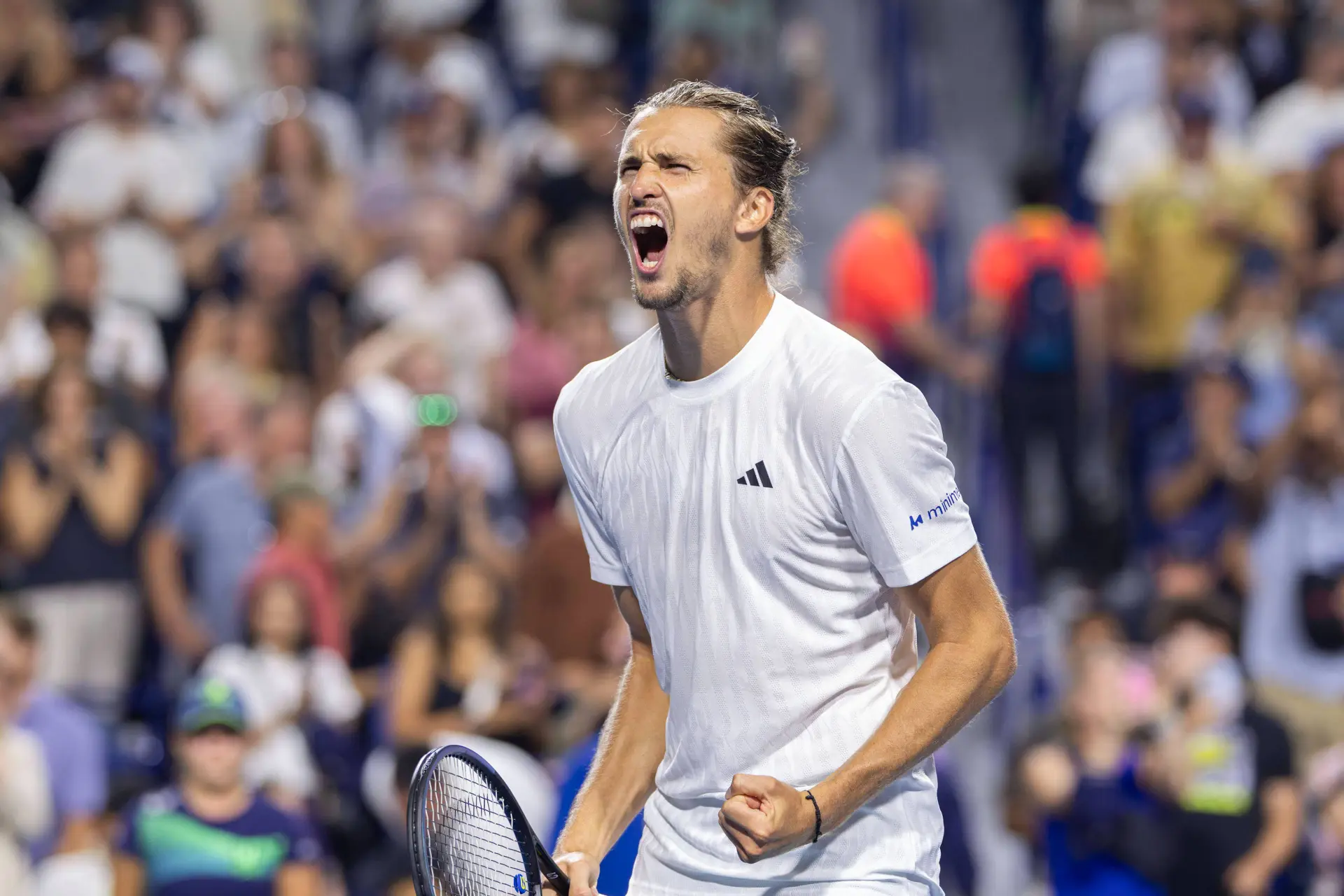
Zverev also highlighted a key moment between the fourth and fifth sets. After losing the tiebreak and watching Cobolli leave the court for a bathroom break, he had time to recover physically and mentally. The pause allowed him to reset before producing his strongest tennis of the match.
"It really helped me that he left for a bathroom break, and I kind of had five minutes because my legs kind of got better. I was not cramping as much, and then as I said, I was a lot more relaxed. I was a lot more free in my head in the fifth set than I was in the entire fourth set. Again, I think I played probably my best set of the final, which was my fifth set."
A new chapter begins after the biggest victory of his career
Beyond the trophy itself, Zverev suggested the victory could alter how he approaches the remainder of his career. For years, the absence of a major title followed him into every Grand Slam event. He now believes that burden has finally been removed.
The German openly acknowledged that another defeat in a major final might have changed the trajectory of his career. Instead, he leaves Paris with the freedom that comes from achieving the objective he had pursued since childhood.
"I think it's definitely a huge stone that is gone from my shoulders. I do feel like now, looking back, if I probably would have lost this final, I maybe would have never won a Slam, but now that I've won this, it kind of changes. I feel more free. I feel like I've done it, and maybe, in a way, I can enjoy these Grand Slams more. Maybe I can enjoy these finals a bit more, play my best tennis, and hopefully, this is just a start."

Cristhián AvilaTennis Journalist
Cristhián Ávila is a tennis journalist based in Santiago, Chile, and has been part of the TennisUpToDate team since early 2023. He covers the ATP and WTA Tours as well as all four Grand Slams, producing breaking news, match reports, analysis, and regular liveblogs from major tournaments.
His reporting combines statistical analysis with clear explanation, helping readers understand tactical developments, player form, and broader storylines across the tour. Working fluently in both Spanish and English, Cristhián collaborates with an international editorial team and contributes to comprehensive global coverage. As part of his work, he has conducted interviews and media interactions with leading figures in the sport, including Caroline Wozniacki and John McEnroe.
In his journalism, Cristhián places strong emphasis on careful sourcing, editorial accuracy, and updating articles promptly when new, verified information becomes available. His coverage is grounded in research, context, and direct engagement with professional tennis.
claps 0visitors 0
Just In

Popular News
Latest Comments
- A healthy Qinwen may be hard to stop next season. She was already scaring her opponents before her medical leave(s). Unfortunately, Zheng insisted on singing again. On the positive side -- Mirra did not sing!! ;~}
 mandoist11-10-2026
 - Where is it written that athletes, entertainers... People in general... are mandated to keep looking at -- or even using [anti]Social Media? Public & private figures consistently complain and reveal their concerns about negativity and violence thrown at them -- yet they insist on participating. Avoid it, don't use it, don't read it. It's okay to occasionally look up at the World instead beating your eyes & thumbs to death on The Inventions out there.mandoist11-10-2026
- great articlestennisseserver07-10-2026
- Medvedev was leading Djokovic 7-5, 3-5 when an attempted return..' NO you ignorants, Djokovic was leading .weiss05-10-2026
- No more bullshit "Wildcards" to these two. Qualify like everyone else -- there will be cameras there, too. Time to scream... WTF ????!!!!mandoist29-09-2026
- Let's not BS the general public -- Sabalenka started showing cracks in her game last season. Her losses and near-losses started at about the same time she began being distracted by Fame (constant Selfies, making TV commercials, magazine shoots, endless Social Media nonsense, etc., etc.) One would think even Saba could recognize the parallels with others who failed before her -- Raducanu, Giorgi, Bouchard to name a few.mandoist25-09-2026
- Gross!! Hey Raducanu, Giorgi, and Bouchard -- reserve a seat at your Social Media Selfie table for Saba + Naomi. They're heading in your direction soon enough.mandoist24-09-2026
- And then these same players will complain about how lengthy their season’s were and need more time-off. I’m all for more tennis but the amount of tennis we get now is actually kind of crazy! We all need a break, especially the players.DaveyWavey23-09-2026
- You should do a comparison article for "different kinds of justice" the courts decide for tennis players. I can think of at least three players who received very small bans of a few months, however Tara Moore has been fighting for her literal survival the past few years. It seems odd considering she is not a "name" player, unlike the other cases.DaveyWavey22-09-2026
- PRIZE MONEY & POINTS Winner - $185,500 Finalist - $114,500 Semi-Finalist - $66,003 Quarter-Finalist - $35,000 Round of 16 - $18,045 Round of 32 - $13,005 Winner - 500 Finalist - 325 Semi-Finalist - 195 Quarter-Finalist - 108 Round of 16 - 60 Round of 32 - 1DaveyWavey20-09-2026

Loading