88 Years of waiting is over! Alexander Zverev wins his first Grand Slam at French Open and ends Germany's long drought in Paris
ATP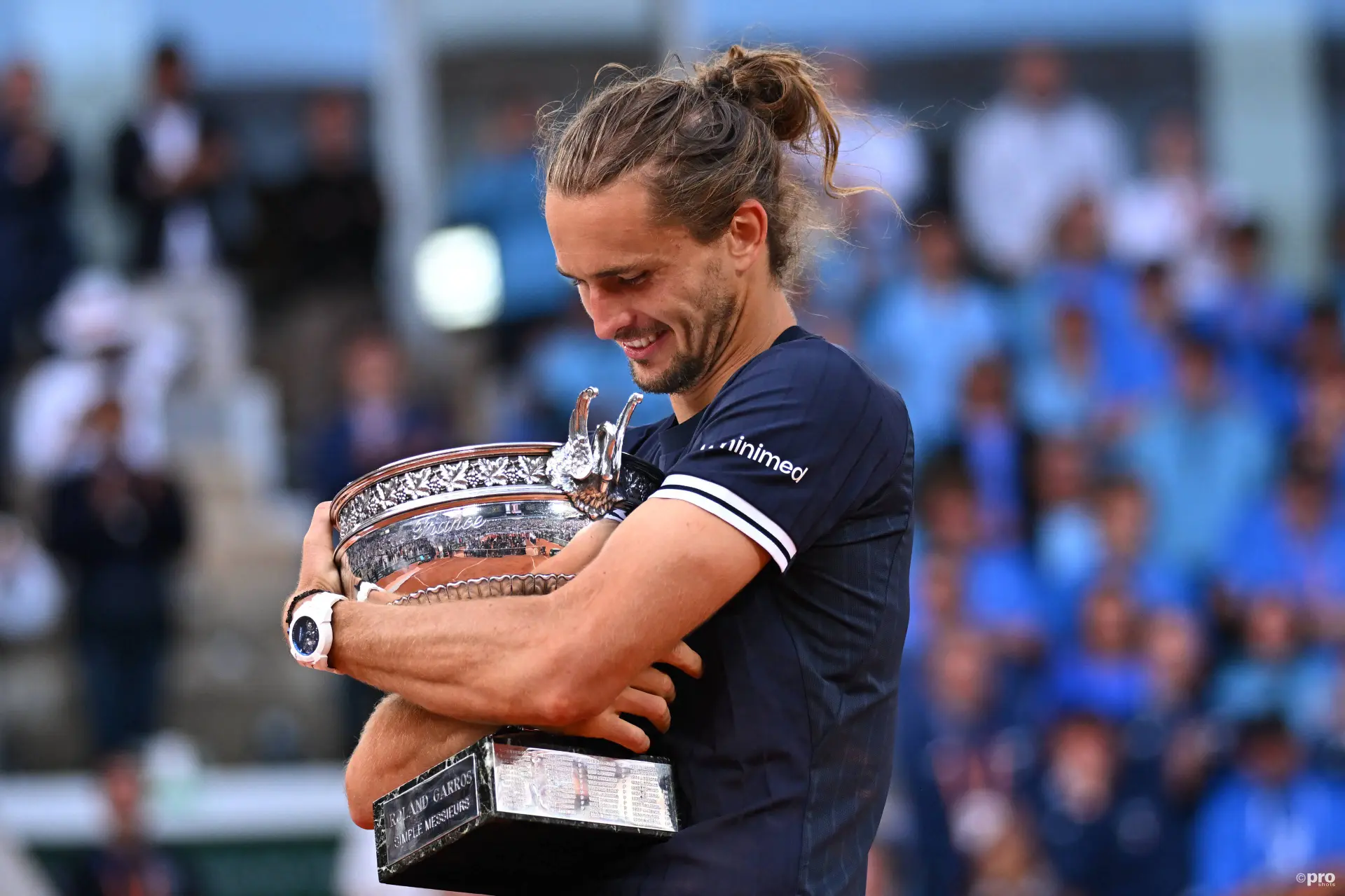
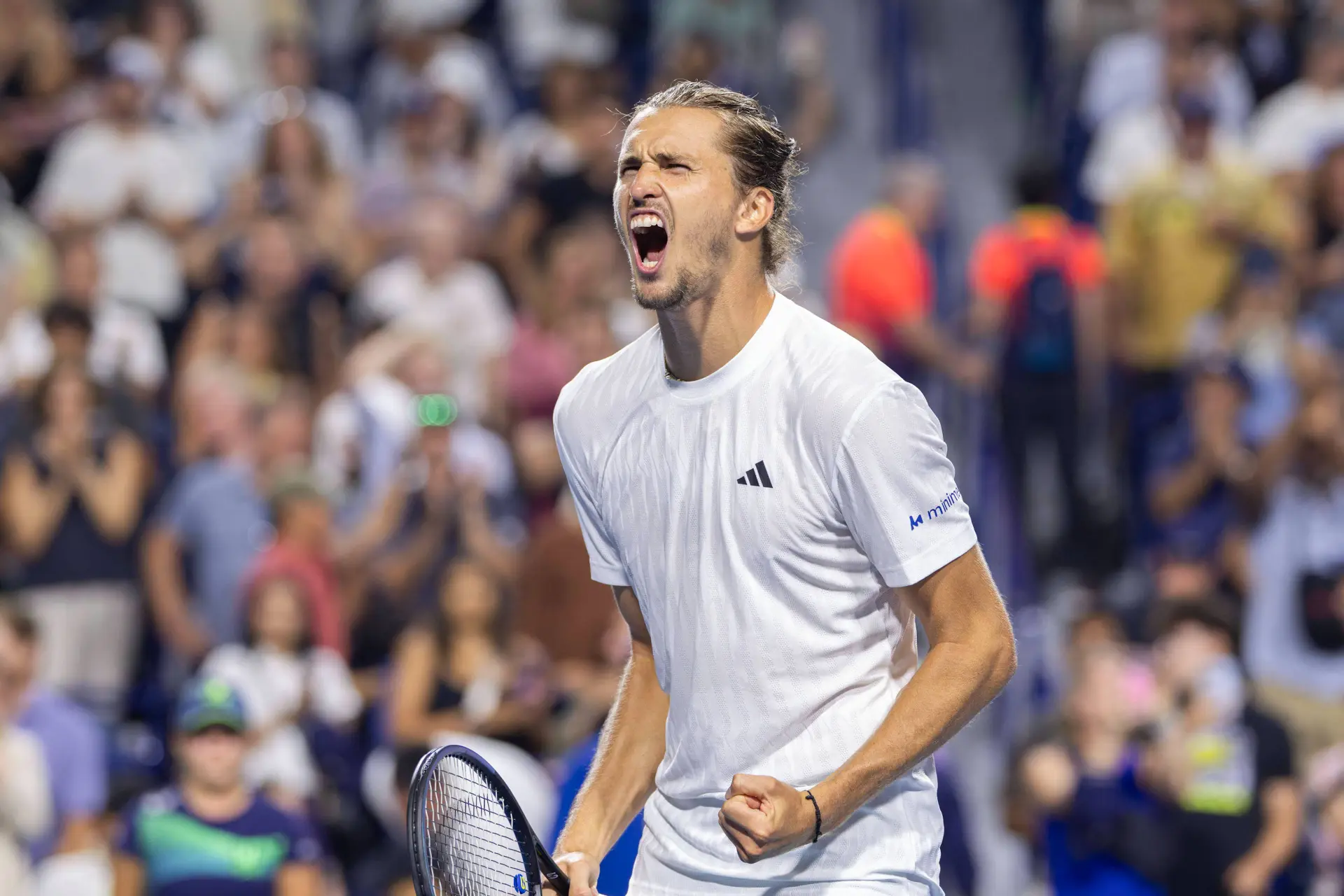
Alexander Zverev won the Roland Garros final after a five-set victory over Flavio Cobolli, finally converting his fourth appearance in a Grand Slam final into a maiden major title. The German overcame a match defined by extended momentum swings, early dominance, mid-match resistance from Cobolli and a decisive fifth-set break that separated both players in the closing stages of the contest.
The result carries significant weight in Zverev’s career narrative, ending a long-standing wait after three previous Grand Slam final defeats. It also marks the first time in 88 years that a German has won a title at Roland Garros. Prior to Zverev, it was Henner Henkel in 1937. For the women, it was Steffi Graf who won her final Roland Garros title in 1999 by defeating Martina Hingis. In doubles, it was Kevin Krawietz and Andreas Mies who won back-to-back titles in 2019 and 2020.
At Roland Garros, he showed the ability to reset after losing momentum in the second and fourth sets, responding under pressure in the fifth to secure the title. Cobolli, meanwhile, reached his first Grand Slam final after a breakthrough run and pushed the match into a deciding set following a fourth-set tie-break win, but was ultimately unable to overturn the early deficit in the fifth.
Zverev establishes early control before Cobolli stabilises second set response
The opening set was heavily one-sided, with Zverev immediately imposing himself through return pressure and early baseline control. Cobolli struggled to find rhythm in his service games, including a double fault in the opening game that contributed to an early break. Zverev repeatedly attacked second-serve situations and dictated from the back of the court, closing out the set 6-1 in a rapid opening phase.
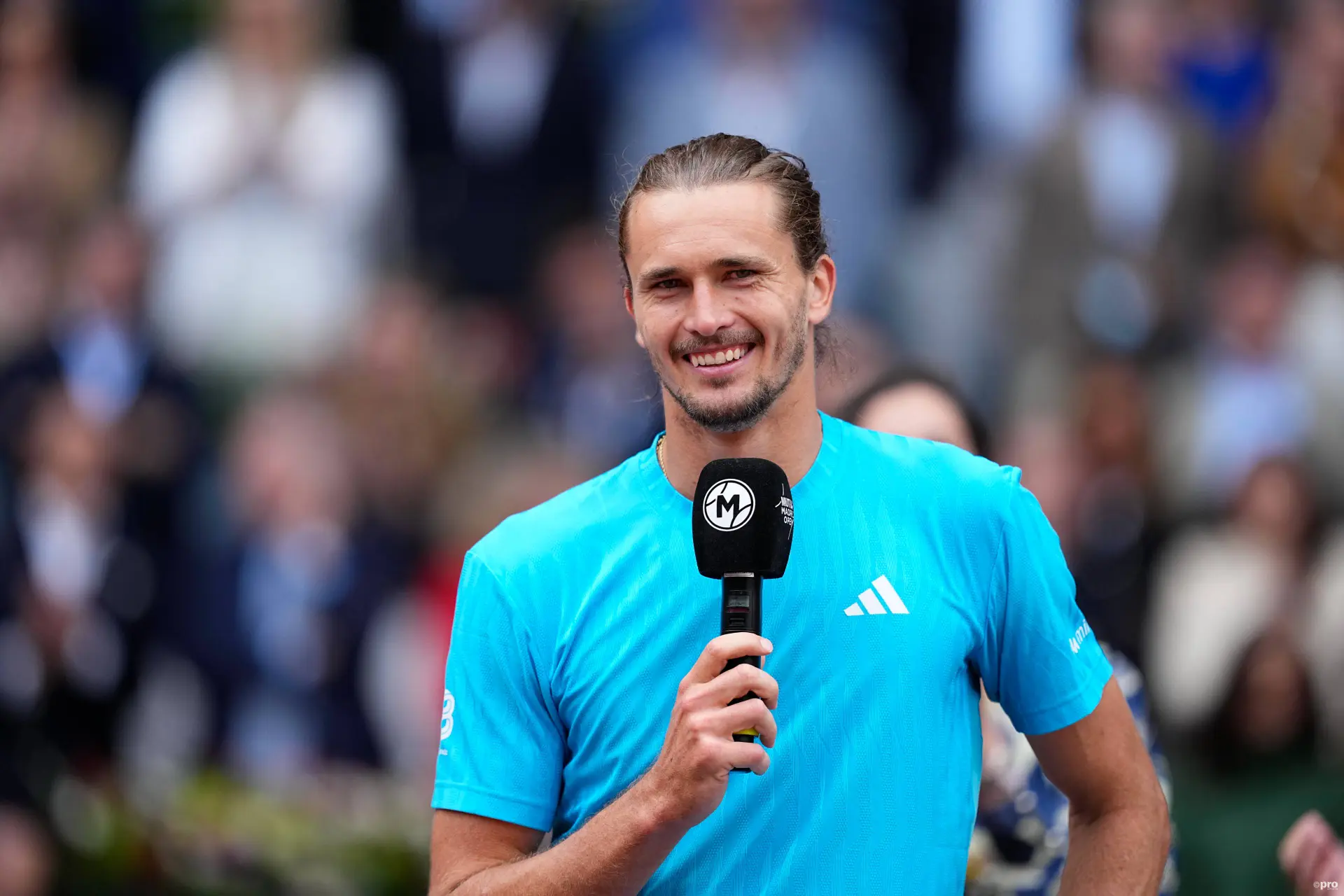
Cobolli responded in the second set by increasing first-serve accuracy and extending rally patterns, which reduced Zverev’s ability to step inside the baseline on return games. The Italian began to hold serve with greater stability and forced longer exchanges, shifting the balance of the set. That adjustment proved enough to take the set 6-4 and restore parity in the match after the one-sided opener.
The third set became more balanced structurally, with both players holding serve through extended baseline exchanges and fewer immediate break opportunities. Zverev’s edge came from marginal gains on second-serve return points and slightly higher efficiency in key service games, particularly in late-set situations. He closed the set 6-4, re-establishing a one-set lead without breaking the overall equilibrium of the match.
Momentum swings define fourth set as Cobolli forces deciding fifth
The fourth set produced the most fragmented phase of the match, with multiple shifts in control and repeated breaks from both players. Cobolli struck first, taking an early break and briefly appearing to stabilise the set on serve, but Zverev responded through increased return depth and pressure on second serves to immediately re-enter the contest.
From there, the set developed into a sequence of exchanged service breaks, with neither player able to consolidate long enough to create separation. Cobolli managed to position himself to serve for the set at 5-3, but Zverev broke back once again, forcing a tie-break after a prolonged stretch of high-pressure service games on both sides. Cobolli ultimately edged the tie-break to level the match at two sets all, extending the final into a deciding fifth set.
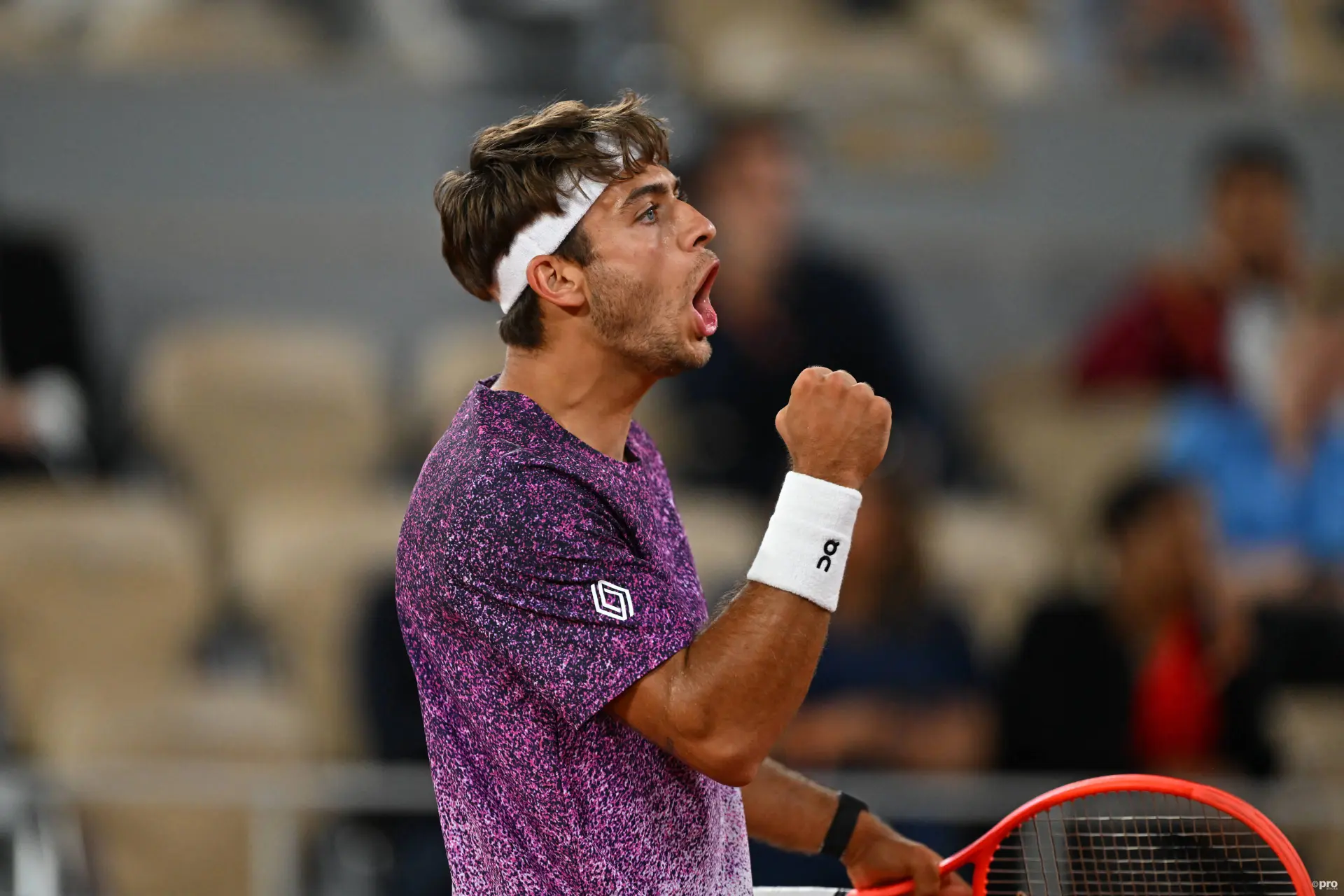
Zverev secures decisive early break to control fifth set
The fifth set was effectively decided in its opening phase. Zverev created sustained pressure in a long opening game, generating multiple break points before eventually converting after Cobolli resisted several opportunities but failed to hold serve. That early break established immediate scoreboard separation in a set where margins were minimal but increasingly decisive.
Zverev consolidated the break with a composed service hold, including a break point save, and extended the lead to 4-0 as Cobolli struggled to recover from the early deficit. Although Cobolli managed to hold serve at 4-1, he was unable to generate consistent return pressure or force break-point opportunities against Zverev’s improved first-serve efficiency in the decider.
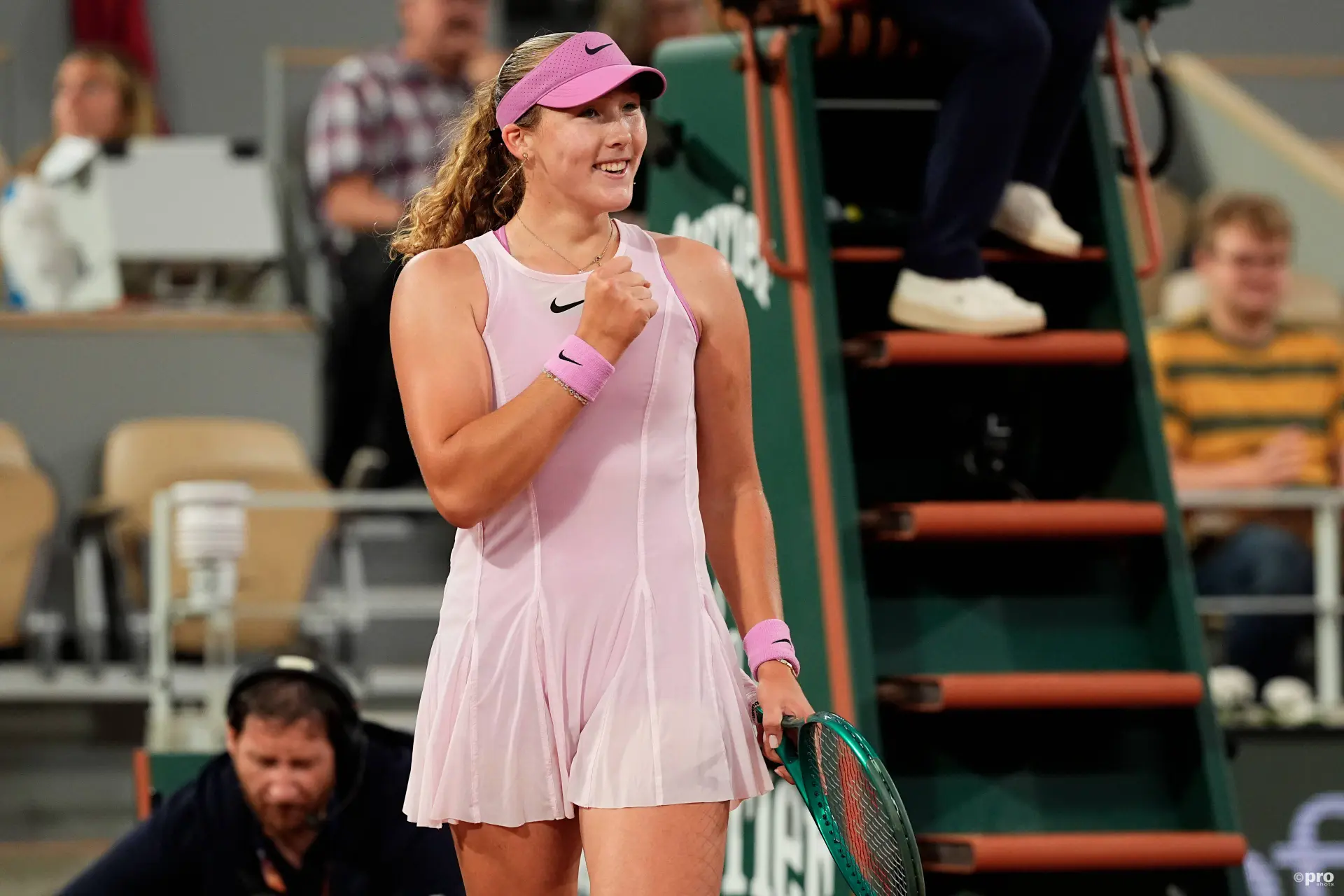
The German maintained control through service games in the closing stages, managing tempo and reducing risk in baseline exchanges. Cobolli’s level stabilised enough to remain competitive in isolated games, but the structural gap created by the early break proved decisive. Zverev closed out the match to secure his first Grand Slam title at Roland Garros after three previous final defeats.
Zverev completes his breakthrough at major level with the 2026 Roland Garros title, while Cobolli exits after a first Grand Slam final run that included a four-set comeback and a fifth-set appearance against the new champion.


Samuel GillEditor-in-Chief
Samuel Gill is the Chief Content Officer (CCO) of TennisUpToDate.com, a role he has held since 2020. He is responsible for editorial governance across the platform, including setting content standards, overseeing accuracy and consistency, and guiding long-term editorial strategy. Since joining, he has contributed more than 10,000 articles and editorial pieces across the TennisUpToDate network, playing a central role in the daily operation and development of the site.
Based in Leicester, Samuel has a broad background in tennis media. In his current role, he works closely with editors and writers to ensure coverage meets clear journalistic standards, with particular attention to verification, consistency, and timely updates when new information becomes available.
claps 1visitors 1
Just In

Popular News
Latest Comments
- great articlestennisseserver07-10-2026
- Medvedev was leading Djokovic 7-5, 3-5 when an attempted return..' NO you ignorants, Djokovic was leading .weiss05-10-2026
- No more bullshit "Wildcards" to these two. Qualify like everyone else -- there will be cameras there, too. Time to scream... WTF ????!!!!
 mandoist29-09-2026
 - Let's not BS the general public -- Sabalenka started showing cracks in her game last season. Her losses and near-losses started at about the same time she began being distracted by Fame (constant Selfies, making TV commercials, magazine shoots, endless Social Media nonsense, etc., etc.) One would think even Saba could recognize the parallels with others who failed before her -- Raducanu, Giorgi, Bouchard to name a few.mandoist25-09-2026
- Gross!! Hey Raducanu, Giorgi, and Bouchard -- reserve a seat at your Social Media Selfie table for Saba + Naomi. They're heading in your direction soon enough.mandoist24-09-2026
- And then these same players will complain about how lengthy their season’s were and need more time-off. I’m all for more tennis but the amount of tennis we get now is actually kind of crazy! We all need a break, especially the players.DaveyWavey23-09-2026
- You should do a comparison article for "different kinds of justice" the courts decide for tennis players. I can think of at least three players who received very small bans of a few months, however Tara Moore has been fighting for her literal survival the past few years. It seems odd considering she is not a "name" player, unlike the other cases.DaveyWavey22-09-2026
- PRIZE MONEY & POINTS Winner - $185,500 Finalist - $114,500 Semi-Finalist - $66,003 Quarter-Finalist - $35,000 Round of 16 - $18,045 Round of 32 - $13,005 Winner - 500 Finalist - 325 Semi-Finalist - 195 Quarter-Finalist - 108 Round of 16 - 60 Round of 32 - 1DaveyWavey20-09-2026
- Pegula withdrew from this Singapore event
 tennishappens19-09-2026
 - Serena Williams chose her tournaments. It's not such a bad idea.MuswellHillbilly17-09-2026

Loading