“Monte Carlo will be a tune-up”: Samuel Lopez discusses Carlos Alcaraz’s approach after Miami exit
ATP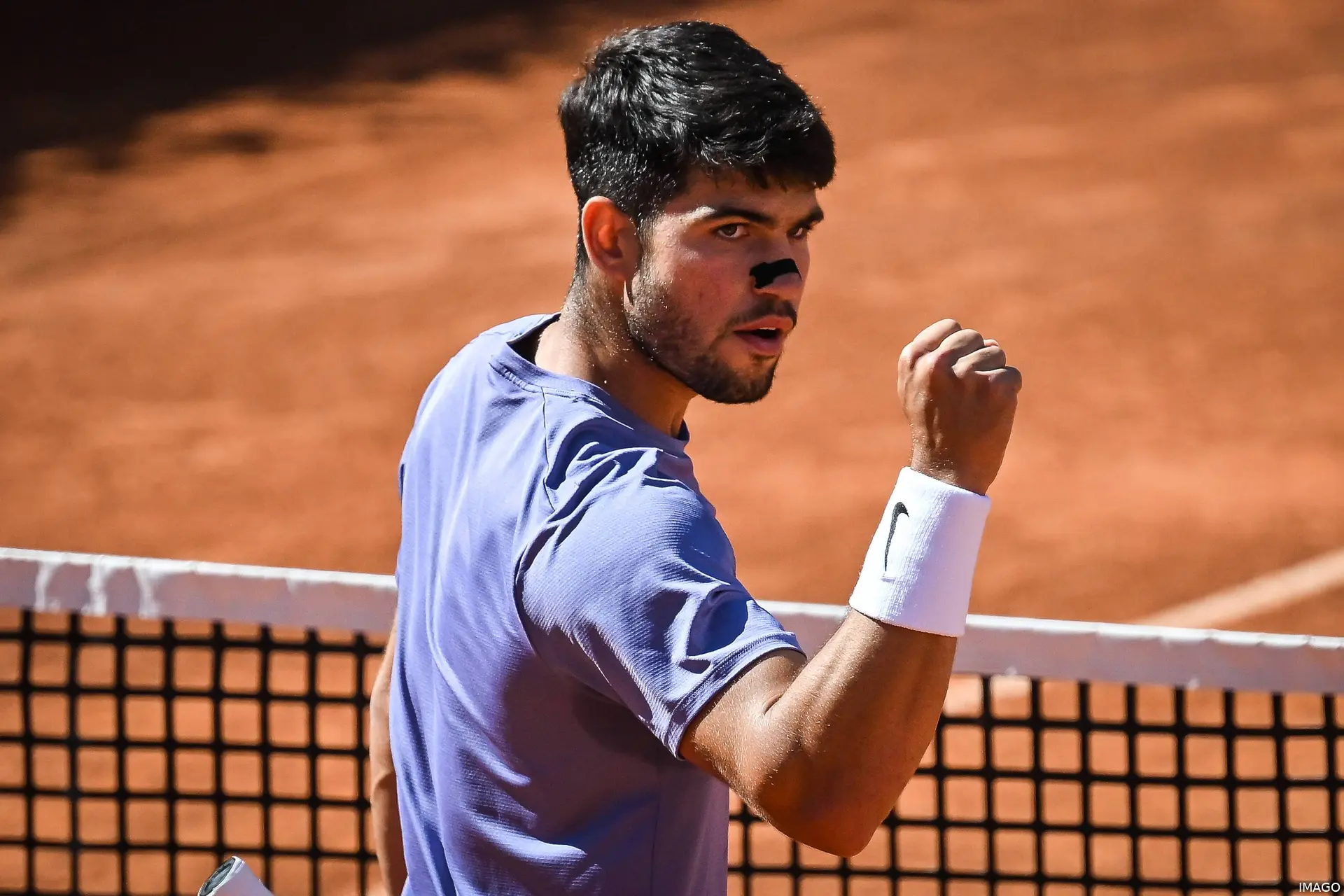
Samuel López, coach of Carlos Alcaraz, has set out the framework for the Spaniard’s clay-court campaign, confirming that the current plan is to maintain a full schedule across the European swing. Speaking after the Sunshine Double, López positioned consistency and match rhythm as the key priorities, despite the demanding nature of the calendar and the pressure tied to ranking points.
The World No. 1 has already returned to Murcia to begin his transition to clay, training at Club de Campo alongside his team after an early exit in Miami. That quick turnaround reflects a familiar approach, with Alcaraz using the additional time gained from his elimination to accelerate preparation ahead of Monte-Carlo, the first major stop of the clay season.
López indicated that the intention is not to scale back the schedule, but rather to compete across the full stretch of tournaments, reinforcing a strategy built around continuity rather than selective participation. He described the plan in direct terms, outlining a clear commitment to volume during the most decisive phase of the season, noting that the team is “going in with the mindset of playing everything.”
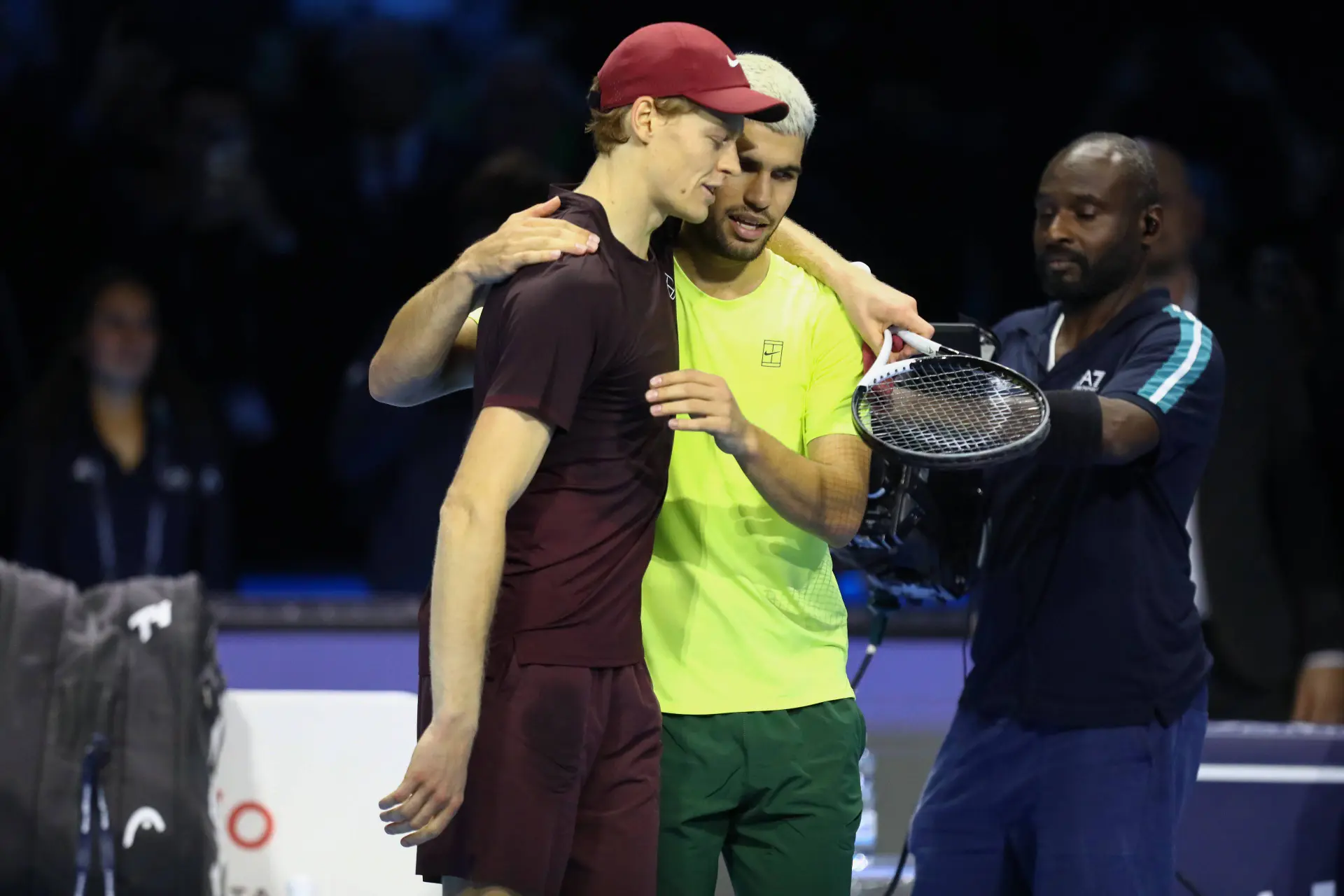
That approach comes in a context where results have added urgency to the coming weeks. Alcaraz reached the semi-finals at Indian Wells before losing to Daniil Medvedev, then exited in the Round of 32 in Miami against Sebastian Korda. Combined with the form of Jannik Sinner, the margin in the rankings race has tightened ahead of a segment where the Spaniard is defending approximately 4,300 points.
Mental demands reshape planning across extended Masters events
López highlighted how the structure of the modern tour has shifted the balance between physical and mental demands, particularly at Masters 1000 level.
While matches may be less physically taxing on a day-to-day basis compared to previous eras, the extended duration of tournaments introduces a sustained cognitive load. “I mean, in the end, the Masters 1000s, let’s say that physically they’re not as intense, physically they’re not as intense as when Rafa was playing, when he played every day," commented the Spaniard coach to Eurosport.
According to López, that evolution has altered how players experience competition over a 10-day event, with less opportunity to disengage mentally between matches. The emphasis, he suggested, is now on maintaining focus across a longer competitive window rather than managing recovery from continuous physical strain. “Mentally, though, they can be even a bit more so because you don’t really switch off during the 10 days of competition, as long as you last.”
This assessment underpins the decision to maintain a full schedule. Rather than reducing tournament exposure, Alcaraz’s team appears to prioritise sustained competition as a way to build rhythm, even within a calendar that allows little margin for fluctuation in performance.
Key stops: Barcelona, Madrid and Rome within compressed calendar
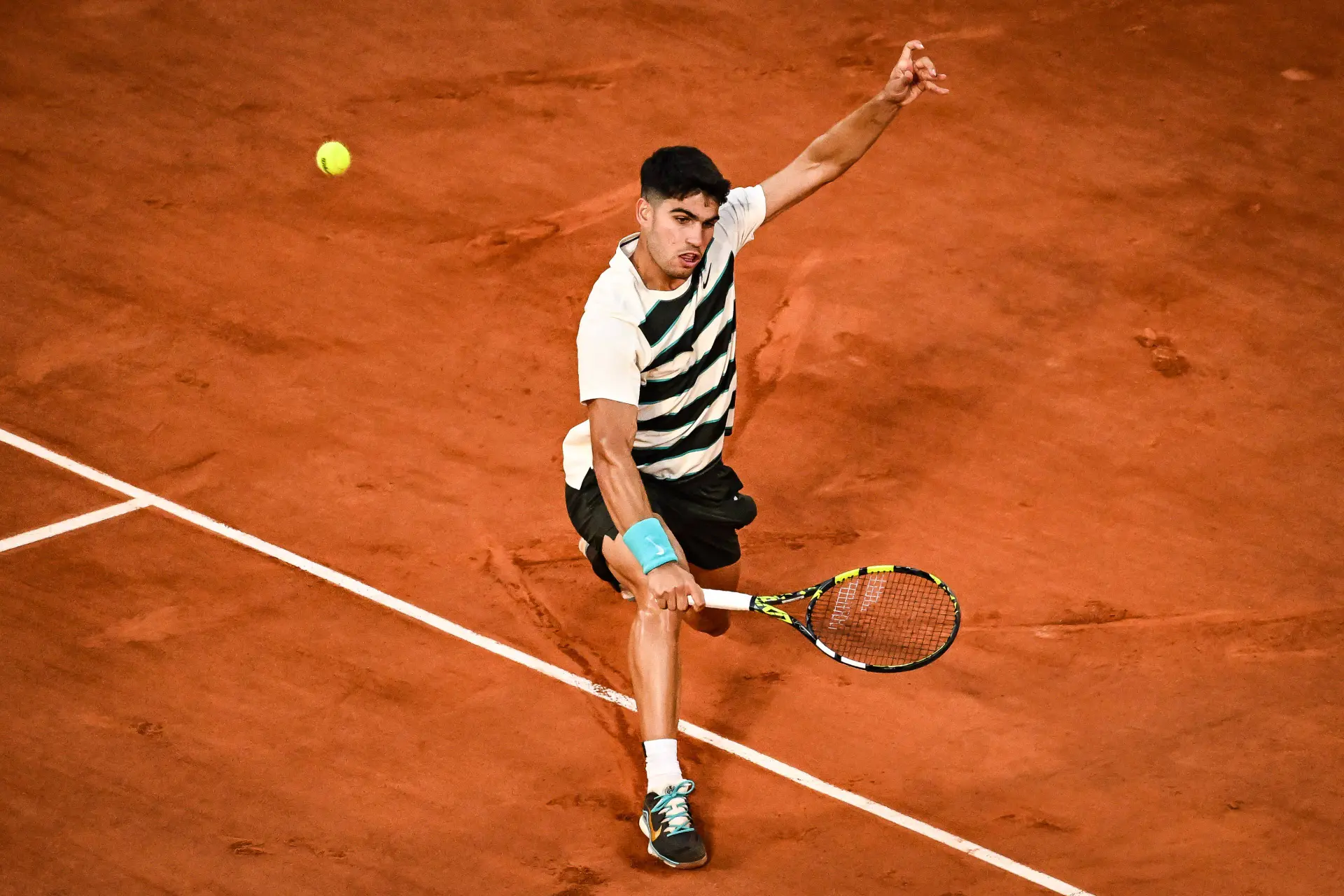
Within that framework, Lopez identified specific tournaments that carry additional weight, both from a competitive and personal standpoint. Barcelona and Madrid remain central targets, while Rome represents a key reference point given Alcaraz’s title there last season.
“But, well, we’re going to try to manage it as best we can, you know? In between, there’s the Barcelona Open, which Carlos always has a special motivation to go there," Lopez mentioned. "This year, last year I couldn’t go to Madrid, but of course, he has a special motivation to go to Madrid, and then there’s Rome, which he won last year, it’s the last one.”
The structure of the clay swing reinforces the importance of early results. Monte-Carlo, Barcelona, Madrid, Rome and Roland Garros follow in quick succession, creating a condensed sequence where performance trends can quickly influence both confidence and ranking position.
Alcaraz also has an opportunity to gain points in Madrid, where he did not compete in 2025 due to injury, offering one of the few openings to offset the substantial total he is defending across the surface.
Monte-Carlo positioned as preparatory phase after Miami
López also clarified the role of Monte-Carlo within the broader strategy, framing it as a transitional event rather than a definitive objective. The decision reflects both the timing of Alcaraz’s preparation and the circumstances following his early exit in Miami.
“The idea is to go to all of them, you know? If Monte Carlo had gone well, if it had gone better in Miami, we probably would have ruled it out. Monte Carlo is going to be a bit of a tune-up tournament.”
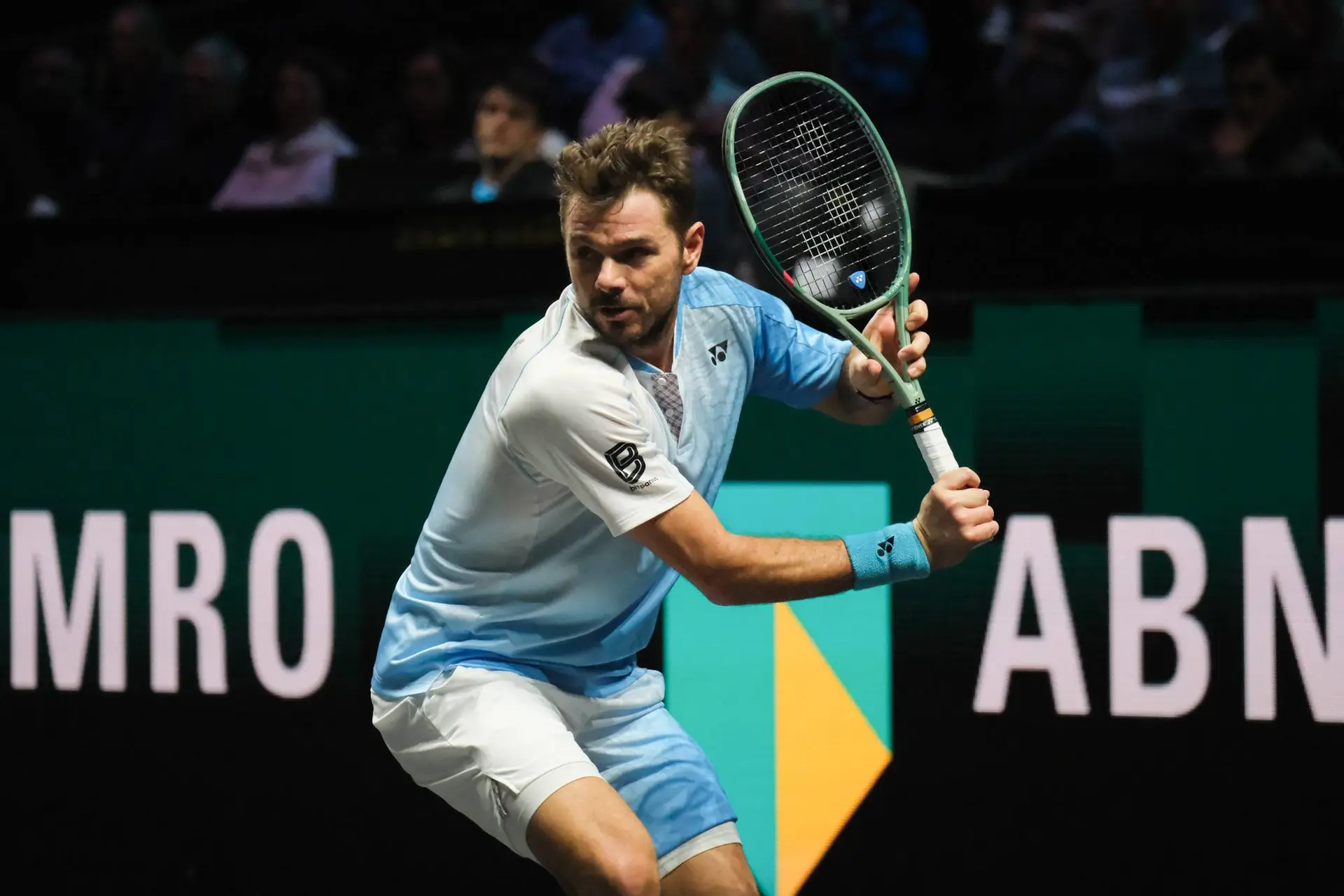
The approach mirrors a pattern from previous seasons. In 2025, Alcaraz also entered the clay swing after an earlier-than-expected exit in Miami, a setback that preceded a dominant run in which he posted a 22–1 record on clay and secured multiple titles.
With a similar reset now underway, López’s outline provides a clear indication of intent. The emphasis remains on volume, continuity and managing the mental demands of an extended calendar, as Alcaraz enters a stretch that will play a decisive role in shaping his 2026 season.

Cristhián AvilaTennis Journalist
Cristhián Ávila is a tennis journalist based in Santiago, Chile, and has been part of the TennisUpToDate team since early 2023. He covers the ATP and WTA Tours as well as all four Grand Slams, producing breaking news, match reports, analysis, and regular liveblogs from major tournaments.
His reporting combines statistical analysis with clear explanation, helping readers understand tactical developments, player form, and broader storylines across the tour. Working fluently in both Spanish and English, Cristhián collaborates with an international editorial team and contributes to comprehensive global coverage. As part of his work, he has conducted interviews and media interactions with leading figures in the sport, including Caroline Wozniacki and John McEnroe.
In his journalism, Cristhián places strong emphasis on careful sourcing, editorial accuracy, and updating articles promptly when new, verified information becomes available. His coverage is grounded in research, context, and direct engagement with professional tennis.
claps 0visitors 0
Just In


Popular News
Latest Comments
- Does Sinner need that 4.5 mil? I doubt it. He can make that with three modelling gigs!😅🤣Rapunzel21-10-2026
- Did "People Magazine" purchase this website? This nonstop storyline is bullshit.
 mandoist21-10-2026
 - Listen... this is of no concern to anyone but these two. Deal with your own issues -- most of us have our own. Thanks, media, for these insignificant follow-ups which are meaningless.mandoist21-10-2026
- This is so very very sad, for all three of them. I truly thought they had an unbreakable bond, but life throws up so many differing challenges. Having your homeland suffering in such a terrible way, makes happiness lose out to guilt as well. Our thoughts are with them. X💔bjsexton20-10-2026
- I have lost all respect for Svitolina! Could she not have waited until he had played at the Paris Masters!!! She is selfish and don't give a damn about Gael. That is NOT how love is demonstrated Elina!!Rapunzel19-10-2026
- Perhaps convenient tennis tour sex is not a strong enough experience in which to base a marriage?mandoist19-10-2026
- Fight the Good Fight... Tennis (sports in general) need more Humans such as yourself.mandoist18-10-2026
- When is WTA going to mandate Genetic Testing (DNA) ???mandoist18-10-2026
- Hey, Dan... you just wake up from a coma? Regardless -- Thanks for the comedy this morning!mandoist18-10-2026
- Two Things: 1. Stop allowing these Spoiled Trust-Fund Elitists to behave badly. Your little hand-slaps do not deter them. 2. STOP the incessantly annoying "towel wiping" nonsense!!!!mandoist15-10-2026

Loading