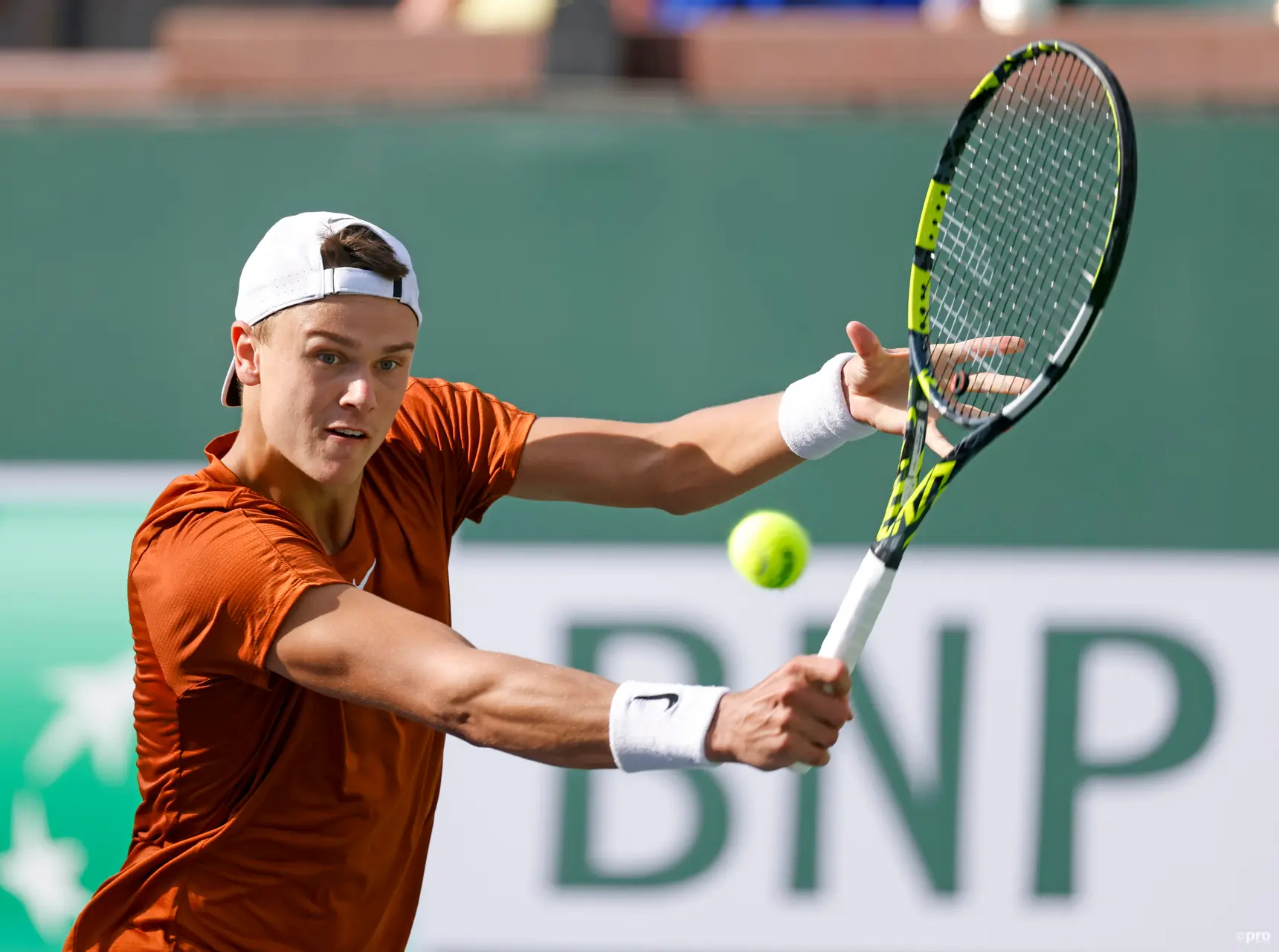
Holger Rune could be nearing a return to competition as the clay-court season begins, with the Dane included in the entry list for the upcoming Madrid Open despite ongoing recovery from an Achilles injury. The 22-year-old, currently ranked World No. 29, has been sidelined since September after suffering the injury during the latter stages of the 2025 season.
His potential return comes at a key point in the calendar. The Madrid Open, scheduled to begin on April 20, marks the fourth Masters 1000 event of the season and the first major clay-court event following Jannik Sinner’s Sunshine Double on hard courts, where the Italian completed a dominant run without dropping a set.
The former World No. 4 has remained active off court during his rehabilitation period, regularly providing updates on his progress. He has avoided committing to a specific return date, focusing instead on completing the final stages of his physical preparation ahead of a possible comeback during the clay swing.
Rune has indicated that his return will depend on finishing the most demanding phase of his recovery, with Madrid emerging as the earliest realistic target depending on his physical condition in the coming weeks.
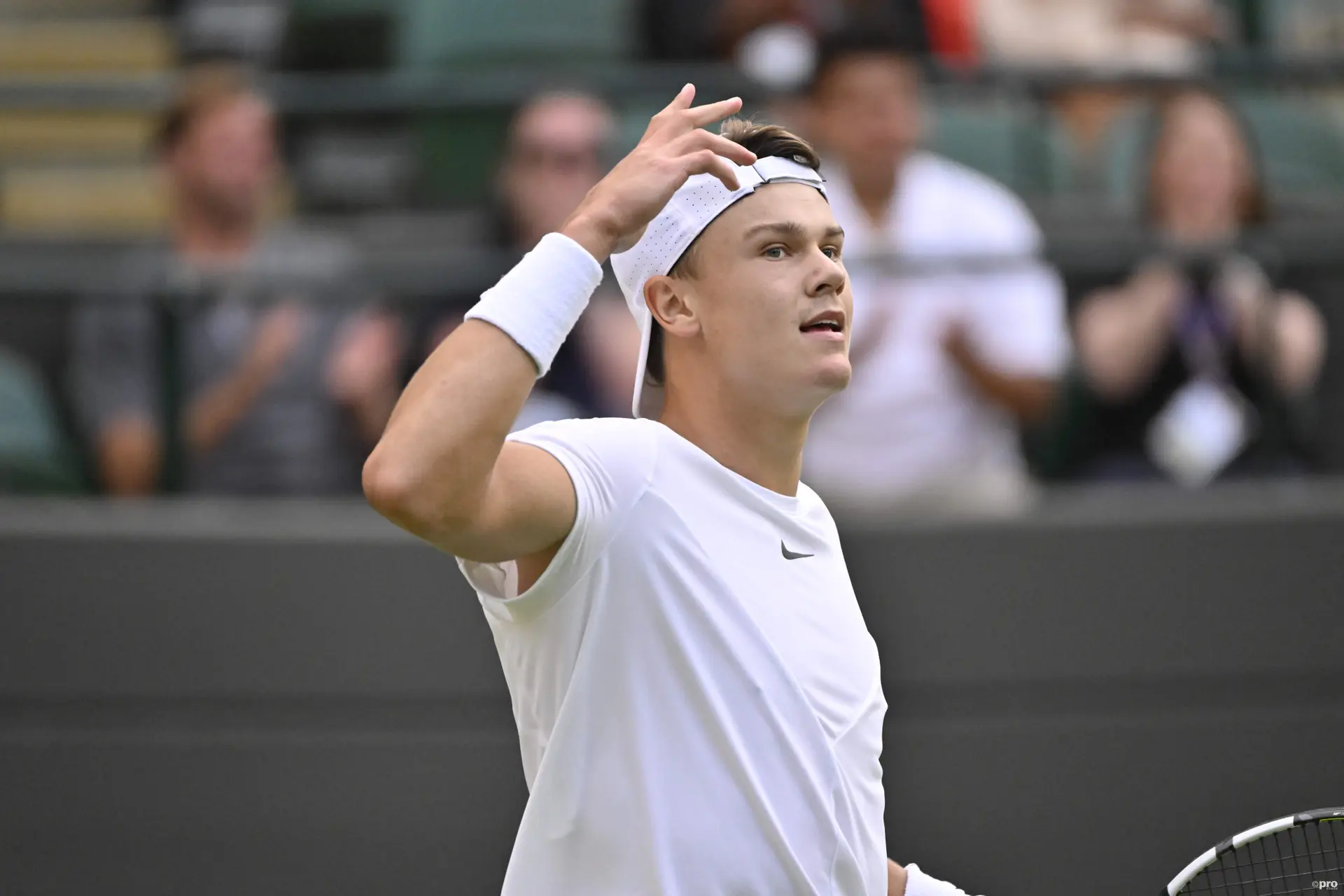
Recovery timeline shapes cautious return approach
Rune has been out of competition for several months following a torn Achilles sustained late in the 2025 season, an injury that ended his campaign and forced him into a long rehabilitation period. Since then, his focus has been on rebuilding physical capacity, with the current phase centred on movement, load tolerance and match readiness.
Two weeks ago, Rune confirmed he was still working through the final stages of rehabilitation, despite earlier hopes of returning during the Sunshine Double. His absence from Monte Carlo underlined that timeline, as he prioritised completing the last physical block before resuming competition.
“This year I will enjoy my favourite hometown tournament @ROLEXMCMASTERS from the stands and as much as I wanted this to be my comeback tournament, I still have my last heavy physical rehab block to finish before I can dance around a tennis court again”
His current ranking of World No. 29 reflects the impact of inactivity, with the Dane dropping outside the Top 20 after previously establishing himself as a consistent presence near the top of the ATP standings. The fall is largely linked to missed tournaments and an inability to defend points accumulated during the 2025 season.
Before the injury, Rune had returned to the Top 10 and was building momentum across the tour, making the interruption particularly significant in terms of continuity and ranking trajectory.
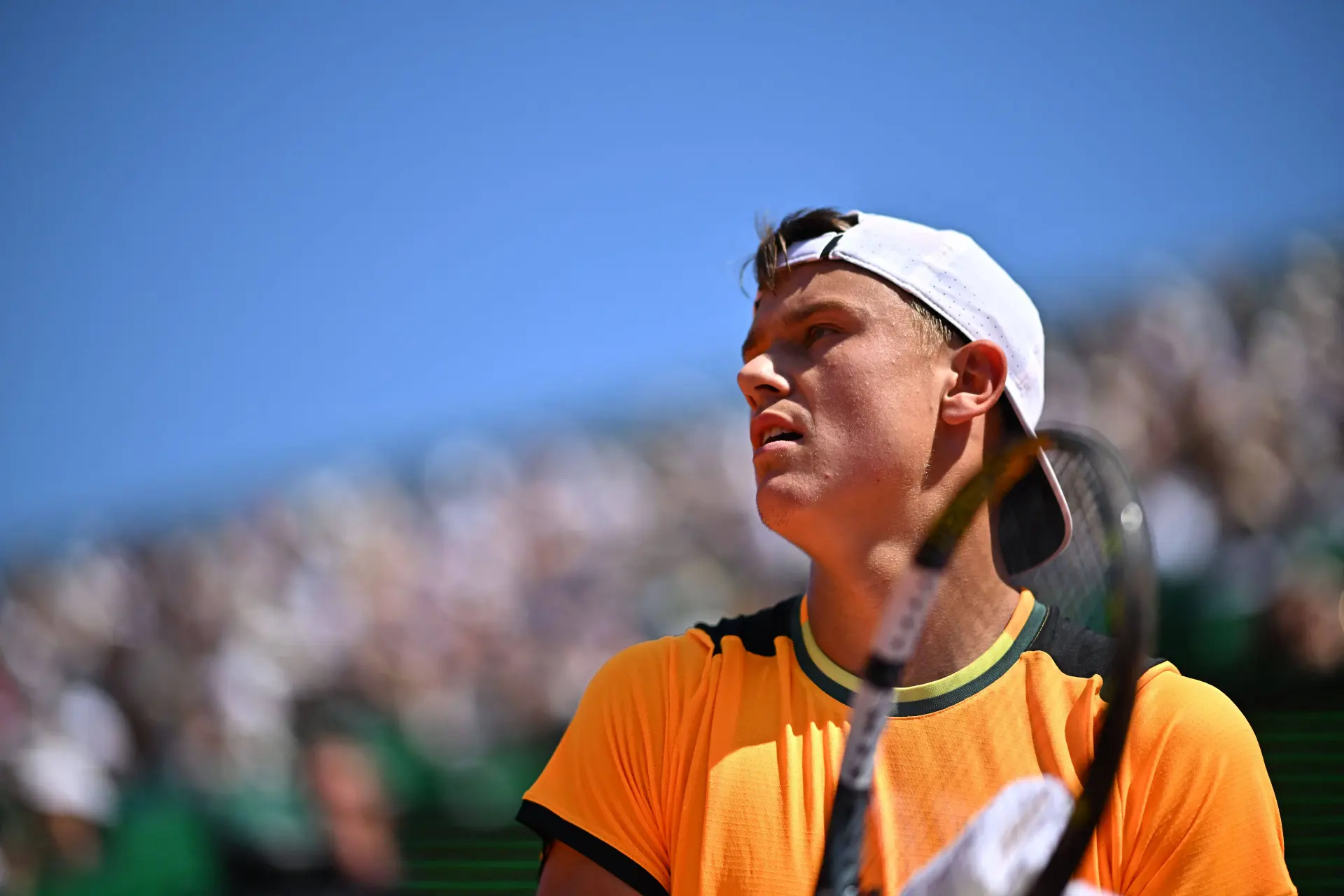
Ranking pressure and clay-court context
Rune faces immediate ranking pressure on his return. He will not defend the 500 points from his Barcelona Open title, scheduled for the week prior to Madrid, which will result in a further drop in the rankings regardless of his performance on return.
In contrast, he does not defend points in Madrid after retiring during his second-round match last year, which slightly reduces the pressure at Masters level and offers a more flexible entry point back into competition.
The Madrid Open will feature a full field, with all Top 10 players expected to compete, including Carlos Alcaraz, Jannik Sinner, Novak Djokovic and Alexander Zverev. Any return at this level would place Rune directly into a high-intensity competitive environment with limited margin for gradual adaptation.
Read also
Madrid innovations and comeback backdrop
This year’s Madrid Open will introduce additional training facilities at the Santiago Bernabéu stadium. While matches will continue to be played at the Caja Mágica, players will have access to practice courts in central Madrid between April 23 and 30, offering expanded preparation options during the tournament.
For Rune, his return to Madrid would mark his first competitive appearance in several months and his first real test since his rehabilitation. The Dane will be the 29th seed, giving him a bye into the second round. He has a record of 2 wins and 3 losses at the Mutua Madrid Open and has never advanced beyond the third round, which remains his worst result in a Masters 1000 tournament.

Cristhián AvilaTennis Journalist
Cristhián Ávila is a tennis journalist based in Santiago, Chile, and has been part of the TennisUpToDate team since early 2023. He covers the ATP and WTA Tours as well as all four Grand Slams, producing breaking news, match reports, analysis, and regular liveblogs from major tournaments.
His reporting combines statistical analysis with clear explanation, helping readers understand tactical developments, player form, and broader storylines across the tour. Working fluently in both Spanish and English, Cristhián collaborates with an international editorial team and contributes to comprehensive global coverage. As part of his work, he has conducted interviews and media interactions with leading figures in the sport, including Caroline Wozniacki and John McEnroe.
In his journalism, Cristhián places strong emphasis on careful sourcing, editorial accuracy, and updating articles promptly when new, verified information becomes available. His coverage is grounded in research, context, and direct engagement with professional tennis.
claps 0visitors 0
Just In

Popular News
Latest Comments
- Does Sinner need that 4.5 mil? I doubt it. He can make that with three modelling gigs!😅🤣Rapunzel21-10-2026
- Did "People Magazine" purchase this website? This nonstop storyline is bullshit.
 mandoist21-10-2026
 - Listen... this is of no concern to anyone but these two. Deal with your own issues -- most of us have our own. Thanks, media, for these insignificant follow-ups which are meaningless.mandoist21-10-2026
- This is so very very sad, for all three of them. I truly thought they had an unbreakable bond, but life throws up so many differing challenges. Having your homeland suffering in such a terrible way, makes happiness lose out to guilt as well. Our thoughts are with them. X💔bjsexton20-10-2026
- I have lost all respect for Svitolina! Could she not have waited until he had played at the Paris Masters!!! She is selfish and don't give a damn about Gael. That is NOT how love is demonstrated Elina!!Rapunzel19-10-2026
- Perhaps convenient tennis tour sex is not a strong enough experience in which to base a marriage?mandoist19-10-2026
- Fight the Good Fight... Tennis (sports in general) need more Humans such as yourself.mandoist18-10-2026
- When is WTA going to mandate Genetic Testing (DNA) ???mandoist18-10-2026
- Hey, Dan... you just wake up from a coma? Regardless -- Thanks for the comedy this morning!mandoist18-10-2026
- Two Things: 1. Stop allowing these Spoiled Trust-Fund Elitists to behave badly. Your little hand-slaps do not deter them. 2. STOP the incessantly annoying "towel wiping" nonsense!!!!mandoist15-10-2026

Loading
