“She shouldn’t get so much negative comments”: Belinda Bencic backs Coco Gauff despite serve scrutiny
WTA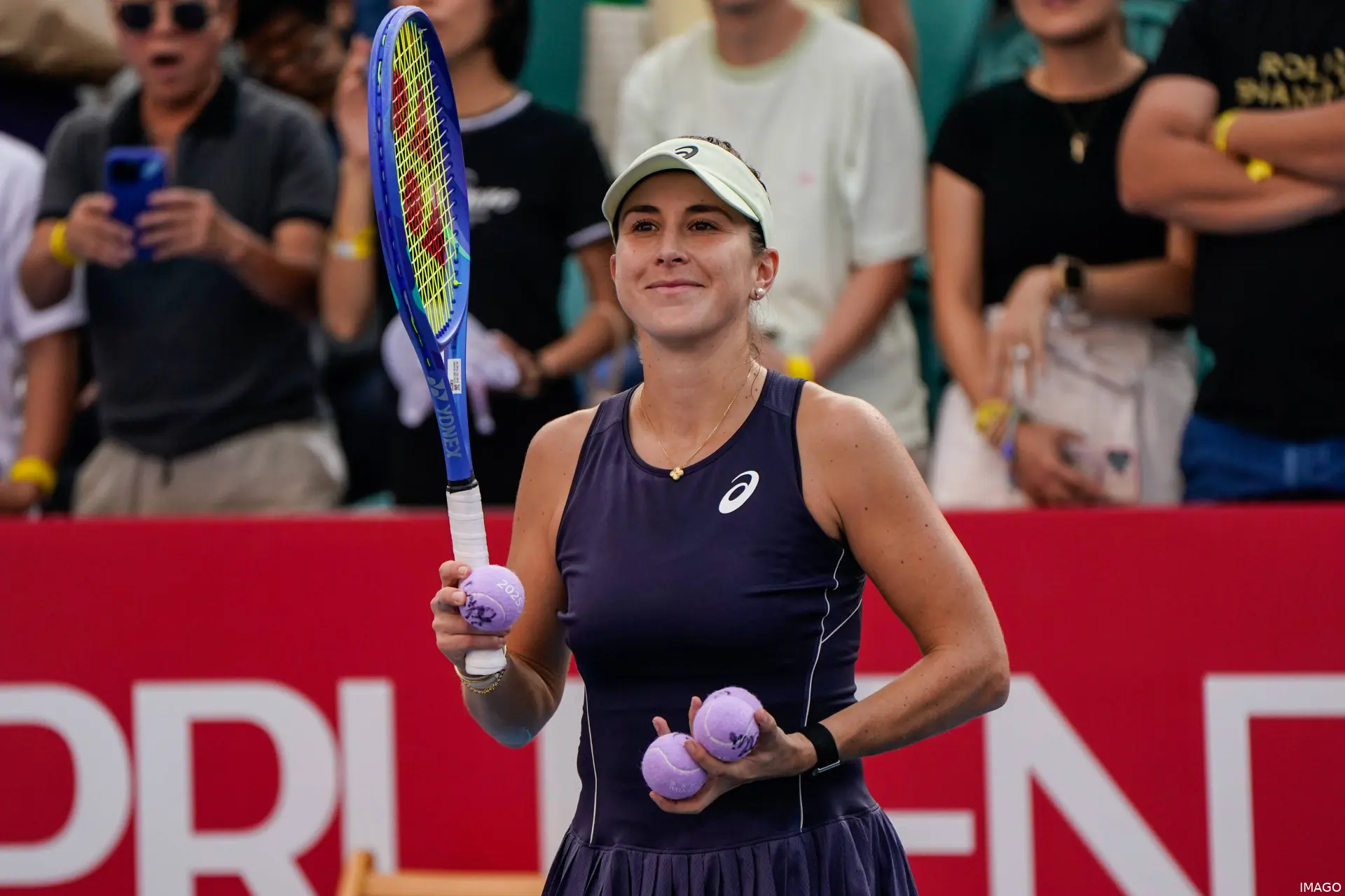
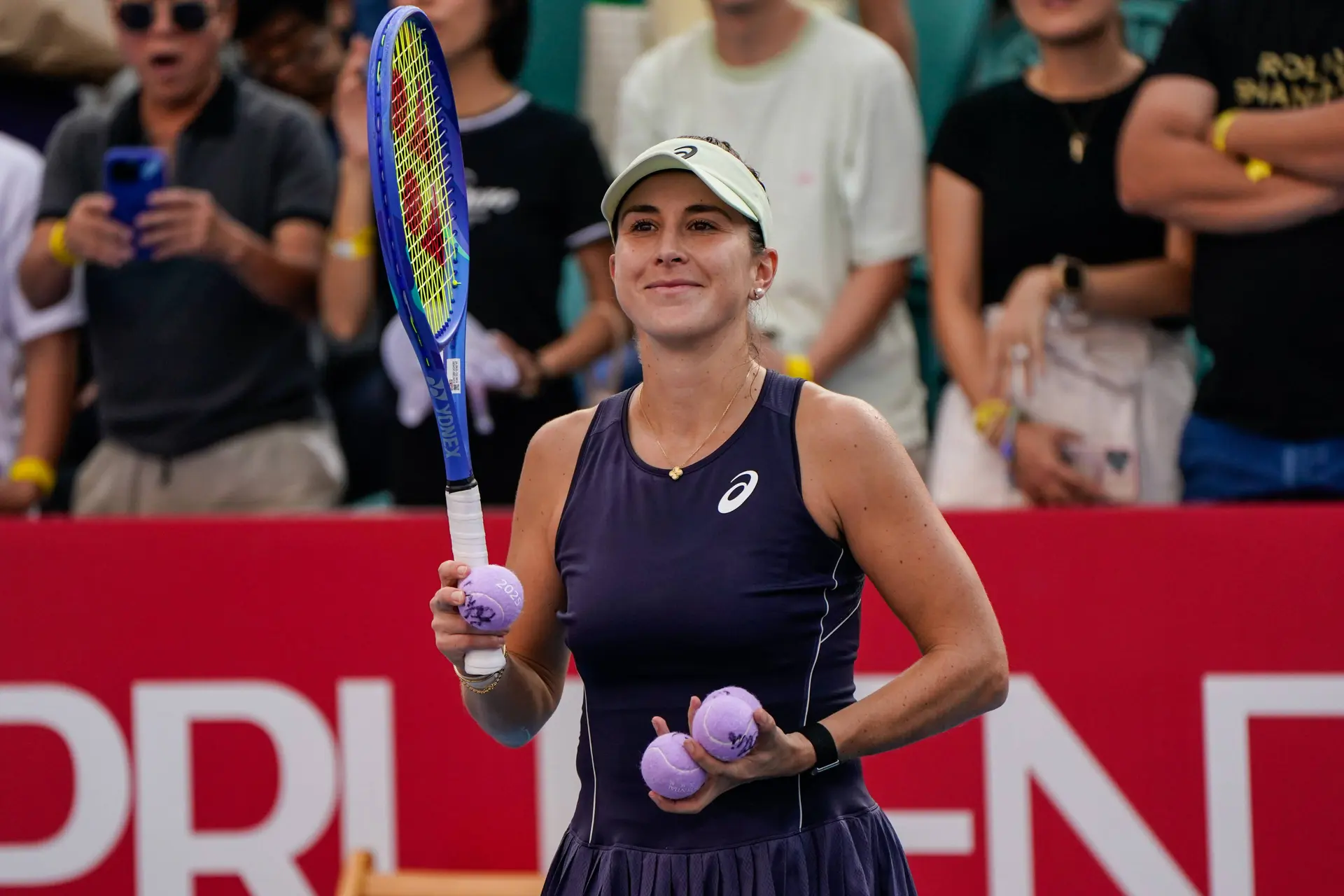
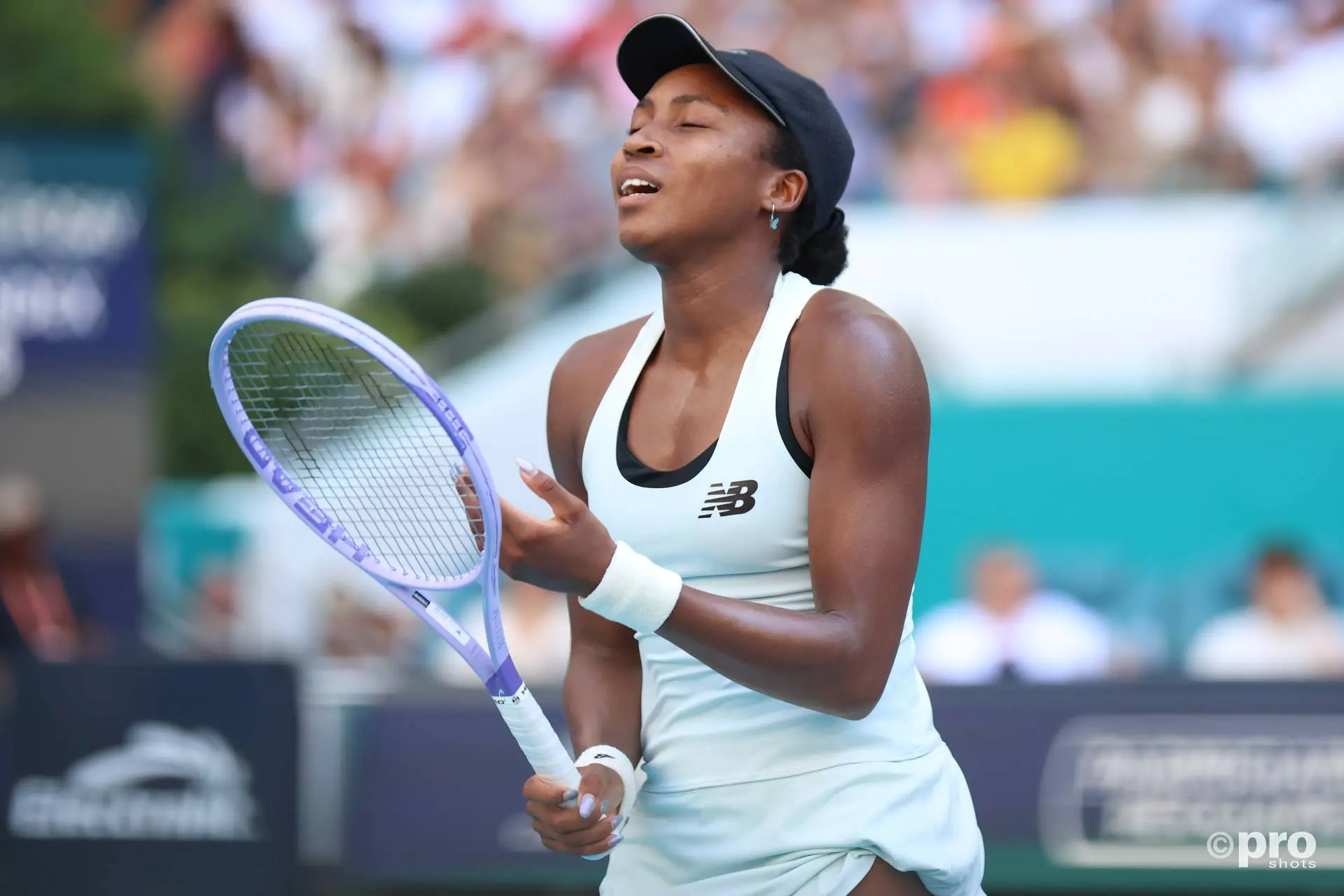
Belinda Bencic offered a firm defence of Coco Gauff during media day at the Charleston Open, pushing back against growing scrutiny surrounding the American’s serve. The comments follow their recent meeting at the Miami Open, where Gauff prevailed in three sets, extending a head-to-head that has been consistently competitive despite her overall edge.
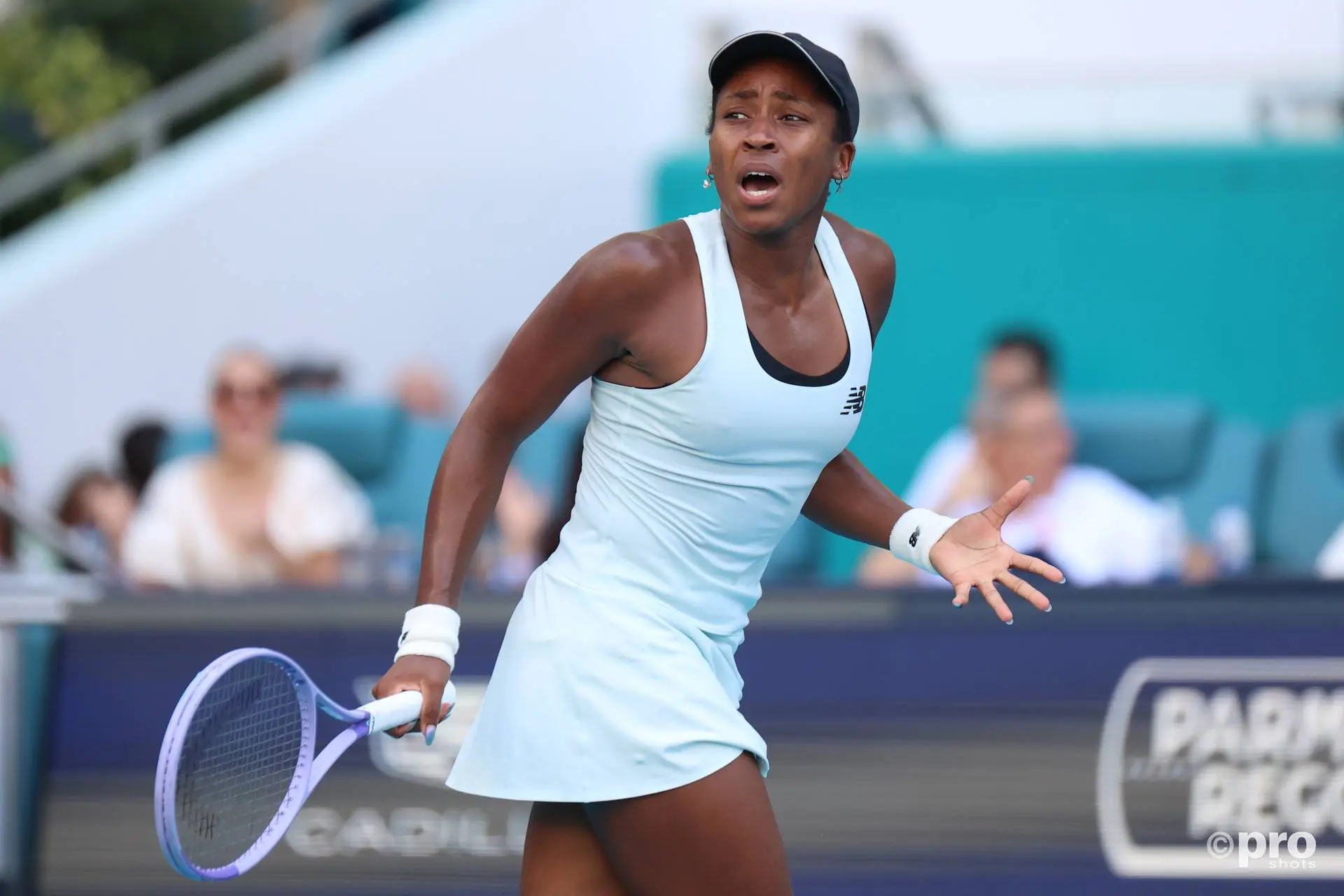
Gauff, currently ranked inside the world’s top three, has continued to deliver results in 2026. She reached the final in Miami, falling to Aryna Sabalenka, and made the quarter-finals at Indian Wells, maintaining a strong presence deep into major events. That consistency has kept her among the leading contenders on tour, even as technical discussions around her serve persist.
The criticism is grounded in measurable trends. Over the past 52 weeks, Gauff has recorded 444 double faults, the highest total on the WTA Tour, well ahead of Linda Noskova (296) and Ekaterina Alexandrova (288). Her double-fault rate stands at 10.2%, also leading the field, with Marketa Vondrousova (7.5%) and Jelena Ostapenko and Jessica Bouzas Maneiro (7.3%) behind.
That pattern has carried into 2026. Gauff again leads the tour with a 10.6% double-fault rate and 134 total double faults, ahead of Victoria Mboko (102) and both Dayana Yastremska and Mirra Andreeva (82).
Bencic rejects simplified narrative around Gauff
Bencic’s perspective is shaped by repeated encounters. Gauff leads their head-to-head 5–2, but five of their seven meetings have gone to three sets, including their most recent match in Miami. The dynamic reflects a matchup where margins are narrow and outcomes are often decided over extended exchanges.
Asked about Gauff’s game, Bencic resisted reducing the analysis to serve inconsistency. While acknowledging occasional rhythm issues, she emphasised the broader difficulty of facing a player whose movement and variation consistently disrupt patterns of play.
“She’s a tough opponent. We have some great matches every time we play, and it’s really admirable how she moves," Bencic said during her press conference at Charleston. "You definitely feel like the court is much smaller. I like to attack, of course, and she makes it really hard. She makes you replay balls. Her serve is also very tough. I know she gets a lot of comments and this and that, but her serve is very good.”
“It’s very fast when she puts it in. Of course, sometimes you can have some problems with the rhythm and everything, but I don’t think she should get so much negative comments because her game is very unique and a very different rhythm. She changes speed and spins and rhythm. She really can play everywhere in the court, and also she’s moving great. So, she’s obviously a very deserving No. 3 or No. 4 in the world.”
Her assessment points to a recurring theme among Gauff’s opponents: the challenge lies less in isolated weaknesses and more in the cumulative pressure created through defence, coverage and variation.
Context behind Miami loss and broader perspective
Bencic’s comments also come with additional context from their Miami encounter. The Swiss later revealed she had been dealing with menstrual pain during the match, an issue she addressed openly when asked whether such topics remain under-discussed in professional sport. “I don’t think it’s a taboo topic anymore, which I love. I think other female athletes have also spoke about being done hiding this topic.”
While careful not to frame it as justification for the result, Bencic acknowledged it as part of the physical reality of competition, offering a broader perspective on performance that extends beyond tactical analysis. “It’s no excuse if you lose a match, but it’s something we deal with.”
As the tour transitions to clay in Charleston, both players enter a new phase of the season with different trajectories. Gauff continues to build on a consistent start at the top level, while Bencic works to stabilise her form following her return from maternity leave. Their recent exchange, both on court and in the media, underscores a central point: performance at the elite level rarely aligns with simplified narratives.
2026 WTA Double Faults Leaders
| Player | Double Faults | DF% | Aces | Matches | |
| 1 | Coco Gauff | 134 | 10.6% | 36 | 22 |
| 2 | Victoria Mboko | 102 | 6.4% | 108 | 25 |
| 3 | Dayana Yastremska | 82 | 7.3% | 40 | 15 |
| 4 | Mirra Andreeva | 82 | 5.6% | 61 | 20 |
| 5 | Linda Noskova | 80 | 6.9% | 110 | 15 |
| 6 | Elina Svitolina | 75 | 4.4% | 94 | 25 |
| 7 | Jaqueline Cristian | 70 | 6.0% | 50 | 17 |
| 8 | Jelena Ostapenko | 69 | 5.5% | 53 | 17 |
| 9 | Peyton Stearns | 67 | 5.3% | 85 | 17 |
| 10 | Amanda Anisimova | 64 | 5.6% | 51 | 17 |
| 11 | Liudmila Samsonova | 60 | 6.6% | 28 | 12 |
| 12 | Madison Keys | 60 | 6.3% | 53 | 13 |
| 13 | Diana Shnaider | 59 | 5.0% | 27 | 15 |
| 14 | Xin Yu Wang | 59 | 4.4% | 74 | 19 |
| 15 | Hailey Baptiste | 58 | 4.3% | 72 | 17 |

Cristhián AvilaTennis Journalist
Cristhián Ávila is a tennis journalist based in Santiago, Chile, and has been part of the TennisUpToDate team since early 2023. He covers the ATP and WTA Tours as well as all four Grand Slams, producing breaking news, match reports, analysis, and regular liveblogs from major tournaments.
His reporting combines statistical analysis with clear explanation, helping readers understand tactical developments, player form, and broader storylines across the tour. Working fluently in both Spanish and English, Cristhián collaborates with an international editorial team and contributes to comprehensive global coverage. As part of his work, he has conducted interviews and media interactions with leading figures in the sport, including Caroline Wozniacki and John McEnroe.
In his journalism, Cristhián places strong emphasis on careful sourcing, editorial accuracy, and updating articles promptly when new, verified information becomes available. His coverage is grounded in research, context, and direct engagement with professional tennis.
claps 0visitors 0
Just In



Popular News
Latest Comments
- Does Sinner need that 4.5 mil? I doubt it. He can make that with three modelling gigs!😅🤣Rapunzel21-10-2026
- Did "People Magazine" purchase this website? This nonstop storyline is bullshit.
 mandoist21-10-2026
 - Listen... this is of no concern to anyone but these two. Deal with your own issues -- most of us have our own. Thanks, media, for these insignificant follow-ups which are meaningless.mandoist21-10-2026
- This is so very very sad, for all three of them. I truly thought they had an unbreakable bond, but life throws up so many differing challenges. Having your homeland suffering in such a terrible way, makes happiness lose out to guilt as well. Our thoughts are with them. X💔bjsexton20-10-2026
- I have lost all respect for Svitolina! Could she not have waited until he had played at the Paris Masters!!! She is selfish and don't give a damn about Gael. That is NOT how love is demonstrated Elina!!Rapunzel19-10-2026
- Perhaps convenient tennis tour sex is not a strong enough experience in which to base a marriage?mandoist19-10-2026
- Fight the Good Fight... Tennis (sports in general) need more Humans such as yourself.mandoist18-10-2026
- When is WTA going to mandate Genetic Testing (DNA) ???mandoist18-10-2026
- Hey, Dan... you just wake up from a coma? Regardless -- Thanks for the comedy this morning!mandoist18-10-2026
- Two Things: 1. Stop allowing these Spoiled Trust-Fund Elitists to behave badly. Your little hand-slaps do not deter them. 2. STOP the incessantly annoying "towel wiping" nonsense!!!!mandoist15-10-2026

Loading