“Novak still has it — Sinner and Alcaraz a little bit”: The real ‘aura’ inside the ATP locker room, according to a Top-60 player
ATP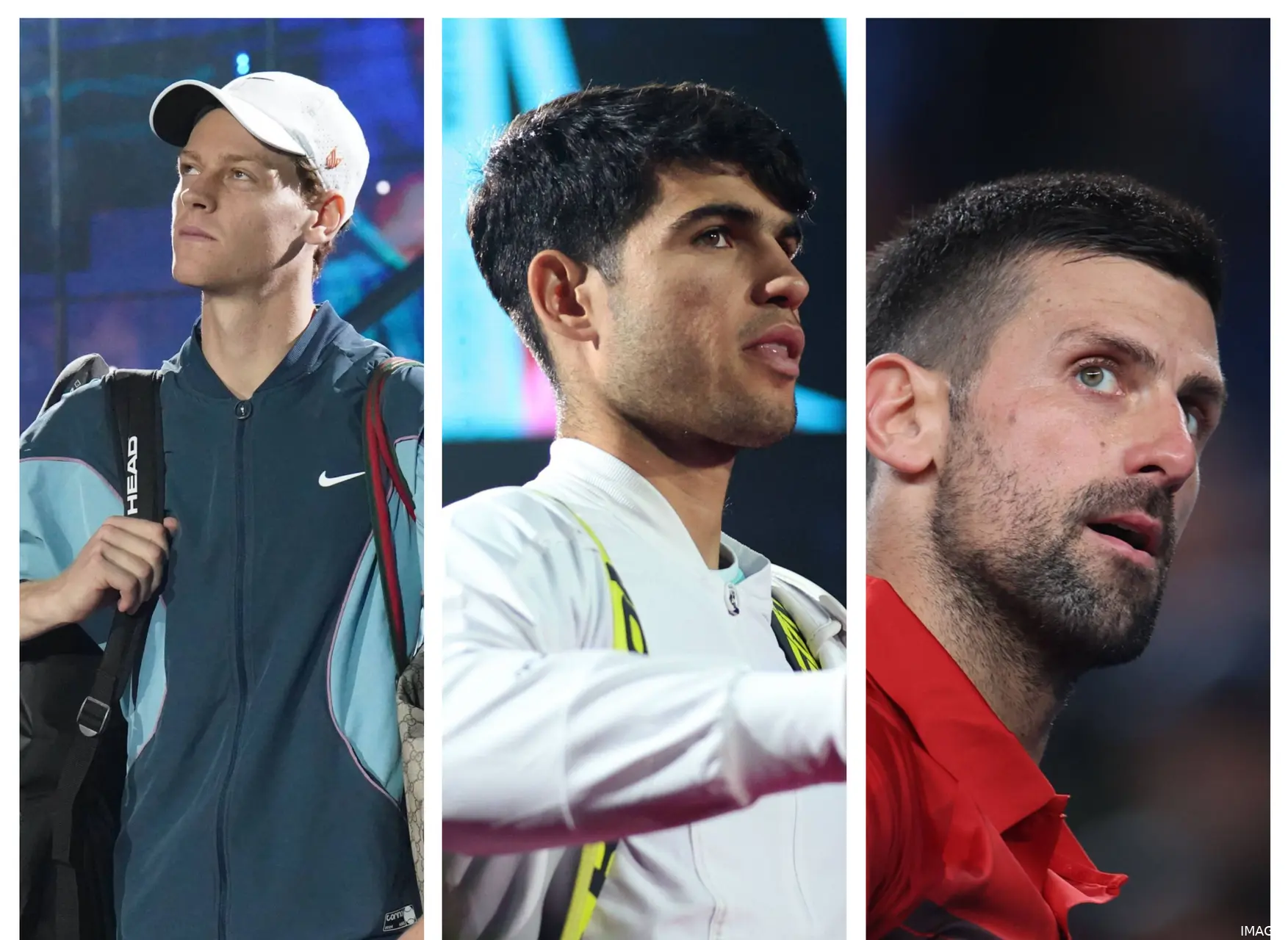
Alexander Kovacevic may not yet be a household name, but after a breakthrough season featuring victories over top players like Andrey Rublev and Alexander Bublik, and reaching a career-high ranking of world No. 60, the American has earned a vantage point on the sport's inner workings.
The 27-year-old describes a locker room environment that is far more corporate than combat. While he acknowledges that Novak Djokovic retains a "greatest of all time" gravity, and that young icons like Jannik Sinner and Carlos Alcaraz command attention, Kovacevic insists the daily reality is mundane, defined by "fake small talk" among colleagues who are essentially just going to work.
"The locker room is like clocking into a job. You see the same guys every week. There isn't much 'beef' in tennis because you’re showering next to the guy every day. It takes too much energy to hate someone. Regarding 'aura'—Novak still has it. Sinner and Alcaraz have a little bit of it. But mostly, everyone is just a tennis player."
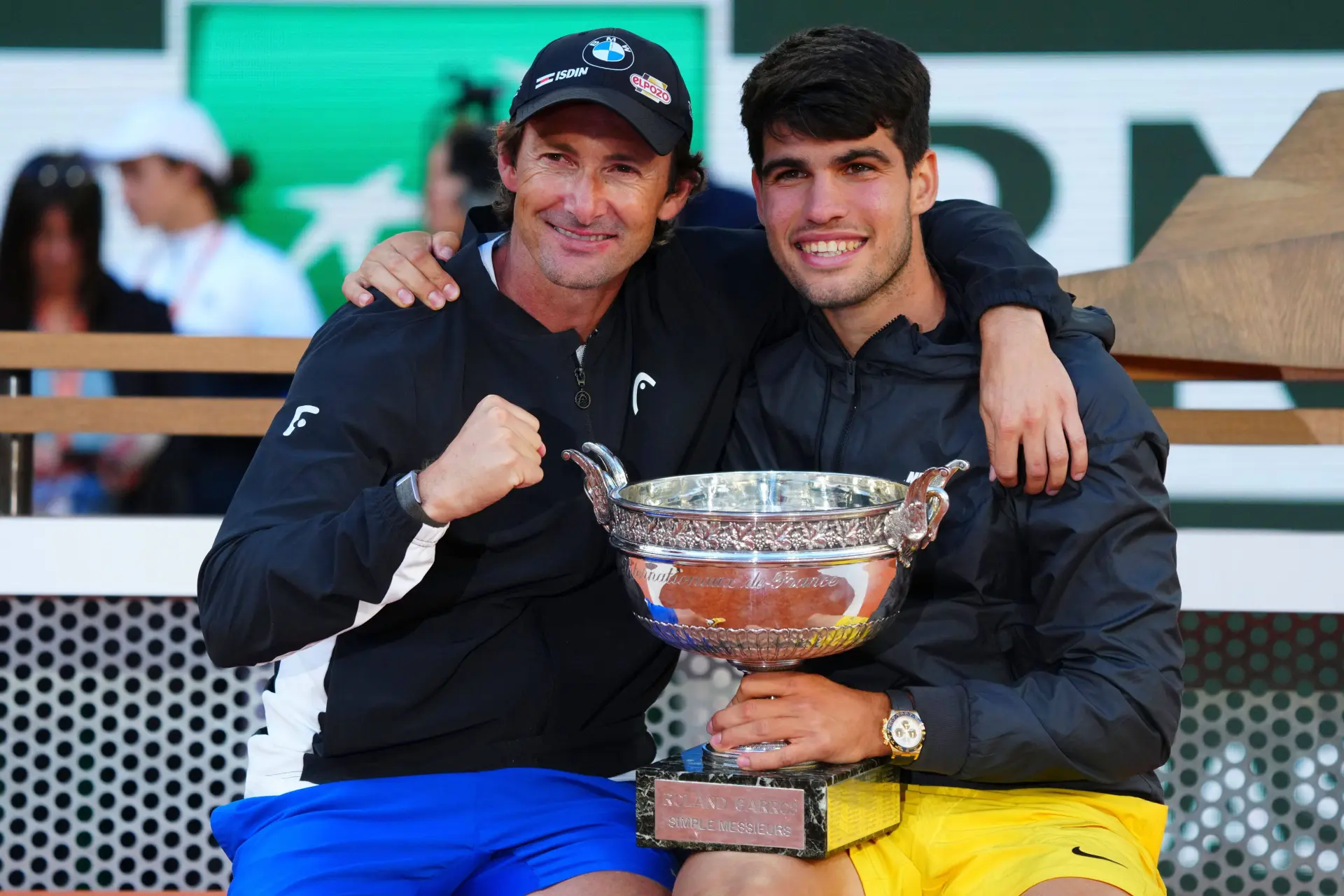
The logistical gap between the rank-and-file and the global superstars is undeniable, yet viewed with pragmatism rather than envy. Kovacevic noted that the sheer scale of operations for a player like Carlos Alcaraz changes the social dynamic entirely. "Like, if I wanted to invite Carlos Alcaraz for dinner, I had to book a table for like 12," the American joked.
Despite these differences, Kovacevic argues that the "mystique" of the elite fades once you share the workspace. He observes that newcomers often try to project a tough image, acting like "I'm the man," only to realize that the veterans have settled into a rhythm of energy conservation.
The "spooky" confidence of the elite
The American highlighted that the most intimidating aspect of facing a top-tier opponent is not aggression, but their ability to treat a high-stakes match as a casual encounter. He explained that a lack of tension from a major champion is often a bad omen for the underdog, as it suggests the favorite feels absolutely no pressure. This casual demeanor, contrasting with their lethal efficiency on the court, creates a unique psychological hurdle.
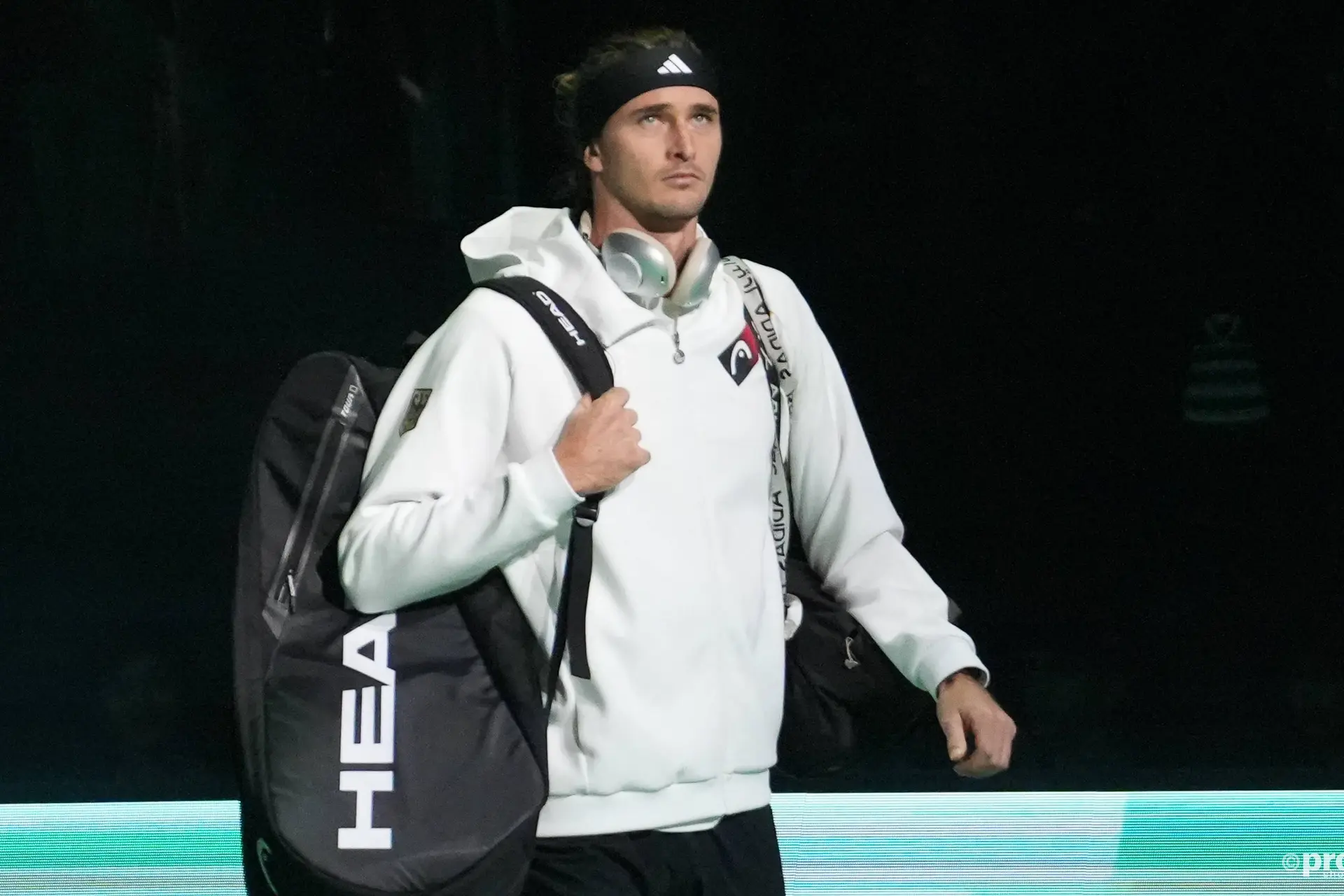
"If Zverev comes up to you and he's like real nice to you, you're like, oh, that guy doesn't even look at me. I was like, I'm about to play him. He's like, he's like talking to a friend, like, that's like the spookier part than like someone that's like, oh man, yeah, you ain't ready for this. Like, come on man, you're playing tennis."
"Dead" courts and betting culture
Beyond the personalities, Kovacevic criticized the physical homogenization of the tour, claiming that distinct court speeds have vanished. He asserts that "everything is deader" and slower, citing the Shanghai Masters—historically known for lightning-fast conditions—as "one of the slowest courts" he has ever played. This shift forces players to adapt their equipment; Kovacevic noted he had to switch his string setup to control the "fluffy" and heavy balls that now dominate the circuit.
He also touched on the distinct regional cultures he encounters. Kovacevic described South American players as "clay rats" who play with immense physicality, contrasting them with the technical precision of Europeans. However, he noted a darker side to the knowledgeable European crowds: the prevalence of betting. Kovacevic admitted that while European fans are tennis-savvy, he often has to decipher if a fan's vocal support is genuine or simply because they "put a lot of money" on the match result.
"The conditions week to week have started to become kind of the same. Deader, it's slower. Everything is... there was like two tournaments this whole year that were like fast... Everything else was slow. Even Shanghai, when I used to watch as a kid on TV, I thought it was fast. One of the slowest... one of the slowest courts I've ever played on."

Cristhián AvilaTennis Journalist
Cristhián Ávila is a tennis journalist based in Santiago, Chile, and has been part of the TennisUpToDate team since early 2023. He covers the ATP and WTA Tours as well as all four Grand Slams, producing breaking news, match reports, analysis, and regular liveblogs from major tournaments.
His reporting combines statistical analysis with clear explanation, helping readers understand tactical developments, player form, and broader storylines across the tour. Working fluently in both Spanish and English, Cristhián collaborates with an international editorial team and contributes to comprehensive global coverage. As part of his work, he has conducted interviews and media interactions with leading figures in the sport, including Caroline Wozniacki and John McEnroe.
In his journalism, Cristhián places strong emphasis on careful sourcing, editorial accuracy, and updating articles promptly when new, verified information becomes available. His coverage is grounded in research, context, and direct engagement with professional tennis.
claps 0visitors 0
Just In


Popular News

Latest Comments
- Does Sinner need that 4.5 mil? I doubt it. He can make that with three modelling gigs!😅🤣Rapunzel21-10-2026
- Did "People Magazine" purchase this website? This nonstop storyline is bullshit.
 mandoist21-10-2026
 - Listen... this is of no concern to anyone but these two. Deal with your own issues -- most of us have our own. Thanks, media, for these insignificant follow-ups which are meaningless.mandoist21-10-2026
- This is so very very sad, for all three of them. I truly thought they had an unbreakable bond, but life throws up so many differing challenges. Having your homeland suffering in such a terrible way, makes happiness lose out to guilt as well. Our thoughts are with them. X💔bjsexton20-10-2026
- I have lost all respect for Svitolina! Could she not have waited until he had played at the Paris Masters!!! She is selfish and don't give a damn about Gael. That is NOT how love is demonstrated Elina!!Rapunzel19-10-2026
- Perhaps convenient tennis tour sex is not a strong enough experience in which to base a marriage?mandoist19-10-2026
- Fight the Good Fight... Tennis (sports in general) need more Humans such as yourself.mandoist18-10-2026
- When is WTA going to mandate Genetic Testing (DNA) ???mandoist18-10-2026
- Hey, Dan... you just wake up from a coma? Regardless -- Thanks for the comedy this morning!mandoist18-10-2026
- Two Things: 1. Stop allowing these Spoiled Trust-Fund Elitists to behave badly. Your little hand-slaps do not deter them. 2. STOP the incessantly annoying "towel wiping" nonsense!!!!mandoist15-10-2026

Loading