“They’ve been running into a brick wall every single time”: John Isner on PTPA’s struggles post-Djokovic
ATPTuesday, 06 January 2026 at 21:00
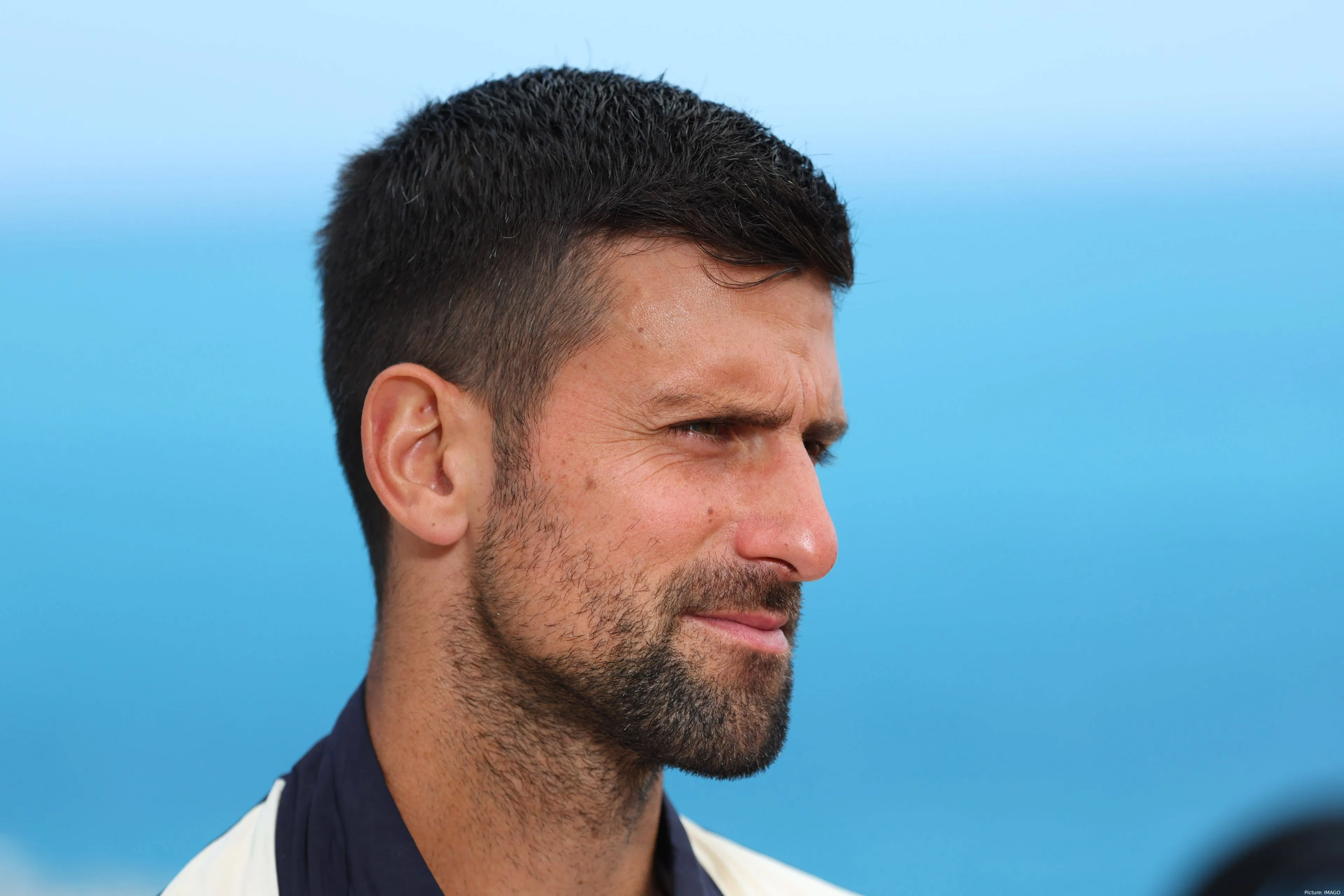
Novak Djokovic’s announcement that he would leave the Professional Tennis Players Association (PTPA) was one of the topics discussed on the Nothing Major podcast, where Sam Querrey, John Isner, Jack Sock and Steve Johnson broke down the departure of one of the co-founders of the players’ organization.
Back in 2020, in the middle of the COVID-19 pandemic when tennis was on hold, Djokovic teamed up with Vasek Pospisil to promote the creation of an association that would provide legal representation, support, and a direct voice for players—aiming to protect players’ rights against institutions like the ATP, WTA, and ITF.
However, this week began with Djokovic’s announcement that he would step away from the PTPA, citing concerns about the transparency of the organization. The 24-time Grand Slam champion nonetheless assured that he remains focused on contributing to the sport in other ways, reflecting the same principles that led him to create the association.
Nole—who recently withdrew from the Adelaide International due to physical issues—did not provide details about the specific factors that led him to leave. Leaving the PTPA, however, as discussed on the Nothing Major podcast—especially through John Isner’s perspective, part of the Executive Committee few years ago—sheds some light on the matter.
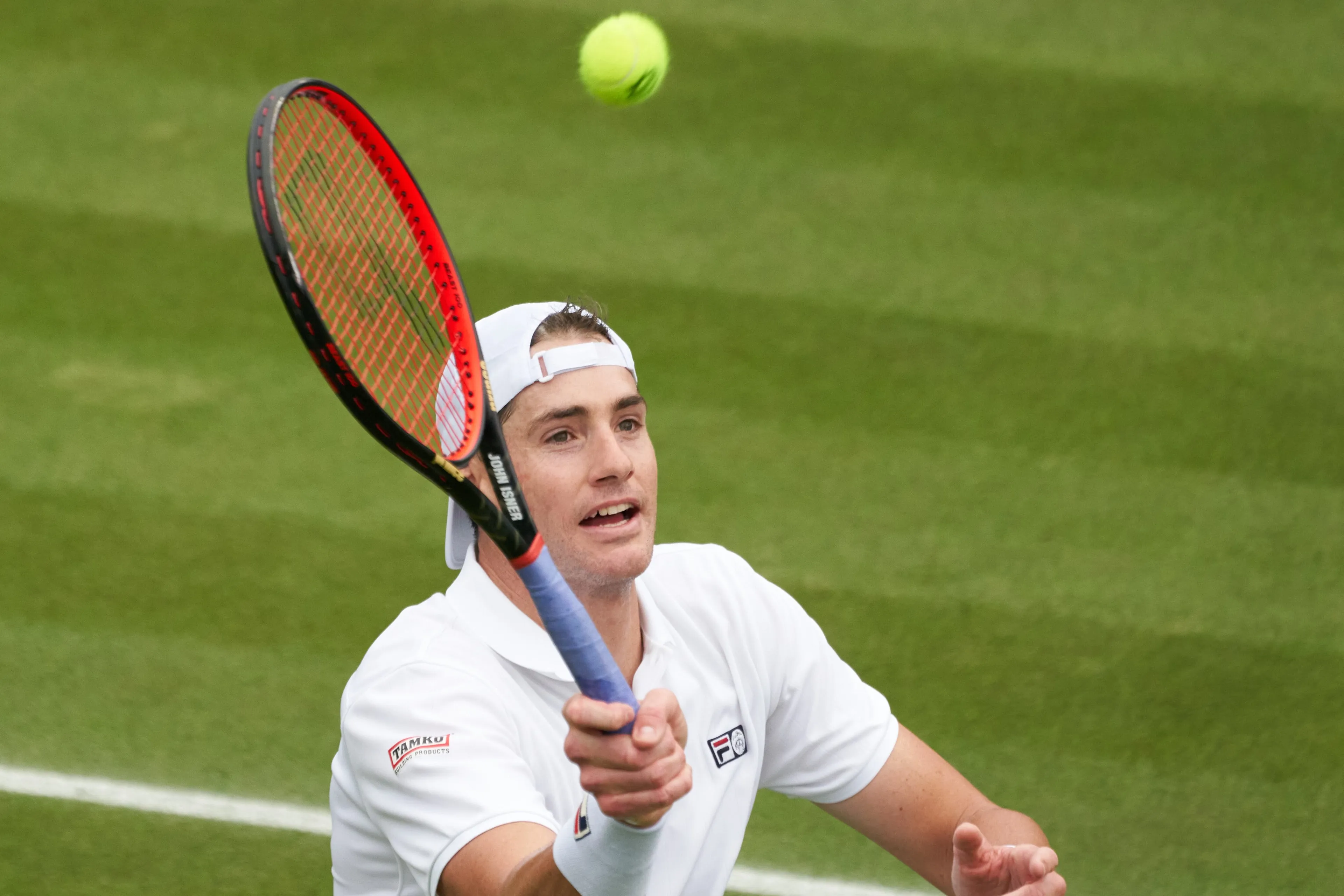
John Isner’s take
As part of the first PTPA Player Executive Committee—elected during the 2023 Australian Open—Isner represented one of eight players, including four men and four women, covering singles and doubles players. Other names included Paula Badosa, Hubert Hurkacz, and Ons Jabeur, as well as Djokovic himself.
Isner was particularly vocal about Djokovic’s departure from the PTPA: “It came as a surprise when you saw—like, when I saw his tweet. And by the way, the first six words of his tweet, if you're reading it, it made it seem like he was retiring from tennis,” the fomrer world No. 8 said. “I think the PTPA has lost a lot of momentum. They would probably say otherwise.”

“I was very heavily involved with the organization from the get-go. I really started—if you guys remember—that at the COVID U.S. Open, we all met on the grandstand court there and things seemed to be going well. But you know, we're six years in, almost six years into the PTPA, and they have been trying hard. They have been, but they've just been running up against, seemingly, a brick wall every single time. They're trying to make some headway for the players.”
“Of course, I don't know what went on with Novak and the PTPA. I've been sort of disassociated with them since I retired; just don't really have the time for it. But yeah, it's a surprise, and it's a huge blow to the agenda of the PTPA when you have the greatest player of all time step down and back away from the organization that he founded. It's gonna be… I don't know. It'd be interesting to see what happens with them going forward.”
Querrey then read part of Djokovic’s statement: “This is the quote from Novak: ‘Ongoing concerns regarding transparency, governance, and the way my voice and image have been represented.’ So obviously there's an internal fight between Novak and the PTPA,” added the former world No. 11.
Read also
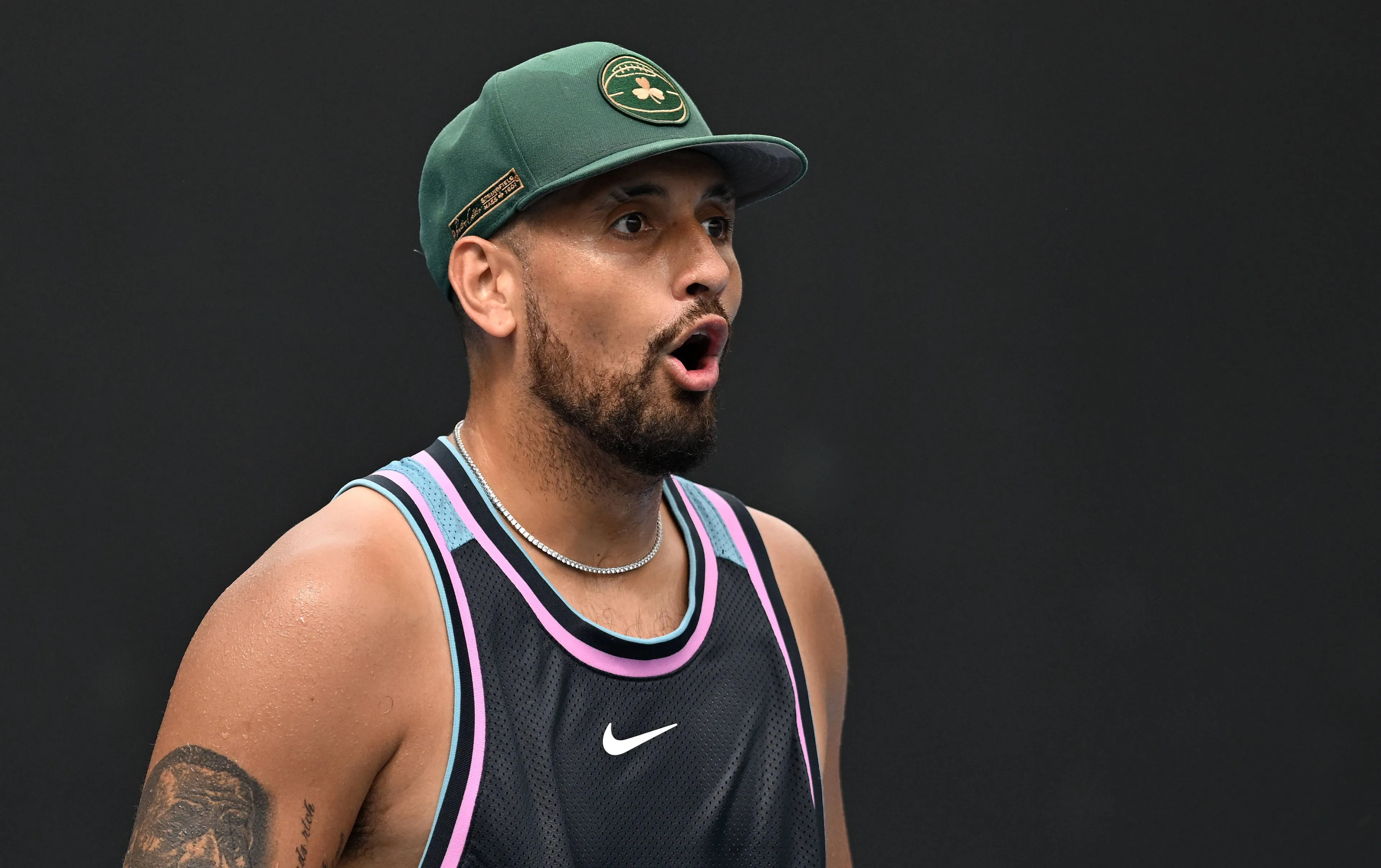
“I do feel like everybody's intentions were good”
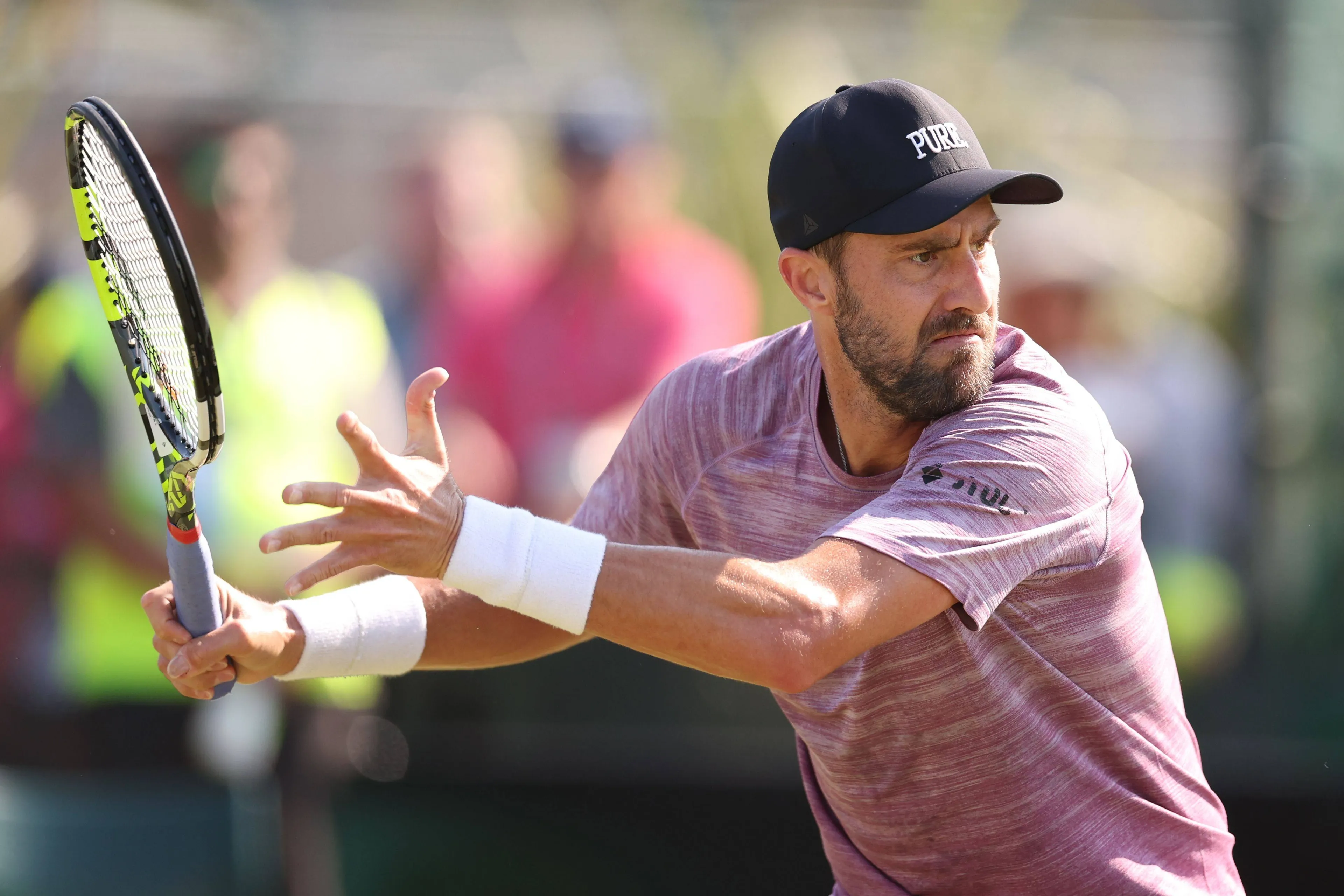
Johnson highlighted the importance of creating the PTPA, considering the many associations involved in professional tennis—and none that directly represented the players’ interests: “Maybe the outsiders don't quite know that the tour is pretty segmented—the ATP, the ITF, the Grand Slams. Everything is so different. There's not a lot of transparency.”
“We feel, as players, us, Novak and Vasek at the time—this is what they wanted, right? Like, this is exactly what they were trying to do. Obviously, if you have Novak's name attached to anything, you're immediately given a seat at the table because of his stature and status in the game.”
“But man, like, there’s been nothing the last four or five years. I think it's unfortunate because I do feel like everybody's intentions were good, but it's just hard in the tennis world. We're so global. We have too many guys in too many parts of the world. Not everybody's values align correctly, and obviously Novak feels that way.”
claps 0visitors 0
Just In



Popular News
Latest Comments
- I'm amazed at the freedom cameras have on courts as well. In the past, cross-court cameras were vividly showing what amounted to "upskirts" as women sat on their respective benches. The players resorted to placing towels between or over their legs. A practice still in play today. Same with camera's habits of basically zooming-in on down-blouse shots. That seems to have lessened; at least no more zooming-in as they bend forward prepping to face an opponent's serve. In addition, the invasion of privacy during medical treatment on-court is absurd. As are the in-your-face close-ups of players at their bench. If I were seeking a moment to concentrate or simply relax between games I'd trash that camera in a nanosecond.
- Talking about that situation with the American Dictator is one thing. Taking action is another. When is both the ATP and WTA is going to hand down punishment to the American athletes like they did with the Russians and Belarusians?, They took no time mixing sports with politics when it came to Ukraine. Right now, it is showing that the sport of tennis is actually controlled by the American Government. That is why there is so much Corruption going on.
- PLACED IN THE SEMIS IS RIGHT. BECAUSE UNLIKE ALL THE OTHER PLAYERS, PEGULA IS NEVER GIVEN ANY QUALITY OPPONENTS IN HER SECTION OF THE DRAW. THEREFORE IT HELPS HER TO GO DEEP INTO THE DRAWS. BY THE TIME SHE MEETS UP WITH A QUALITY OPPONENT, HER OPPONENT IS EXHAUSTED FROM THE PREVIOUS MATCH. IT IS CALLED DRAW FIXING. AND THAT AMERICAN BACK WTA IS FULL OF CORRUPTION. AND HAS RUINED WOMEN TENNIS. PEGULA DOESN'T EVEN HAVE THE BODY BUILD TO LIFT A TROPHY. THEREFORE THEY DO WHAT AMERICANS DO BEST. IF YOU CANNOT EARN IT, CHEAT AND STEAL IT.
- THERE IS NOTHING TO TELL HER. AS USUAL, THE DRAWS WERE DESIGNED TO HELP PEGULA LIFT THE TROPHY. UNLIKE, EVERYONE ELSE ALL PEGULA OPPONENTS CAME OFF OUT OF THE JUNIOR SECTION.
- That is what is called an Old School spanking. And it is not surprising. Svitolina played during the time when women tennis was at its best. She was considered a dark horse, who gave Serena and many of the other good players problems at that time. Gauff knew that she had to play tennis before she came out there, because Svitolina was not going to hit all those unforced errors and hand her the match, like her previous opponents. Back in the day, not only did you have to know how to play tennis, but you also had to THINK on the court. Something that has left women tennis altogether. That is why she was hitting the majority of those balls away from Gauff, because she knew that she could not out rally her. Which confused Gauff and broke her down.
- SVITOLINA GAVE HER AN OLD SCHOOL SPANKING. SHE DIDN'T GET OUT THERE AND LOOK LIKE GAUFF PREVIOUS OPPONENTS AND HAND HER THE MATCH WITH LOADS OF UNFORCED ERRORS, WHICH IS THE ONLY WAY GAUFF EVER WIN A MATCH. SVITOLINA DID NOT PLAY THAT ONE DIMENSIONAL CRAP TENNIS THAT THE NEW GENERATION IS USED TO. YOU CANNOT RALLY GAUFF, SO SHE HIT THE BALL AWAY FROM HER AND MAINTAINED HER SERVE. IT IS CALLED STRATEGY AND THINKING ON COURT. SOMETHING THAT HAS LEFT WOMEN TENNIS ALTOGETHER. EVEN GAUFF NEW TATIC OF LEAVING THE COURT AFTER LOSING THE FIRST SET, DID NOT WORK. AFTER THE MATCH SHE WENT TO THE BACK BEAT HER RACKET UP AND CRIED AS USUAL AFTER A LOSS. AT LEAST SOMEONE HAS TAUGHT HER TO DO HER MELTDOWNS BEHIND CLOSED DOORS. THE CAMERA JUST HAPPENS TO CATCH HER OUTBURST THIS TIME.
- AT LEAST SOMEONE HAS TAUGHT HER TO DO HER SORE LOSING MELTDOWNS BEHIND CLOSED DOORS. THE CAMERA JUST HAPPENS TO CATCH HER OUTBURST THIS TIME.
- Haven't seen such a dreadful display of two-way tennis in quite some time.
- No recreational drug tests??
- You are so confused lately.


Loading