“That was based on your match at Wimbledon?!?”: John Isner and Sam Querrey react to ‘absurd Wimbledon movie
ATP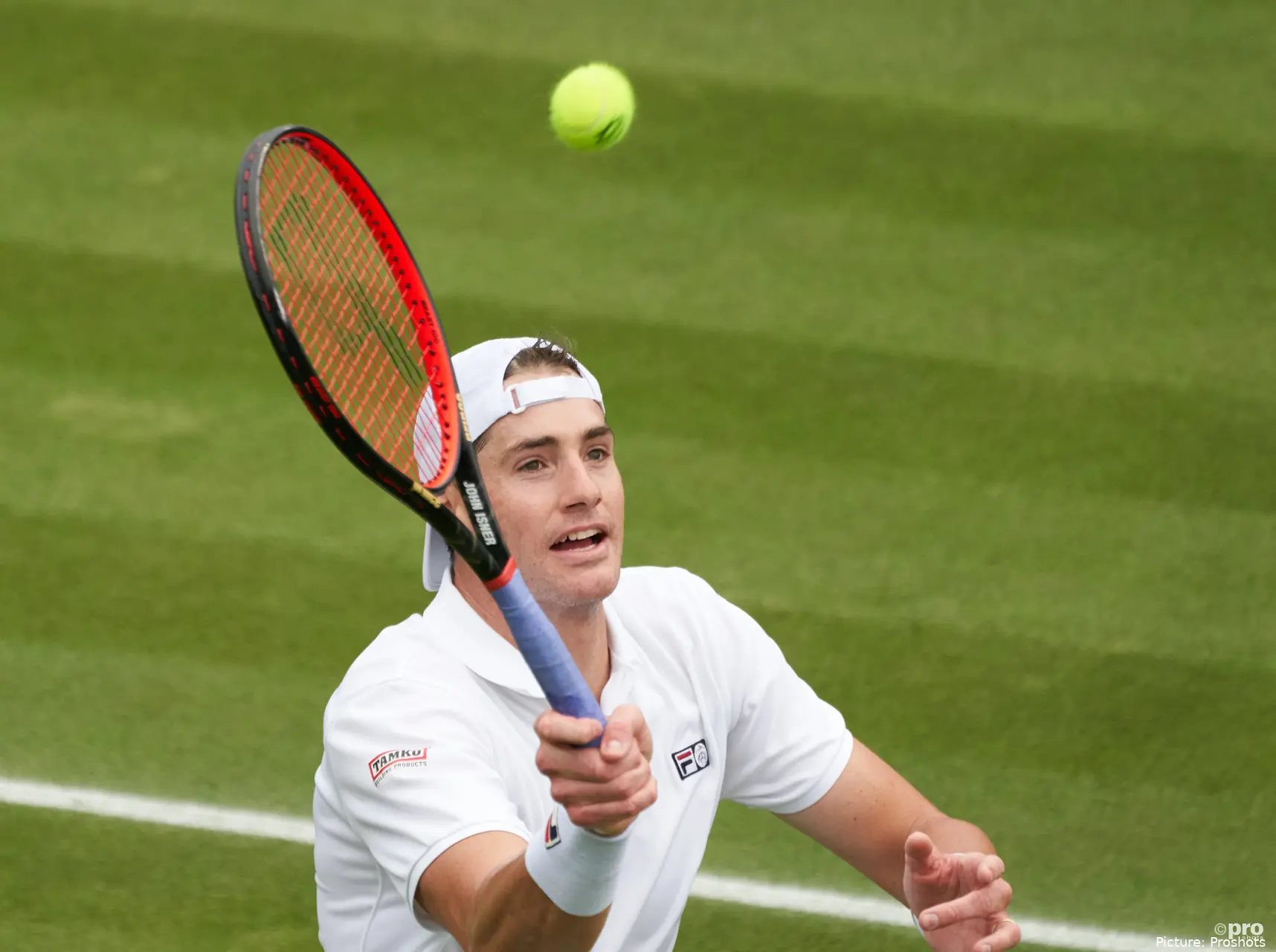
Tennis stars John Isner, Jack Sock, Sam Querrey, and Steve Johnson recently discussed one of the sport’s most divisive topics: movies about tennis. Capturing the speed, precision, and drama of tennis on screen is notoriously difficult. Even professional players notice when films misrepresent rallies, court positioning, or serve sequences.
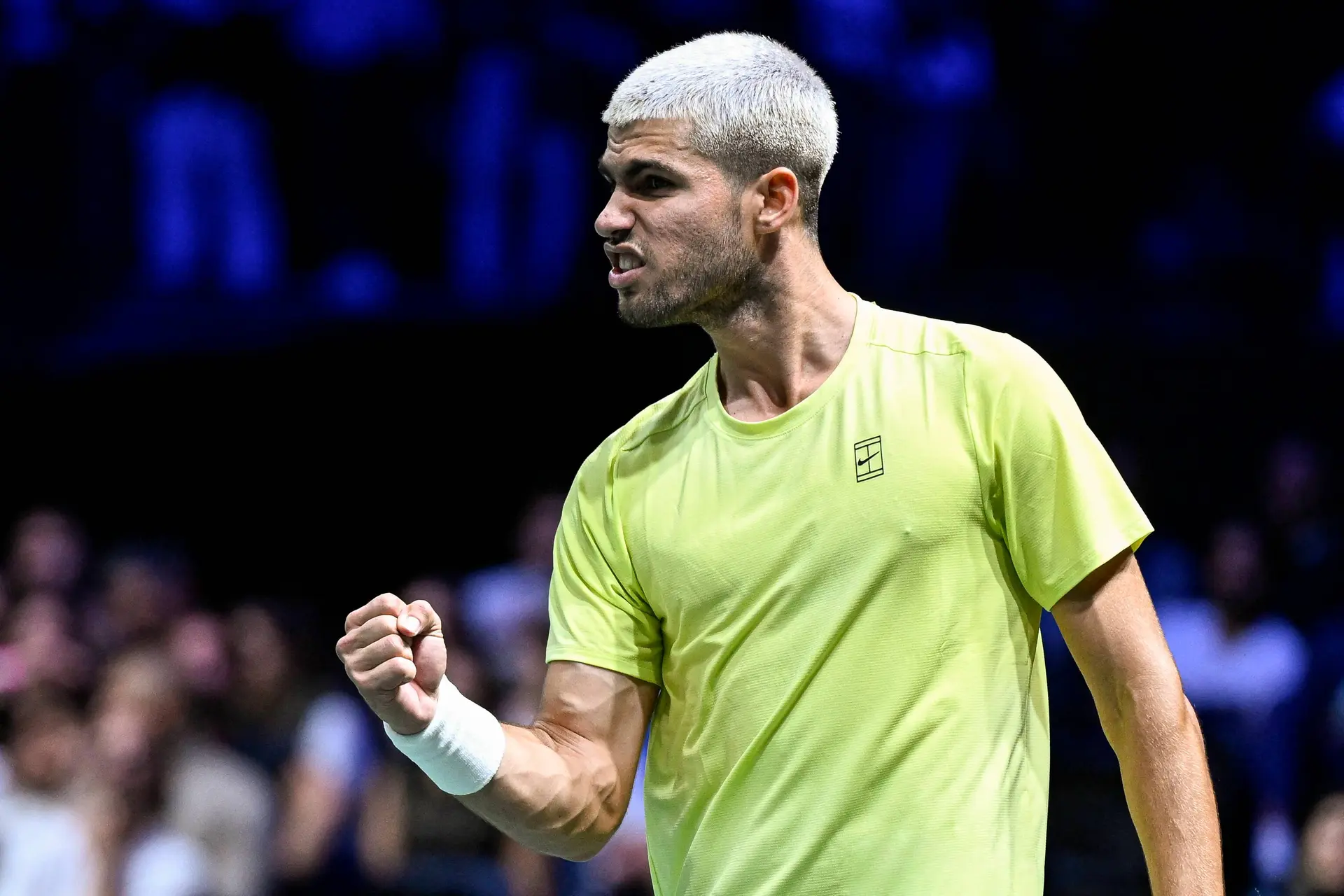
While feature films often fall short, documentaries can offer a more realistic glimpse into players’ lives. “I can only imagine the documentary hopefully shows a lot of his off-court habits and whatnot, just to see him as a person outside of the great competitor and tennis player he is,” said Steve Johnson, referring to Carlos Alcaraz’s Netflix documentary A Mi Manera.
Fiction films such as Wimbledon, starring Paul Bettany and Kirsten Dunst, often mix nostalgia with frustration. While the romantic storylines can appeal to a general audience, the tennis sequences rarely satisfy players.
Johnson explained the common issues: “The hardest thing I have when watching a tennis movie, and I can’t make it through most of them, is how bad the tennis is. Like when they clip things together. Somebody will be hitting a forehand cross court, and then they cut to the next person hitting a backhand from the ad side. It makes no sense. Like they get the tennis wrong, they'll serve from the deuce and the ball will land in the ad side.”
Documentaries, however, often strike the right balance between realism and storytelling. Johnson praised the Mardy Fish documentary, which combined authentic tennis action with an engaging narrative: “Good stuff. Proper tennis, good storyline. And they got everything right,” he said, emphasizing that documentaries can satisfy both casual viewers and professional players by showing the sport accurately while keeping the story compelling.
Comedy and mockumentaries have a unique power to capture tennis in ways traditional films cannot. John Isner highlighted his experience with 7 Days in Hell, a satirical take on a fictional three-day Wimbledon match that spirals into absurdity: “I saw it like once and actually maybe like once, one and a half times there was a mockumentary of my match from Wimbledon,” he said, leaving Sam Querrey visibly surprised.
The madness of 7 Days in Hell
7 Days in Hell exaggerates every aspect of professional tennis—marathon rallies, bizarre injuries, and chaotic plot twists—making it both hilarious and strangely relatable to anyone who has witnessed a grueling match. Querrey’s reaction captured the incredulity shared by many: “That was based on your match at Wimbledon?!? Why aren’t we just hearing about this?”
Isner responded: “What other match went three days? I mean, yeah. And Kit Harington from Game of Thrones… The two guys that played a match at Wimbledon that would never end.” The absurdity is part of the movie’s charm, blending comedy with the chaos of tennis drama in a way that few films dare to attempt.
Isner admitted he didn’t even know about the movie’s release at first: “I didn't even know about it until like week four it came out, and I watched it, and it was completely absurd. It’s ridiculous, but it captures the chaos and obsession of a long match in a way no other tennis movie does.” By leaning into comedy and exaggeration, 7 Days in Hell succeeds in a way traditional films often fail—portraying the spirit of tennis without being constrained by realism.


Cristhián AvilaTennis Journalist
Cristhián Ávila is a tennis journalist based in Santiago, Chile, and has been part of the TennisUpToDate team since early 2023. He covers the ATP and WTA Tours as well as all four Grand Slams, producing breaking news, match reports, analysis, and regular liveblogs from major tournaments.
His reporting combines statistical analysis with clear explanation, helping readers understand tactical developments, player form, and broader storylines across the tour. Working fluently in both Spanish and English, Cristhián collaborates with an international editorial team and contributes to comprehensive global coverage. As part of his work, he has conducted interviews and media interactions with leading figures in the sport, including Caroline Wozniacki and John McEnroe.
In his journalism, Cristhián places strong emphasis on careful sourcing, editorial accuracy, and updating articles promptly when new, verified information becomes available. His coverage is grounded in research, context, and direct engagement with professional tennis.
claps 0visitors 0
Just In

Popular News
Latest Comments
- A healthy Qinwen may be hard to stop next season. She was already scaring her opponents before her medical leave(s). Unfortunately, Zheng insisted on singing again. On the positive side -- Mirra did not sing!! ;~}
 mandoist11-10-2026
 - Where is it written that athletes, entertainers... People in general... are mandated to keep looking at -- or even using [anti]Social Media? Public & private figures consistently complain and reveal their concerns about negativity and violence thrown at them -- yet they insist on participating. Avoid it, don't use it, don't read it. It's okay to occasionally look up at the World instead beating your eyes & thumbs to death on The Inventions out there.mandoist11-10-2026
- great articlestennisseserver07-10-2026
- Medvedev was leading Djokovic 7-5, 3-5 when an attempted return..' NO you ignorants, Djokovic was leading .weiss05-10-2026
- No more bullshit "Wildcards" to these two. Qualify like everyone else -- there will be cameras there, too. Time to scream... WTF ????!!!!mandoist29-09-2026
- Let's not BS the general public -- Sabalenka started showing cracks in her game last season. Her losses and near-losses started at about the same time she began being distracted by Fame (constant Selfies, making TV commercials, magazine shoots, endless Social Media nonsense, etc., etc.) One would think even Saba could recognize the parallels with others who failed before her -- Raducanu, Giorgi, Bouchard to name a few.mandoist25-09-2026
- Gross!! Hey Raducanu, Giorgi, and Bouchard -- reserve a seat at your Social Media Selfie table for Saba + Naomi. They're heading in your direction soon enough.mandoist24-09-2026
- And then these same players will complain about how lengthy their season’s were and need more time-off. I’m all for more tennis but the amount of tennis we get now is actually kind of crazy! We all need a break, especially the players.DaveyWavey23-09-2026
- You should do a comparison article for "different kinds of justice" the courts decide for tennis players. I can think of at least three players who received very small bans of a few months, however Tara Moore has been fighting for her literal survival the past few years. It seems odd considering she is not a "name" player, unlike the other cases.DaveyWavey22-09-2026
- PRIZE MONEY & POINTS Winner - $185,500 Finalist - $114,500 Semi-Finalist - $66,003 Quarter-Finalist - $35,000 Round of 16 - $18,045 Round of 32 - $13,005 Winner - 500 Finalist - 325 Semi-Finalist - 195 Quarter-Finalist - 108 Round of 16 - 60 Round of 32 - 1DaveyWavey20-09-2026

Loading