"We’re just hoping and praying”: Jessica Pegula, Madison Keys and Desirae Krawczyk’s honest takes on managing their periods during WTA season
WTA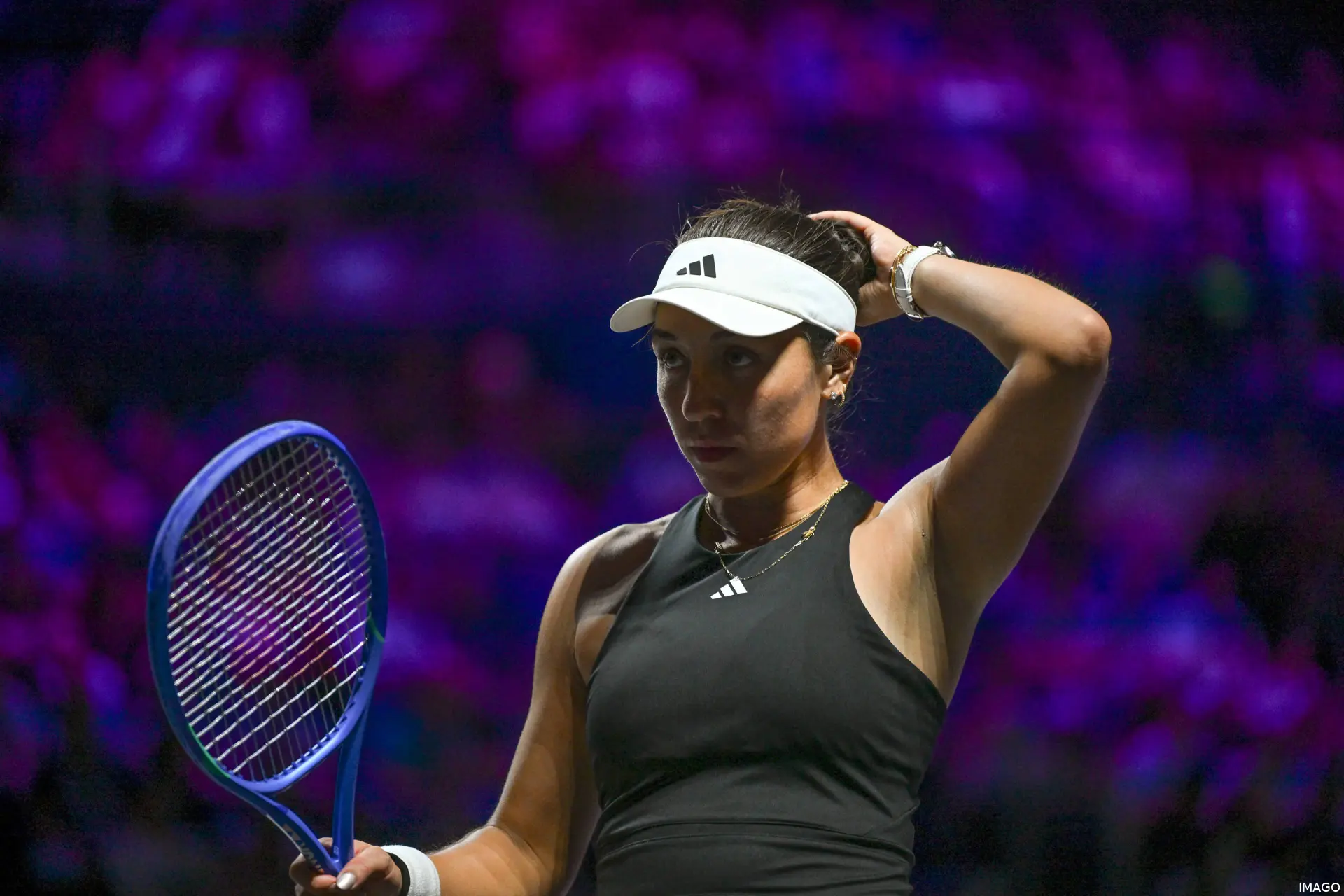
Jessica Pegula, Madison Keys, Jennifer Brady, and Desirae Krawczyk recently opened up on The Player’s Box about how they handle their periods while competing on the WTA Tour. The American players joined an episode of their podcast to answer fan questions, including a topic often left unspoken: how elite female athletes manage their menstrual cycles during a season with very few rest periods.
Life on tour is physically and mentally demanding, and the menstrual cycle adds another layer of complexity. The players explained that managing energy levels, recovery, and training schedules during their period requires constant attention and adaptation. Their discussion highlighted that even top athletes face challenges that fans rarely see behind the scenes.
World No. 6 Jess Pegula described tracking her cycle as her main strategy to stay prepared. “Survival of the fittest? I don't know. I feel like the best tool is tracking it and knowing when it's coming so you know when you're losing it that it's justified and it's okay. I honestly feel like that's one of the best ways to manage it,” she said.
Even with careful planning, Pegula admitted that unexpected travel, long flights, and changes in routine often disrupt her schedule. “Sometimes you think you have it figured out, and then everything changes,” she added.
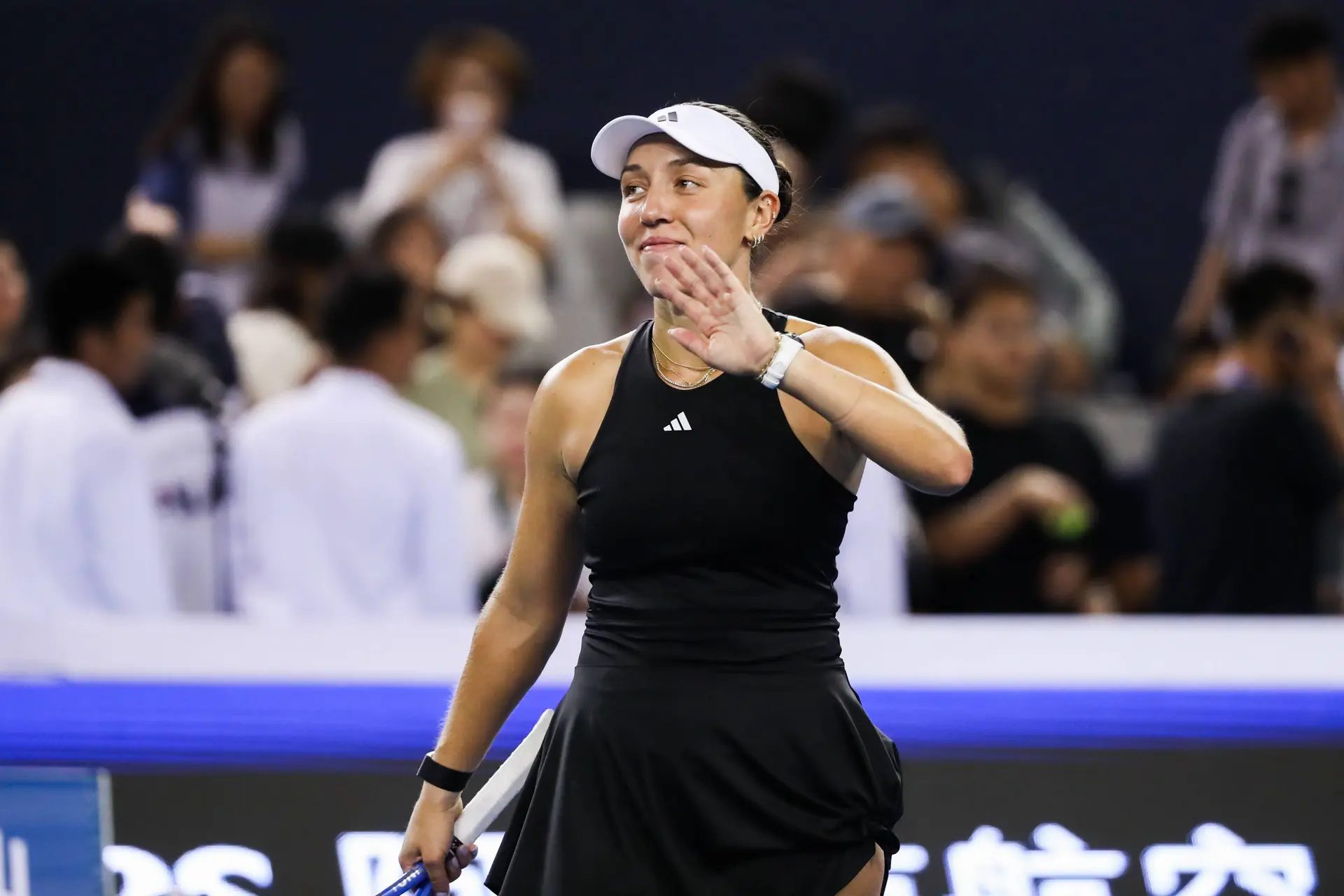
The 2025 Australian Open champion Madison Keys shared that even with birth control, cycles can be unpredictable. “I’m on birth control, so in theory, like, it should be trackable. Regular. But it's not,” she said. Krawczyk also highlighted how travel and jet lag can affect the body. “Or when we're traveling long distance, like, sometimes it's, like, skewed. It gets irregular,” she said.
The three players agreed that the intensity of training, match schedules, and constant movement make tracking cycles even harder. Keys explained that their lifestyles alone can make everything “massively irregular,” meaning that even careful preparation doesn’t always work.
The mental side of managing periods on tour can be confusing as well. Pegula laughed as she shared her experience: “And then you're like, oh, maybe I'm losing my mind because I'm getting my period. And then you're like, wait, I just had it last week. I'm just losing it.” To cope with the physical effects, the players adjust nutrition and hydration. Krawczyk said, “If I'm on my period, I will tend to eat more red meat… and definitely hydrate more.”
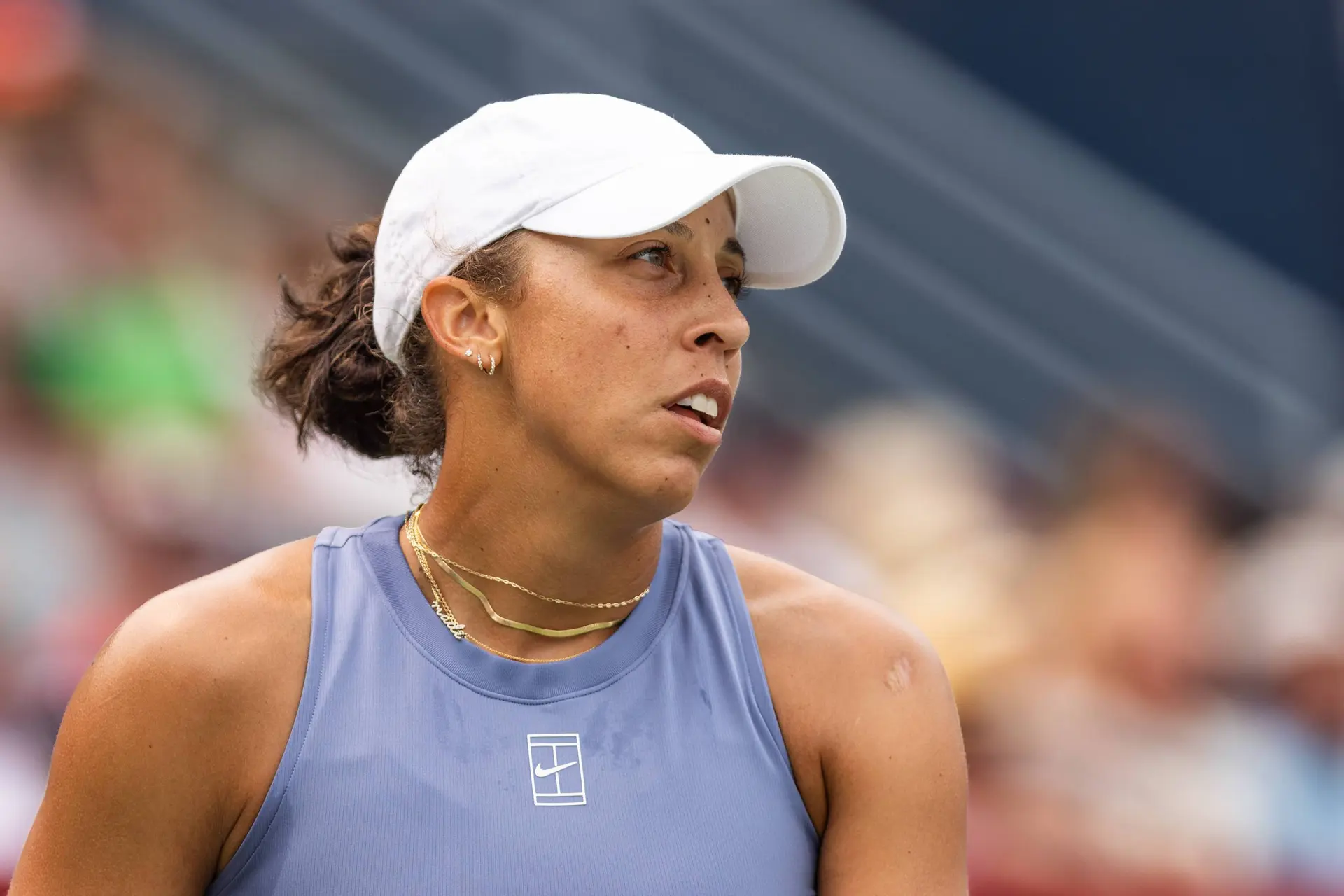
Adapting training and performance around the cycle
The WTA stars also discussed how their cycles influence training decisions. Pegula pointed out that the week before a period is riskier for injuries, while the week of menstruation may be better for pushing the body. “Aren’t you more susceptible to getting hurt the week before your period? And then when your period comes, you're actually supposed to train harder because your body’s in a better position to push. But the week leading up, it isn’t,” she said. Despite understanding these patterns, travel schedules and jet lag make precise planning difficult. “So basically, we have no idea what we’re doing, we’re just hoping and praying,” Pegula admitted.
This conversation gives fans a rare glimpse into how elite female athletes manage their bodies during the competitive season. Periods affect not only energy and recovery but also mental focus and performance. Pegula, Keys, and Krawczyk showed that preparation, nutrition, and hydration are essential tools, but flexibility and adaptability are equally important for success on tour.

Cristhián AvilaTennis Journalist
Cristhián Ávila is a tennis journalist based in Santiago, Chile, and has been part of the TennisUpToDate team since early 2023. He covers the ATP and WTA Tours as well as all four Grand Slams, producing breaking news, match reports, analysis, and regular liveblogs from major tournaments.
His reporting combines statistical analysis with clear explanation, helping readers understand tactical developments, player form, and broader storylines across the tour. Working fluently in both Spanish and English, Cristhián collaborates with an international editorial team and contributes to comprehensive global coverage. As part of his work, he has conducted interviews and media interactions with leading figures in the sport, including Caroline Wozniacki and John McEnroe.
In his journalism, Cristhián places strong emphasis on careful sourcing, editorial accuracy, and updating articles promptly when new, verified information becomes available. His coverage is grounded in research, context, and direct engagement with professional tennis.
claps 0visitors 0
Just In

Popular News
Latest Comments
- A healthy Qinwen may be hard to stop next season. She was already scaring her opponents before her medical leave(s). Unfortunately, Zheng insisted on singing again. On the positive side -- Mirra did not sing!! ;~}
 mandoist11-10-2026
 - Where is it written that athletes, entertainers... People in general... are mandated to keep looking at -- or even using [anti]Social Media? Public & private figures consistently complain and reveal their concerns about negativity and violence thrown at them -- yet they insist on participating. Avoid it, don't use it, don't read it. It's okay to occasionally look up at the World instead beating your eyes & thumbs to death on The Inventions out there.mandoist11-10-2026
- great articlestennisseserver07-10-2026
- Medvedev was leading Djokovic 7-5, 3-5 when an attempted return..' NO you ignorants, Djokovic was leading .weiss05-10-2026
- No more bullshit "Wildcards" to these two. Qualify like everyone else -- there will be cameras there, too. Time to scream... WTF ????!!!!mandoist29-09-2026
- Let's not BS the general public -- Sabalenka started showing cracks in her game last season. Her losses and near-losses started at about the same time she began being distracted by Fame (constant Selfies, making TV commercials, magazine shoots, endless Social Media nonsense, etc., etc.) One would think even Saba could recognize the parallels with others who failed before her -- Raducanu, Giorgi, Bouchard to name a few.mandoist25-09-2026
- Gross!! Hey Raducanu, Giorgi, and Bouchard -- reserve a seat at your Social Media Selfie table for Saba + Naomi. They're heading in your direction soon enough.mandoist24-09-2026
- And then these same players will complain about how lengthy their season’s were and need more time-off. I’m all for more tennis but the amount of tennis we get now is actually kind of crazy! We all need a break, especially the players.DaveyWavey23-09-2026
- You should do a comparison article for "different kinds of justice" the courts decide for tennis players. I can think of at least three players who received very small bans of a few months, however Tara Moore has been fighting for her literal survival the past few years. It seems odd considering she is not a "name" player, unlike the other cases.DaveyWavey22-09-2026
- PRIZE MONEY & POINTS Winner - $185,500 Finalist - $114,500 Semi-Finalist - $66,003 Quarter-Finalist - $35,000 Round of 16 - $18,045 Round of 32 - $13,005 Winner - 500 Finalist - 325 Semi-Finalist - 195 Quarter-Finalist - 108 Round of 16 - 60 Round of 32 - 1DaveyWavey20-09-2026

Loading