“Rios was the most talented guy besides McEnroe”: Larry Stefanki reflects on coaching elite players
ATP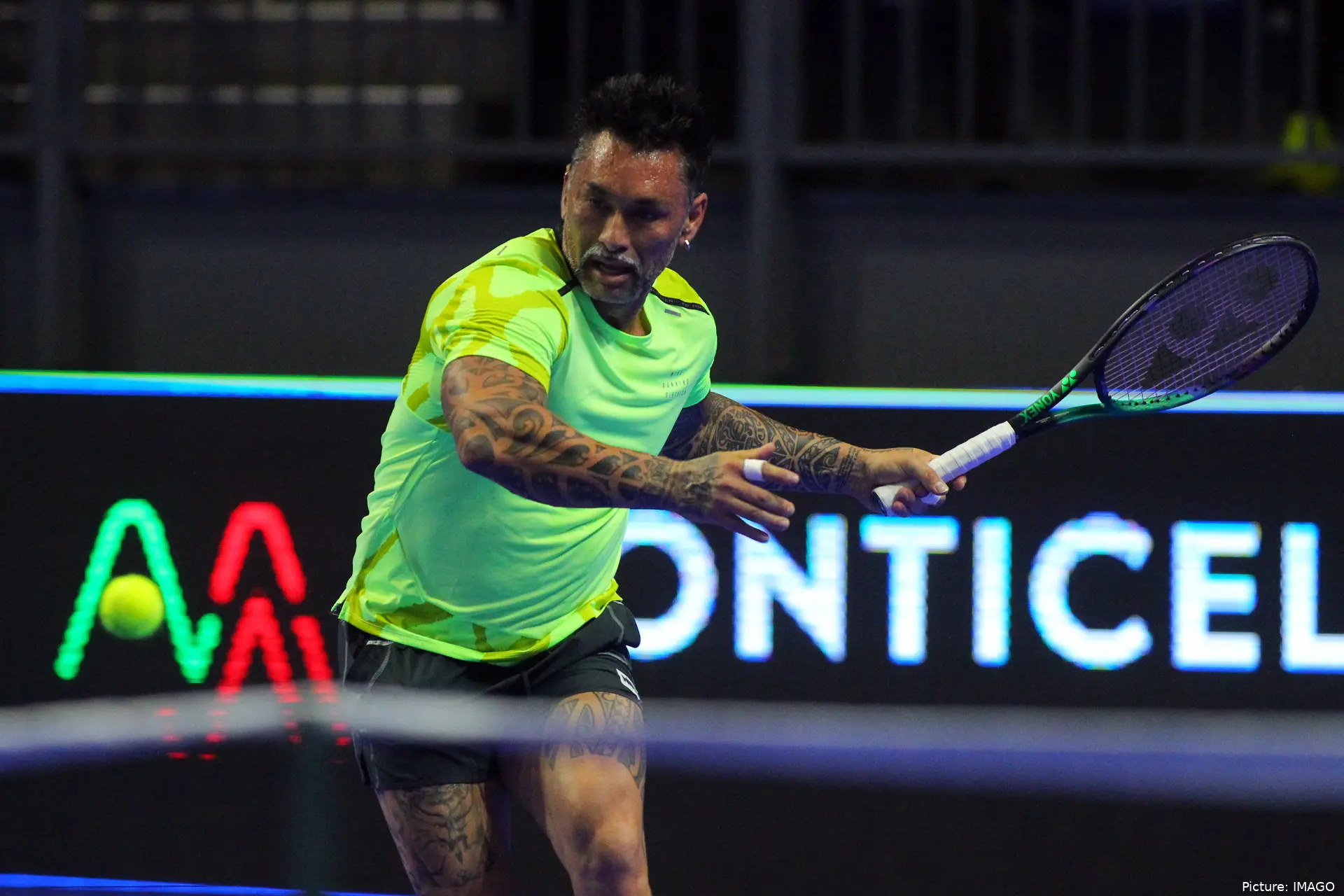
Larry Stefanki spent decades working with some of the most recognisable players in men’s tennis, including John McEnroe, Marcelo Ríos, Yevgeny Kafelnikov, Fernando González and Andy Roddick. Across those partnerships, several players reached the top of the rankings or competed consistently at the highest level of the ATP Tour.
Reflecting on those experiences during a conversation on Andy Roddick’s Served podcast, Stefanki repeatedly returned to one central theme: success in professional tennis depends less on raw ability than on how players confront weaknesses in their game.
“My philosophy is simple: build on what players do well but fix the weaknesses. Everybody wants to hit their favourite shot in practice. But the match doesn’t care about that. The match finds the other side of your game.”
Stefanki emphasised that the role of a coach is often uncomfortable, forcing players to address areas they would prefer to avoid. “If a guy has a great forehand and great backhand but his serve is terrible, that’s where we work. The game starts with the serve. The hard part is convincing the player to spend time on the thing he doesn’t enjoy.”
“Ríos was the most talented guy besides McEnroe”
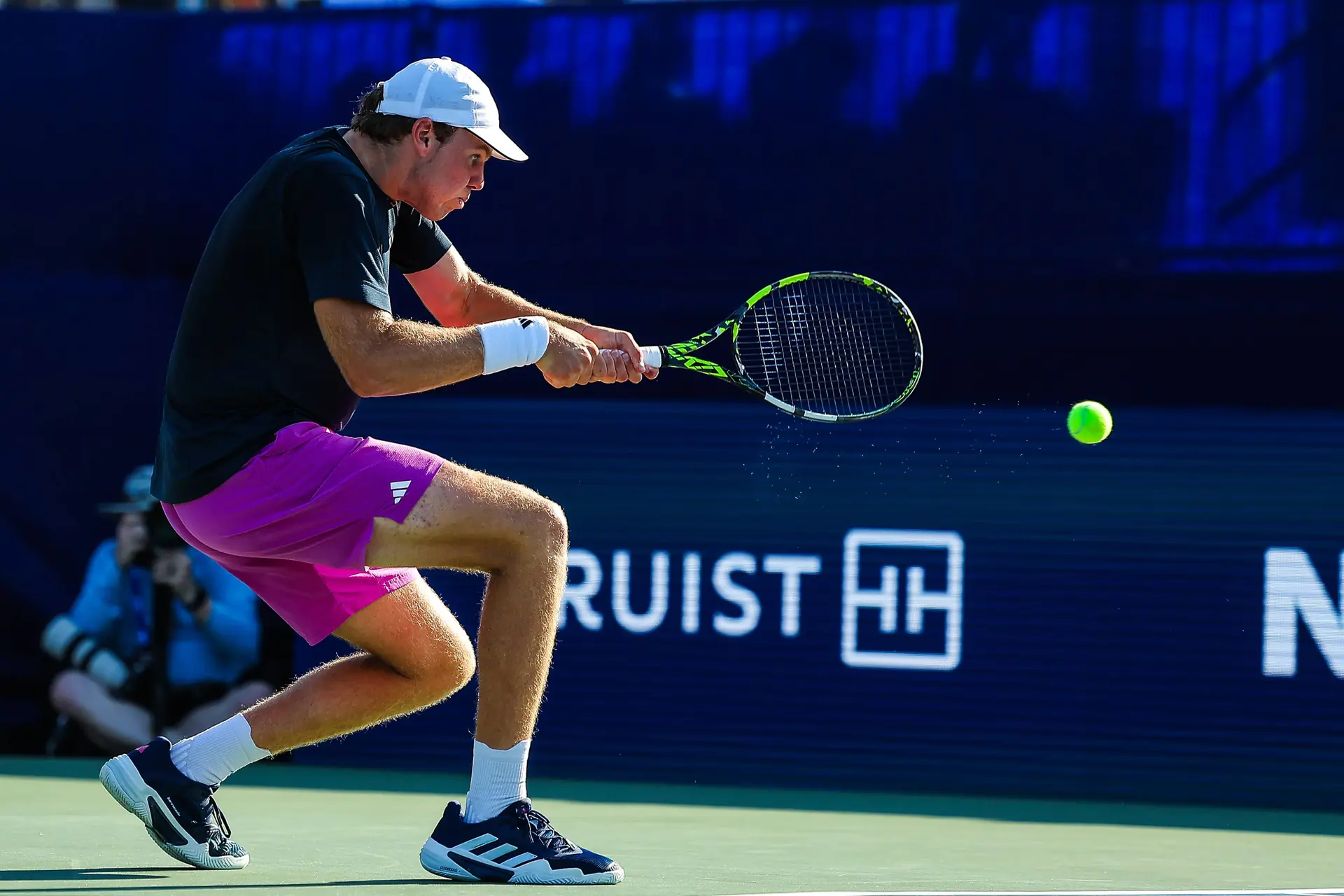
When the conversation turned to Marcelo Ríos, Stefanki did not hesitate. The Chilean, who reached World No.1 in 1998 and won 18 ATP titles, stood out in his memory as one of the most naturally gifted players he ever worked with.
Ríos built his reputation on extraordinary touch, disguise and shot-making creativity, attributes that allowed him to produce angles and variations rarely seen on the tour. For Stefanki, however, that same creativity sometimes complicated the tactical clarity required at the highest level.
“Ríos was the most talented guy besides McEnroe that I ever coached. He came out of the box with a gift,” Stefanski said. "His hands, his feel for the ball, the way he could change direction — that’s not something you teach. But his brain worked like creative arts. He had every shot in the book. And sometimes when you have every shot, the hardest thing is deciding which one not to use.”
Stefanki explained that coaching players with such expansive skill sets requires a delicate balance. Creativity must be preserved, but structure must still guide decision-making during matches. “You’ve got to give them structure without killing their creativity. If you try to turn a player like that into a robot, you lose what makes him special. But if you don’t give him some discipline in how he uses those shots, the match becomes chaos.”
Ríos’ ability to improvise made him one of the most unpredictable players of his generation. Opponents often struggled to anticipate his choices, as he could redirect rallies or change pace with minimal preparation.
Yet Stefanki suggested that unpredictability also had limits in professional competition. “At some point you can’t play like a circus act out there. The tour is too good. You’ve got to decide what wins the match. The best players figure out how to simplify things at the right moments.”
“If you're not No.1, you've got work to do”
Across the different players he coached, Stefanki said the same core philosophy applied: improvement begins with confronting weaknesses rather than reinforcing strengths. That principle shaped his approach with everyone from rising players to established champions.
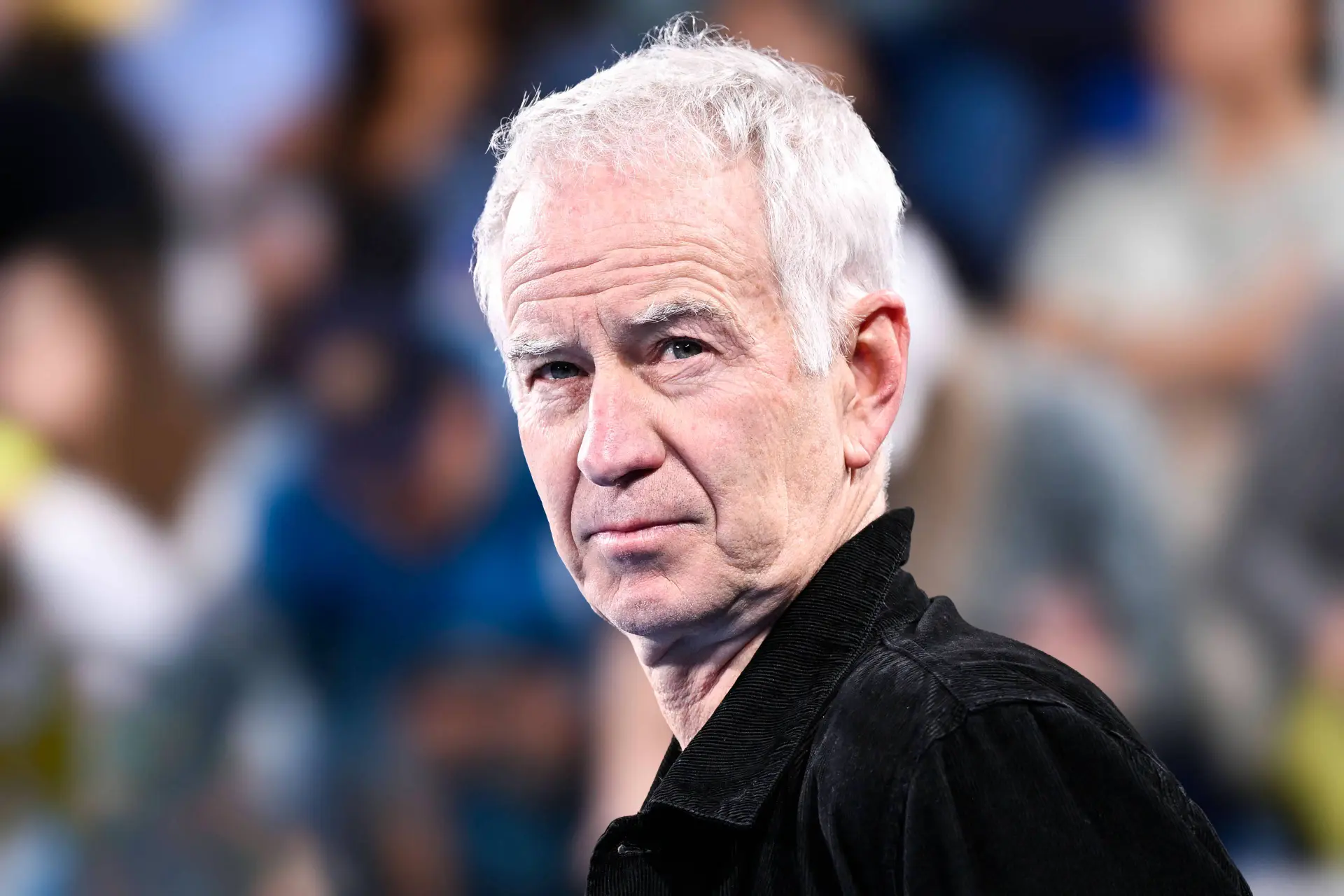
“If you’re not number one, you’ve got work to do. That’s basically how it works. I don’t care how much money you have in the bank or how many matches you’ve won. If you want to be the best, you’ve got to keep fixing things.”
The work involved was often repetitive and unglamorous. Stefanki emphasised that elite development typically comes through thousands of repetitions addressing specific technical flaws.
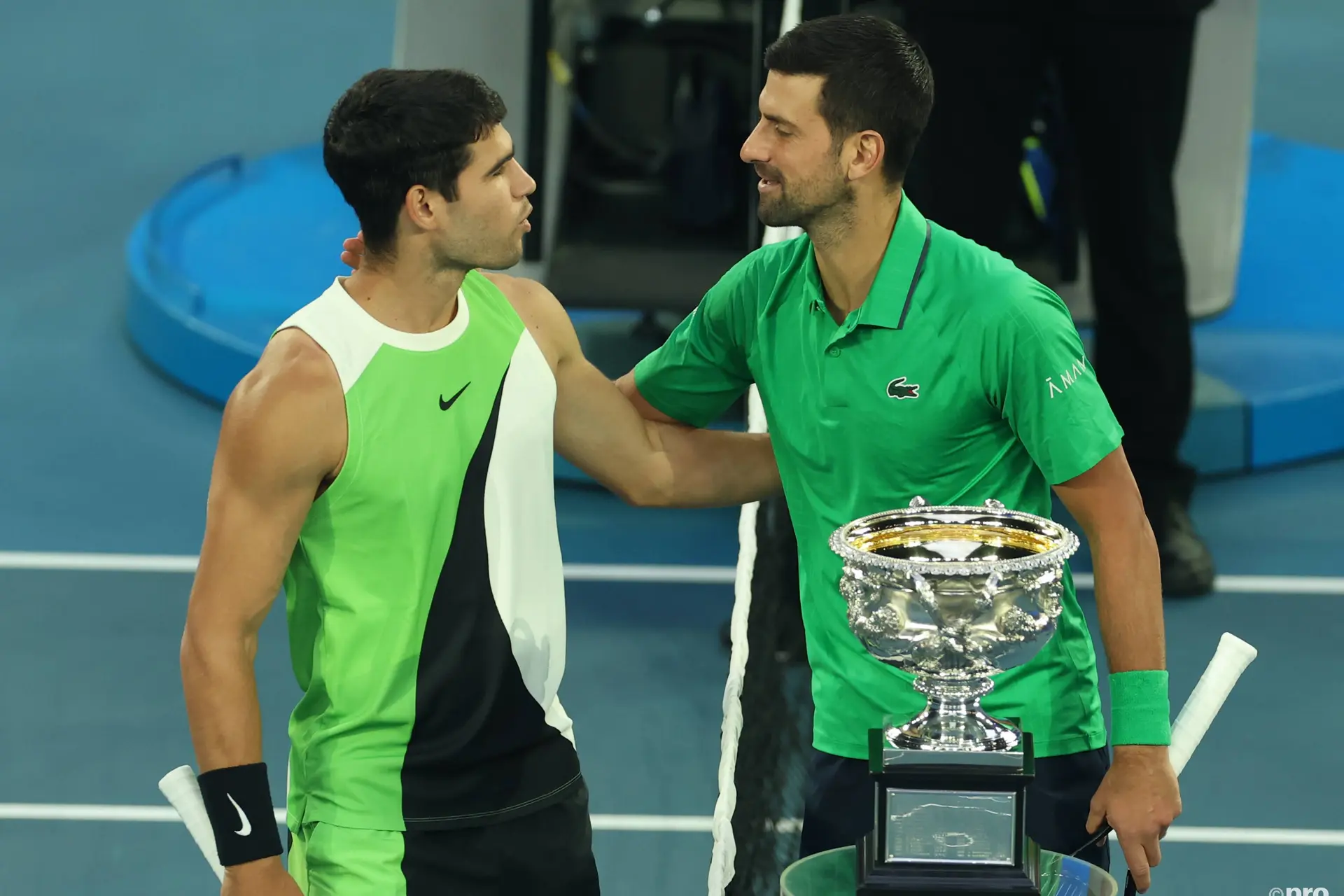
He recalled a lengthy period working on Fernando González’s backhand, a shot that initially lacked consistency despite the Chilean’s devastating forehand. “I told him, ‘How are you playing professional tennis if you can’t hit two backhands cross-court?’ We spent months on that. Every day he asked if we could hit forehands. I said no. The forehand was already there. The backhand was the problem.”
The lesson, Stefanki explained, applied across all levels of professional tennis. “Everybody wants to practice what they’re good at. That’s human nature. But the match doesn’t care about that. The match finds your weakness.”
“You need to lose 15 pounds”
Stefanki’s direct approach also shaped his partnership with Andy Roddick, which began in 2008. By that stage the American had already won the 2003 US Open and spent time at World No.1, but Stefanki believed the demands of the modern game required further adjustments.
Their first conversation immediately set the tone. “I told him, ‘All right, I’ll take the job. But the first thing you’ve got to do is lose 15 pounds. You’ve got to move in this game now.’”
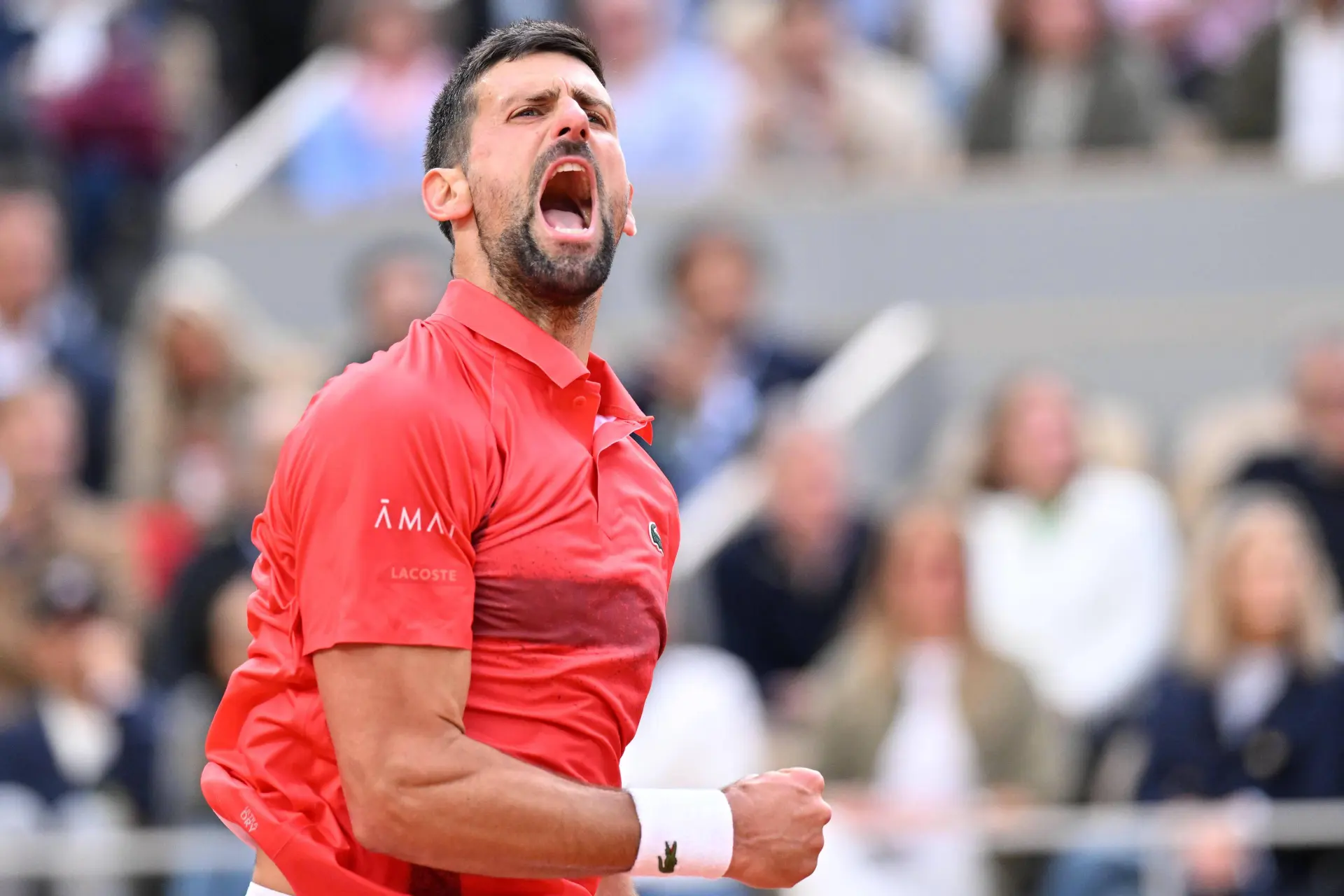
For Stefanki, the point was not criticism but adaptation. The physical demands of the ATP Tour had increased significantly during the era dominated by Roger Federer and Rafael Nadal, placing greater emphasis on endurance and court coverage. “The game had changed,” Stefanki explained. “The rallies were longer, the movement was better. If you want to compete with those guys, you’ve got to be able to stay out there and move.”
Roddick recalled the exchange as a defining introduction to Stefanki’s personality. “He wasn’t interested in telling me what I wanted to hear,” Roddick said. “The first thing he basically said was, ‘You’ve got work to do.’”
The blunt assessment reflected a coaching philosophy Stefanki applied throughout his career. Even players who had already achieved major success, he argued, had to remain open to uncomfortable changes. “I’m not a Lego piece,” Stefanki said. “I’m not a guy you plug in and suddenly everything improves. Coaching doesn’t work like that. It’s a process.”
He added that progress depended on the player’s willingness to accept that process. “If the player isn’t willing to put in the hard miles, nothing changes. Everybody wants results quickly, but this game doesn’t work that way.”
The partnership ultimately produced one of the most memorable matches in Wimbledon history. In the 2009 final, Roddick pushed Federer to a 16–14 fifth set before narrowly missing out on a second Grand Slam title. Looking back, Stefanki saw that run as confirmation of the same principle that guided his coaching career. “If you’re going to do this, you have to put in the hard miles.”

Cristhián AvilaTennis Journalist
Cristhián Ávila is a tennis journalist based in Santiago, Chile, and has been part of the TennisUpToDate team since early 2023. He covers the ATP and WTA Tours as well as all four Grand Slams, producing breaking news, match reports, analysis, and regular liveblogs from major tournaments.
His reporting combines statistical analysis with clear explanation, helping readers understand tactical developments, player form, and broader storylines across the tour. Working fluently in both Spanish and English, Cristhián collaborates with an international editorial team and contributes to comprehensive global coverage. As part of his work, he has conducted interviews and media interactions with leading figures in the sport, including Caroline Wozniacki and John McEnroe.
In his journalism, Cristhián places strong emphasis on careful sourcing, editorial accuracy, and updating articles promptly when new, verified information becomes available. His coverage is grounded in research, context, and direct engagement with professional tennis.
claps 0visitors 0
Just In


Popular News
Latest Comments
- Does Sinner need that 4.5 mil? I doubt it. He can make that with three modelling gigs!😅🤣Rapunzel21-10-2026
- Did "People Magazine" purchase this website? This nonstop storyline is bullshit.
 mandoist21-10-2026
 - Listen... this is of no concern to anyone but these two. Deal with your own issues -- most of us have our own. Thanks, media, for these insignificant follow-ups which are meaningless.mandoist21-10-2026
- This is so very very sad, for all three of them. I truly thought they had an unbreakable bond, but life throws up so many differing challenges. Having your homeland suffering in such a terrible way, makes happiness lose out to guilt as well. Our thoughts are with them. X💔bjsexton20-10-2026
- I have lost all respect for Svitolina! Could she not have waited until he had played at the Paris Masters!!! She is selfish and don't give a damn about Gael. That is NOT how love is demonstrated Elina!!Rapunzel19-10-2026
- Perhaps convenient tennis tour sex is not a strong enough experience in which to base a marriage?mandoist19-10-2026
- Fight the Good Fight... Tennis (sports in general) need more Humans such as yourself.mandoist18-10-2026
- When is WTA going to mandate Genetic Testing (DNA) ???mandoist18-10-2026
- Hey, Dan... you just wake up from a coma? Regardless -- Thanks for the comedy this morning!mandoist18-10-2026
- Two Things: 1. Stop allowing these Spoiled Trust-Fund Elitists to behave badly. Your little hand-slaps do not deter them. 2. STOP the incessantly annoying "towel wiping" nonsense!!!!mandoist15-10-2026

Loading