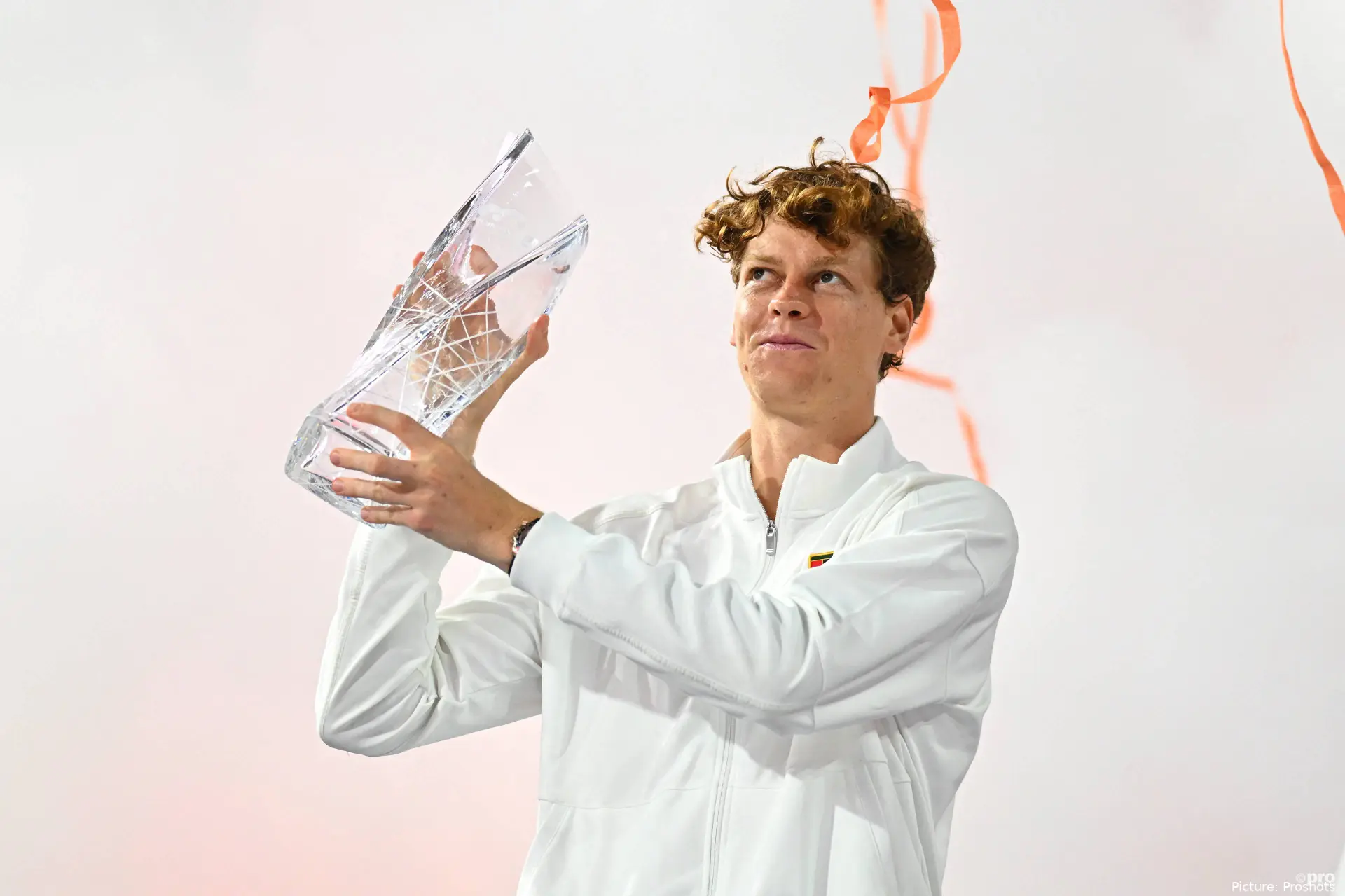
Jannik Sinner offered a more personal look at his career this week, appearing alongside coach Darren Cahill in a Q&A published on his official YouTube channel. The format was informal, but it came at a relevant point in his season, with the Italian entering the clay swing after a strong start to 2026.
Sinner remains one of the central figures on the ATP Tour. He reached World No.1 in 2024 and won Wimbledon in 2025, adding to a run of consistent results at the highest level. His recent performances on hard courts, including a Sunshine Double campaign, have reinforced that position ahead of the European clay season.
The discussion focused less on matches and more on routine, background and perspective. Across the conversation, Sinner returned to the same themes: process, balance and long-term consistency, rather than short-term results.
That approach was clearest when he reflected on his Wimbledon title, which he described in understated terms despite its significance within his career. “The other one was when I won Wimbledon, that for me was always not even a dream because it was unrealistic when I was young… winning that title with my parents there, with my brother, with great friends, it was for sure the happiest moment I ever had on a tennis court.”
Early path and transition from skiing
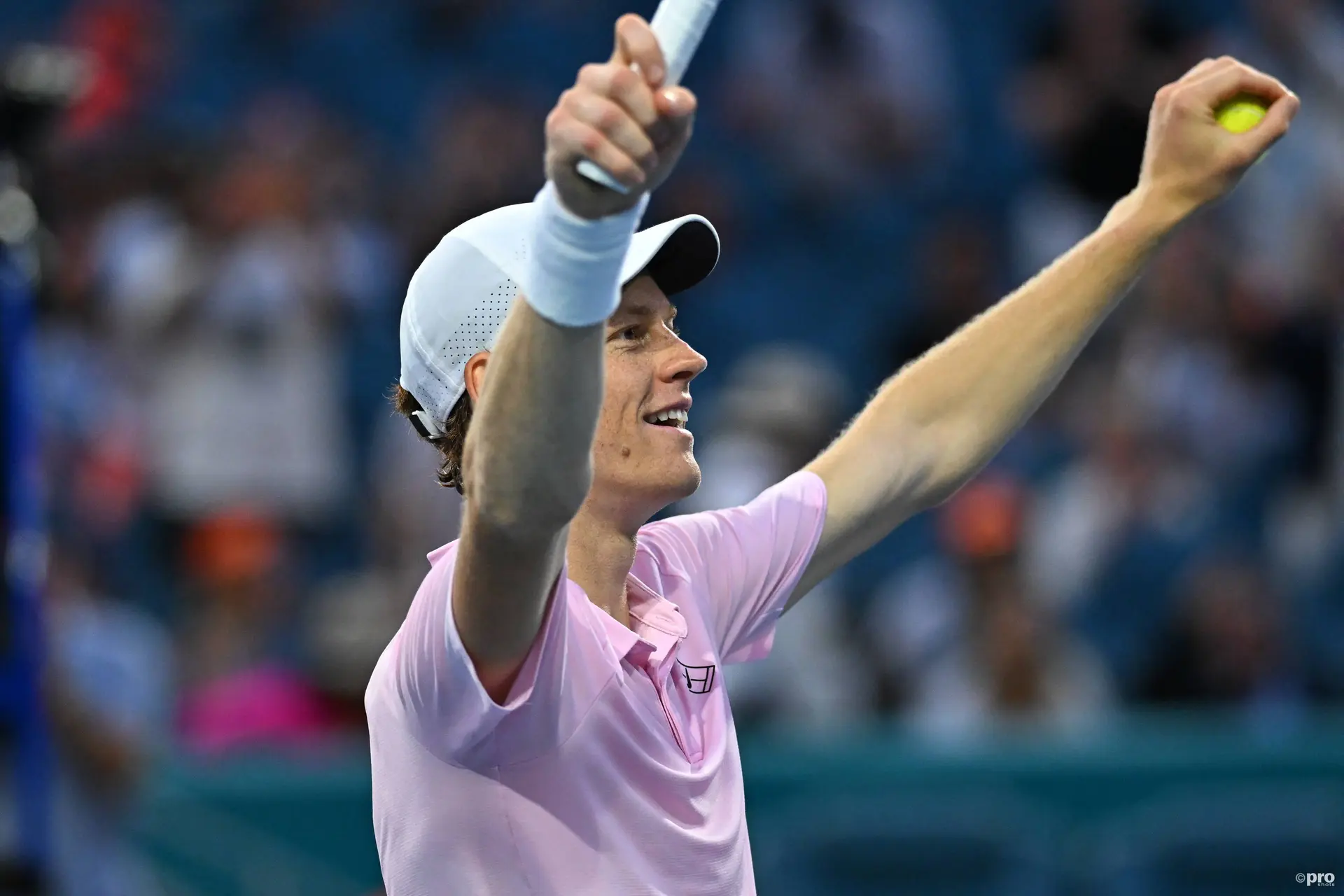
Sinner also revisited his early years in sport, outlining how tennis developed gradually rather than as an immediate priority. He first picked up a racket with his father at a young age, but said his involvement remained limited until his early teens.
“The first time I went on a tennis court was with my dad. He gave me the tennis racket. I was around three and a half, four years old. From then on I played, but not a lot. Usually a couple of hours in a week actually, until I was around 13.”
His shift toward tennis came after stepping away from skiing, which he described as mentally demanding despite early success. “I kept going with tennis because skiing was mentally very tough for me at some point. Waking up very early in the morning and very cold. And it was tough also because I used to win a lot. And in tennis I never won anything, so I tried something new.”
That progression contrasts with his current position on Tour, where he has established himself across multiple surfaces. The transition period remains a consistent reference point in how he explains his development.
Perspective on success and daily routine
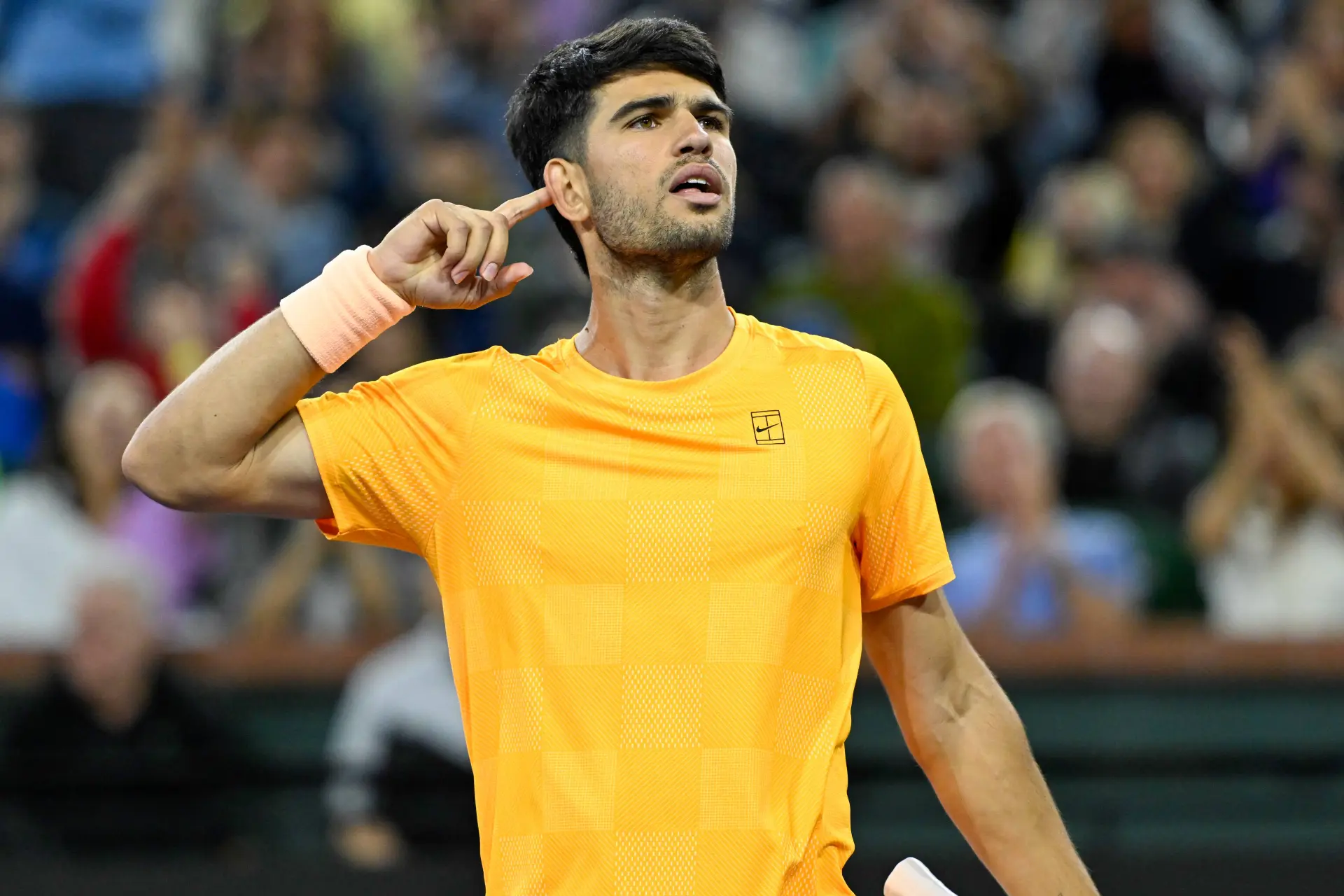
When asked about success, Sinner framed his answer around balance rather than results alone. While acknowledging the importance of performance, he placed equal emphasis on personal stability and environment.
“Success for me means first of all having the opportunity to choose what you want to do and what you love. With a lot of fun. And then of course the second part is to have results with it… I think that’s my combination of success. Having a normal healthy life. Being healthy… we are here at the golf course having fun. That’s for me my success.”
The same approach appeared in his description of daily habits. Sinner highlighted sleep and recovery as key elements of his routine, aiming for at least nine hours per night and using short naps when necessary during tournaments.
Message to younger players
Sinner closed the discussion with advice for younger players, again focusing on long-term development rather than immediate results. He stressed the balance between ambition and enjoyment, noting that progression at the highest level requires both.
“To arrive to a very high level you need to make a lot of sacrifices but in the same time you need to love what you do… when you arrive it’s very nice, but in the same time it’s also very, very hard to stay at the top.”
“I would just say to enjoy the process, not always looking on the result, but also looking your personal process of getting better day after day… and at a certain point you need to sacrifice many things off the court too.”
As Sinner moves into the clay portion of the season, the conversation offered a clear summary of how he frames his position on Tour. The results remain consistent, but his focus continues to sit on the structure around them rather than the outcomes themselves.

Cristhián AvilaTennis Journalist
Cristhián Ávila is a tennis journalist based in Santiago, Chile, and has been part of the TennisUpToDate team since early 2023. He covers the ATP and WTA Tours as well as all four Grand Slams, producing breaking news, match reports, analysis, and regular liveblogs from major tournaments.
His reporting combines statistical analysis with clear explanation, helping readers understand tactical developments, player form, and broader storylines across the tour. Working fluently in both Spanish and English, Cristhián collaborates with an international editorial team and contributes to comprehensive global coverage. As part of his work, he has conducted interviews and media interactions with leading figures in the sport, including Caroline Wozniacki and John McEnroe.
In his journalism, Cristhián places strong emphasis on careful sourcing, editorial accuracy, and updating articles promptly when new, verified information becomes available. His coverage is grounded in research, context, and direct engagement with professional tennis.
claps 0visitors 0
Just In

Popular News

Latest Comments
- Does Sinner need that 4.5 mil? I doubt it. He can make that with three modelling gigs!😅🤣Rapunzel21-10-2026
- Did "People Magazine" purchase this website? This nonstop storyline is bullshit.
 mandoist21-10-2026
 - Listen... this is of no concern to anyone but these two. Deal with your own issues -- most of us have our own. Thanks, media, for these insignificant follow-ups which are meaningless.mandoist21-10-2026
- This is so very very sad, for all three of them. I truly thought they had an unbreakable bond, but life throws up so many differing challenges. Having your homeland suffering in such a terrible way, makes happiness lose out to guilt as well. Our thoughts are with them. X💔bjsexton20-10-2026
- I have lost all respect for Svitolina! Could she not have waited until he had played at the Paris Masters!!! She is selfish and don't give a damn about Gael. That is NOT how love is demonstrated Elina!!Rapunzel19-10-2026
- Perhaps convenient tennis tour sex is not a strong enough experience in which to base a marriage?mandoist19-10-2026
- Fight the Good Fight... Tennis (sports in general) need more Humans such as yourself.mandoist18-10-2026
- When is WTA going to mandate Genetic Testing (DNA) ???mandoist18-10-2026
- Hey, Dan... you just wake up from a coma? Regardless -- Thanks for the comedy this morning!mandoist18-10-2026
- Two Things: 1. Stop allowing these Spoiled Trust-Fund Elitists to behave badly. Your little hand-slaps do not deter them. 2. STOP the incessantly annoying "towel wiping" nonsense!!!!mandoist15-10-2026

Loading