“The level is very high even outside the Top 5”: Jiri Lehecka leads new wave in Miami semi-finals
ATP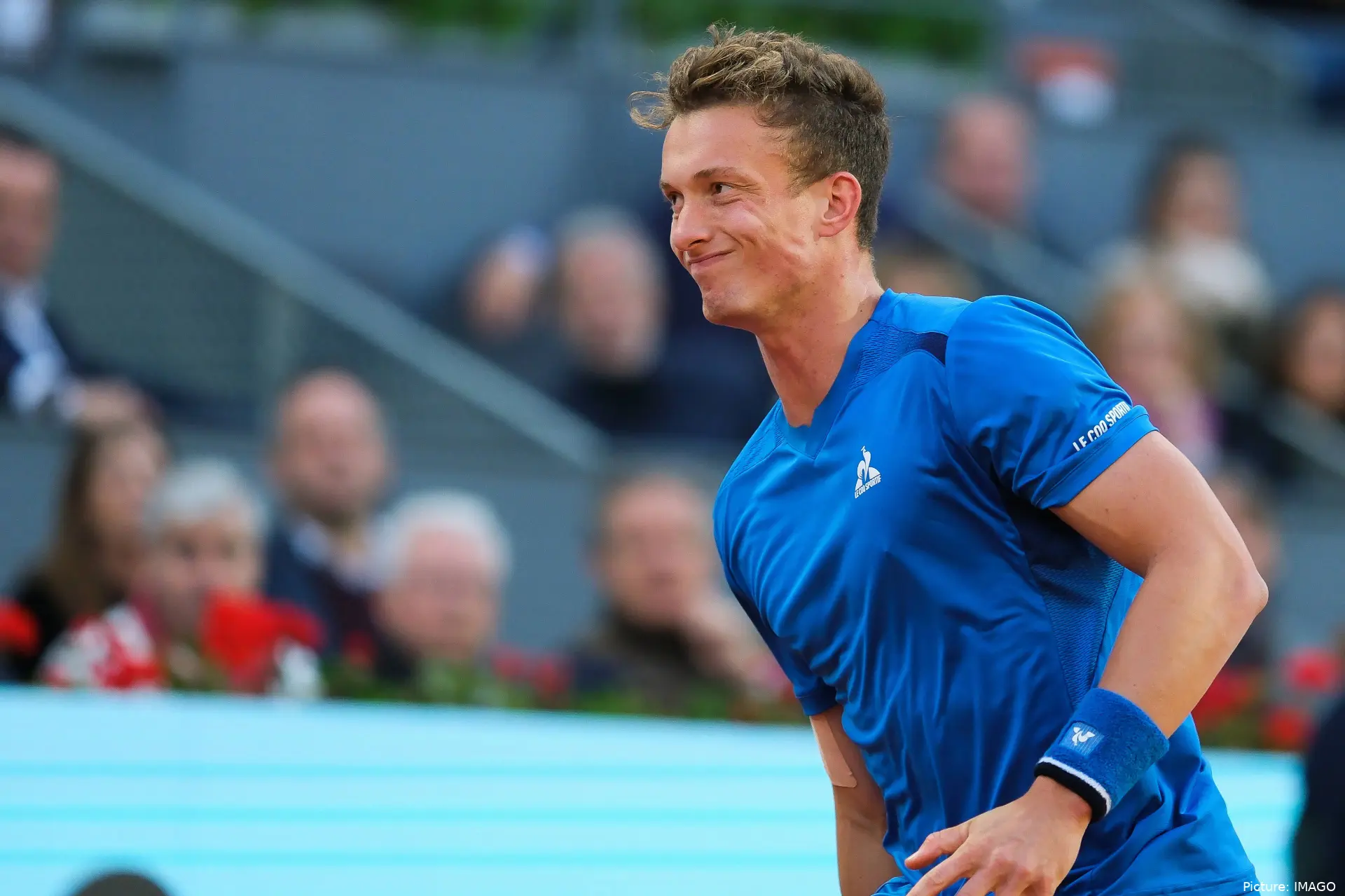
Jiri Lehecka’s run to the semi-finals of the Miami Open has unfolded within one of the most open Masters 1000 draws of the season. With top seed Carlos Alcaraz eliminated in the third round, an opportunity opened up for lower-ranked players and the first semi-final will be contested by two players outside the Top 20.
At 24, Lehecka has moved into the latter stages of a Masters 1000 event for the second time in his career, following his breakthrough in Madrid two years ago. Now projected at No. 16 in the Live Rankings, his position reflects steady progression rather than a single standout week, with results across multiple tournaments reinforcing his presence near the top tier.
This Miami campaign has been defined not only by his own level, but by the volatility around him. Early exits from leading names have created opportunities, but Lehecka’s performance has aligned with a wider trend he identifies across the Tour: a narrowing gap between the elite and the chasing group.
“I think this shows that tennis is very strong right now, and all the guys are able to beat the top players,” Lehecka said to ATP Tour. “Of course we don’t see this often, maybe once in many tournaments over the last 52 weeks, that it becomes this extreme, with me being the highest seed in a semi-final or quarter-final.”
“But I think all the matches were played well. There were no injuries in the top half, so it just proves that tennis is in good hands and the level is very high, even outside the Top 5 or Top 10.”

Consistency over breakthrough: Lehecka’s evolution on Tour
Lehecka’s current position is the result of gradual consolidation rather than abrupt emergence. Since his Madrid semi-final run, where he defeated Rafael Nadal before retiring injured against Felix Auger-Aliassime, the Czech has built a more stable foundation, highlighted by a second ATP title in Brisbane in 2025 and additional finals in Antwerp, Queen’s Club and Brussels.
He now operates within a ranking range that reflects that consistency, but also presents a new challenge: translating Top 20 stability into deeper runs at the biggest events. As he noted, maintaining position is no longer sufficient; progression towards the Top 10 has become the next objective. “I’ve put myself in a position where I know I can stay around the Top 20,” Lehecka said. “From that spot, I felt I needed to put in more work to go further and get closer to the top 10. That became my goal.”
“I think I’m a completely different player since that moment,” he added. “It was one of my first big tournaments where I went far. The match against Rafael Nadal in Madrid was a lifetime experience, but I still felt new in those late stages.”
“Unfortunately, that week is still connected to my back injury. It wasn’t pleasant. I wasn’t even able to walk after that last match where I had to retire, so that was very tough.”
Match management and adaptability in Miami
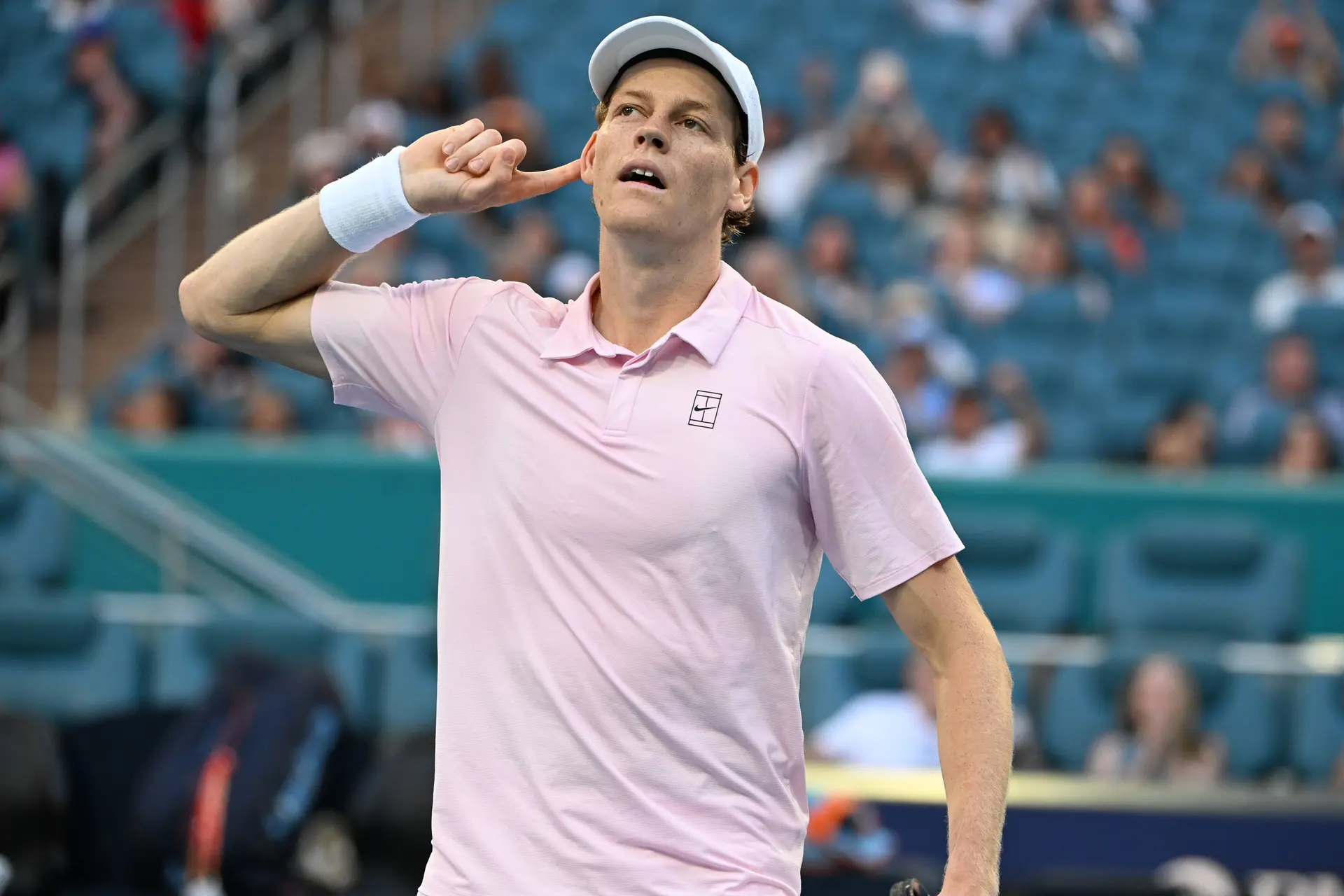
Lehecka’s quarter-final win over Martin Landaluce illustrated the type of match he is increasingly capable of managing. The 7-6(1), 7-5 scoreline required patience rather than control, with the Spaniard dictating large portions of the rallies and forcing the Czech to adapt his approach.
“I must say that I didn’t really feel comfortable in the match at all because Martin was playing very good tennis today,” the 21th seed said. “He was very aggressive and went for every chance he had. I really had to think my way through this match and was waiting for the right moment to break him on the break points.”
“He was unbelievable. He was very aggressive and he played very well. I think it was a great match. He was dictating the pace most of the time, but from my side I was serving pretty well today. That really helped me through the match.”
That ability to navigate discomfort, rather than rely on dominant patterns, reflects a broader shift in his game. Familiarity with opponents and repeated exposure to high-level matches have changed his preparation and expectations heading into key rounds. “The difference now is that all the players know each other well," the 24-year-old Czech player added. "They know what to expect from me, and I know what to expect from them. We can prepare in a different way compared to facing someone new.”
“This is something new for me, but at the same time it’s something I’ve been working toward for a long time. My game is there, and I believe I can go far in tournaments like this.”
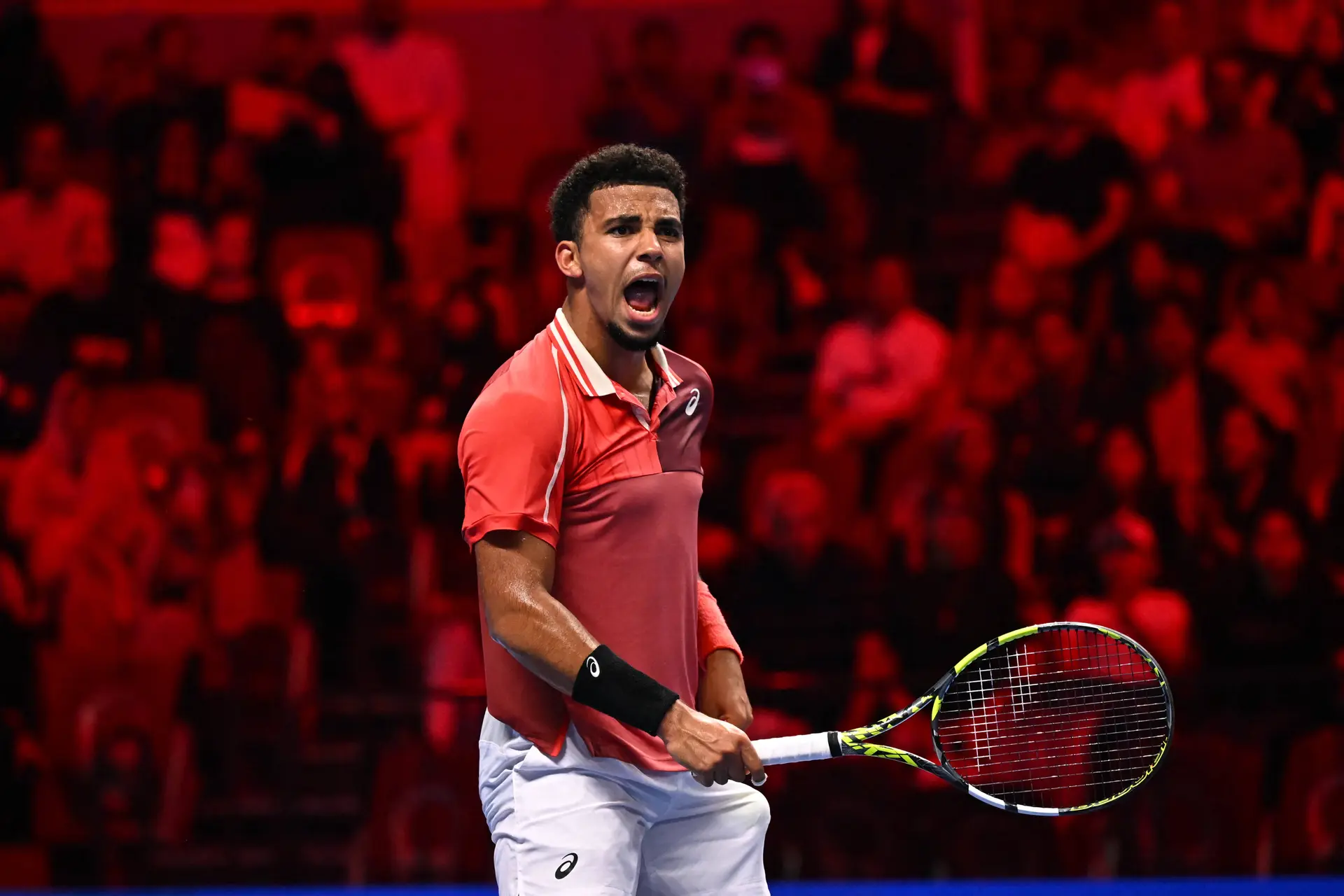
Lehecka will face Arthur Fils in the semi-finals, with the Frenchman holding a 2–1 advantage in their head-to-head. In a draw already defined by disruption, the match represents another test of whether the Czech’s consistency can translate into a first Masters 1000 final, and further evidence of the shifting competitive landscape he has outlined.

Cristhián AvilaTennis Journalist
Cristhián Ávila is a tennis journalist based in Santiago, Chile, and has been part of the TennisUpToDate team since early 2023. He covers the ATP and WTA Tours as well as all four Grand Slams, producing breaking news, match reports, analysis, and regular liveblogs from major tournaments.
His reporting combines statistical analysis with clear explanation, helping readers understand tactical developments, player form, and broader storylines across the tour. Working fluently in both Spanish and English, Cristhián collaborates with an international editorial team and contributes to comprehensive global coverage. As part of his work, he has conducted interviews and media interactions with leading figures in the sport, including Caroline Wozniacki and John McEnroe.
In his journalism, Cristhián places strong emphasis on careful sourcing, editorial accuracy, and updating articles promptly when new, verified information becomes available. His coverage is grounded in research, context, and direct engagement with professional tennis.
claps 0visitors 0
Just In

Popular News

Latest Comments
- Fight the Good Fight... Tennis (sports in general) need more Humans such as yourself.
 mandoist18-10-2026
 - When is WTA going to mandate Genetic Testing (DNA) ???mandoist18-10-2026
- Hey, Dan... you just wake up from a coma? Regardless -- Thanks for the comedy this morning!mandoist18-10-2026
- Two Things: 1. Stop allowing these Spoiled Trust-Fund Elitists to behave badly. Your little hand-slaps do not deter them. 2. STOP the incessantly annoying "towel wiping" nonsense!!!!mandoist15-10-2026
- A healthy Qinwen may be hard to stop next season. She was already scaring her opponents before her medical leave(s). Unfortunately, Zheng insisted on singing again. On the positive side -- Mirra did not sing!! ;~}mandoist11-10-2026
- Where is it written that athletes, entertainers... People in general... are mandated to keep looking at -- or even using [anti]Social Media? Public & private figures consistently complain and reveal their concerns about negativity and violence thrown at them -- yet they insist on participating. Avoid it, don't use it, don't read it. It's okay to occasionally look up at the World instead beating your eyes & thumbs to death on The Inventions out there.mandoist11-10-2026
- great articlestennisseserver07-10-2026
- Medvedev was leading Djokovic 7-5, 3-5 when an attempted return..' NO you ignorants, Djokovic was leading .weiss05-10-2026
- No more bullshit "Wildcards" to these two. Qualify like everyone else -- there will be cameras there, too. Time to scream... WTF ????!!!!mandoist29-09-2026
- Let's not BS the general public -- Sabalenka started showing cracks in her game last season. Her losses and near-losses started at about the same time she began being distracted by Fame (constant Selfies, making TV commercials, magazine shoots, endless Social Media nonsense, etc., etc.) One would think even Saba could recognize the parallels with others who failed before her -- Raducanu, Giorgi, Bouchard to name a few.mandoist25-09-2026

Loading