
Toni Nadal frames Novak Djokovic’s current position through a clear limitation, stating early that the Serbian can still “play at a very high level” but no longer sustain it across the duration required to win at the highest level. His analysis is tied directly to match conditions rather than abstract decline.
“I find it difficult for him to win another Grand Slam. He beat Sinner in Australia, but not Alcaraz in the final," he said to Mundo Deportivo. "I think Sinner didn’t have a very good day, he didn’t have a great tournament. Djokovic, who is exceptional, knew how to take advantage of it. In the final he played an incredible first set, but he cannot maintain that rhythm for two hours against Alcaraz.”
The reference point is explicit. Carlos Alcaraz is used as the benchmark for sustained level, particularly in matches that extend physically and tactically. Nadal’s evaluation centres on duration rather than peak output, separating isolated performance from repeatable dominance.
“He can still play at a very high level, but the problem is maintaining it. Against players like Alcaraz, it’s not enough to play well for a set or a moment. You have to keep that level for a long time, and that’s where I see the difficulty.”
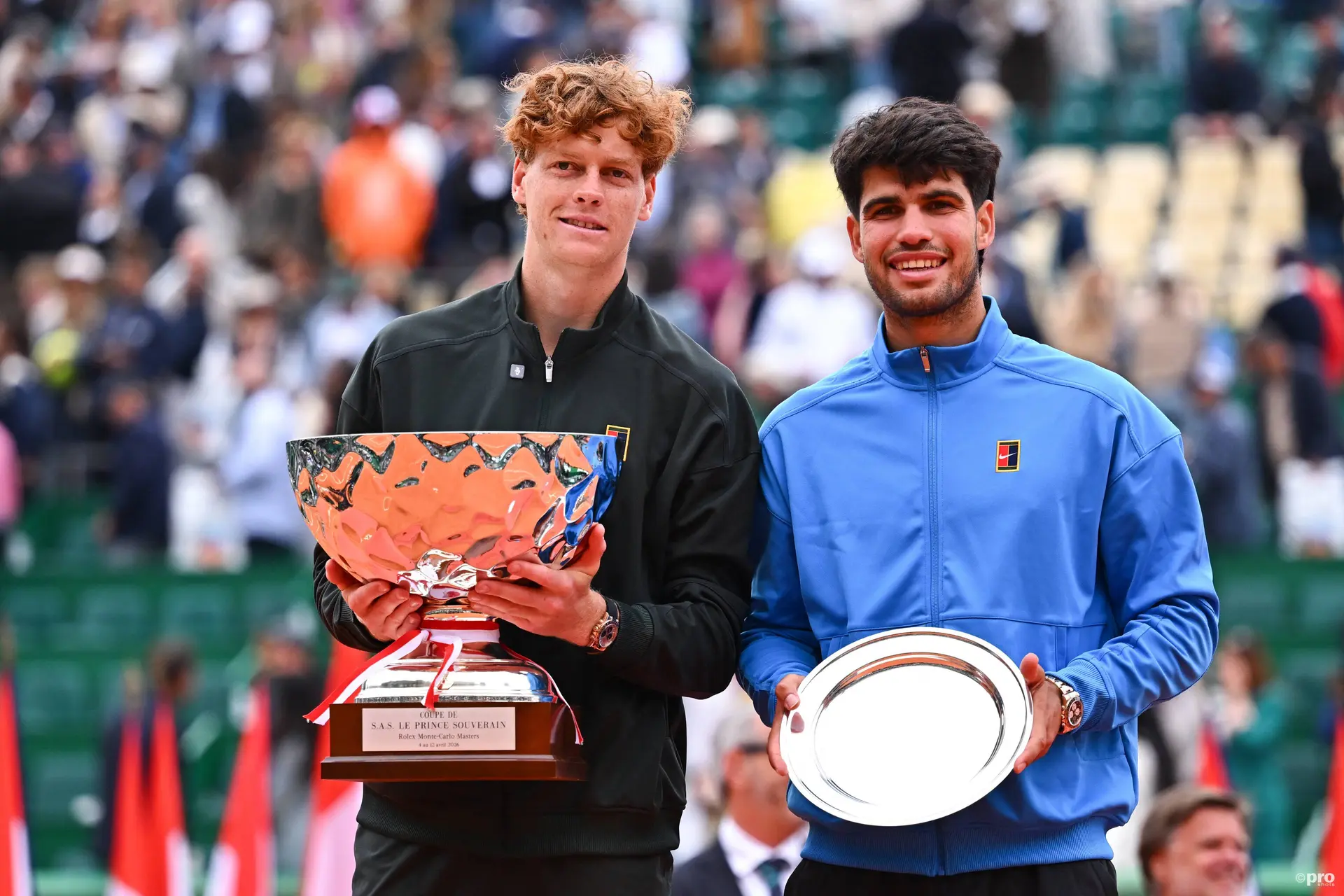
Alcaraz as benchmark and structural advantage
Within that context, Nadal identifies Carlos Alcaraz as the central reference point on the current tour, highlighting the limited number of players capable of challenging him consistently across surfaces.
“He could do it because I see very few players capable of beating him.," Nadal said about the world No. 1's chances. "Sinner is capable, but at Roland Garros Alcaraz has more chances, 60–40. At Wimbledon he is the favourite and at the US Open as well. It is possible that he does it, it is not easy.”
Next generation: comparison with Djokovic and Del Potro
Toni Nadal’s assessment of emerging players is built on direct comparison with previous generations, particularly how quickly elite potential becomes visible. His evaluation of Joao Fonseca reflects that benchmark.
“I saw his match in Miami and, honestly, I didn’t get the feeling I was watching a truly great player," the Spaniard coach said. "He’s a very good player, but I don’t see him at that level.”
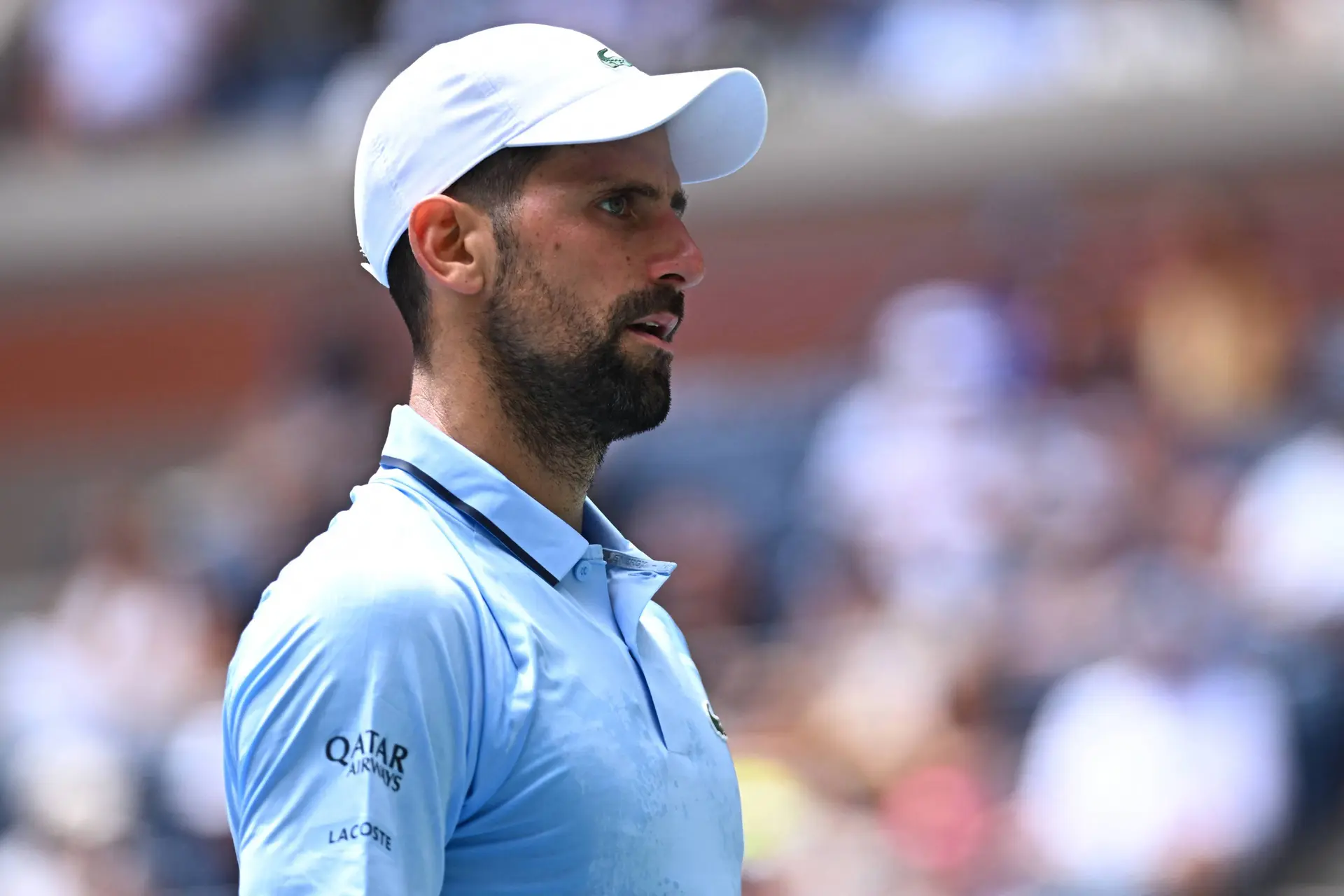
The comparison becomes more explicit when he reflects on early impressions of established champions, drawing a contrast with what he currently observes. “I remember with Rafael, when we first saw Djokovic. I already knew he would be number one. I saw Del Potro, we trained with him when he was 18, and you could see very quickly he would be top 10. Roger Federer himself realised very early that Rafael would end up beating him. I don’t see the same with Fonseca or Mensik.”
That historical reference reinforces the gap Nadal identifies between the current leading generation and those emerging behind them, not only in results but in the immediacy of their ceiling. Nadal extends that conclusion directly to Carlos Alcaraz’s position at the top of the tour. “I don’t see any young player capable of surpassing him. If he continues like he has until now, he will have many chances to keep winning.”

Cristhián AvilaTennis Journalist
Cristhián Ávila is a tennis journalist based in Santiago, Chile, and has been part of the TennisUpToDate team since early 2023. He covers the ATP and WTA Tours as well as all four Grand Slams, producing breaking news, match reports, analysis, and regular liveblogs from major tournaments.
His reporting combines statistical analysis with clear explanation, helping readers understand tactical developments, player form, and broader storylines across the tour. Working fluently in both Spanish and English, Cristhián collaborates with an international editorial team and contributes to comprehensive global coverage. As part of his work, he has conducted interviews and media interactions with leading figures in the sport, including Caroline Wozniacki and John McEnroe.
In his journalism, Cristhián places strong emphasis on careful sourcing, editorial accuracy, and updating articles promptly when new, verified information becomes available. His coverage is grounded in research, context, and direct engagement with professional tennis.
claps 0visitors 0
Just In

Popular News



Latest Comments
- Does Sinner need that 4.5 mil? I doubt it. He can make that with three modelling gigs!😅🤣Rapunzel21-10-2026
- Did "People Magazine" purchase this website? This nonstop storyline is bullshit.
 mandoist21-10-2026
 - Listen... this is of no concern to anyone but these two. Deal with your own issues -- most of us have our own. Thanks, media, for these insignificant follow-ups which are meaningless.mandoist21-10-2026
- This is so very very sad, for all three of them. I truly thought they had an unbreakable bond, but life throws up so many differing challenges. Having your homeland suffering in such a terrible way, makes happiness lose out to guilt as well. Our thoughts are with them. X💔bjsexton20-10-2026
- I have lost all respect for Svitolina! Could she not have waited until he had played at the Paris Masters!!! She is selfish and don't give a damn about Gael. That is NOT how love is demonstrated Elina!!Rapunzel19-10-2026
- Perhaps convenient tennis tour sex is not a strong enough experience in which to base a marriage?mandoist19-10-2026
- Fight the Good Fight... Tennis (sports in general) need more Humans such as yourself.mandoist18-10-2026
- When is WTA going to mandate Genetic Testing (DNA) ???mandoist18-10-2026
- Hey, Dan... you just wake up from a coma? Regardless -- Thanks for the comedy this morning!mandoist18-10-2026
- Two Things: 1. Stop allowing these Spoiled Trust-Fund Elitists to behave badly. Your little hand-slaps do not deter them. 2. STOP the incessantly annoying "towel wiping" nonsense!!!!mandoist15-10-2026

Loading