“The body could be the worst thing in your career” Juan Martin Del Potro draws parallels with Jack Draper’s struggles
ATP
Juan Martin del Potro established parallels between his own experience with injuries and the problems of Jack Draper – who, after his return, has not managed to find a good level of form. The British No. 1 withdrew from Monte-Carlo and had a disappointing return in Barcelona, retiring in the middle of his first-round match against Tomas Etcheverry. After taking the first set, he faded physically and exited at 6-3, 3-6, 1-4, ret., raising renewed concerns ahead of a critical ranking period.
Speaking from the perspective of a career repeatedly disrupted by physical setbacks, the former US Open champion highlighted both Draper’s competitive upside and the structural risks associated with recurring fitness issues.
Draper’s 2026 season has so far been fragmented. Across four tournaments, he holds a 4–4 record, with his most notable run coming at Indian Wells, where he reached the quarter-finals. That campaign included three consecutive wins, notably against Novak Djokovic, before a quarter-final defeat to Daniil Medvedev.
The broader context is more concerning. Since Wimbledon 2025, Draper has struggled to sustain continuity, playing only one event after the grass swing that year—the US Open—where he recorded a single win before withdrawing ahead of the second round. The pattern has extended into 2026, with his schedule shaped as much by recovery as by competitive planning.
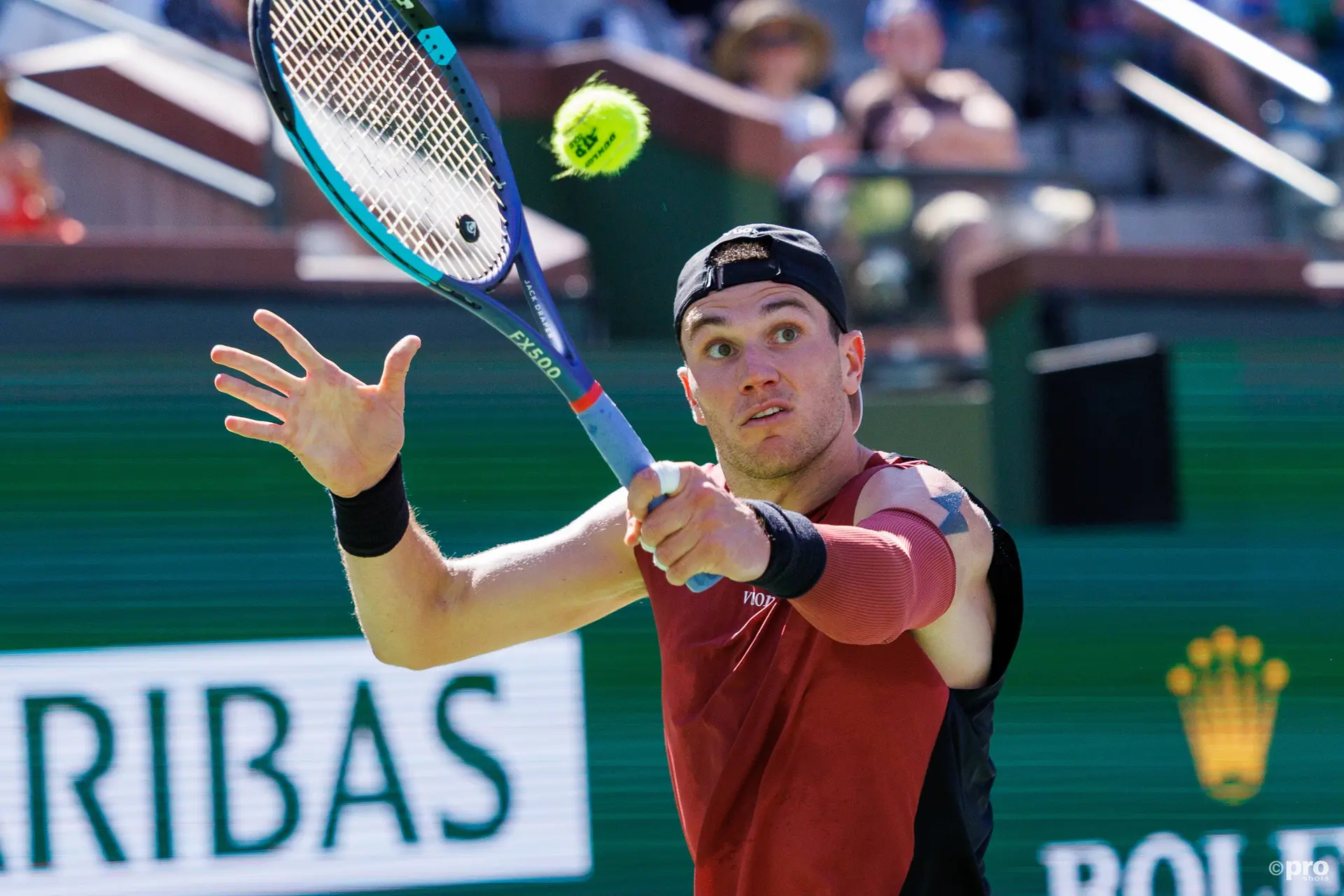
“The body could be the worst thing”: Del Potro’s warning
Del Potro framed Draper’s situation through a technical and physiological lens, identifying both advantages and vulnerabilities in his profile. As a left-handed player, Draper benefits from natural variation and matchup complexity, but that alone is insufficient at the elite level without sustained physical reliability.
“Well, as a lefty player, he has an advantage over the rest of the players,” said Del Potro to Sky Sports when referring to the 24-year-old British player. “Draper is a talented player as well, but sometimes the body could be the worst thing in your career, as has happened with me, but he's trying to get confidence in his body.”
“He has the tennis to play well, but sometimes you need your body to respond to the highest intensity of the matches and tournaments every week, but I think British tennis is in good hands.”
The emphasis on physical response at “the highest intensity” reflects a recurring theme in Draper’s progression. His game—built around first-strike patterns, left-handed serve dynamics and baseline aggression—requires consistent load tolerance, particularly across consecutive matches in ATP Masters 1000 events. Without that, deep runs remain difficult to sustain.
Read also
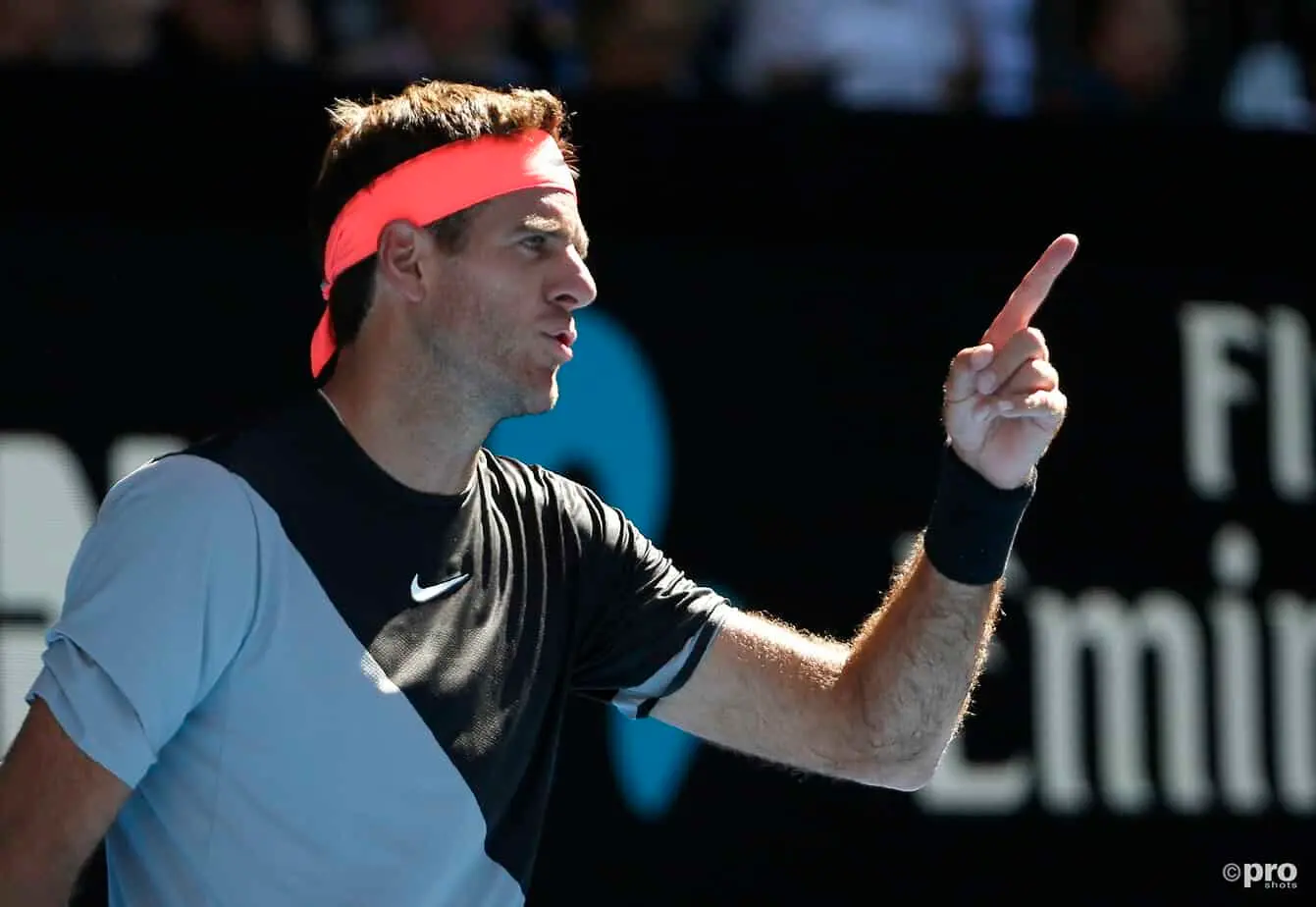
Career parallels: elite talent constrained by injuries
Del Potro’s analysis carries additional weight given his own career trajectory. The Argentine reached a career-high ranking of world No. 3 and won the 2009 US Open, defeating Roger Federer in the final. He also secured Olympic silver in Rio 2016 and the 2018 Indian Wells title, but his peak was repeatedly interrupted by wrist and knee injuries that required several surgeries and extended absences from the tour.
That context informs his broader reflection on injury management and career planning. Draper, still in the early stages of his development, faces a similar structural challenge: converting evident talent into sustained availability across full seasons. “Well, for me, I think injuries were the worst part of my career,” admitted Del Potro. “I had to deal with my injuries during many, many years but I still preferred to play against ‘The Big Three’ every day.”
“Injuries are part of our sport," the former world No. 3 added. "If you are an athlete, you have to know that the injuries will come anytime and that's why you have to create a perfect team, not only a tennis coach, you need a physical trainer, a physio, a mental coach as well, and when the bad moments come, the faster that you can get out of it, the better.”
The structural implication is clear: Draper’s progression will depend less on isolated results and more on his ability to build resilience across a full calendar. His upcoming schedule underlines the stakes. He is defending a final at the Madrid Open—his first Masters 1000 final on clay in 2025, where he finished runner-up to Casper Ruud—as well as quarter-final points in Rome and a fourth-round showing at Roland Garros.
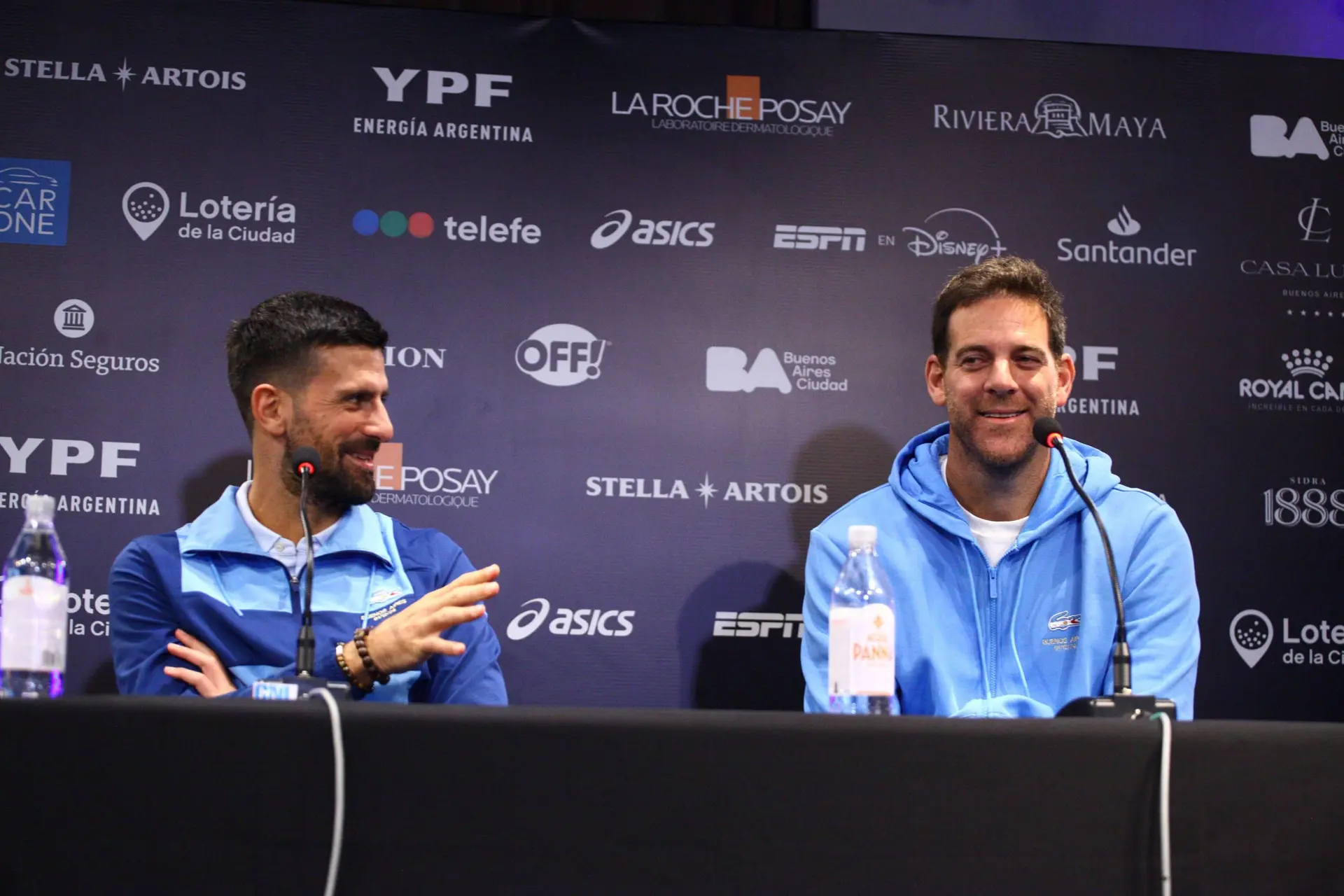
A failure to replicate those results could trigger a significant ranking drop. An early exit in Madrid would likely push him outside the top 40, with further downside risk toward the top 60 if Rome does not yield a deep run. In that context, Del Potro’s assessment is less a critique than a projection grounded in precedent: talent alone is insufficient without physical continuity.

Cristhián AvilaTennis Journalist
Cristhián Ávila is a tennis journalist based in Santiago, Chile, and has been part of the TennisUpToDate team since early 2023. He covers the ATP and WTA Tours as well as all four Grand Slams, producing breaking news, match reports, analysis, and regular liveblogs from major tournaments.
His reporting combines statistical analysis with clear explanation, helping readers understand tactical developments, player form, and broader storylines across the tour. Working fluently in both Spanish and English, Cristhián collaborates with an international editorial team and contributes to comprehensive global coverage. As part of his work, he has conducted interviews and media interactions with leading figures in the sport, including Caroline Wozniacki and John McEnroe.
In his journalism, Cristhián places strong emphasis on careful sourcing, editorial accuracy, and updating articles promptly when new, verified information becomes available. His coverage is grounded in research, context, and direct engagement with professional tennis.
claps 0visitors 0
Just In

Popular News

Latest Comments
- I have lost all respect for Svitolina! Could she not have waited until he had played at the Paris Masters!!! She is selfish and don't give a damn about Gael. That is NOT how love is demonstrated Elina!!Rapunzel19-10-2026
- Perhaps convenient tennis tour sex is not a strong enough experience in which to base a marriage?
 mandoist19-10-2026
 - Fight the Good Fight... Tennis (sports in general) need more Humans such as yourself.mandoist18-10-2026
- When is WTA going to mandate Genetic Testing (DNA) ???mandoist18-10-2026
- Hey, Dan... you just wake up from a coma? Regardless -- Thanks for the comedy this morning!mandoist18-10-2026
- Two Things: 1. Stop allowing these Spoiled Trust-Fund Elitists to behave badly. Your little hand-slaps do not deter them. 2. STOP the incessantly annoying "towel wiping" nonsense!!!!mandoist15-10-2026
- A healthy Qinwen may be hard to stop next season. She was already scaring her opponents before her medical leave(s). Unfortunately, Zheng insisted on singing again. On the positive side -- Mirra did not sing!! ;~}mandoist11-10-2026
- Where is it written that athletes, entertainers... People in general... are mandated to keep looking at -- or even using [anti]Social Media? Public & private figures consistently complain and reveal their concerns about negativity and violence thrown at them -- yet they insist on participating. Avoid it, don't use it, don't read it. It's okay to occasionally look up at the World instead beating your eyes & thumbs to death on The Inventions out there.mandoist11-10-2026
- great articlestennisseserver07-10-2026
- Medvedev was leading Djokovic 7-5, 3-5 when an attempted return..' NO you ignorants, Djokovic was leading .weiss05-10-2026

Loading