“It does not align with our image”: Amelie Mauresmo rejects ‘One Point Slam’ at Roland Garros
Tennis News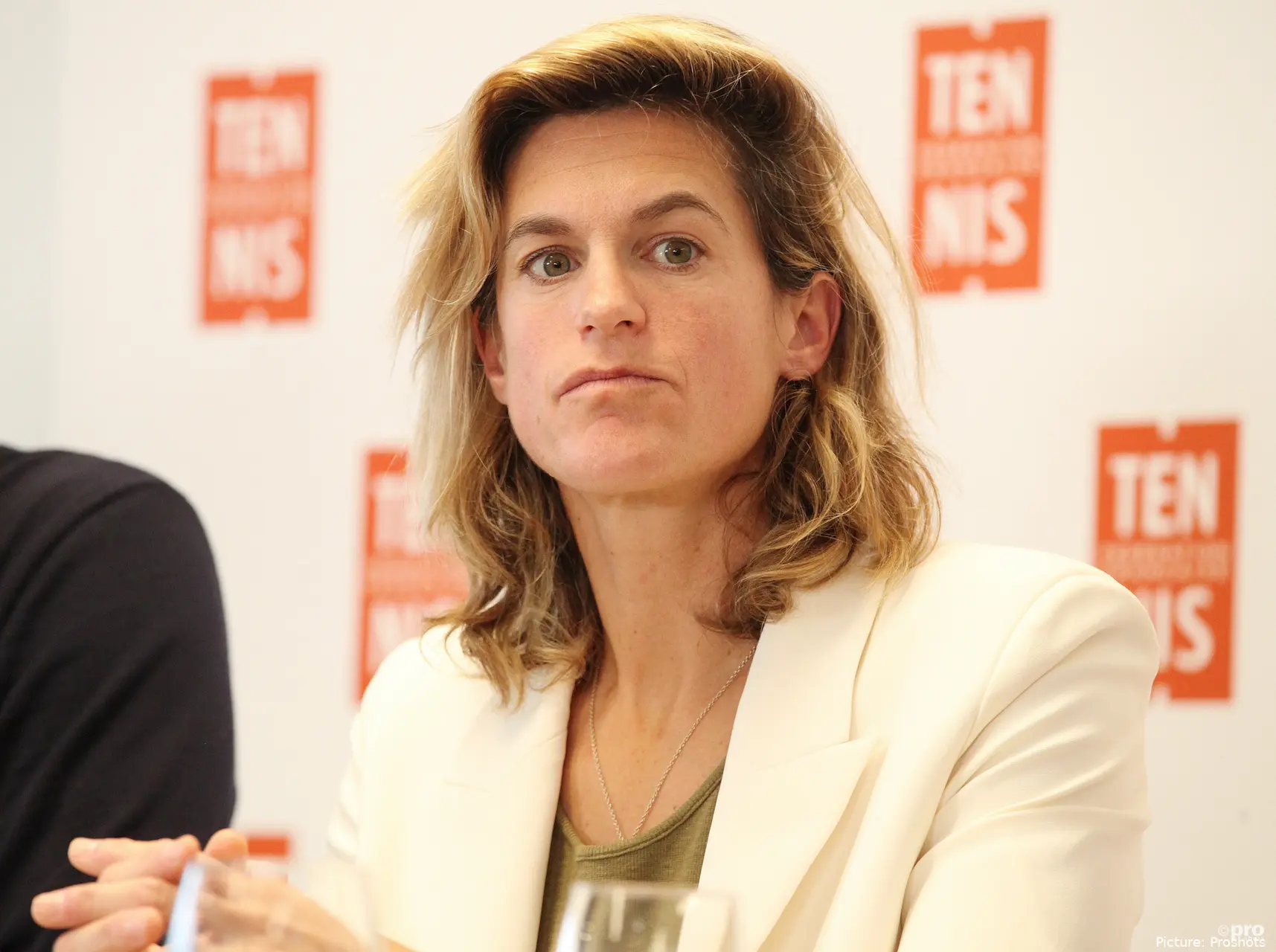
Amélie Mauresmo, Roland Garros tournament director and former world No. 1, has ruled out the introduction of the ‘One Point Slam’ format at the French Open, distancing the Paris major from an innovation tested earlier this season. The format, trialled at the Australian Open and revisited in exhibition settings linked to events such as the Stuttgart Open, has sparked discussion across the sport regarding its broader adoption.
Speaking during the official presentation press conference on April 16, Mauresmo made clear that Roland Garros will not follow the same path. While the initiative generated attention in Melbourne, where organisers have consistently led fan-engagement experiments, Paris remains aligned with a more conservative framework centred on competitive integrity and structural continuity.
The decision reflects a broader tension within tennis between innovation and identity. The ‘One Point Slam’ concept, built around ultra-short formats and single-point deciders, is designed to increase accessibility and broadcast appeal. However, its positioning remains largely promotional, without integration into official Grand Slam draws.
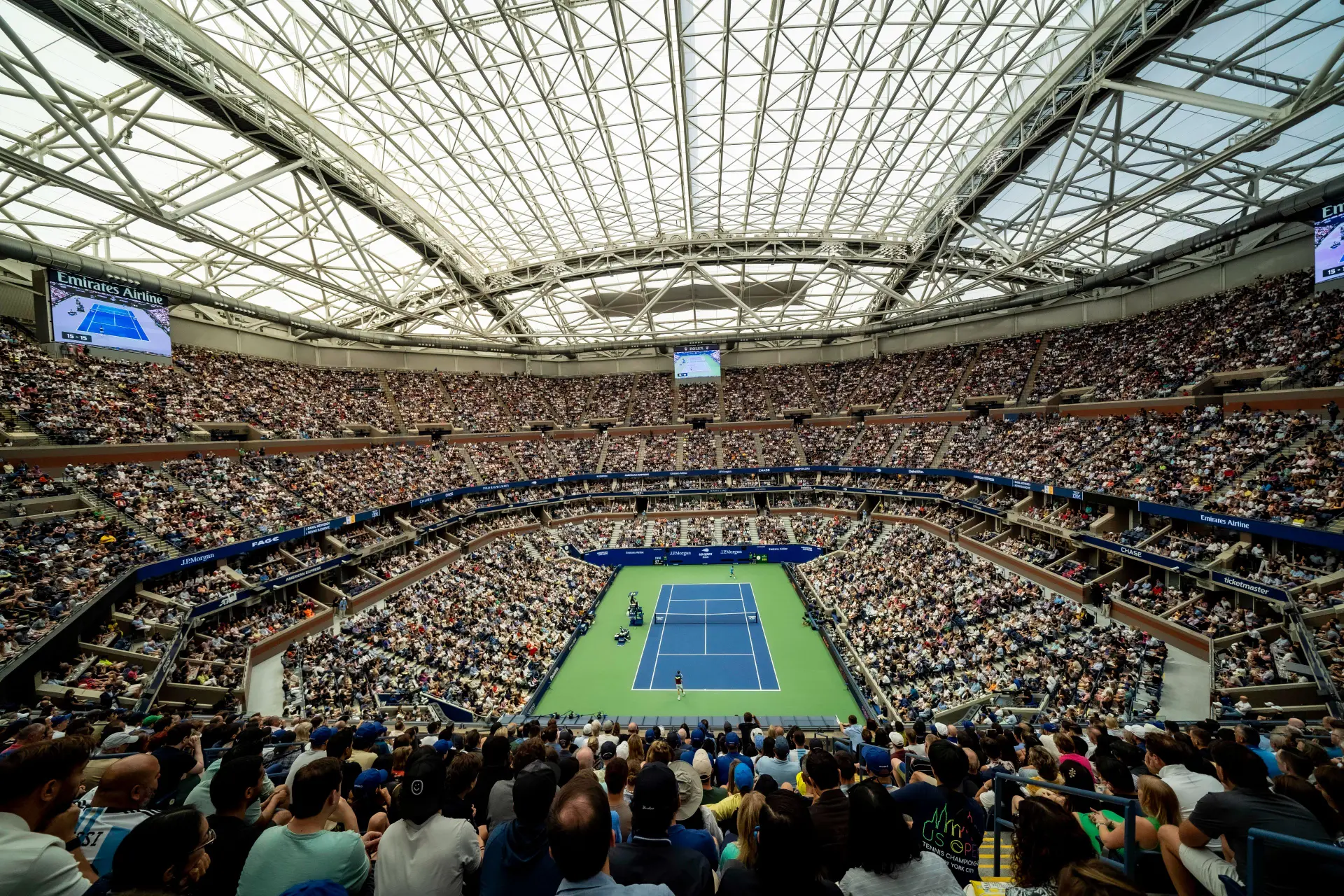
For Roland Garros, the debate is particularly sensitive given the tournament’s identity. Played on clay and traditionally seen as the most physically demanding major, the French Open has historically prioritised endurance, tactical construction, and match depth—elements that would be fundamentally altered by condensed formats.
“This does not align with our image”
Mauresmo framed the rejection in terms of institutional identity rather than isolated preference, emphasising that Roland Garros does not intend to replicate innovations introduced elsewhere. The Australian Open’s use of the format earlier this year provided a high-profile test case, while similar concepts have appeared in exhibition contexts during the Stuttgart Open week, but Paris has opted to remain outside that trend.
Her comments underline a strategic positioning: differentiation rather than alignment. While other tournaments explore alternative formats to expand audience reach, Roland Garros is reinforcing its role as a tournament defined by continuity and surface-specific demands.
“First of all, I believe that our DNA, our ambitions, are not necessarily about following what others do. And it’s not about chasing fame at all costs," she said according to UbiTennis. "For us, authenticity is more important; we are rooted in our traditions and we also look toward the future, modernity, innovation in other areas. This initiative is not something that, for us, aligns with the image of Roland Garros.”
The statement reflects a broader resistance within Paris to altering match fundamentals, particularly in a tournament where physical and tactical endurance are central to its sporting value. Unlike hard-court majors, where scheduling flexibility allows for experimentation, Roland Garros continues to anchor its identity in long-form competition.
A former No. 1 shaping a traditionalist stance
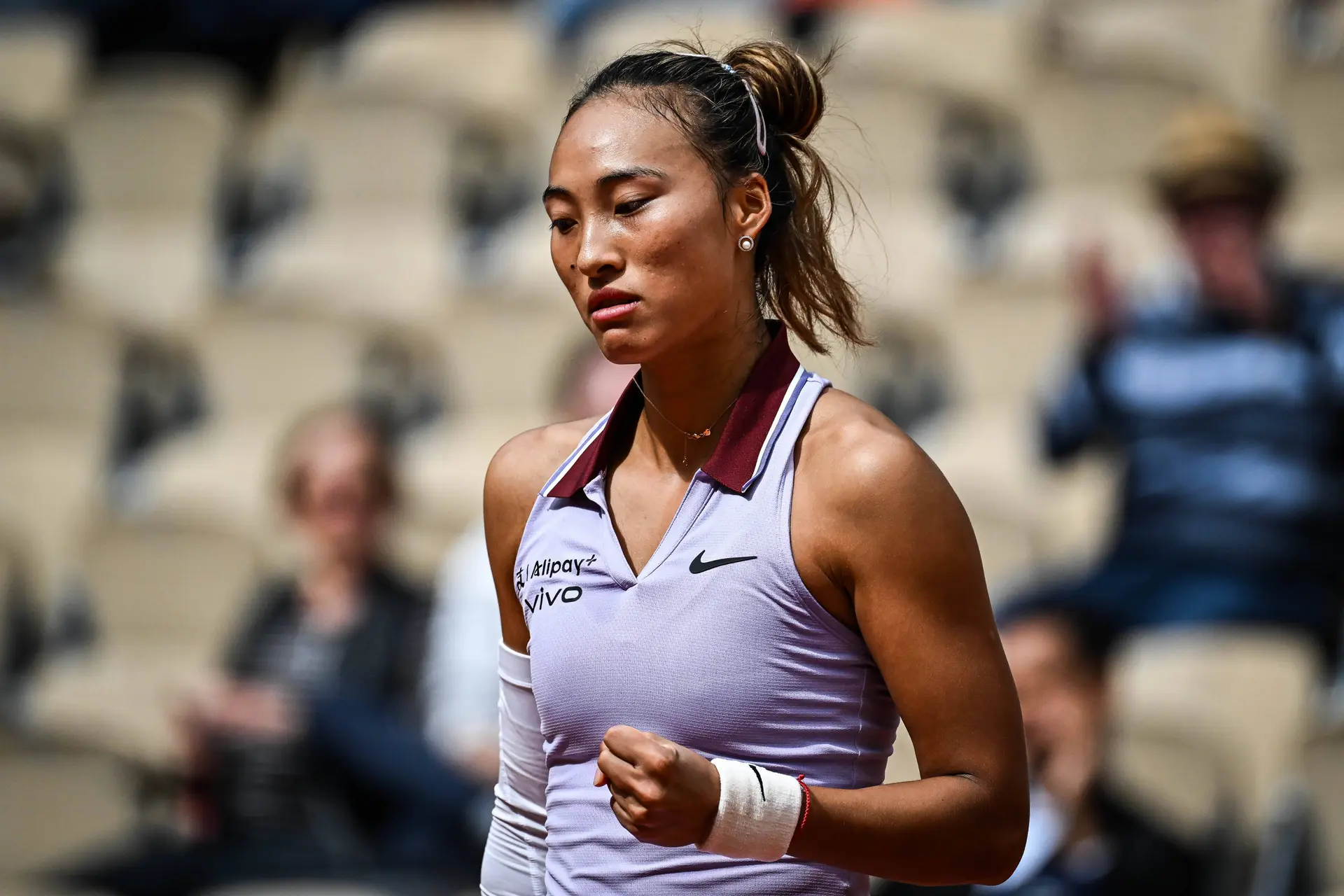
Mauresmo’s position carries additional weight given her competitive background. A former world No. 1 and two-time Grand Slam champion, she reached the Roland Garros final in 1999 and later returned to the semifinals in 2003 and 2004, building a significant part of her career on clay without securing the title in Paris.
That trajectory informs her perspective. Having competed in an era defined by full-format matches and surface specialisation, Mauresmo represents a generation shaped by structural consistency rather than experimental formats. "For us, authenticity is more important; we are rooted in our traditions and we also look toward the future, modernity, innovation in other areas. This initiative is not something that, for us, aligns with the image of Roland Garros.”
Cristhián AvilaTennis Journalist
Cristhián Ávila is a tennis journalist based in Santiago, Chile, and has been part of the TennisUpToDate team since early 2023. He covers the ATP and WTA Tours as well as all four Grand Slams, producing breaking news, match reports, analysis, and regular liveblogs from major tournaments.
His reporting combines statistical analysis with clear explanation, helping readers understand tactical developments, player form, and broader storylines across the tour. Working fluently in both Spanish and English, Cristhián collaborates with an international editorial team and contributes to comprehensive global coverage. As part of his work, he has conducted interviews and media interactions with leading figures in the sport, including Caroline Wozniacki and John McEnroe.
In his journalism, Cristhián places strong emphasis on careful sourcing, editorial accuracy, and updating articles promptly when new, verified information becomes available. His coverage is grounded in research, context, and direct engagement with professional tennis.
claps 0visitors 0
Just In

Popular News
Latest Comments
- I have lost all respect for Svitolina! Could she not have waited until he had played at the Paris Masters!!! She is selfish and don't give a damn about Gael. That is NOT how love is demonstrated Elina!!Rapunzel19-10-2026
- Perhaps convenient tennis tour sex is not a strong enough experience in which to base a marriage?
 mandoist19-10-2026
 - Fight the Good Fight... Tennis (sports in general) need more Humans such as yourself.mandoist18-10-2026
- When is WTA going to mandate Genetic Testing (DNA) ???mandoist18-10-2026
- Hey, Dan... you just wake up from a coma? Regardless -- Thanks for the comedy this morning!mandoist18-10-2026
- Two Things: 1. Stop allowing these Spoiled Trust-Fund Elitists to behave badly. Your little hand-slaps do not deter them. 2. STOP the incessantly annoying "towel wiping" nonsense!!!!mandoist15-10-2026
- A healthy Qinwen may be hard to stop next season. She was already scaring her opponents before her medical leave(s). Unfortunately, Zheng insisted on singing again. On the positive side -- Mirra did not sing!! ;~}mandoist11-10-2026
- Where is it written that athletes, entertainers... People in general... are mandated to keep looking at -- or even using [anti]Social Media? Public & private figures consistently complain and reveal their concerns about negativity and violence thrown at them -- yet they insist on participating. Avoid it, don't use it, don't read it. It's okay to occasionally look up at the World instead beating your eyes & thumbs to death on The Inventions out there.mandoist11-10-2026
- great articlestennisseserver07-10-2026
- Medvedev was leading Djokovic 7-5, 3-5 when an attempted return..' NO you ignorants, Djokovic was leading .weiss05-10-2026

Loading