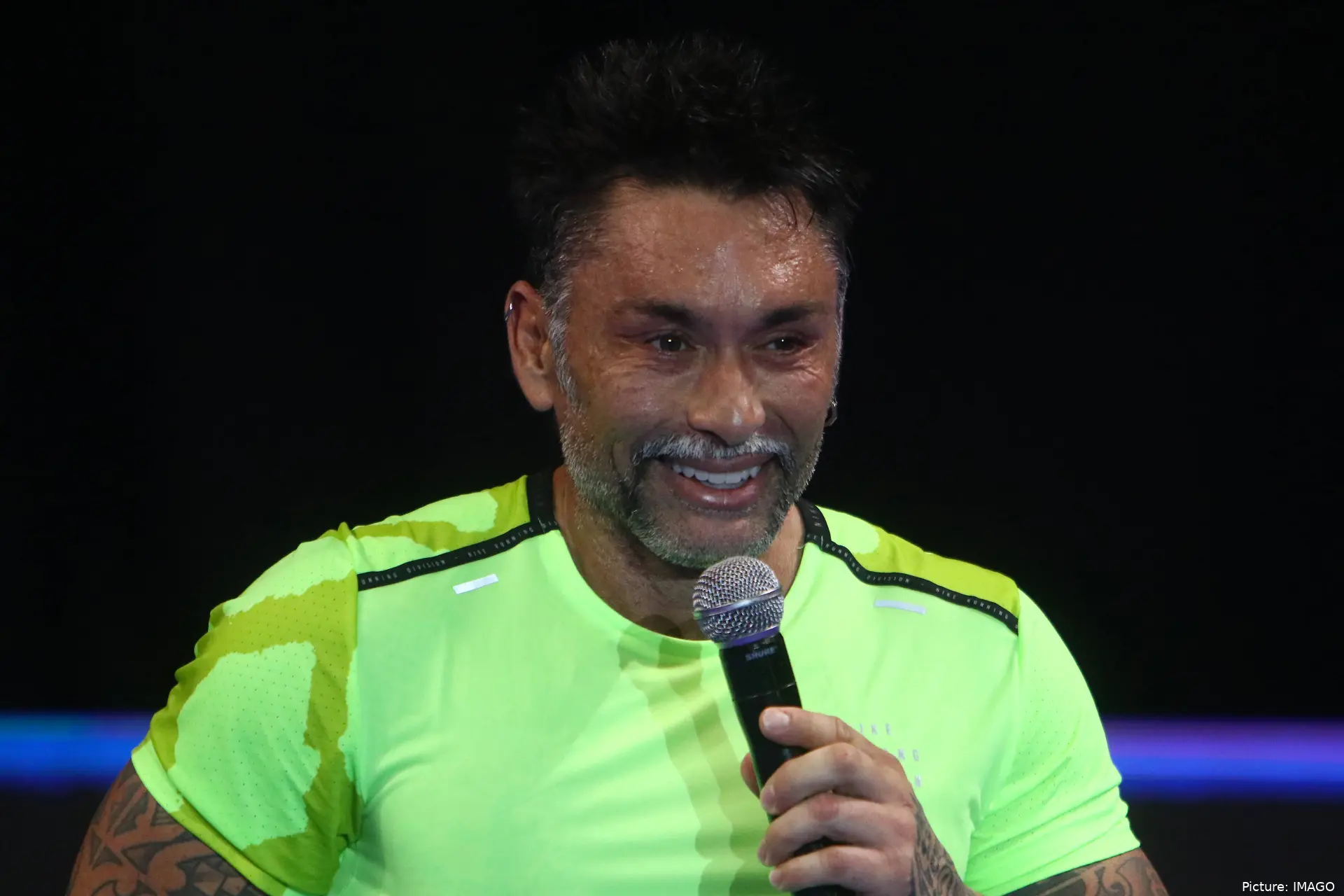
Former World No. 1 Marcelo Ríos has issued a public apology after being involved in a late-night incident at a nightclub in Vitacura, Santiago. The episode took place at the Taringa club and quickly spread through Chilean media after witness reports described a heated dispute inside the venue.
The 50-year-old former tennis player, who became the first Chilean to reach No. 1 in the ATP rankings in 1998, was reportedly seen leaving the club in an intoxicated state. According to Marca, the situation escalated into a verbal altercation with his current partner, prompting intervention from security personnel before police arrived.
Authorities, including Chilean police forces, were called to the scene following complaints from people inside the club. Reports indicate that the situation did not escalate into a formal legal case, but the visibility of the intervention ensured immediate media attention across the country.
Ríos, who retired from professional tennis in 2004, remains one of the most discussed figures in modern tennis history. He is widely recognised for his talent and volatility, as well as for being the only player in the Open Era to reach World No. 1 without winning a Grand Slam title.
Read also
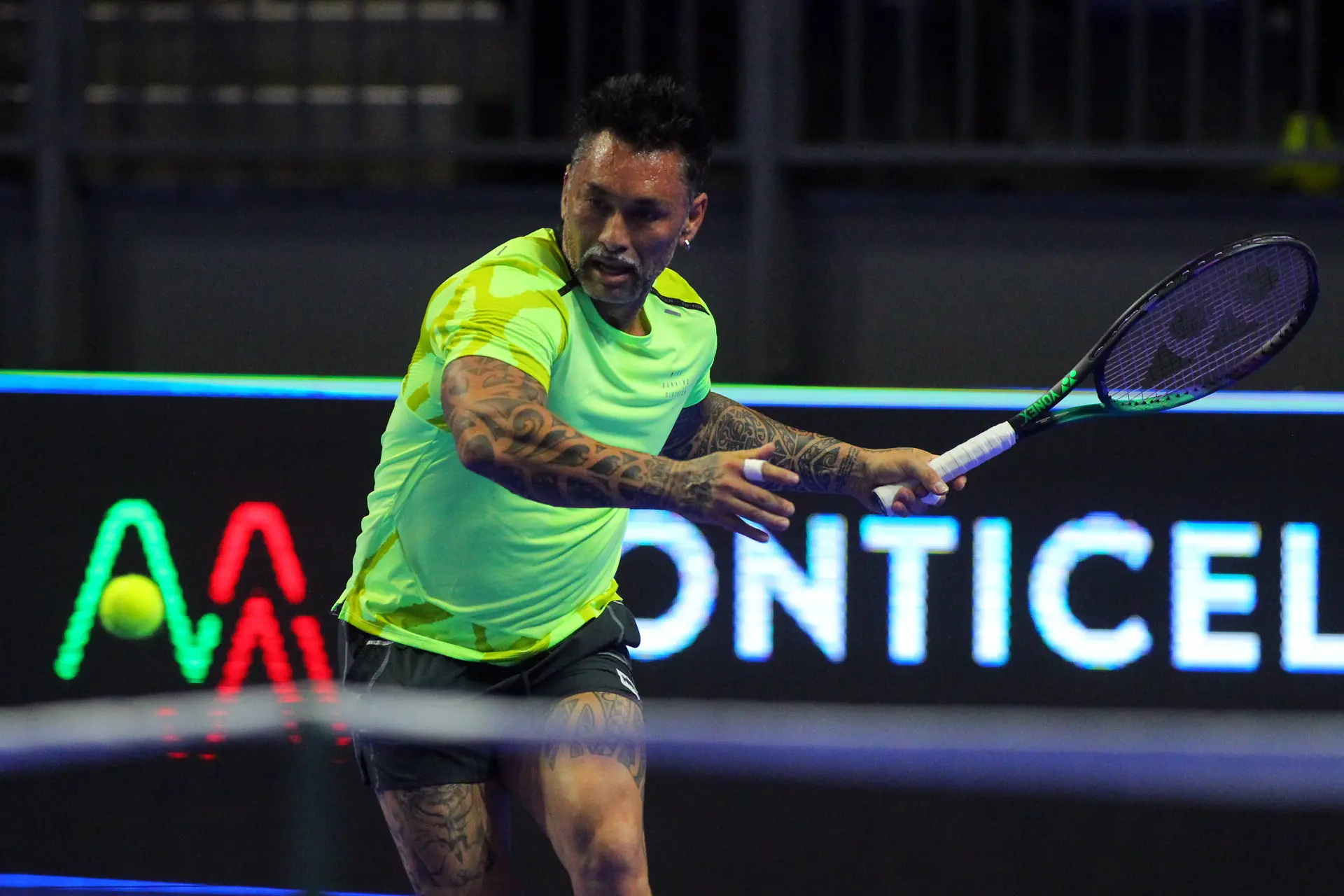
“I abused alcohol”: Ríos issues public apology after nightclub incident
Hours after the incident, Ríos addressed the situation publicly through social media, confirming reports that he had been drinking and taking responsibility for his behaviour during the night. His statement focused both on the public consequences of the episode and the personal impact on those close to him.
“I’m truly sorry for what happened last night at Taringa. It’s true that I abused alcohol, and I want to apologize to anyone I put in an awkward situation by bringing them there. I also want to apologize to my girlfriend—I don’t want all the beautiful things we’ve built together to be damaged by my inappropriate behavior.”

The apology followed multiple reports describing a verbal argument inside the club involving Ríos and his partner, which allegedly escalated before staff intervened. Witness accounts, later reported by journalist Cecilia Gutiérrez, detailed raised voices and a situation that required security involvement prior to the arrival of police.
“Marcelo Ríos was in a well-known venue with a woman who appears to be his partner, and they began arguing. The argument escalated, voices were raised. People at the venue first called city security and then Carabineros. Police arrived, handled the situation, but it did not go further,” said journalist Cecilia Gutiérrez.
Although the episode did not result in formal legal consequences, it renewed public attention on Ríos. His post-retirement life has periodically drawn media scrutiny in Chile, often linked to similar incidents or high-profile public appearances outside tennis.
From World No. 1 to retirement legacy: Grand Slam absence and statistical anomaly
Ríos retired in 2004 after a career that included 18 ATP singles titles and five Masters 1000 trophies. His peak came in 1998, when he reached World No. 1, becoming the first Latin American man to achieve that ranking in the Open Era. Despite his achievements, his career is frequently defined by one missing milestone: a Grand Slam title, a statistical anomaly among former World No. 1 players.
His strongest Grand Slam campaign came at the 1998 Australian Open, where he reached the final but lost to Petr Korda. However, he compensated at Masters level, winning five titles, including the Sunshine Double in 1998, as well as clay-court Masters titles in Monte-Carlo, Hamburg and Madrid, establishing himself as one of the most successful players of his generation outside the Slams.
His playing style was widely considered one of the most technically gifted of his era, combining creativity, touch and shot-making ability with a highly unpredictable temperament. That duality defined both his career and his post-retirement public image, where occasional off-court incidents have continued to resurface his profile in Chilean sports media.

Cristhián AvilaTennis Journalist
Cristhián Ávila is a tennis journalist based in Santiago, Chile, and has been part of the TennisUpToDate team since early 2023. He covers the ATP and WTA Tours as well as all four Grand Slams, producing breaking news, match reports, analysis, and regular liveblogs from major tournaments.
His reporting combines statistical analysis with clear explanation, helping readers understand tactical developments, player form, and broader storylines across the tour. Working fluently in both Spanish and English, Cristhián collaborates with an international editorial team and contributes to comprehensive global coverage. As part of his work, he has conducted interviews and media interactions with leading figures in the sport, including Caroline Wozniacki and John McEnroe.
In his journalism, Cristhián places strong emphasis on careful sourcing, editorial accuracy, and updating articles promptly when new, verified information becomes available. His coverage is grounded in research, context, and direct engagement with professional tennis.
claps 0visitors 0
Just In


Popular News

Latest Comments
- Does Sinner need that 4.5 mil? I doubt it. He can make that with three modelling gigs!😅🤣Rapunzel21-10-2026
- Did "People Magazine" purchase this website? This nonstop storyline is bullshit.
 mandoist21-10-2026
 - Listen... this is of no concern to anyone but these two. Deal with your own issues -- most of us have our own. Thanks, media, for these insignificant follow-ups which are meaningless.mandoist21-10-2026
- This is so very very sad, for all three of them. I truly thought they had an unbreakable bond, but life throws up so many differing challenges. Having your homeland suffering in such a terrible way, makes happiness lose out to guilt as well. Our thoughts are with them. X💔bjsexton20-10-2026
- I have lost all respect for Svitolina! Could she not have waited until he had played at the Paris Masters!!! She is selfish and don't give a damn about Gael. That is NOT how love is demonstrated Elina!!Rapunzel19-10-2026
- Perhaps convenient tennis tour sex is not a strong enough experience in which to base a marriage?mandoist19-10-2026
- Fight the Good Fight... Tennis (sports in general) need more Humans such as yourself.mandoist18-10-2026
- When is WTA going to mandate Genetic Testing (DNA) ???mandoist18-10-2026
- Hey, Dan... you just wake up from a coma? Regardless -- Thanks for the comedy this morning!mandoist18-10-2026
- Two Things: 1. Stop allowing these Spoiled Trust-Fund Elitists to behave badly. Your little hand-slaps do not deter them. 2. STOP the incessantly annoying "towel wiping" nonsense!!!!mandoist15-10-2026

Loading
