“We want him playing his best tennis at 28, 29, 30”: Darren Cahill outlines ambitious long-term plan for Jannik Sinner’s rise
ATP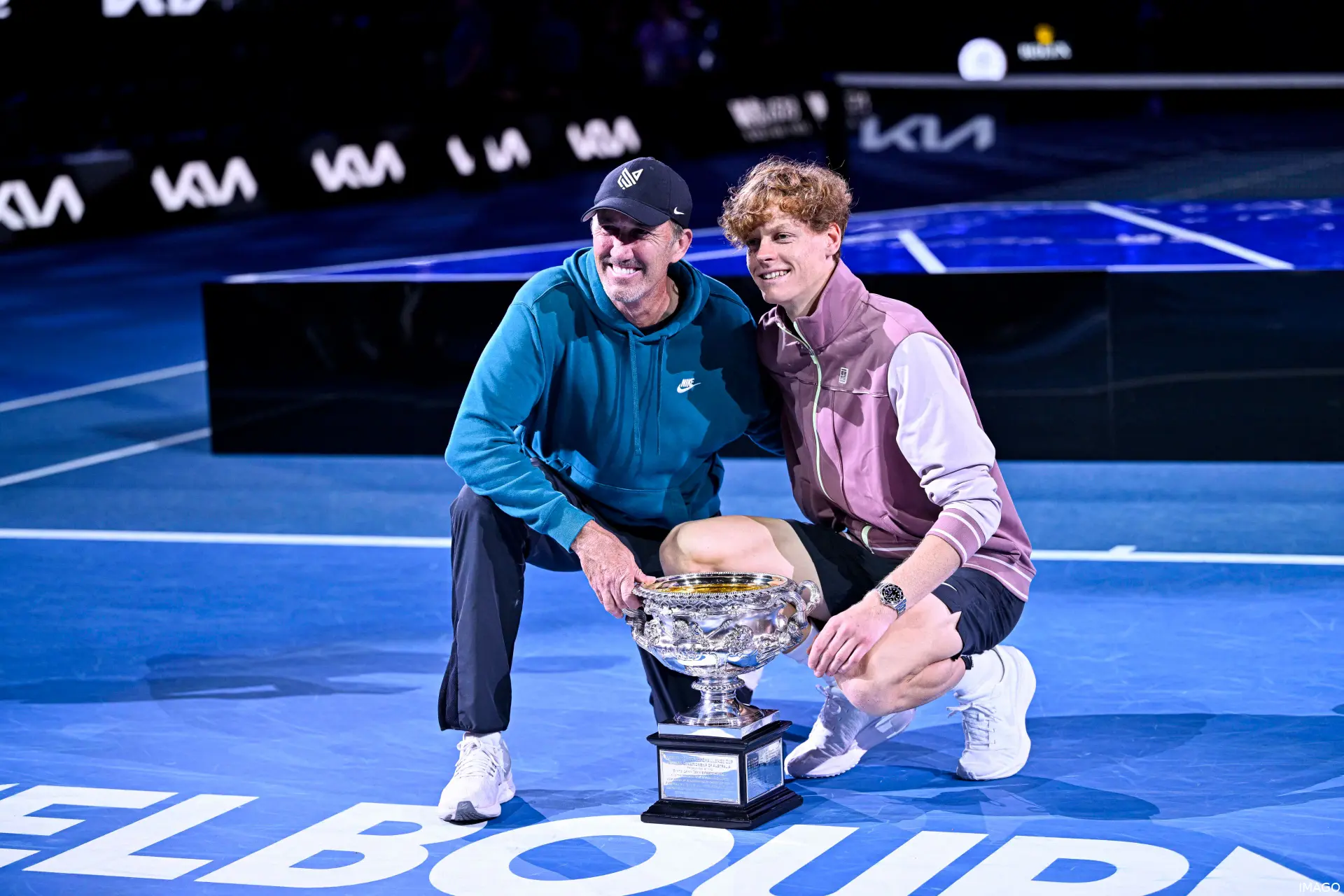
The victory of Jannik Sinner over Carlos Alcaraz gave him back-to-back titles at the ATP Finals, in addition to a sweet way to end the season, after ceding the World No. 1 ranking to his rival a few days earlier. Sinner's coach, Darren Cahill, referred to the keys behind Sinner's victory and his extraordinary level in the tournament, though he warns that the Italian is far from having reached his peak.
Darren Cahill has become an increasingly central figure in Jannik Sinner’s evolution. The Australian originally planned to step away from full-time coaching at the end of this season, fter years travelling the ATP and WTA Tours with names such as Simona Halep and Andre Agassi, Cahill intended to retire to spend more time with his family in Australia. But Sinner’s run to the Wimbledon title altered the picture, with both agreeing he would stay for at least one more year.
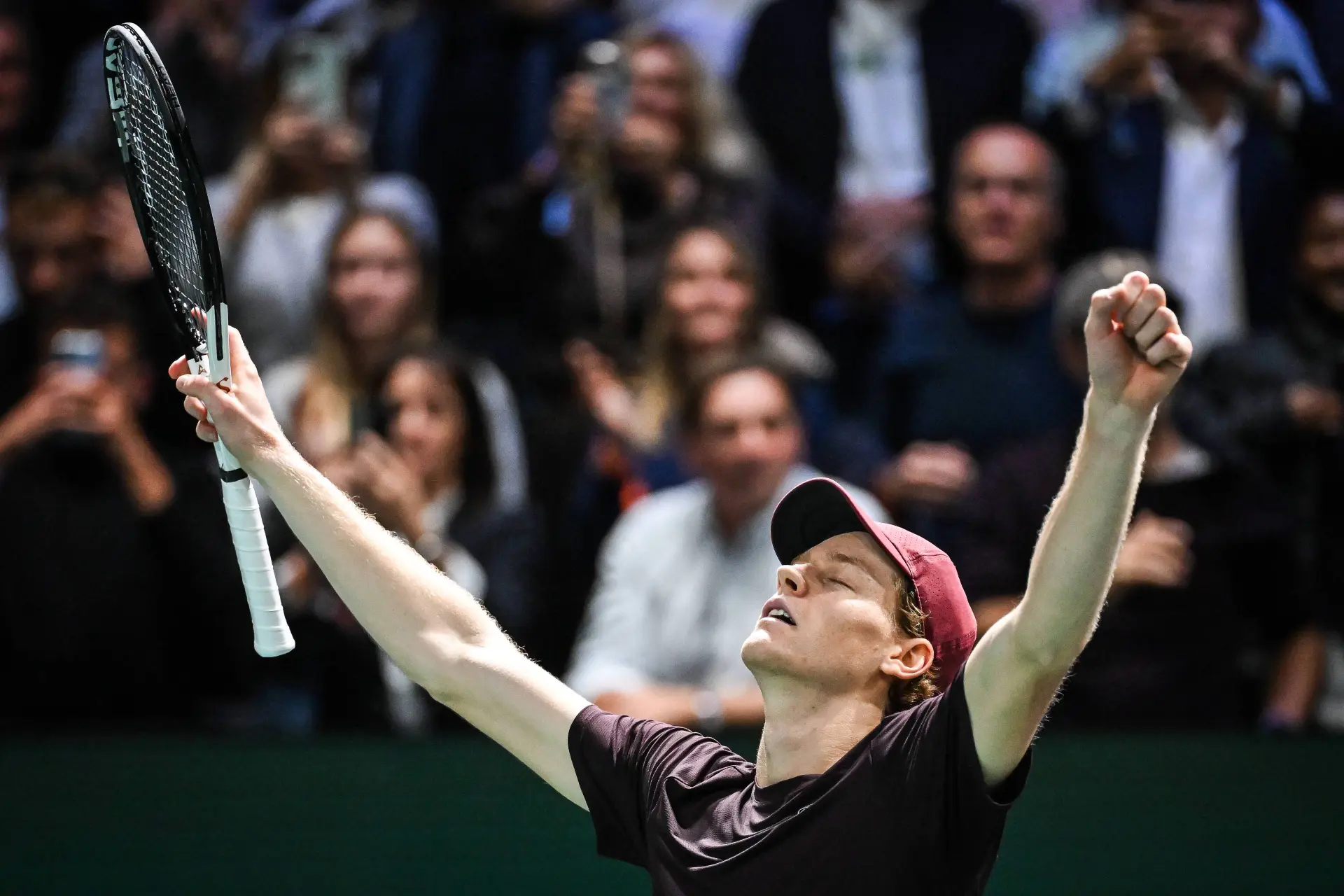
Cahill’s role has only grown more visible following Sinner’s recent triumph over Carlos Alcaraz in the 2025 ATP Finals. The Italian defeated the World No. 1 by 7–6(4), 7–5, improving their rivalry to 6-10 and closing the season with a 4–2 record in finals against his rival. The match highlighted how much of Sinner’s progress stems from long-term structural planning, rather than short bursts of form. Cahill confirmed that some adjustments are designed with several seasons in mind.
The serve has been a major focus of that development. Cahill explained that their strategy has never been about boosting percentages for the sake of statistics but about increasing the quality of each delivery. “It’s not just a question of first-serve percentage. If we only cared about that, we would tell him to slow down the speed to land more,” Cahill said in press conference, accordint to Super Tennis. “Instead, Jannik has increased the kilometres per hour, he hits closer to the lines, and he gets many more free points.”
While Sinner’s return game already places him among the best on tour, Cahill insists there is still meaningful room for growth. For him, the most exciting aspect is that Sinner’s potential remains far from fully realised. “Although Jannik already returns very well, we feel he still has margins of improvement,” he said. “That’s the interesting and exciting thing about working with someone so strong: there are parts of his game that can still grow a lot. We want him playing his best tennis at 28, 29, 30, so the aim is to set that platform now.”
Surface demands and technical adaptation
Cahill has also been vocal about the current conditions on Tour, stressing that a healthy variety of surfaces remains essential for the sport. His assessment of the 2025 ATP Finals court was clear: medium-fast and suited to aggressive players. “I think there is still great variety between surfaces. They’re not all medium-speed courts,” he said. “This one was medium-fast, pretty quick. The difference between Indian Wells and Cincinnati is huge. Indian Wells is very slow. Cincinnati is one of the fastest hard courts on the tour.”
The Australian also addressed an ongoing concern among several players regarding the inconsistency of balls across tournaments. “Maybe the balls could be made a bit quicker,” he suggested. “We’ve talked about it: it would be helpful if tournaments used a more uniform ball, especially between the clay season and the American hard-court swing. It’s a matter of what people want to see: just service winners and fast points, or the exciting spectacle we saw tonight?”
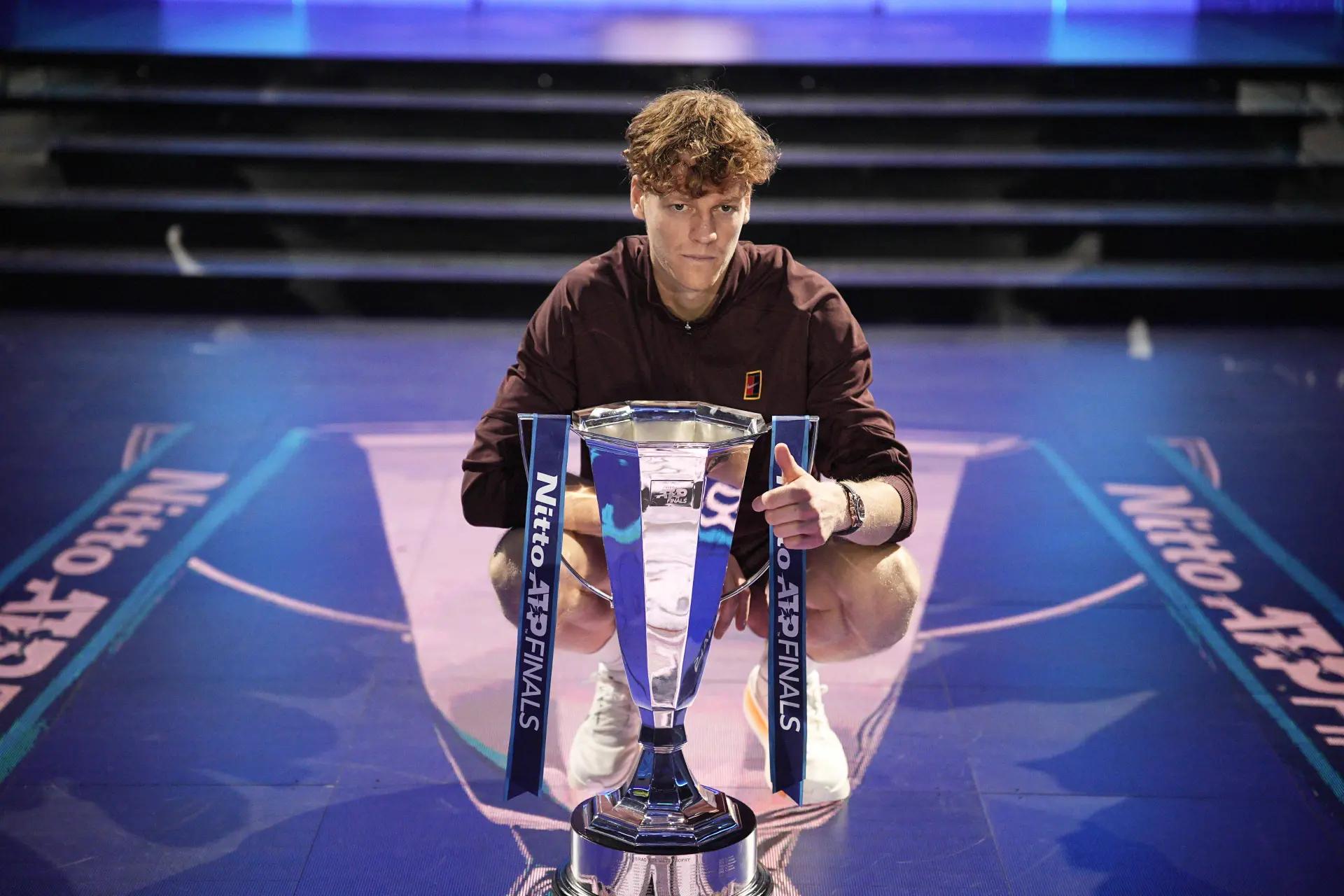
With Sinner now entrenched in the top two and coming off a season in which he and Alcaraz dominated the biggest stages, Cahill’s continuity adds stability during a period of high expectations. Still, the coach will not travel full-time in 2026, something Sinner himself confirmed months ago. The team is expected to divide duties across the season, allowing Cahill to remain involved without the exhaustive schedule that originally led him to consider retirement.
Looking ahead, Sinner’s development on clay remains a major target. The Italian’s game has adapted well across fast, medium, and slow courts, but the team believes the next significant leap could come during the European spring. “I think his game adapts well to all surfaces, slow, fast or medium,” Cahill concluded. “Obviously clay will be a major goal for us next year, to keep improving his tennis on that surface. We’ll continue working on it.”

Cristhián AvilaTennis Journalist
Cristhián Ávila is a tennis journalist based in Santiago, Chile, and has been part of the TennisUpToDate team since early 2023. He covers the ATP and WTA Tours as well as all four Grand Slams, producing breaking news, match reports, analysis, and regular liveblogs from major tournaments.
His reporting combines statistical analysis with clear explanation, helping readers understand tactical developments, player form, and broader storylines across the tour. Working fluently in both Spanish and English, Cristhián collaborates with an international editorial team and contributes to comprehensive global coverage. As part of his work, he has conducted interviews and media interactions with leading figures in the sport, including Caroline Wozniacki and John McEnroe.
In his journalism, Cristhián places strong emphasis on careful sourcing, editorial accuracy, and updating articles promptly when new, verified information becomes available. His coverage is grounded in research, context, and direct engagement with professional tennis.
claps 0visitors 0
Just In



Popular News
Latest Comments
- A healthy Qinwen may be hard to stop next season. She was already scaring her opponents before her medical leave(s). Unfortunately, Zheng insisted on singing again. On the positive side -- Mirra did not sing!! ;~}
 mandoist11-10-2026
 - Where is it written that athletes, entertainers... People in general... are mandated to keep looking at -- or even using [anti]Social Media? Public & private figures consistently complain and reveal their concerns about negativity and violence thrown at them -- yet they insist on participating. Avoid it, don't use it, don't read it. It's okay to occasionally look up at the World instead beating your eyes & thumbs to death on The Inventions out there.mandoist11-10-2026
- great articlestennisseserver07-10-2026
- Medvedev was leading Djokovic 7-5, 3-5 when an attempted return..' NO you ignorants, Djokovic was leading .weiss05-10-2026
- No more bullshit "Wildcards" to these two. Qualify like everyone else -- there will be cameras there, too. Time to scream... WTF ????!!!!mandoist29-09-2026
- Let's not BS the general public -- Sabalenka started showing cracks in her game last season. Her losses and near-losses started at about the same time she began being distracted by Fame (constant Selfies, making TV commercials, magazine shoots, endless Social Media nonsense, etc., etc.) One would think even Saba could recognize the parallels with others who failed before her -- Raducanu, Giorgi, Bouchard to name a few.mandoist25-09-2026
- Gross!! Hey Raducanu, Giorgi, and Bouchard -- reserve a seat at your Social Media Selfie table for Saba + Naomi. They're heading in your direction soon enough.mandoist24-09-2026
- And then these same players will complain about how lengthy their season’s were and need more time-off. I’m all for more tennis but the amount of tennis we get now is actually kind of crazy! We all need a break, especially the players.DaveyWavey23-09-2026
- You should do a comparison article for "different kinds of justice" the courts decide for tennis players. I can think of at least three players who received very small bans of a few months, however Tara Moore has been fighting for her literal survival the past few years. It seems odd considering she is not a "name" player, unlike the other cases.DaveyWavey22-09-2026
- PRIZE MONEY & POINTS Winner - $185,500 Finalist - $114,500 Semi-Finalist - $66,003 Quarter-Finalist - $35,000 Round of 16 - $18,045 Round of 32 - $13,005 Winner - 500 Finalist - 325 Semi-Finalist - 195 Quarter-Finalist - 108 Round of 16 - 60 Round of 32 - 1DaveyWavey20-09-2026

Loading