“We’re pushing our bodies too far”: Jack Draper slams ATP calendar as Taylor Fritz joins the debate
ATP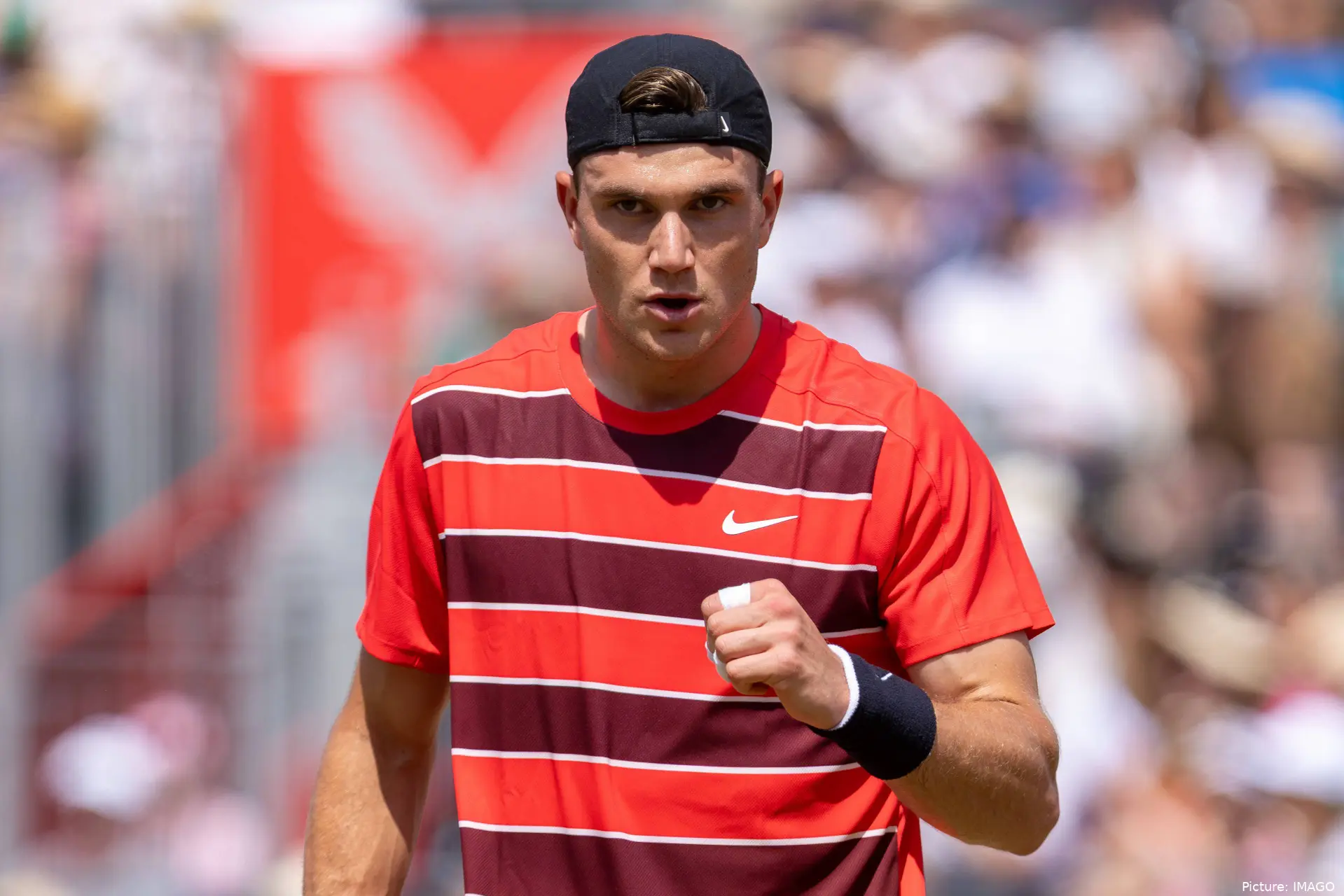

Draper's call, Fritz's support
Injuries are going to happen… we are pushing our bodies to do things they aren’t supposed to in elite sport. We have so many incredible younger guys on the tour right now and I’m proud to be apart of that, however, the tour and the calendar have to adapt if any of us are gonna…
— jack draper (@jackdraper0) October 18, 2025
Injuries are going to happen… we are pushing our bodies to do things they aren’t supposed to in elite sport. We have so many incredible younger guys on the tour right now and I’m proud to be apart of that, however, the tour and the calendar have to adapt if any of us are gonna…
— jack draper (@jackdraper0) October 18, 2025
Read also
Fritz clarifies the 'slow down' debate
Balls make a much bigger difference on how fast the court plays than the actual court speed. Shanghai last year had a very high CPI but the slow balls we used made it play slow. This year the balls were still slow and they also slowed the courts and it was brutal. I can say with…
— Taylor Fritz (@Taylor_Fritz97) October 18, 2025
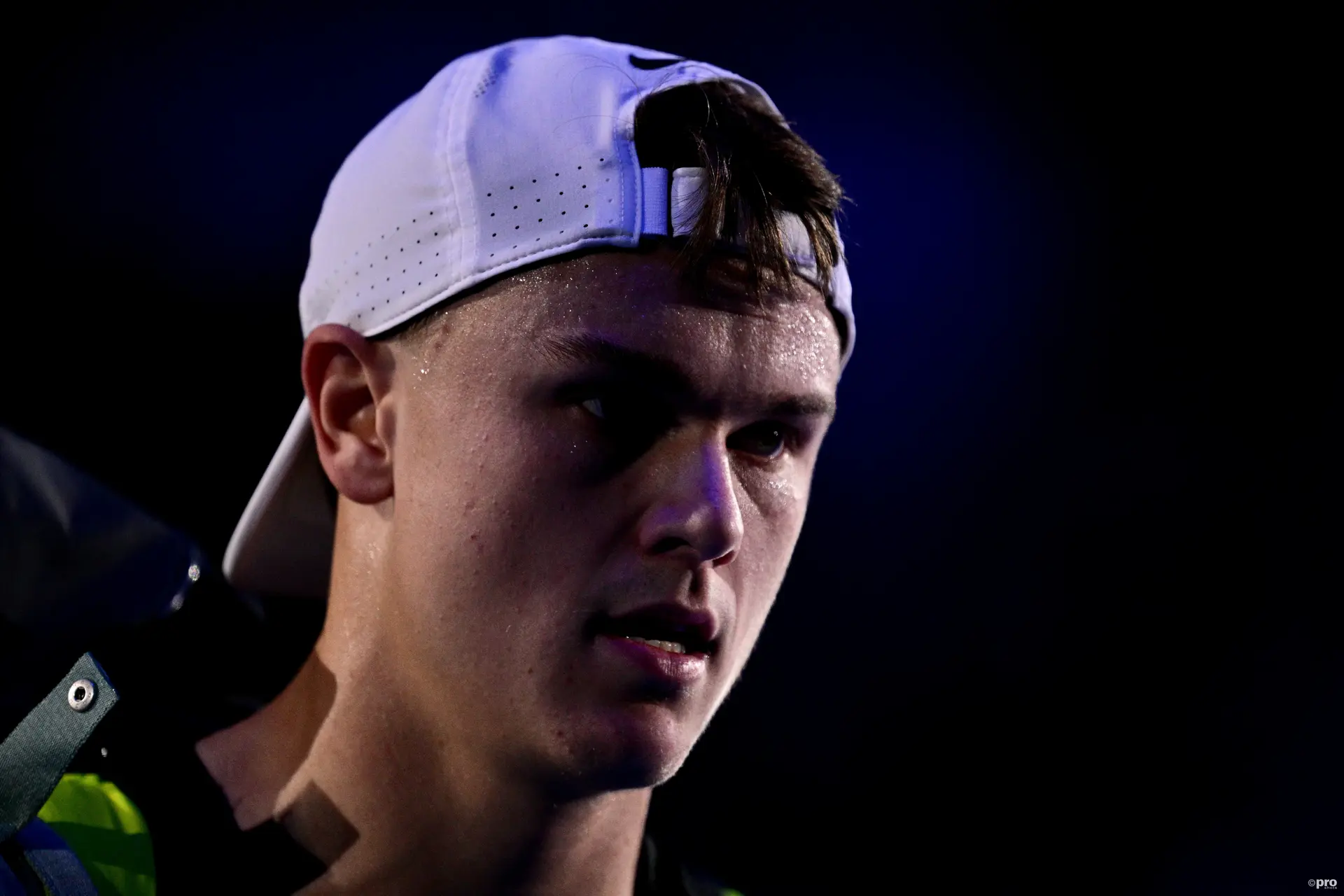
A lot of people struggle to differentiate between slow ball / slow court. It’s only something I have picked up in recent years. It’s easy to play with a slow ball and just think the court is slow when maybe it’s not and vice versa.
— Taylor Fritz (@Taylor_Fritz97) October 18, 2025

Just In



Popular News
Latest Comments
- A healthy Qinwen may be hard to stop next season. She was already scaring her opponents before her medical leave(s). Unfortunately, Zheng insisted on singing again. On the positive side -- Mirra did not sing!! ;~}
 mandoist11-10-2026
 - Where is it written that athletes, entertainers... People in general... are mandated to keep looking at -- or even using [anti]Social Media? Public & private figures consistently complain and reveal their concerns about negativity and violence thrown at them -- yet they insist on participating. Avoid it, don't use it, don't read it. It's okay to occasionally look up at the World instead beating your eyes & thumbs to death on The Inventions out there.mandoist11-10-2026
- great articlestennisseserver07-10-2026
- Medvedev was leading Djokovic 7-5, 3-5 when an attempted return..' NO you ignorants, Djokovic was leading .weiss05-10-2026
- No more bullshit "Wildcards" to these two. Qualify like everyone else -- there will be cameras there, too. Time to scream... WTF ????!!!!mandoist29-09-2026
- Let's not BS the general public -- Sabalenka started showing cracks in her game last season. Her losses and near-losses started at about the same time she began being distracted by Fame (constant Selfies, making TV commercials, magazine shoots, endless Social Media nonsense, etc., etc.) One would think even Saba could recognize the parallels with others who failed before her -- Raducanu, Giorgi, Bouchard to name a few.mandoist25-09-2026
- Gross!! Hey Raducanu, Giorgi, and Bouchard -- reserve a seat at your Social Media Selfie table for Saba + Naomi. They're heading in your direction soon enough.mandoist24-09-2026
- And then these same players will complain about how lengthy their season’s were and need more time-off. I’m all for more tennis but the amount of tennis we get now is actually kind of crazy! We all need a break, especially the players.DaveyWavey23-09-2026
- You should do a comparison article for "different kinds of justice" the courts decide for tennis players. I can think of at least three players who received very small bans of a few months, however Tara Moore has been fighting for her literal survival the past few years. It seems odd considering she is not a "name" player, unlike the other cases.DaveyWavey22-09-2026
- PRIZE MONEY & POINTS Winner - $185,500 Finalist - $114,500 Semi-Finalist - $66,003 Quarter-Finalist - $35,000 Round of 16 - $18,045 Round of 32 - $13,005 Winner - 500 Finalist - 325 Semi-Finalist - 195 Quarter-Finalist - 108 Round of 16 - 60 Round of 32 - 1DaveyWavey20-09-2026

Loading