"When people say, 'Why is he there?' it’s like… I didn’t invite myself" - Murray dissects 'Big Three' rivalry while confirming reason he attended Nadal's retirement ceremony
ATP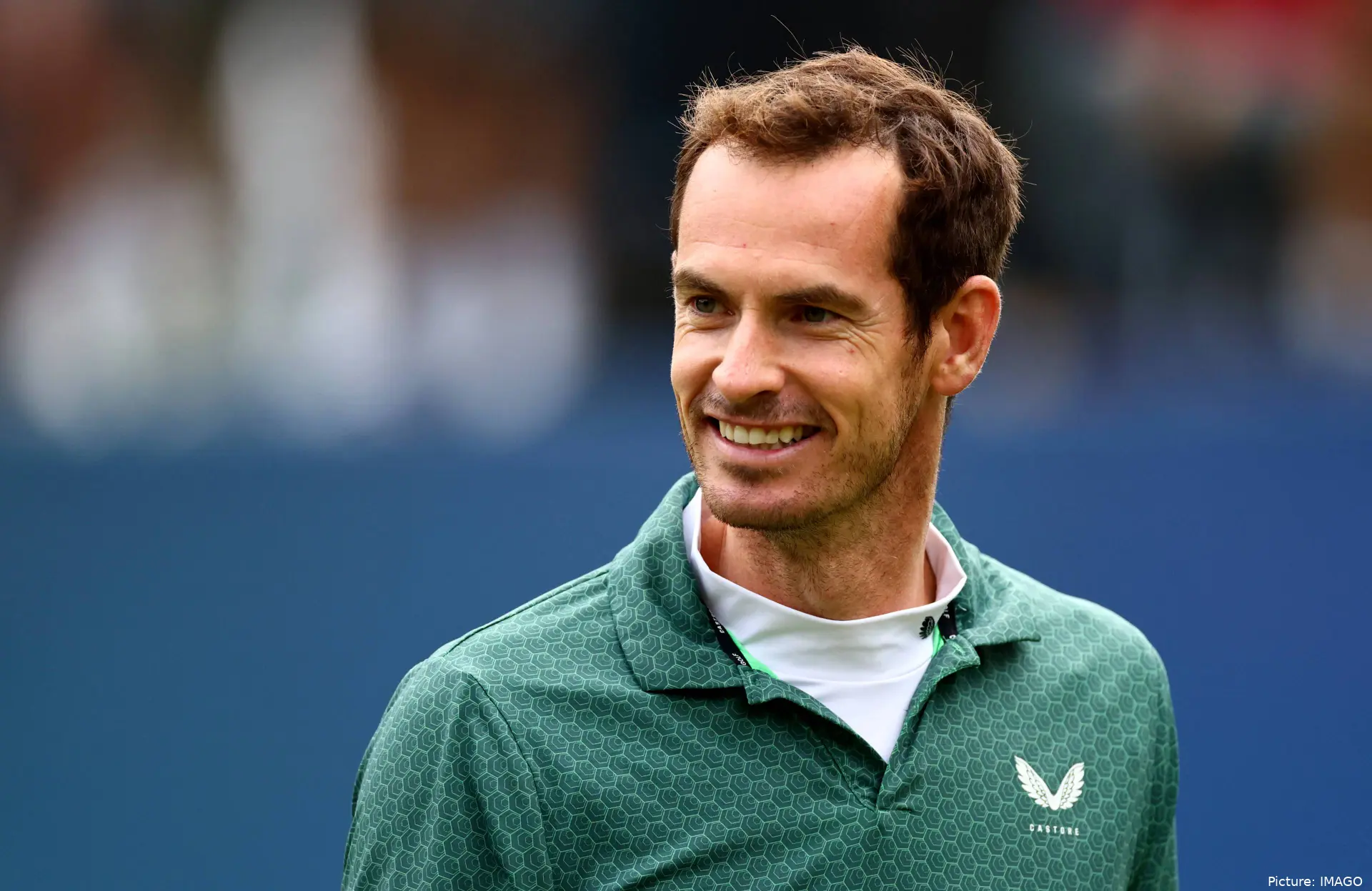
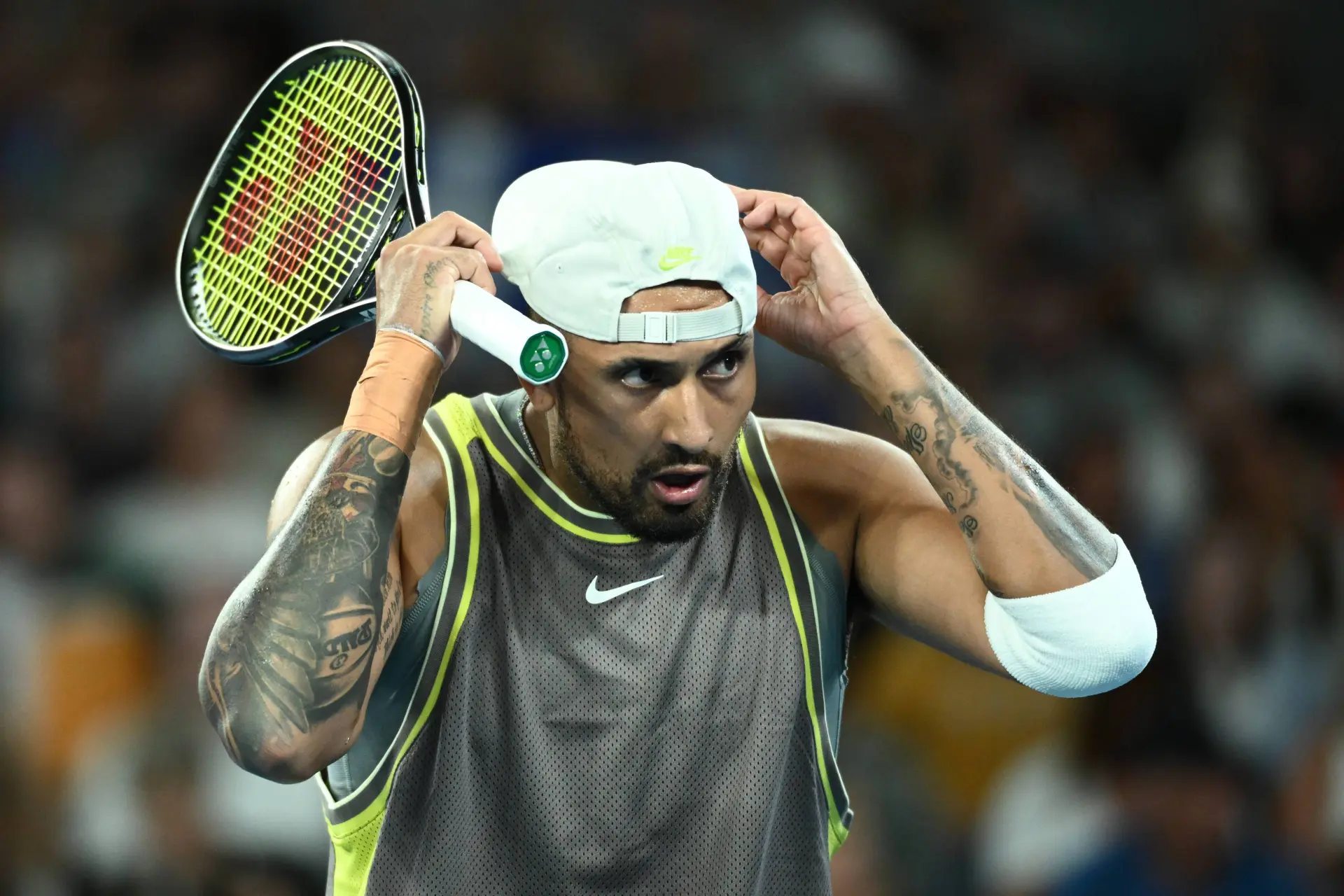
Andy Murray was one of the best players of his generation. Unfortunately, that was intertwined with the era of the 'Big Three.' Despite this, Murray was regularly competing and beating these tennis icons, now reminiscing on previous matchups and rivalries with them.
Novak Djokovic, Rafael Nadal and Roger Federer are regularly lauded as the best tennis players to have graced the court. Each with different qualities and skill sets, they regularly demolished the competition in front of them, winning a combined total of 66 Grand Slams - still potential to rise if Djokovic can clinch his 25th.
While this was happening, Murray was their closest challenger. He won three Grand Slam titles while losing in eight other major finals. He also collected two Olympic gold medals, 14 Masters 1000 triumphs and an ATP Finals title in 2016 which saw him rise to number one in the world. A legendary achievement whilst the competition around him remained so strong.
From studying Federer to locking horns on court
Federer had started his career a lot earlier than Murray, already winning 12 Grand Slams before the Scot's maiden Grand Slam final appearance at Flushing Meadows in 2008. This gave him a chance to study and examine him on court.
"I watched him loads growing up. I took notes watching his matches on Sky," Murray said on The Tennis Podcast. "When I was 15, I had an injury and didn’t play for about six months, and I loved watching him. I felt like I knew — from a strategic point of view — how I wanted to play against him, even though executing it well was never guaranteed because of how good he is."
Aside from that final defeat, Murray boasted a very impressive six wins out of the duo's first eight meetings. Despite it waning in the favour of Federer, Murray utilised his plan early on to get on top. It was not easy, though, with him describing Federer's aura as 'the best ever.'
"The matchup wasn’t amazing for me — I still lost more than I won — but early on, I had a clear idea of what I wanted to do," Murray confessed. "In the Slams I didn’t do as well, partly because of his game but also the psychological impact of him having won multiple majors and me never having won one. The nerves and pressure were different. If we’d played our first Slam match when neither of us had won one, I think I would have felt different going on the court. He had this aura, was described as the best ever, and overcoming that in the biggest matches was challenging."
He disclosed their positive relationship, while delving into the tactical aspects of their intense battles. "I got on very well with Roger. It meant a lot to beat him because I watched him as a kid and loved his game," he admitted. "People always said his backhand was the weaker side — but weaker in relation to what? It was still one of the best backhands in the world. But compared to his forehand, yeah, you could attack it a bit. My backhand cross-court was one of my better shots, and I liked playing this high forehand down the line — sort of slow, not always deep — that for a one-hander is difficult. You have to decide early: step in and take it, retreat, slice it? That shot gave him trouble early on. He figured it out more as we played. There were a few things like that in the matchup. And because I’d watched hours of his matches, reading his game came a bit more naturally early on."
Attending Nadal's retirement ceremony - reunited with Big Three
Nadal won 15 of his 22 major titles in the French Open. He is widely recognised as the greatest player on clay. He retired from the sport in 2024 but made a return to Roland Garros for a retirement ceremony. Murray was there along with Djokovic and Federer in a cool experience.
"Yeah, it was amazing. He deserved that, and he seemed really touched by it," Murray stated. "The footprint on the court was really cool. Rafa seemed to love it, which is the most important thing. Beforehand was nice too — he didn’t know we were coming. We were sitting in a room with Roger and his agent chatting about tennis and our matches and the game now. That was fun."
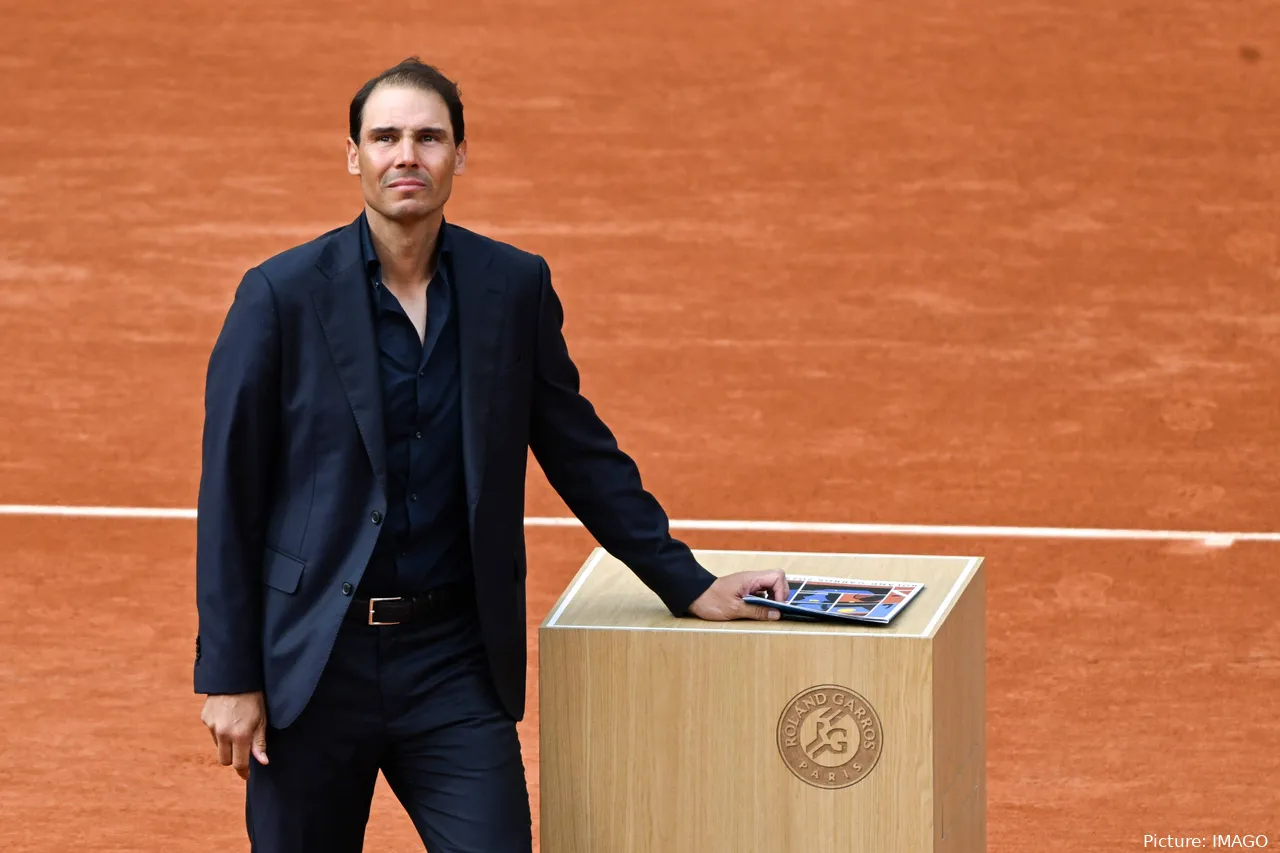
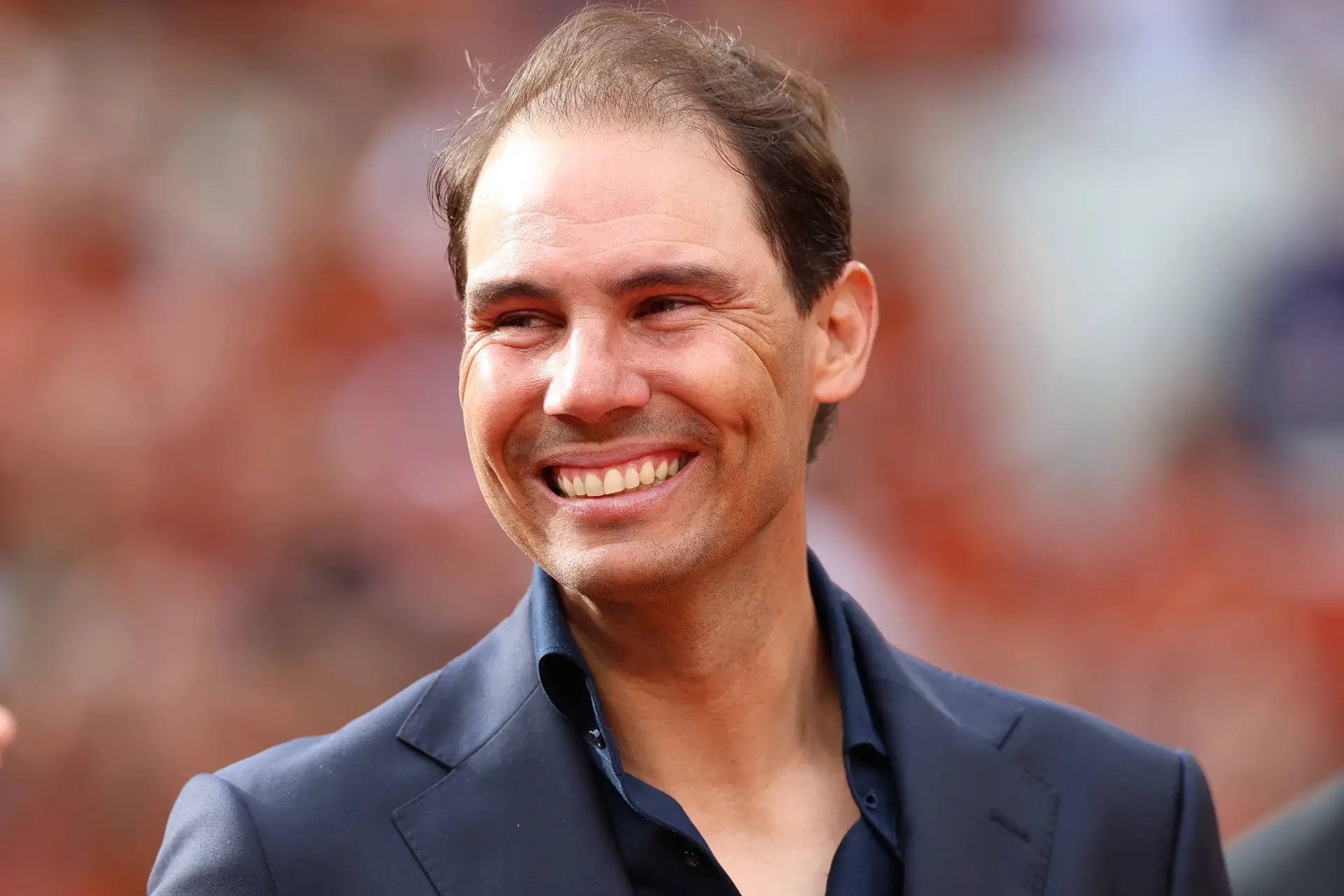
Rafael Nadal proudly returned to Roland Garros for a tribute ceremony
While he may not have achieved as much as the Big Three, Murray has been tied into their discourse and debates, regularly being put in the same category. This shows in his appearance at Roland Garros alongside them. "I’m fully aware where I sit in that pecking order. What those guys achieved is far superior to what I did. But there was a period in the middle of my career when at most major events — Slams, Masters, Olympics, Davis Cup — one of us four was winning. Mostly them, yes, but not always. I’m proud to have been part of that. And I didn’t ask to go to Rafa’s ceremony — he asked me. So when people say, 'Why is he there?' it’s like… I didn’t invite myself."
He labelled being invited as an honour. "Great. Of course I’d be there if he wanted me there. If Novak doesn’t want me at his retirement, that’s fine too. It’s not me forcing my way in."
How the Big Three adjusted their game to stay on top
When looking to the current state of men's tennis, Carlos Alcaraz and Jannik Sinner have a firm grip hold of the ATP Circuit. When in their pomp they look unbeatable, and even when not at their best they are still tricky to get past. In their ongoing rivalry, they keep attempting to get the edge over one another by adapting their game, building on already solid foundations. This was no different when the Big Three were at their glorious best. It would make it a challenge for Murray to keep pace, always having to be on high alert for what he is coming up against.
He listed off the players adjustments throughout the years, starting with Federer. "Federer got progressively more offensive over the years, especially with court position. My second serve was average at best, and he attacked it more as time went on, getting on his forehand and being more aggressive. Early on he’d often chip returns and start the rally; later he tried to attack immediately. His court position tightened toward the baseline as he got older. If you watch him in 2003–04 versus later, you can see it."
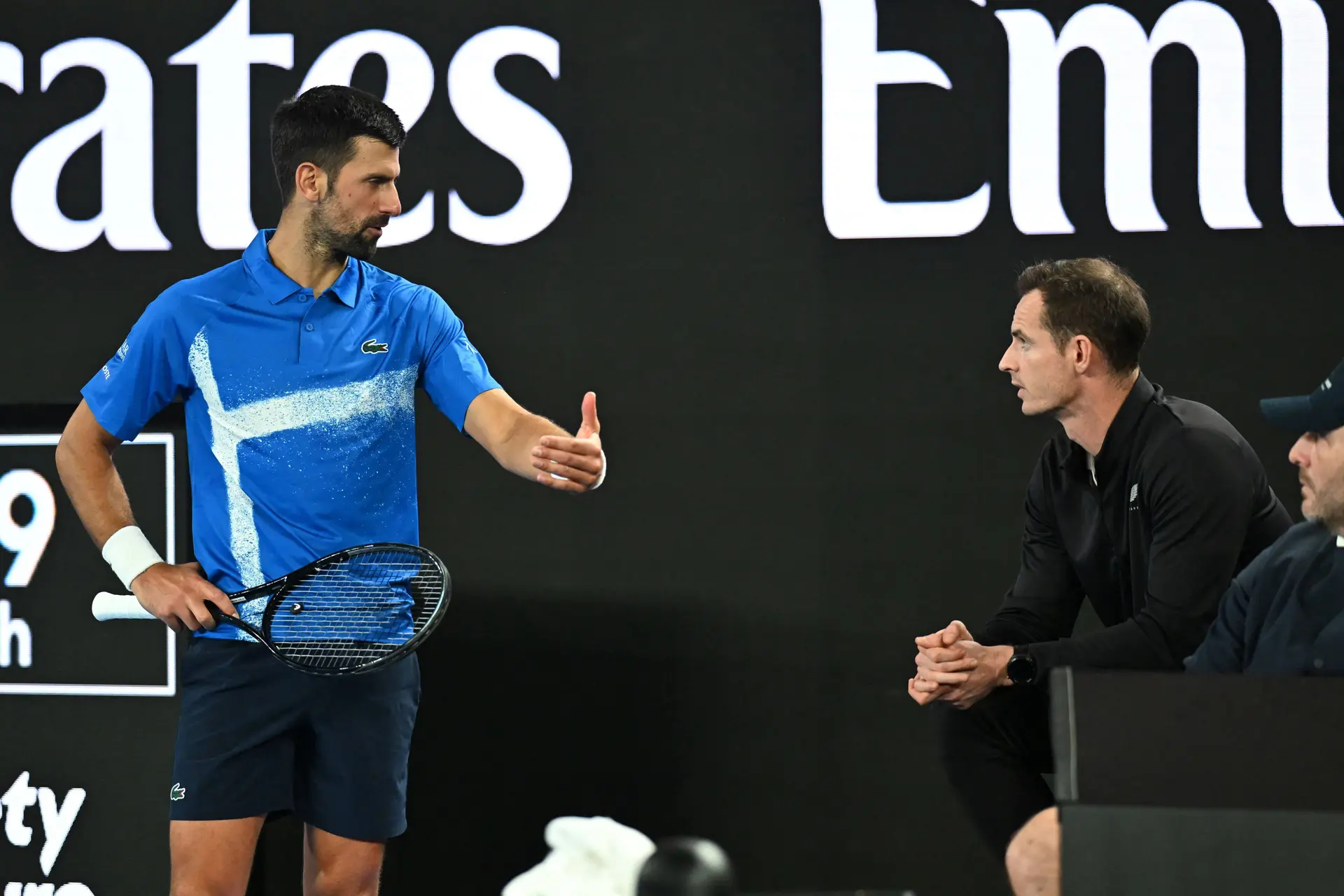
Moving onto Djokovic, who Murray briefly coached from the end of 2024-mid 2025. "With Novak, the matchup was hard — very similar styles, but he was just a bit better in most areas," he begrudgingly stated. "My edge was probably at the net, but it’s hard to exploit that consistently. One big adjustment came from working with Ivan Lendl and looking at data. When I sliced to Novak’s backhand, he often sliced back — a slower ball. When I then got on my forehand, the percentage of points I won was much higher. So I focused a lot on bringing the slice in and getting on my forehand quickly."
And to cap it off, Nadal. "Rafa — I didn’t play him much towards the end, but you were always trying to adjust. The difficulty with great players is that they’re adjusting too."
Lucas MichaelTennis Journalist
Lucas Michael is a tennis journalist based in Cambridge, UK, specializing in comprehensive coverage of the ATP and WTA tours. For the past 1.5 years, he has been a core contributor to TennisUpToDate, where he has authored more than 3,000 data-driven match reports, deep-dive analysis pieces, and engaging liveblogs.
Lucas pairs real-time statistical analysis with on-the-ground reporting, frequently traveling to tournaments to cover the action firsthand from the press box and player press conferences. This blend of advanced metrics and direct access allows him to provide sharp context regarding player form, tactical trends, and breaking tour developments.
He holds a BA (Hons) in Sports Journalism. Grounded in core journalistic ethics, Lucas places a strict emphasis on meticulous sourcing, editorial accuracy, and a commitment to updating live content swiftly as verified information emerges.
claps 0visitors 0
Just In

Popular News
Latest Comments
- A healthy Qinwen may be hard to stop next season. She was already scaring her opponents before her medical leave(s). Unfortunately, Zheng insisted on singing again. On the positive side -- Mirra did not sing!! ;~}
 mandoist11-10-2026
 - Where is it written that athletes, entertainers... People in general... are mandated to keep looking at -- or even using [anti]Social Media? Public & private figures consistently complain and reveal their concerns about negativity and violence thrown at them -- yet they insist on participating. Avoid it, don't use it, don't read it. It's okay to occasionally look up at the World instead beating your eyes & thumbs to death on The Inventions out there.mandoist11-10-2026
- great articlestennisseserver07-10-2026
- Medvedev was leading Djokovic 7-5, 3-5 when an attempted return..' NO you ignorants, Djokovic was leading .weiss05-10-2026
- No more bullshit "Wildcards" to these two. Qualify like everyone else -- there will be cameras there, too. Time to scream... WTF ????!!!!mandoist29-09-2026
- Let's not BS the general public -- Sabalenka started showing cracks in her game last season. Her losses and near-losses started at about the same time she began being distracted by Fame (constant Selfies, making TV commercials, magazine shoots, endless Social Media nonsense, etc., etc.) One would think even Saba could recognize the parallels with others who failed before her -- Raducanu, Giorgi, Bouchard to name a few.mandoist25-09-2026
- Gross!! Hey Raducanu, Giorgi, and Bouchard -- reserve a seat at your Social Media Selfie table for Saba + Naomi. They're heading in your direction soon enough.mandoist24-09-2026
- And then these same players will complain about how lengthy their season’s were and need more time-off. I’m all for more tennis but the amount of tennis we get now is actually kind of crazy! We all need a break, especially the players.DaveyWavey23-09-2026
- You should do a comparison article for "different kinds of justice" the courts decide for tennis players. I can think of at least three players who received very small bans of a few months, however Tara Moore has been fighting for her literal survival the past few years. It seems odd considering she is not a "name" player, unlike the other cases.DaveyWavey22-09-2026
- PRIZE MONEY & POINTS Winner - $185,500 Finalist - $114,500 Semi-Finalist - $66,003 Quarter-Finalist - $35,000 Round of 16 - $18,045 Round of 32 - $13,005 Winner - 500 Finalist - 325 Semi-Finalist - 195 Quarter-Finalist - 108 Round of 16 - 60 Round of 32 - 1DaveyWavey20-09-2026

Loading