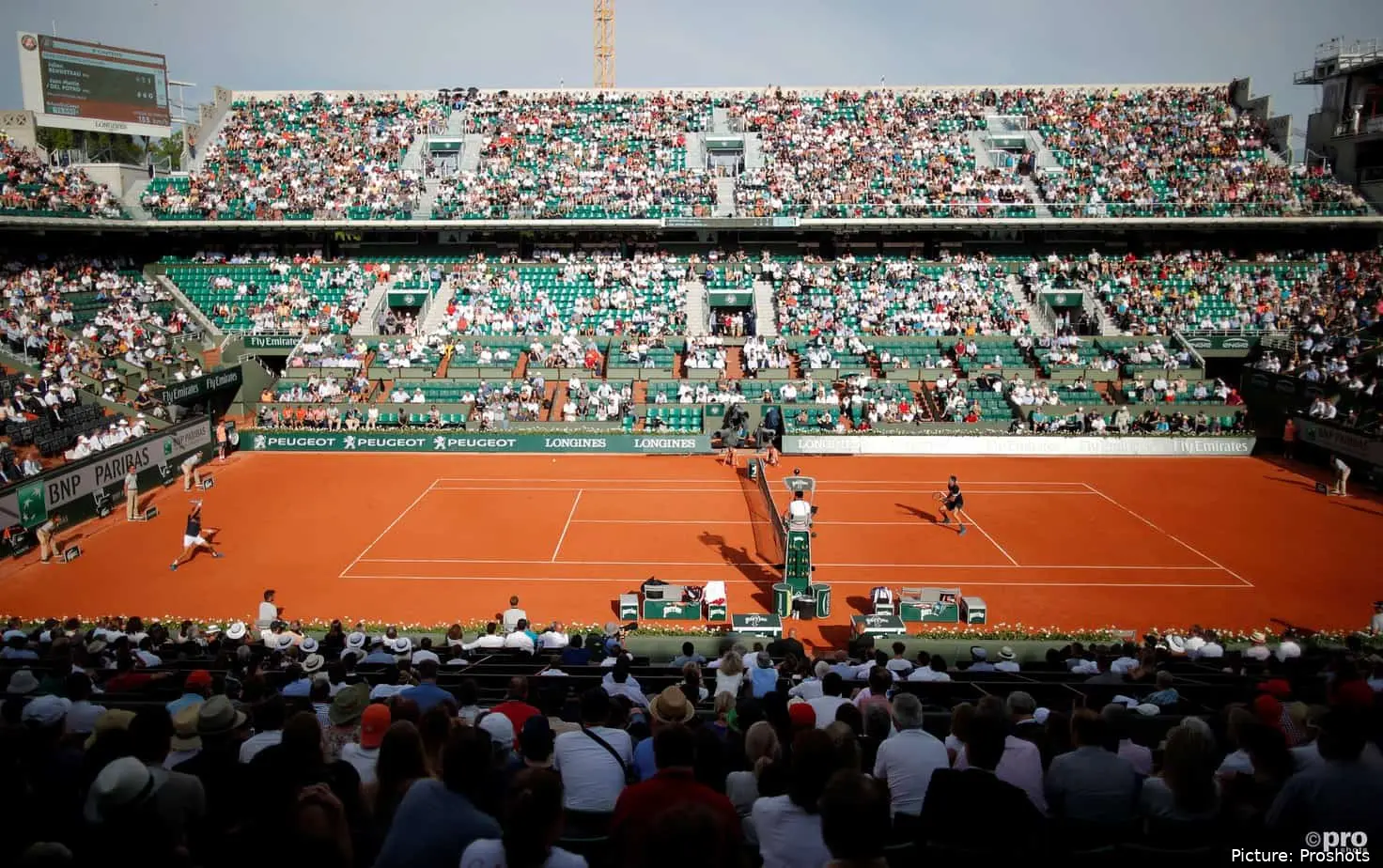
The Grand Slams, the big tournaments, and the household names all give the impression that tennis is a European and North American affair. But away from the glare of Wimbledon and the US Open, you'll find something interesting happening. Tennis is spreading, quietly and steadily, in places that rarely get mentioned in the sports pages. New courts are appearing, and local leagues are filling up with eager players. This growth is real, driven by better access, streaming technology, and grassroots enthusiasm.
Southeast Asia: From Niche Sport to Weekend Habit
In parts of Southeast Asia, tennis has shifted from being a curiosity to a proper weekend activity. Public courts are popping up in cities and even smaller towns. Community clubs are running affordable programmes that welcome complete beginners. Matches stream straight to your phone, making it easier than ever to follow the sport.
Fan engagement is also growing in interesting ways. People are getting involved in different aspects of the sport. In Malaysia, for instance, tennis sits comfortably alongside football in the sporting conversation. Some fans enjoy betting in Malaysia, and often look for sites that offer live odds and detailed match insights. This actually deepens their understanding of how matches develop point by point, and helps them learn the rhythms and strategies of the game.
Countries like Malaysia and Vietnam are hosting more regional tournaments. Rookie players get valuable match experience without having to travel abroad. International coaches visit more often. Suddenly, tennis doesn't feel like something happening on the other side of the world. It's right there in the community.
Africa: Building Something From Nothing
Tennis growth in Africa is practical, ground-up stuff, with the aim of giving people a place to play and seeing what happens. Courts get built wherever there's space. Equipment gets shared around. Coaches focus on fundamentals and fitness.
Over the past decade, the programmes of several African nations have significantly expanded. Local tournaments draw large crowds. Some talented players eventually train abroad, whilst others stay home and coach the next generation.
In places like Kenya and Nigeria, tennis clubs are becoming genuine social centres. Weekend matches bring people together. Tennis works well within daily schedules and doesn't require large teams. It’s a manageable and sustainable sport.
Media coverage is still patchy, but social media is filling the gap. Short match clips and player profiles help spread enthusiasm across borders, connecting communities that might otherwise feel isolated.
The Middle East: Investment Meets Vision
The Middle East has taken a more structured approach. Investment is key here, with new tennis centres offering top-quality courts and year-round training facilities. People can play comfortably during the scorching summer months in climate-controlled spaces.
The region is now regularly hosting professional events, attracting fans who might never have watched tennis before. Many of them stay interested long after the stars have packed up and left.
Countries like Saudi Arabia and the UAE have made tennis part of a broader sports development strategy. Whilst the elite events grab headlines, the real work is happening at the rookie level, where future players are being shaped.
Eastern Europe and South America: Local Heroes Matter
Eastern Europe has always had a tennis heritage, but access is only now reaching the smaller communities. Clubs have tight budgets, with coaches juggling multiple age groups.
But when a local player reaches the big stage, everything changes. Hopefuls flock to the courts, wanting to follow in their footsteps. Tennis becomes a way to represent your country globally in nations like Georgia and Bulgaria. That sense of purpose keeps programmes going even without major funding.
South America is famous for its clay courts and passionate fans. Now, it’s seeing tennis spread beyond traditional strongholds. Hard courts are appearing in new areas. In countries like Colombia and Peru, tennis fits neatly into an expanding middle-class sports culture.
The growth may be quiet, but tennis is finding new ground, one court and one community at a time.

Samuel GillEditor-in-Chief
Samuel Gill is the Chief Content Officer (CCO) of TennisUpToDate.com, a role he has held since 2020. He is responsible for editorial governance across the platform, including setting content standards, overseeing accuracy and consistency, and guiding long-term editorial strategy. Since joining, he has contributed more than 10,000 articles and editorial pieces across the TennisUpToDate network, playing a central role in the daily operation and development of the site.
Based in Leicester, Samuel has a broad background in tennis media. In his current role, he works closely with editors and writers to ensure coverage meets clear journalistic standards, with particular attention to verification, consistency, and timely updates when new information becomes available.
claps 0visitors 0
Just In

Popular News



Latest Comments
- Does Sinner need that 4.5 mil? I doubt it. He can make that with three modelling gigs!😅🤣Rapunzel21-10-2026
- Did "People Magazine" purchase this website? This nonstop storyline is bullshit.
 mandoist21-10-2026
 - Listen... this is of no concern to anyone but these two. Deal with your own issues -- most of us have our own. Thanks, media, for these insignificant follow-ups which are meaningless.mandoist21-10-2026
- This is so very very sad, for all three of them. I truly thought they had an unbreakable bond, but life throws up so many differing challenges. Having your homeland suffering in such a terrible way, makes happiness lose out to guilt as well. Our thoughts are with them. X💔bjsexton20-10-2026
- I have lost all respect for Svitolina! Could she not have waited until he had played at the Paris Masters!!! She is selfish and don't give a damn about Gael. That is NOT how love is demonstrated Elina!!Rapunzel19-10-2026
- Perhaps convenient tennis tour sex is not a strong enough experience in which to base a marriage?mandoist19-10-2026
- Fight the Good Fight... Tennis (sports in general) need more Humans such as yourself.mandoist18-10-2026
- When is WTA going to mandate Genetic Testing (DNA) ???mandoist18-10-2026
- Hey, Dan... you just wake up from a coma? Regardless -- Thanks for the comedy this morning!mandoist18-10-2026
- Two Things: 1. Stop allowing these Spoiled Trust-Fund Elitists to behave badly. Your little hand-slaps do not deter them. 2. STOP the incessantly annoying "towel wiping" nonsense!!!!mandoist15-10-2026

Loading