"You see her more on social media than on a tennis court” - Boris Becker questions Aryna Sabalenka's focus as world No. 1's slump deepens
WTAFriday, 28 August 2026 at 00:37
Boris Becker has raised a provocative question about Aryna Sabalenka's prolonged slump, suggesting that the world No. 1's struggles may have less to do with her tennis than with what is happening around it.
The six-time Grand Slam champion questioned whether Sabalenka is still able to handle the pressure at the highest level and pointed to her increasingly visible presence away from the court as a possible explanation.
The criticism comes at a particularly difficult moment for Sabalenka. The Belarusian has reached just one quarterfinal in her last seven tournaments, a remarkable downturn for a player who spent much of the past two seasons establishing herself as the dominant force at the top of the WTA Rankings.
Her recent Grand Slam campaigns have also fallen well below expectations, with a defeat against Diana Shnaider in the Roland Garros quarterfinals followed by a fourth-round loss to Naomi Osaka at Wimbledon.
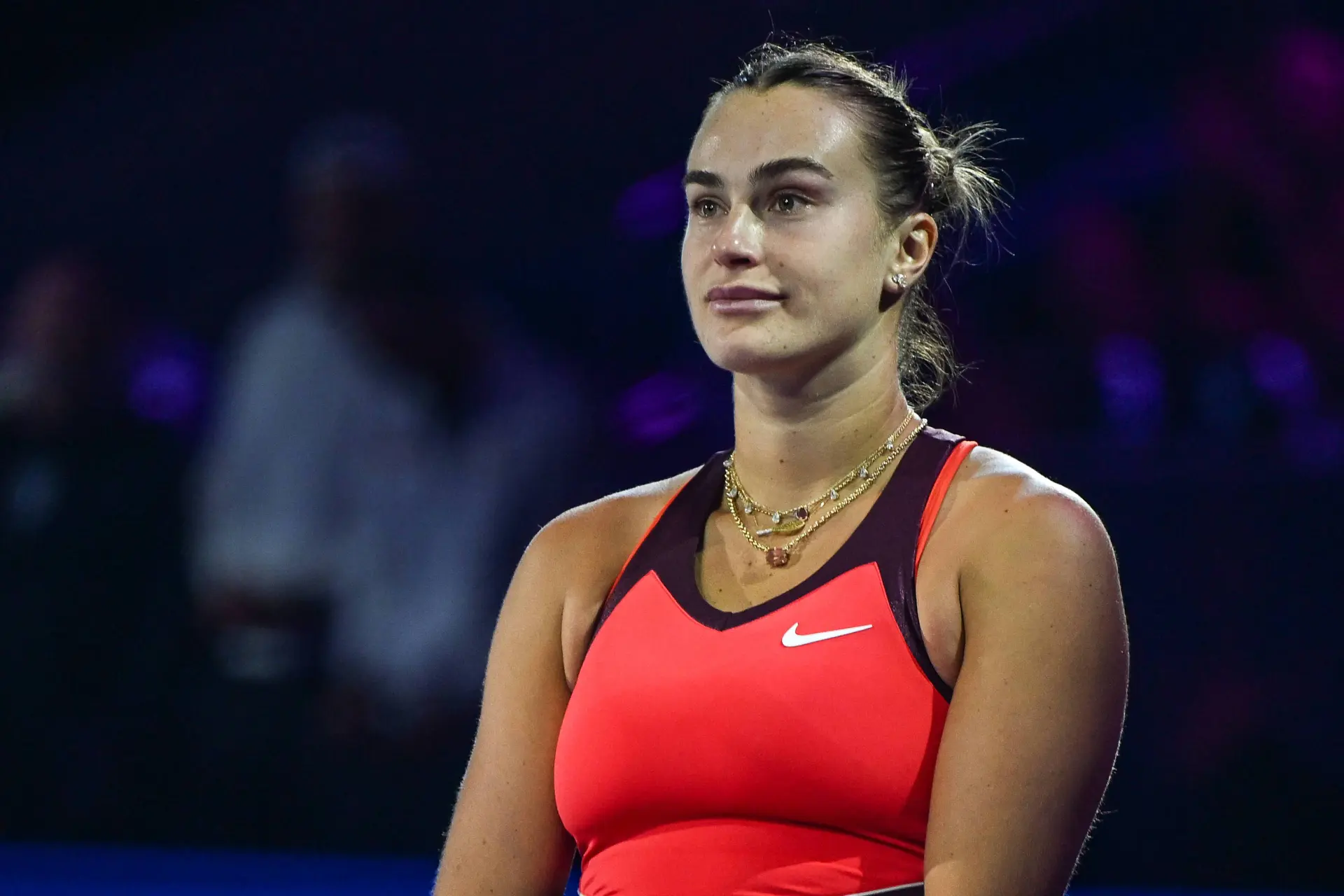
Becker questions Sabalenka's focus
Sabalenka's form has become one of the major storylines surrounding the US Open, where she is the defending champion and carries 2,000 points into the tournament. She is also fighting to remain world No. 1, with Elena Rybakina, Jessica Pegula and Coco Gauff all entering the equation. For Becker, however, the issue may go deeper than results.
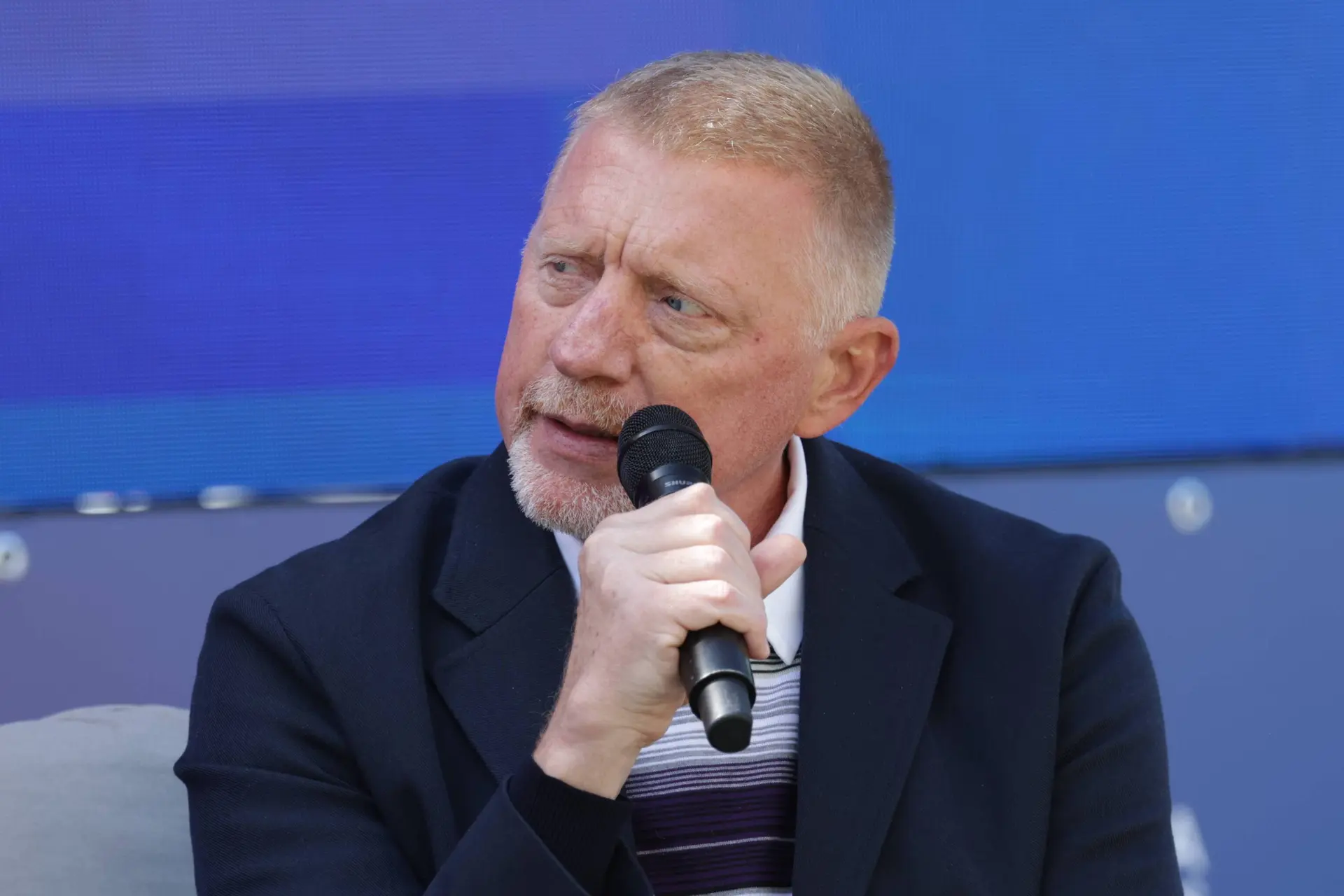
“Is it purely a sporting issue? Or is it attitude and mentality? Because from what I see, at the moment she can't handle the pressure, no matter who she plays against. And it's not even that she puts too much pressure on herself. The question is: why?” Becker said on the Becker-Petkovic podcast.
Read also
Becker believes there are signs that Sabalenka's concentration has changed, pointing specifically to the contrast between her tennis and her increasingly prominent social-media presence.
“I like her, I enjoy watching her play, but right now you see her more on social media than on a tennis court," Becker added. "And that's fine. Maybe, however, she has lost a little bit of focus."

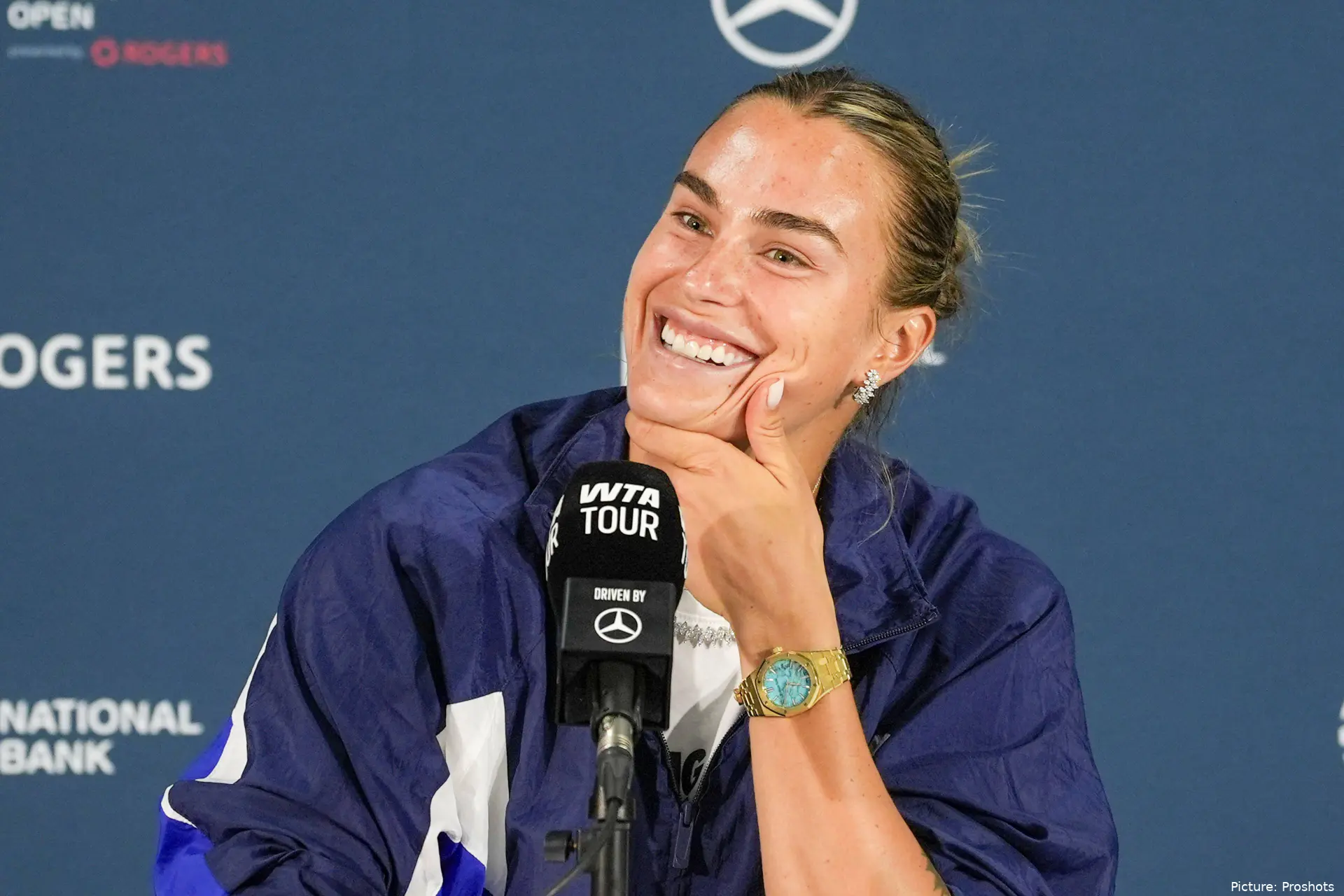
Aryna Sabalenka of Belarus during a press conference ahead of her next match on Tuesday 4th for the Women’s Singles round of 64 match the WTA Masters 1000 National Bank Open
The former world No. 1 also suggested that Sabalenka's priorities away from tennis may have changed after several years of extraordinary success. She has won multiple Grand Slam titles, established herself as the WTA's top-ranked player and recently became engaged, potentially creating a different balance between her professional and personal life.
“She played at the highest level for a long time, won a lot of money, won many titles, etc," he added. "She also recently got engaged. Is it possible that her private life is her priority now? And that tennis has taken a back seat? Because that would explain a lot of things."
The argument is difficult to prove from results alone, and Sabalenka has not indicated that tennis has become less important to her. But Becker's comments come against a statistical backdrop that is hard to ignore.
Her biggest problem, in his view, may be what happens when matches become tight. Becker pointed to the number of unforced errors Sabalenka is making at crucial moments and, more importantly, the type of shots she is attempting.
“When you make unforced errors at the decisive moments. You can play badly, but the opponent can also make mistakes and hit the ball out," Becker explained. "So first you have to try to get the ball in, start the rally, and maybe the other player will reach it. When you try to hit a winner with the first shot, that shows fear and insecurity. It means you don't even want to get into the rally."

For a player whose biggest weapon has traditionally been aggressive first-strike tennis, that distinction is particularly relevant. Sabalenka's ability to dictate play has been central to her rise to the top, but Becker believes her current decision-making suggests that confidence has begun to erode.
“And it wasn't something isolated: it's been happening since April, and at some point a situation like that ends up undermining your self-confidence."
Becker points to Swiatek for a possible solution
Becker also questioned whether Sabalenka's current coaching setup is capable of giving her what she needs to reverse the decline. “Something is missing. The question is always: is the team around her capable of giving her what she needs? Or does she need a change of scenery?” Becker asked.
He used Iga Swiatek as an example of how a change in approach can eventually produce results. The Pole began working with Francisco Roig in the spring, and although the partnership did not immediately deliver, Becker noted that Swiatek has since rediscovered her best tennis.
“Maybe Sabalenka also needs a different approach, a different training method,” Becker said. “Because at some point, when you've been successfully working with the same team for years, you've heard everything eleven times already and there is nothing that really motivates or excites you anymore.”
That possibility adds another dimension to Sabalenka's US Open campaign. The defending champion is not simply trying to win another major; she is attempting to stop a decline that has lasted several months while protecting her position at the top of the rankings.
If Becker is right, the answer may not be found in another technical adjustment or another week on the practice court. Sabalenka may first need to rediscover the confidence, concentration and competitive clarity that made her so difficult to beat in the first place.

Cristhián AvilaTennis Journalist
Cristhián Ávila is a tennis journalist based in Santiago, Chile, and has been part of the TennisUpToDate team since early 2023. He covers the ATP and WTA Tours as well as all four Grand Slams, producing breaking news, match reports, analysis, and regular liveblogs from major tournaments.
His reporting combines statistical analysis with clear explanation, helping readers understand tactical developments, player form, and broader storylines across the tour. Working fluently in both Spanish and English, Cristhián collaborates with an international editorial team and contributes to comprehensive global coverage. As part of his work, he has conducted interviews and media interactions with leading figures in the sport, including Caroline Wozniacki and John McEnroe.
In his journalism, Cristhián places strong emphasis on careful sourcing, editorial accuracy, and updating articles promptly when new, verified information becomes available. His coverage is grounded in research, context, and direct engagement with professional tennis.
claps 0visitors 0
Just In

Popular News

Latest Comments
- Great article! I began cheering for the “real” doubles specialists at the beginning but once they all lost their respective matches I really didn’t care who actually won the whole tournament. I liked the last four teams in the semifinals and would have enjoyed seeing any of them win the trophy! Not sure it really feels like a TRUE Grand Slam win however (and I know history will say it is!). Happy for Muchova/Mensik. Karolina is now a Grand Slam winner.DaveyWavey27-08-2026
- …and Foseca ;)DaveyWavey25-08-2026
- All the men dropping like flies. Something’s gotta be done with the tournament calendar or many more players will be on the sidelines in the near future. Surprised Carlos is back as soon as he is. Get well soon Sinner, Draper, Fokina, Rune, etc. etc. etc……DaveyWavey25-08-2026
- I want Pegula to surprise as a one-slam wonder winning in New York. She would then jump over the other three ladies for a number one ranking! I’d put my money on the two American girlies, Jessica and Coco to win in New York. Rybakina cannot seem to perform under this kind of pressure and Sabalenka appears in an anger fog ATM.DaveyWavey24-08-2026
- Well said, Andy. I got sick of Nick carrying on and on and on about Sinner. He absolutely refused to look at the facts. Now look at him. Karma is real!!!Rapunzel23-08-2026
- The fact that ANDY RODDICK of all people has become the voice of “reason” is interesting. He’s absolutely correct about Kyrgios too. He’s become a tennis influencer who is a total hypocrite and bully! I agree with RODDICK 100%DaveyWavey23-08-2026
- Great article! Thiem was similar to Del Potro in that both men had won Grand Slams and injured wrists each stole their careers away. Sad really.DaveyWavey22-08-2026
- I’m not quite sure what’s happening with Sabalenka but she is horrible on court when she’s losing (which is a lot lately). If you cannot control your self at all once you start losing matches - especially at 28 - you need to see a therapist or take a break from the sport. Terrible attitude. This is what represents the women’s tennis tour? Yikes!DaveyWavey20-08-2026
- Love Halep’s post! Very pointed yet simple.DaveyWavey20-08-2026
- He’s such a hypocritical douche! I remember when Sinner was out for three months on his ban and Kyrgios made such disparaging comments towards him and how awful he was. He’s such a mess of a human being.DaveyWavey19-08-2026

Loading