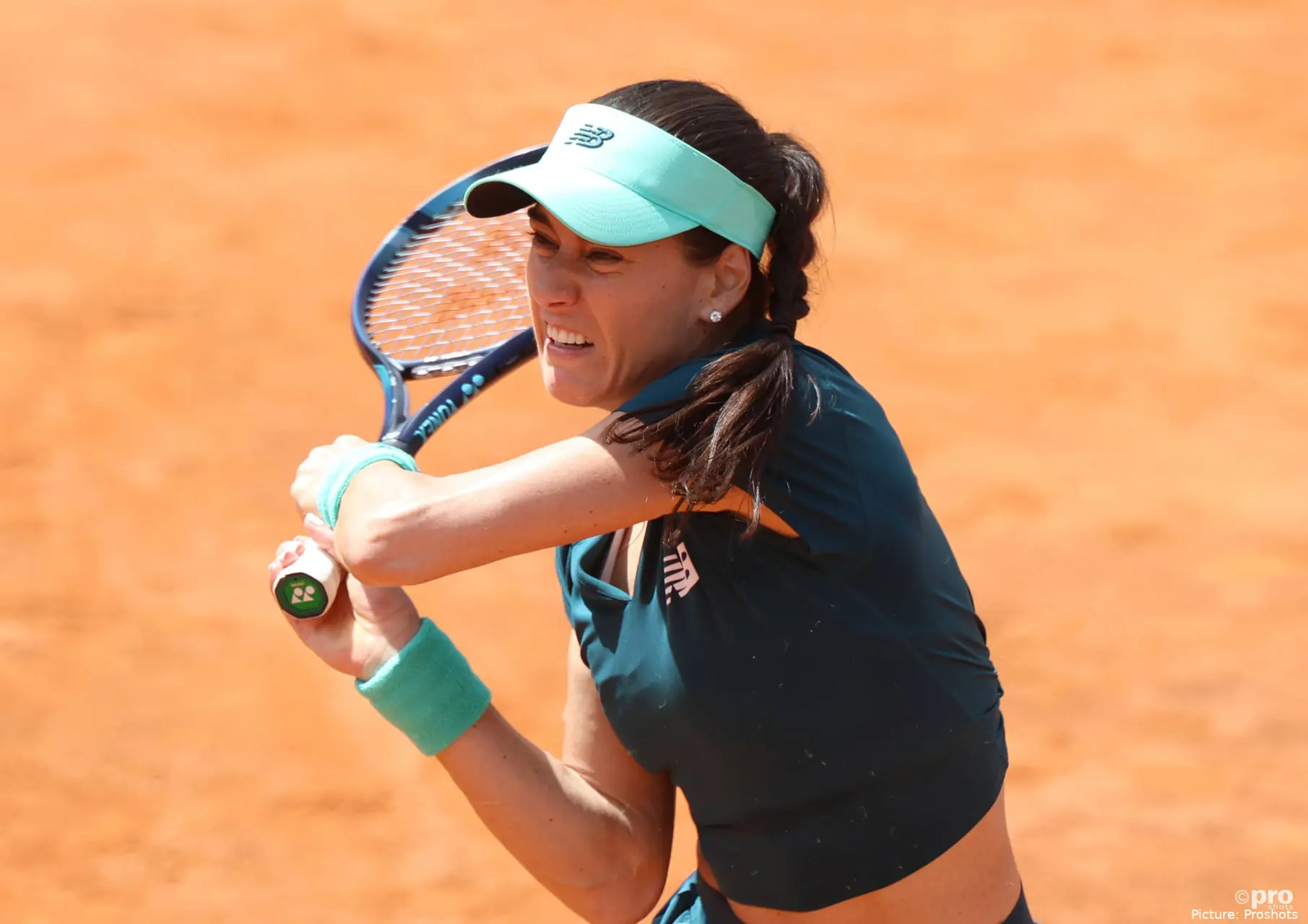
There is something almost cruel about tennis timing. Players spend years searching for rhythm, confidence, health, belief, balance, and perspective. Then, just when everything finally seems to align, the clock starts whispering that it may be time to walk away.
That is what makes the 2026 season of Sorana Cîrstea feel so emotionally complicated for tennis fans. Today, she faces Coco Gauff in the semifinals of the Italian Open in Rome. On paper, it is another big match in a strong season. But it also arrives against the backdrop of Cîrstea having announced that this will be the final year of her professional career.
And honestly? A lot of us are not ready for that. Not because nostalgia clouds reality. Not because fans cannot let go. But because Cîrstea is not fading away. She is not limping toward retirement. She is not hanging around the tour trying to rediscover a level that disappeared years ago.
She is playing some of the best tennis of her life. As of this morning, Cîrstea sits at a live ranking of world No. 21, the highest live ranking of her career. That alone is remarkable for a player who turned professional in another era of tennis entirely. Before Rome even began, she had already earned close to $600,000 in on-court prize money this season. More importantly, she has looked sharp, composed, and genuinely dangerous against elite competition. She has looked more like the best version of herself as a player and as a person than we can easily recall.
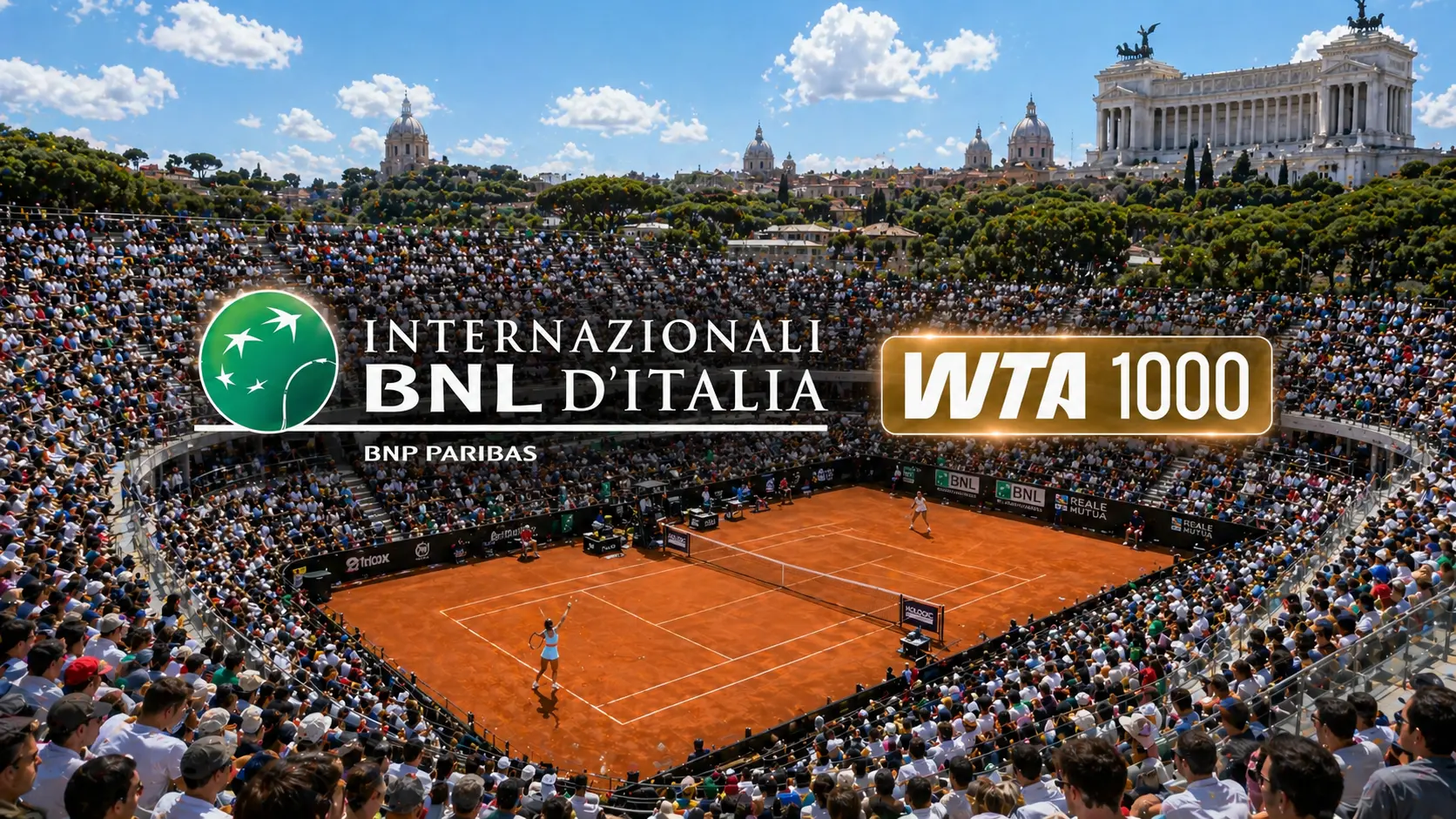
This is not a farewell tour built on memories. It is a real season. A meaningful one. That is why her possible retirement feels different. Tennis has a long history of players staying too long. The sport is brutal physically and psychologically, and many athletes struggle to recognize when the level has slipped. But every so often, a player reaches a late-career phase where experience and emotional clarity suddenly meet opportunity. The game slows down just enough. The pressure changes shape. Results begin coming not from desperation, but from understanding.
Is freedom a part?
Cîrstea seems to be living in that space right now. Maybe the freedom is part of it. Maybe announcing the end allowed her to play without carrying the weight of expectation. Tennis can become lighter when every tournament no longer feels tied to some larger career narrative. There is less panic after losses. Less obsession with protecting ranking points. Less fear.
Oddly enough, sometimes players become more dangerous when they stop trying to prove something. And yet, if there is still even a small competitive fire left, it is hard not to wonder whether this is really the right time to leave.

Cirstea continues to dazzle even with retirement imminent.
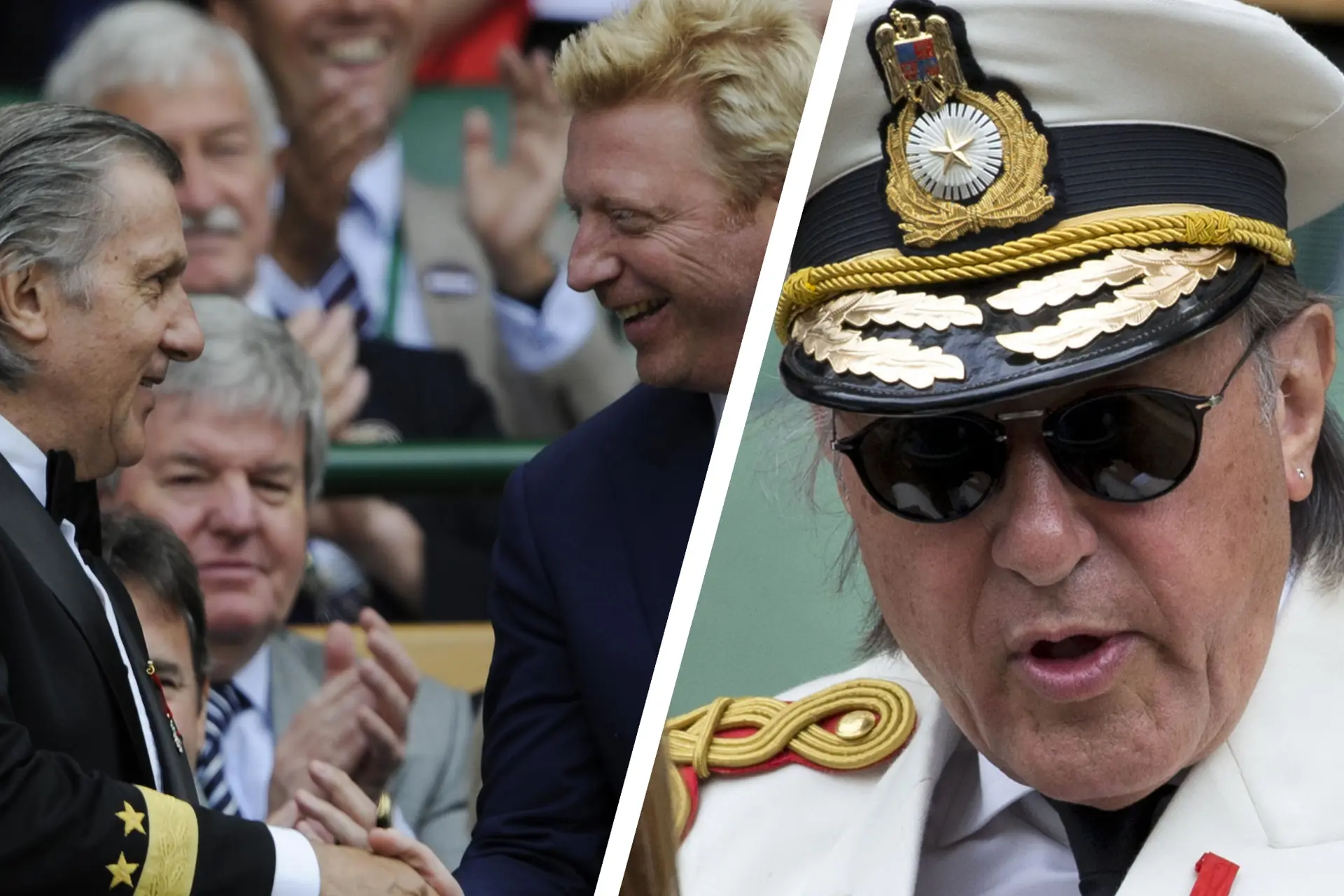
Romanian tennis has produced extraordinary players, from Ion Tiriac (her significant other’s father) to Ilie Năstase to Simona Halep, and Cîrstea deserves her place in that conversation. She has spent years competing in one of the deepest eras in women’s tennis, navigating injuries, coaching changes, inconsistency, and the endless churn that defines life on tour. Careers like hers are not built only on trophies. They are built on resilience. Fans connect with that. There is also something refreshing about the way Cîrstea has carried herself professionally over the years. She has never felt manufactured. Never robotic. In an increasingly polished sports world, her personality and honesty have always come through naturally. That matters more than people sometimes realize.
Read also
Tennis doesn't just need the big names
Tennis does not only need champions. It needs veterans. It needs recognizable figures who give continuity to the sport across generations. Players whom younger fans grow up watching year after year. Players who help connect eras together. And right now, women’s tennis is in one of its healthiest competitive moments in years. Aryna Sabalenka, Iga Świątek, Coco Gauff, and others have helped create a tour with real depth and personality again. Cîrstea still belongs comfortably in that ecosystem.
Of course, only she truly knows what remains emotionally and physically. Tennis players do not retire because fans are sentimental. They retire because eventually the travel, recovery, pressure, and sacrifices stop making sense compared to the life waiting beyond the sport. And if this truly is the end, then Cîrstea deserves enormous appreciation for the career she built. But if there is still uncertainty, if there is still curiosity about what another year could look like, if there is still joy in competing at this level, then many of us would happily watch her keep going. Because careers are supposed to end eventually. But seasons like this do not come around very often.
Aron SolomonGuest Author
A Pulitzer Prize-nominated journalist for his groundbreaking op-ed in The Independent exposing the NFL’s “race-norming” policies, Aron Solomon, JD, is a globally recognized thought leader in law, media, and strategy.
As Chief Strategy Officer for AMPLIFY, he leverages his deep expertise to shape the future of legal marketing. Aron has taught entrepreneurship at McGill University and the University of Pennsylvania and was honored as a Fastcase 50 recipient, recognizing him among the world’s top legal innovators. A prolific commentator on law, business, and culture, his insights regularly appear in Newsweek, The Hill, Crunchbase News, and Literary Hub.
He has also been featured in The New York Times, Fast Company, Fortune, Forbes, CBS News, CNBC, USA Today, ESPN, TechCrunch, BuzzFeed, Venture Beat and countless other leading global media outlets. We are proud to have Aron on board at TennisUpToDate, where his deep tennis expertise enriches the site with sharp, original columns that connect the sport to wider cultural debates.
claps 0visitors 0
Just In

Popular News

Latest Comments
- Lena... Takin' care of business
 mandoist25-10-2026
 - Can you please stop publishing this nonsense? Stick to Tennis.mandoist25-10-2026
- Does Sinner need that 4.5 mil? I doubt it. He can make that with three modelling gigs!😅🤣Rapunzel21-10-2026
- Did "People Magazine" purchase this website? This nonstop storyline is bullshit.mandoist21-10-2026
- Listen... this is of no concern to anyone but these two. Deal with your own issues -- most of us have our own. Thanks, media, for these insignificant follow-ups which are meaningless.mandoist21-10-2026
- This is so very very sad, for all three of them. I truly thought they had an unbreakable bond, but life throws up so many differing challenges. Having your homeland suffering in such a terrible way, makes happiness lose out to guilt as well. Our thoughts are with them. X💔bjsexton20-10-2026
- I have lost all respect for Svitolina! Could she not have waited until he had played at the Paris Masters!!! She is selfish and don't give a damn about Gael. That is NOT how love is demonstrated Elina!!Rapunzel19-10-2026
- Perhaps convenient tennis tour sex is not a strong enough experience in which to base a marriage?mandoist19-10-2026
- Fight the Good Fight... Tennis (sports in general) need more Humans such as yourself.mandoist18-10-2026
- When is WTA going to mandate Genetic Testing (DNA) ???mandoist18-10-2026

Loading