From “I have to win” to “chill, enjoy”: Mirra Andreeva details dramatic mindset shift after Roland Garros
WTA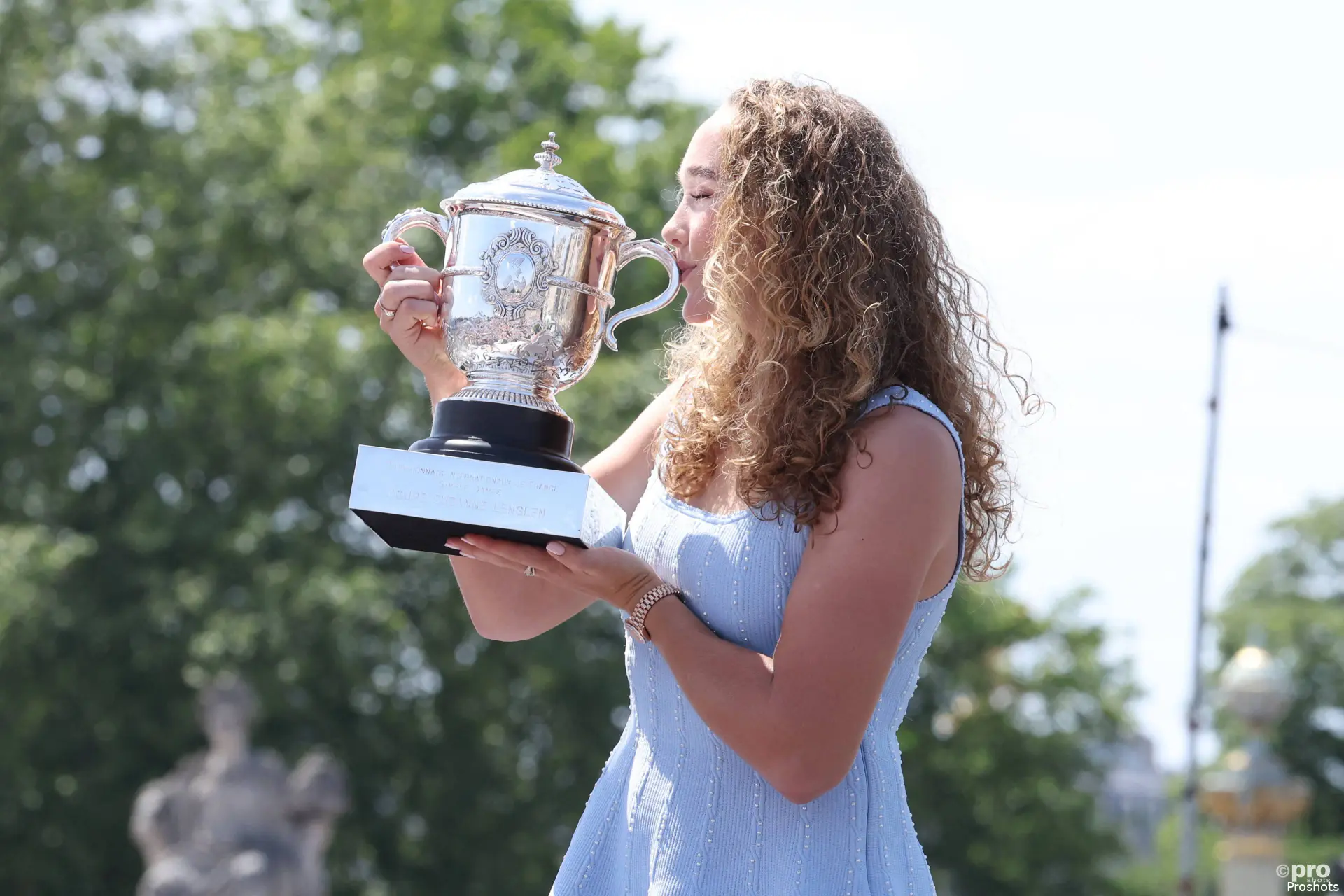
Mirra Andreeva has found an unusual way to handle the pressure of being a Grand Slam champion at the US Open: she is trying to convince herself that Roland Garros was simply another tournament. Rather than carrying the expectations of a major champion into every match, the 19-year-old has deliberately tried to make herself forget what she achieved in Paris.
That change has already taken Andreeva further in New York than ever before. The French Open champion reached her first US Open quarterfinal by coming from behind against Anastasia Potapova, winning 5-7, 6-4, 6-3 in a match that ended in emotional circumstances after her close friend suffered an injury late in the third set.
The result continued a remarkable season for Andreeva, who arrived in New York having never gone beyond the third round. But the deeper story is how she has approached the tournament mentally after admitting that winning her first Grand Slam had created a new kind of pressure.
Instead of believing she has to win every match because she is now a major champion, Andreeva has adopted a much simpler philosophy — one that she believes is allowing her to play more freely.
“Whatever it is, it’s not a Grand Slam”
Andreeva explained that her biggest change has been learning not to demand the same results from herself simply because she won Roland Garros.
“I just kind of feel like maybe I'm more at peace in a way that I'm not as demanding of myself anymore," the world No. 5 said at press conference. "Before, after winning the French Open, I feel like every match that I play, I have to win because I won the biggest tournament of my life.”

That expectation had begun to affect the way she approached matches. Her solution was to mentally separate what happened in Paris from what is happening now in New York. “Now I just approach it, OK, I won, not a Grand Slam, I won just another tournament. Whatever it is, it's not a Grand Slam.”
Andreeva is not pretending the French Open never happened. Instead, she is trying to prevent the achievement from becoming an obligation to reproduce the same level every time she steps onto court.
“I'm just trying to forget that it was a Grand Slam, trying not to think about it, not overthink as well and just kind of let it go easy, not to think about it, chill, enjoy. And that's it. That's how I approach things right now.”
The difference was evident when she found herself in trouble against Potapova. Andreeva admitted she initially felt uncomfortable and frustrated, but rather than allowing the first set to dictate the rest of the match, she changed both her tactics and her mindset.
“At least let's make it hard for her”
Andreeva became more aggressive after losing the opening set, taking greater control of rallies while also trying to disrupt Potapova's rhythm.
But the most important adjustment may have been the way she reframed the possibility of losing. “After the first set, I just really tried to say, OK, whatever happens, I'm just going to at least try to go for my shots.”
Her next thought was even simpler. “I just tried to tell myself that, OK, if she wins, at least let's make it hard for her. At least, you know, if she wins, she's going to remember that this match was a tough win. You know, it was not easy.”
That mentality helped Andreeva become more positive as the match progressed, eventually turning a set deficit into a quarterfinal place.
The change did not happen by accident. Andreeva said a conversation with her psychologist in Cincinnati helped her recognise how demanding she had become with herself since winning Roland Garros. “I was just sharing how I feel, that I feel very stressed, that I feel super demanding of myself, that I cannot seem to let myself go and enjoy as I did before.”
She also explained that the pressure was particularly noticeable before matches and during tight moments, when she felt unable to produce the tennis she knew she had.
“I was very nervous at tight moments and then I couldn't do what I do on the court. So I couldn't play my best, couldn't show my game really.”
Read also
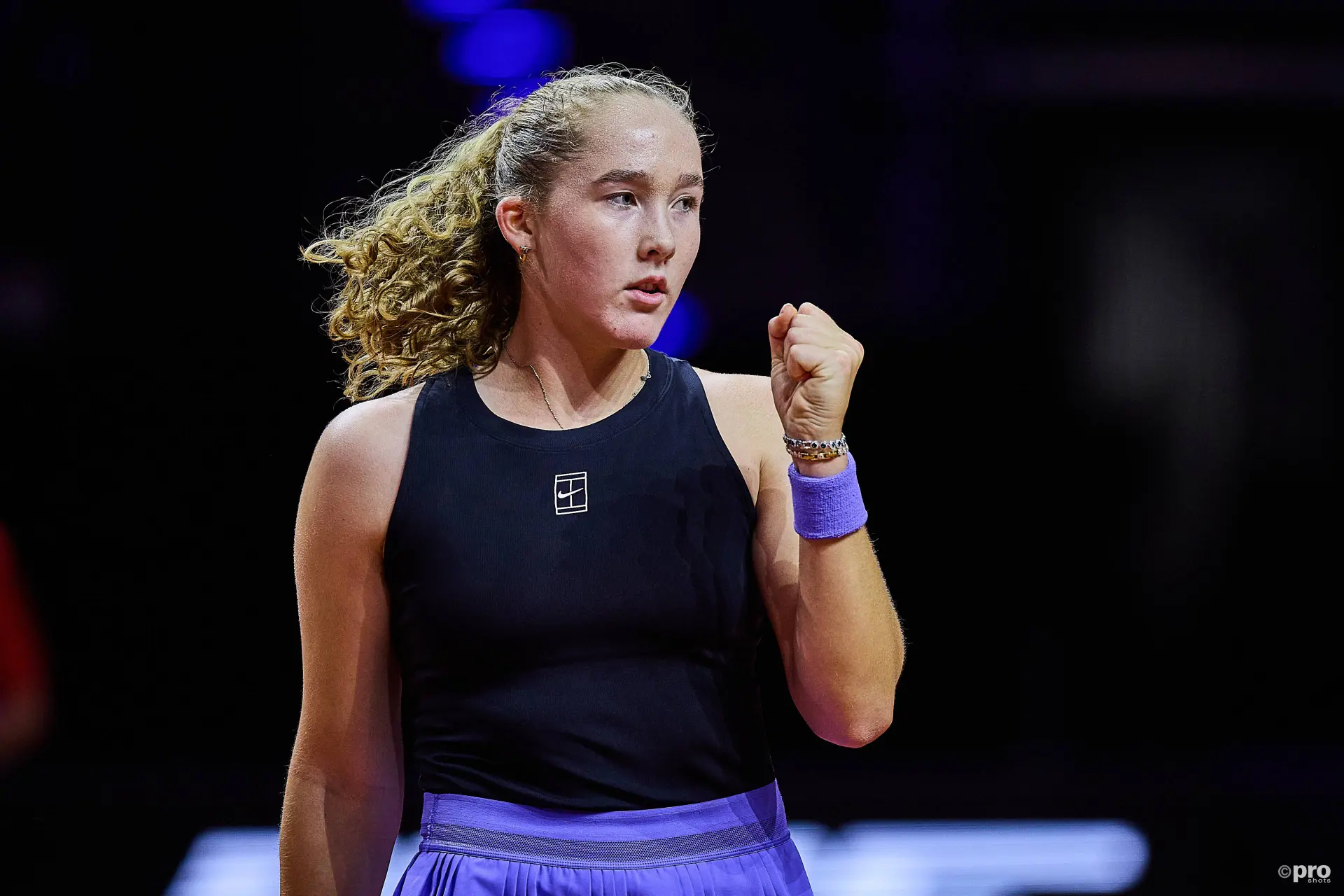
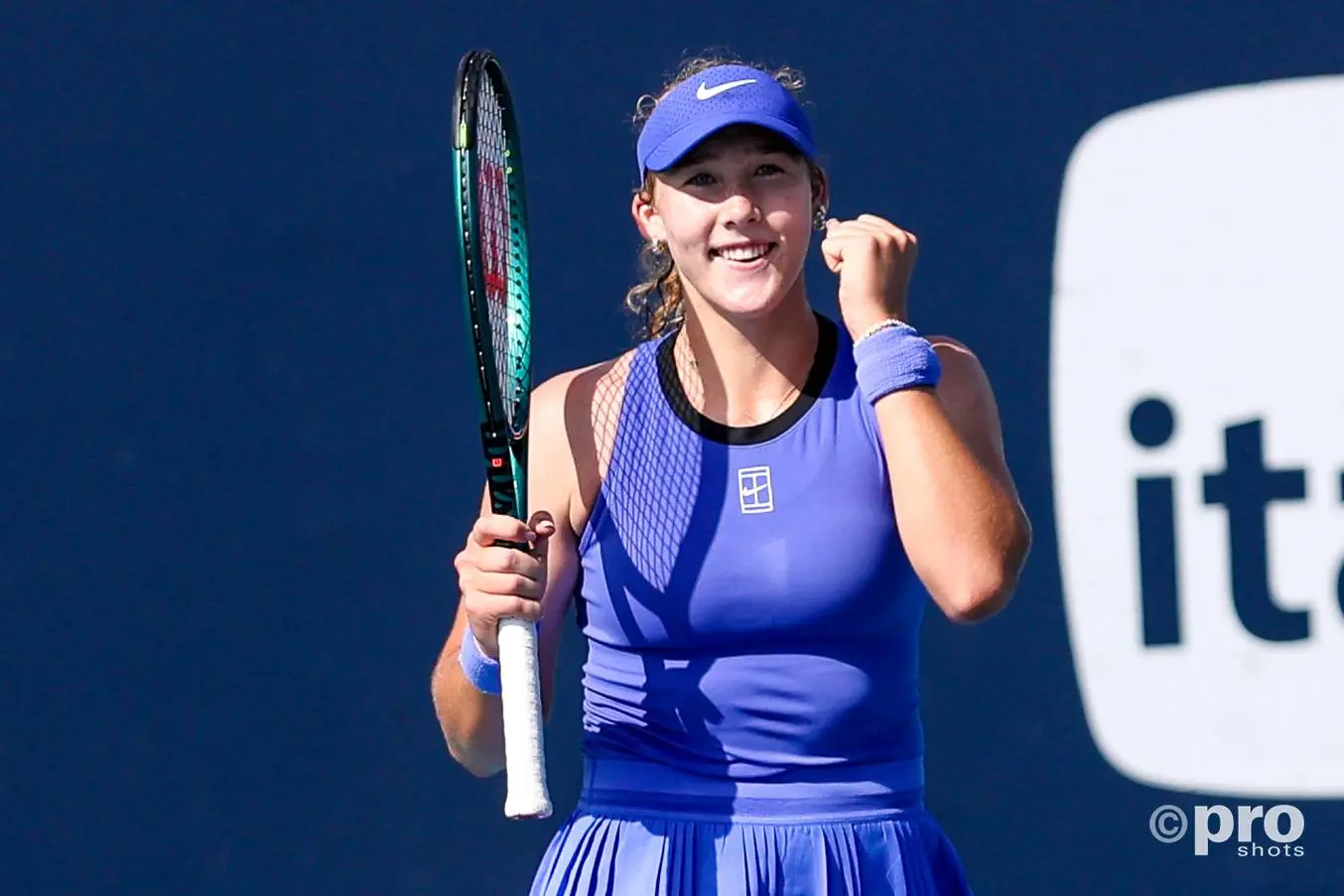
For now, Andreeva appears to have found a way to break that cycle. Her objective is no longer to prove that Roland Garros was the beginning of a new standard she must meet every week. She simply wants to treat the US Open as another tournament, trust the people around her and, in her own words, “chill, enjoy.”
That approach has already taken her into the second week in New York for the first time. Whatever happens next, Andreeva is discovering that sometimes playing like a Grand Slam champion starts with forgetting that you are one.

Cristhián AvilaTennis Journalist
Cristhián Ávila is a tennis journalist based in Santiago, Chile, and has been part of the TennisUpToDate team since early 2023. He covers the ATP and WTA Tours as well as all four Grand Slams, producing breaking news, match reports, analysis, and regular liveblogs from major tournaments.
His reporting combines statistical analysis with clear explanation, helping readers understand tactical developments, player form, and broader storylines across the tour. Working fluently in both Spanish and English, Cristhián collaborates with an international editorial team and contributes to comprehensive global coverage. As part of his work, he has conducted interviews and media interactions with leading figures in the sport, including Caroline Wozniacki and John McEnroe.
In his journalism, Cristhián places strong emphasis on careful sourcing, editorial accuracy, and updating articles promptly when new, verified information becomes available. His coverage is grounded in research, context, and direct engagement with professional tennis.
claps 0visitors 0
Just In

Popular News

Latest Comments
- I have lost all respect for Svitolina! Could she not have waited until he had played at the Paris Masters!!! She is selfish and don't give a damn about Gael. That is NOT how love is demonstrated Elina!!Rapunzel19-10-2026
- Perhaps convenient tennis tour sex is not a strong enough experience in which to base a marriage?
 mandoist19-10-2026
 - Fight the Good Fight... Tennis (sports in general) need more Humans such as yourself.mandoist18-10-2026
- When is WTA going to mandate Genetic Testing (DNA) ???mandoist18-10-2026
- Hey, Dan... you just wake up from a coma? Regardless -- Thanks for the comedy this morning!mandoist18-10-2026
- Two Things: 1. Stop allowing these Spoiled Trust-Fund Elitists to behave badly. Your little hand-slaps do not deter them. 2. STOP the incessantly annoying "towel wiping" nonsense!!!!mandoist15-10-2026
- A healthy Qinwen may be hard to stop next season. She was already scaring her opponents before her medical leave(s). Unfortunately, Zheng insisted on singing again. On the positive side -- Mirra did not sing!! ;~}mandoist11-10-2026
- Where is it written that athletes, entertainers... People in general... are mandated to keep looking at -- or even using [anti]Social Media? Public & private figures consistently complain and reveal their concerns about negativity and violence thrown at them -- yet they insist on participating. Avoid it, don't use it, don't read it. It's okay to occasionally look up at the World instead beating your eyes & thumbs to death on The Inventions out there.mandoist11-10-2026
- great articlestennisseserver07-10-2026
- Medvedev was leading Djokovic 7-5, 3-5 when an attempted return..' NO you ignorants, Djokovic was leading .weiss05-10-2026

Loading