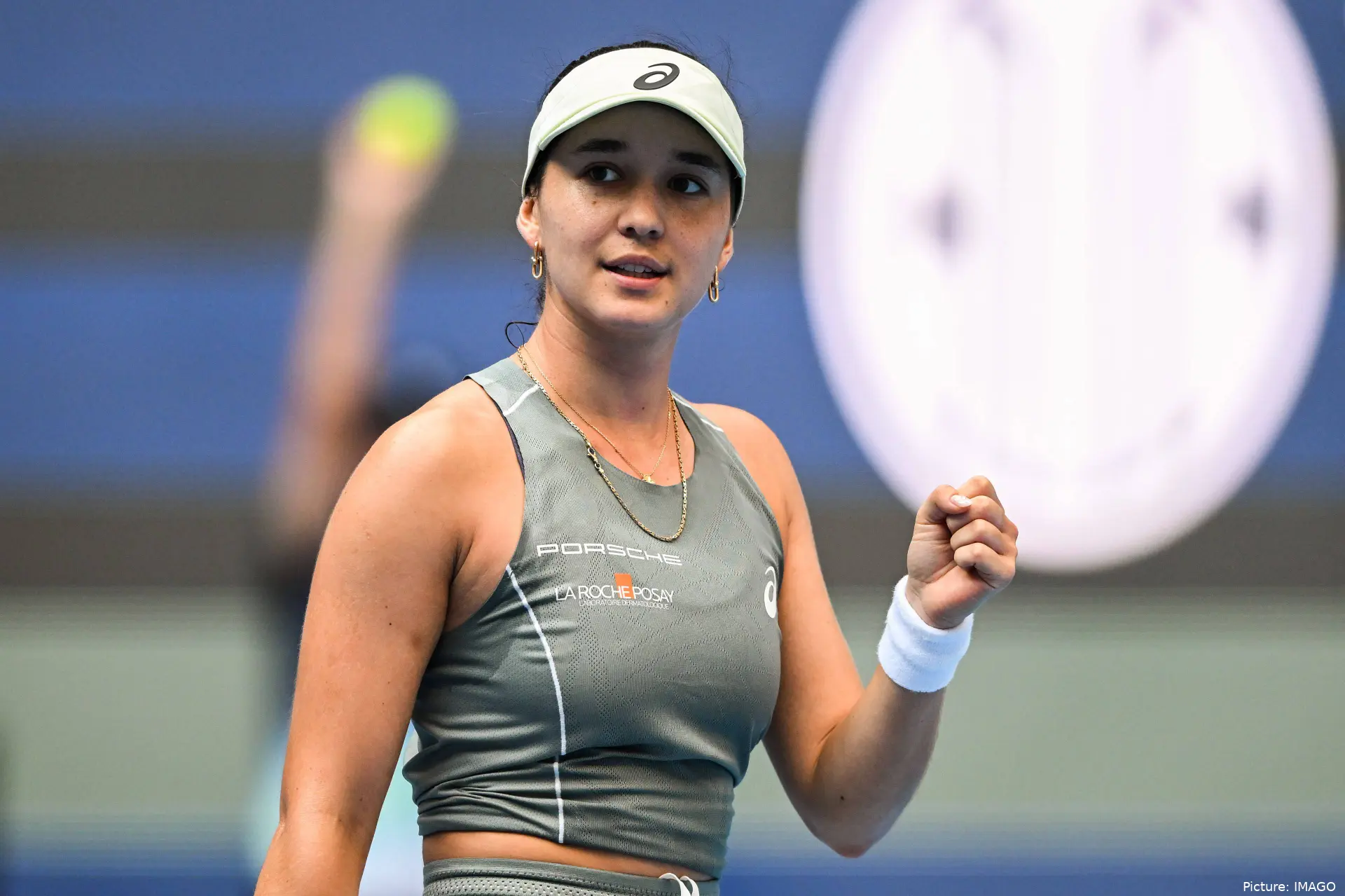
Eva Lys delivered a candid assessment of life on and off the WTA Tour during a recent Tennis Channel appearance, addressing topics that extended beyond results and rankings. The German, currently ranked World No. 80, said “no one knows anything about tennis players,” as she spoke about public perception, dating culture and confidence during a difficult 2026 season.
The 24-year-old has struggled for continuity after suffering a knee injury earlier this year at the United Cup, a setback that disrupted her schedule and contributed to a ranking drop. With limited match play and a 1–3 record since January, Lys is attempting to rebuild momentum while managing what she described as moments of “imposter syndrome” during periods of uncertainty.
A central theme of her comments was the gap between perception and reality in tennis. Lys argued that players are often defined solely by results, insisting they need to “let it rip” and show more personality in a sport that has traditionally favoured controlled messaging.
Her reflections also highlighted the mental side of competition, particularly during periods shaped by injury and inconsistency. While rankings remain the primary metric on the WTA Tour, Lys emphasised the importance of confidence, adding that “vibes don’t lie” when assessing form and momentum.
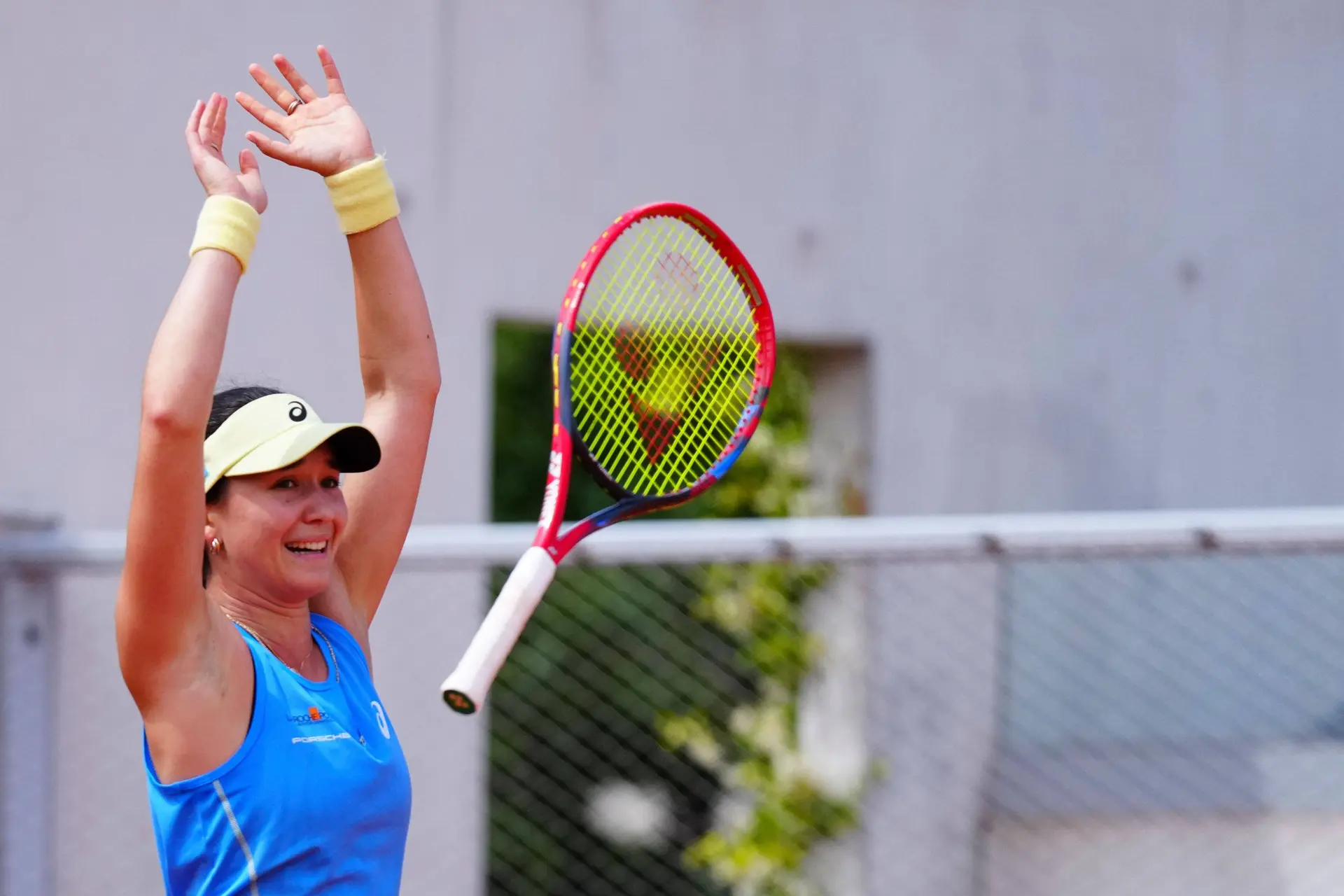
Injury disruption and ranking impact define early season
Lys’ season was disrupted at the United Cup in Sydney, where she suffered a right knee hyperextension during a three-set win over Suzan Lamens. The injury occurred while chasing a backhand, with her knee extending awkwardly on contact.
The impact was immediate. Since that match, Lys holds a 1–3 record, including a first-round loss at the Australian Open to Sorana Cirstea and a recent defeat at the Miami Open against Yuliia Starodubtseva. Limited appearances have prevented her from building momentum.
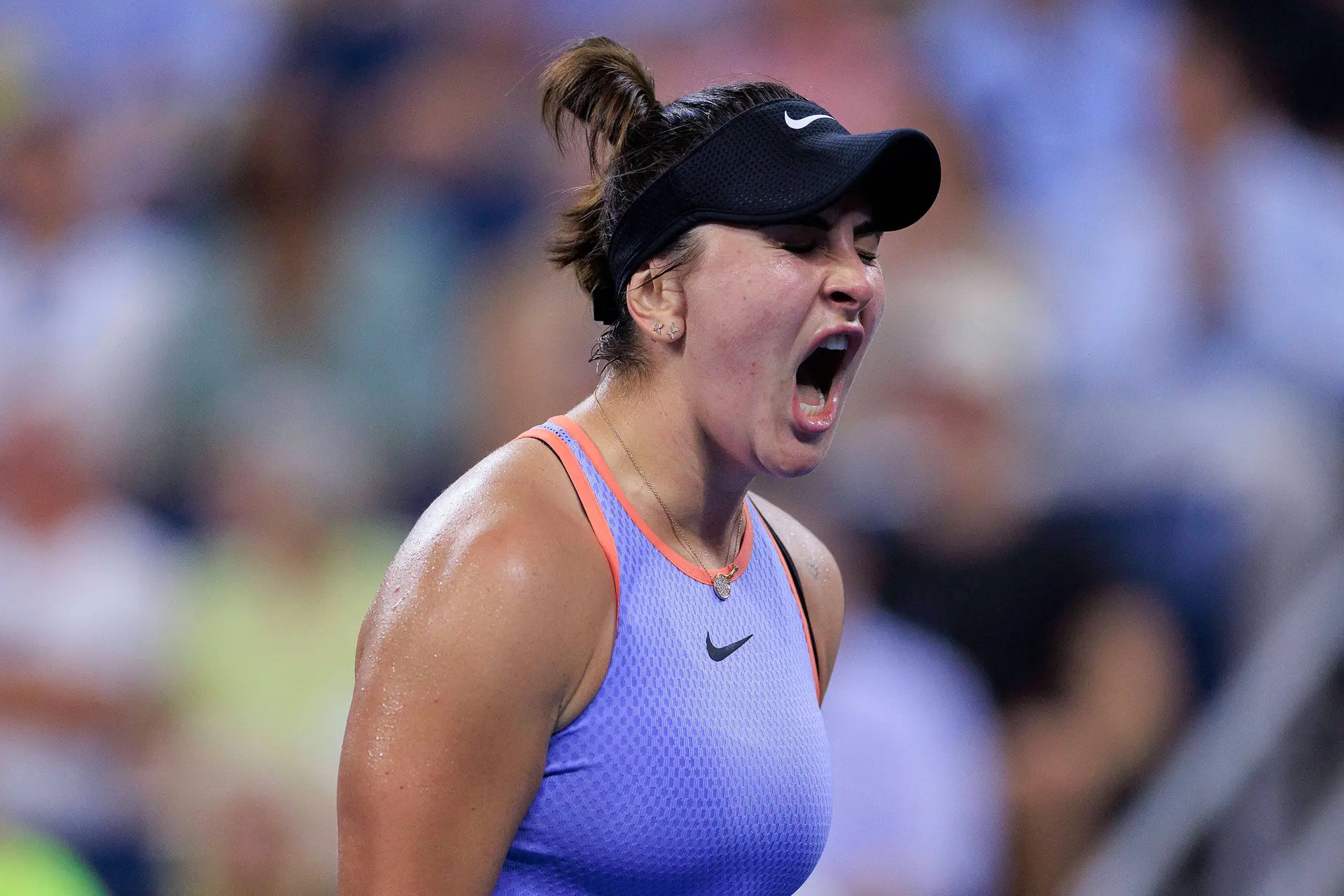
That stretch has contributed to a drop to World No. 80, reflecting both inactivity and early exits. For players outside the top tier, ranking stability depends heavily on consistent participation. She also addressed one of tennis’ most debated habits, offering a direct explanation. “Tennis players grunt because we are trying to hit the ball as fast as possible. Why do you hear people in a gym grunt when it’s getting tough? That’s why we do it.”
Direct views on relationships, identity and mental approach
Away from competition, Lys spoke openly about relationships and emotional awareness, framing them in practical terms rather than abstract ideas. “A green flag is feeling safe and secure, and a red flag is having anxiety. Whenever you have anxiety in a relationship, situationship, whatever you want to call it these days, it’s a really big red flag, because I feel like dating should be there to enjoy.”
Her broader outlook rejects unnecessary pressure, both in sport and daily life, reinforcing a preference for balance over intensity. “A hill I’m willing to die on is that people should take themselves less seriously, because a lot of people have a stick up their ass. They should really just relax.”
She also acknowledged the mental challenges that accompany fluctuations in form and results, particularly in periods of uncertainty. “You are worthy of everything that’s coming your way, and good things are coming. Whatever good thing happens to you, you deserve it. Don’t get the imposter syndrome, because I do get it sometimes.”

Clay return in Charleston offers opportunity to reset
Lys is expected to return during the clay swing at the Charleston Open, where the draw includes eight Top 20 players, led by Jessica Pegula and Amanda Anisimova. The event will serve as an early test following her injury-affected start to the season.
Clay may offer a more controlled environment for her return. The slower surface reduces pace and allows for longer exchanges, which can help players regain rhythm after physical setbacks.
She also highlighted the demands of certain matchups on tour, pointing to repeated battles with Jacqueline Cristian as an example of physical and tactical intensity. “I’ve played Jacqueline Cristian three or four times — always three sets, always like two or three hours. If we have a draw and we play each other, we’re not going to be happy. So that’s really tough.”
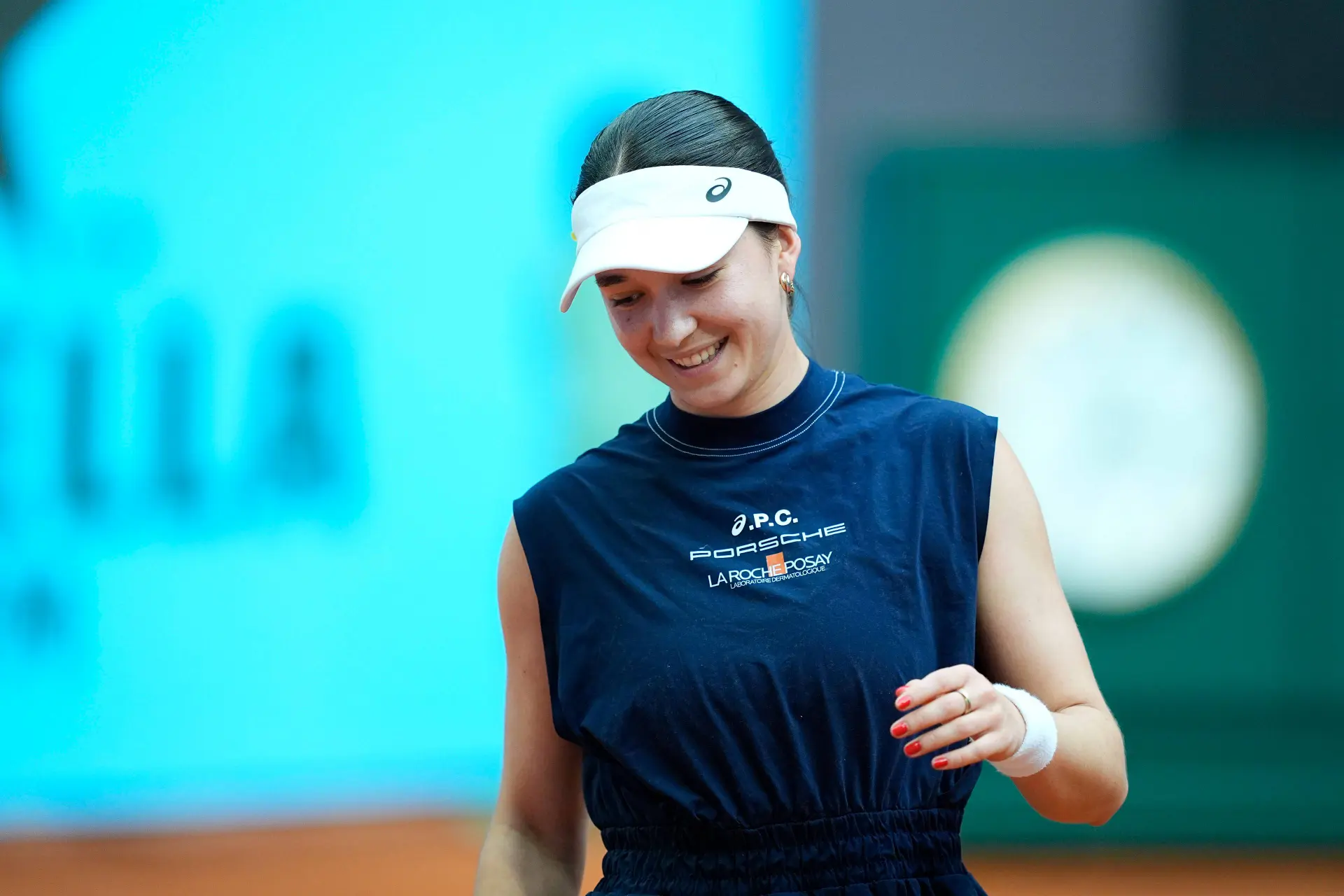

Cristhián AvilaTennis Journalist
Cristhián Ávila is a tennis journalist based in Santiago, Chile, and has been part of the TennisUpToDate team since early 2023. He covers the ATP and WTA Tours as well as all four Grand Slams, producing breaking news, match reports, analysis, and regular liveblogs from major tournaments.
His reporting combines statistical analysis with clear explanation, helping readers understand tactical developments, player form, and broader storylines across the tour. Working fluently in both Spanish and English, Cristhián collaborates with an international editorial team and contributes to comprehensive global coverage. As part of his work, he has conducted interviews and media interactions with leading figures in the sport, including Caroline Wozniacki and John McEnroe.
In his journalism, Cristhián places strong emphasis on careful sourcing, editorial accuracy, and updating articles promptly when new, verified information becomes available. His coverage is grounded in research, context, and direct engagement with professional tennis.
claps 0visitors 0
Just In


Popular News

Latest Comments
- Fight the Good Fight... Tennis (sports in general) need more Humans such as yourself.
 mandoist18-10-2026
 - When is WTA going to mandate Genetic Testing (DNA) ???mandoist18-10-2026
- Hey, Dan... you just wake up from a coma? Regardless -- Thanks for the comedy this morning!mandoist18-10-2026
- Two Things: 1. Stop allowing these Spoiled Trust-Fund Elitists to behave badly. Your little hand-slaps do not deter them. 2. STOP the incessantly annoying "towel wiping" nonsense!!!!mandoist15-10-2026
- A healthy Qinwen may be hard to stop next season. She was already scaring her opponents before her medical leave(s). Unfortunately, Zheng insisted on singing again. On the positive side -- Mirra did not sing!! ;~}mandoist11-10-2026
- Where is it written that athletes, entertainers... People in general... are mandated to keep looking at -- or even using [anti]Social Media? Public & private figures consistently complain and reveal their concerns about negativity and violence thrown at them -- yet they insist on participating. Avoid it, don't use it, don't read it. It's okay to occasionally look up at the World instead beating your eyes & thumbs to death on The Inventions out there.mandoist11-10-2026
- great articlestennisseserver07-10-2026
- Medvedev was leading Djokovic 7-5, 3-5 when an attempted return..' NO you ignorants, Djokovic was leading .weiss05-10-2026
- No more bullshit "Wildcards" to these two. Qualify like everyone else -- there will be cameras there, too. Time to scream... WTF ????!!!!mandoist29-09-2026
- Let's not BS the general public -- Sabalenka started showing cracks in her game last season. Her losses and near-losses started at about the same time she began being distracted by Fame (constant Selfies, making TV commercials, magazine shoots, endless Social Media nonsense, etc., etc.) One would think even Saba could recognize the parallels with others who failed before her -- Raducanu, Giorgi, Bouchard to name a few.mandoist25-09-2026

Loading