
Former world No. 1 Karolina Pliskova is preparing for a return that feels markedly different from any previous comeback attempt in her career. At 33, the former Wimbledon runner-up is no longer driven by rankings or titles, but by a far more basic question: whether her body will allow her to compete again without pain. After nearly two years defined by injuries, surgeries, and failed restarts, her upcoming trip to Australia represents cautious hope rather than expectation.
The Czech star has played just three WTA matches since September 2024, an extraordinary statistic for a player who once built her career on consistency. Her prolonged absence stems from a serious left ankle injury sustained at the US Open last year against Jasmine Paolini, an incident that forced surgery and derailed her season completely. A second operation in May only deepened the uncertainty surrounding her future on tour.
During her first attempt to return last autumn, Pliskova admitted she pushed herself too quickly. Competing at smaller tournaments in Portugal and Turkey, she struggled physically and mentally, failing to find rhythm or relief. “Is it worth it?” she recalled in an interview with Sport CZ. “I was already thinking that I might not return to Grand Slams. Everything hurt — my leg, my back, my arm. I questioned whether continuing even made sense.”
That moment of doubt ultimately led to a reset. Instead of forcing another rushed comeback, Pliskova stepped away, restructured her training, and allowed herself time — something she had rarely done throughout her career. “I gave myself space and distance and started training differently,” she explained. “That’s why I told myself I still wanted to try again at the beginning of this year.”
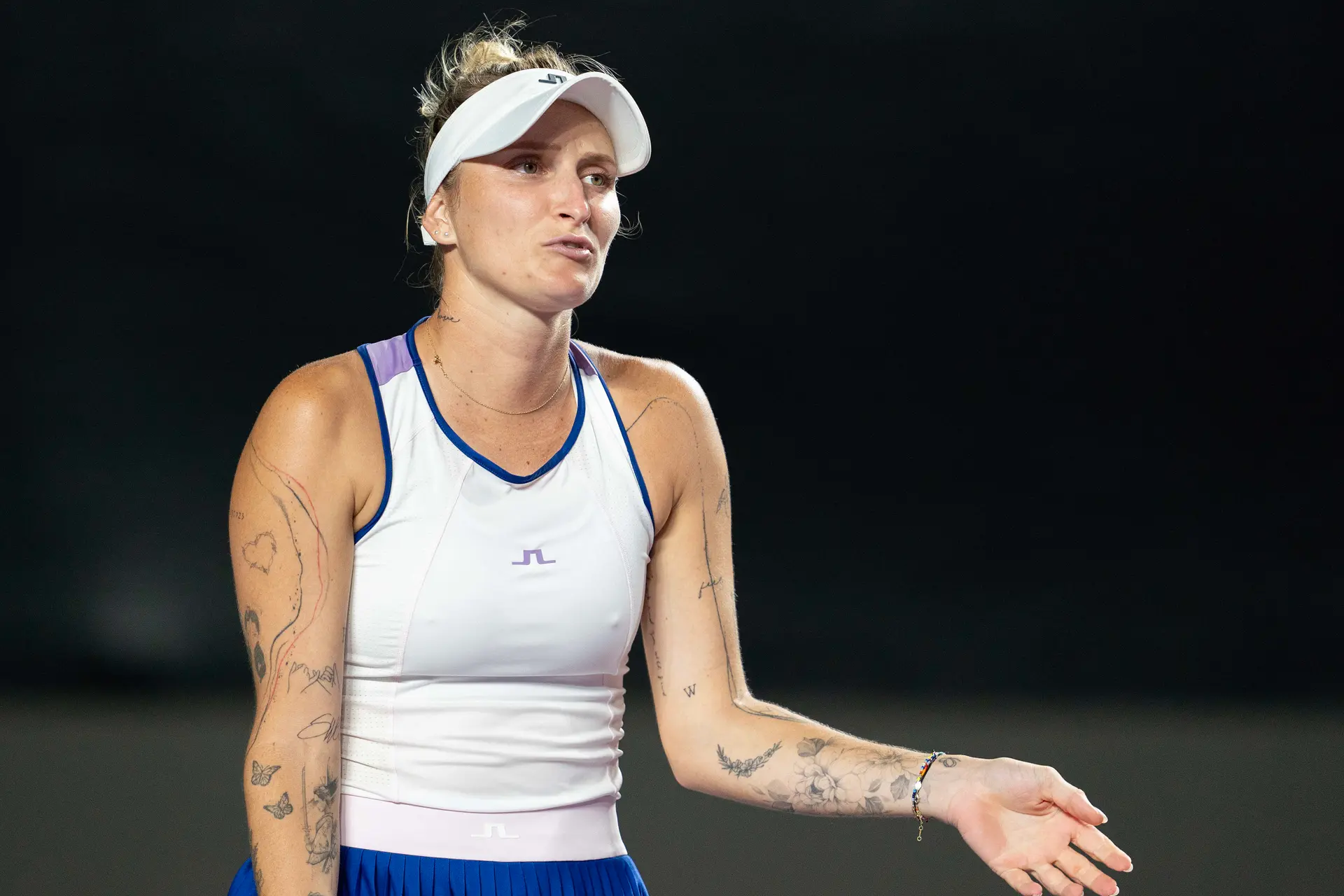
Australia approached with caution, not expectation
Australia now marks a symbolic restart, even if Pliskova is careful to downplay its importance. She missed the entire Australian swing last year, and the absence still resonates. “I’m even more motivated because I wasn’t in Australia last year,” she said. “I don’t think I’ll go back there after my career ends, but I don’t have big expectations.” It is a measured outlook that contrasts sharply with her mindset during her peak years.
Her honesty extends to acknowledging past mistakes. “I started too early in the autumn,” Pliskova admitted. “My leg wasn’t ready, nor was my body. My back also took its toll very quickly.” This time, the approach has been slower and more deliberate. She spent all of December training without major physical issues, a small but meaningful milestone after months of recurring pain.
Still, she refuses to romanticise the process. “Matches are another thing, and I miss them a lot,” she said. “I don’t want to get my hopes up. We’ll see what my body does. But I think I’m ready.” For Pliskova, readiness no longer means contending for titles, but simply being able to withstand the physical demands of professional tennis again.
Read also

Redefining success after years at the top
Encouragement has come quietly through practice rather than results. Pliskova tested herself against a range of opponents, including Ekaterina Alexandrova, Mia Pohankova, Nikola Bartunkova, and Katerina Siniakova. “Almost all the sparring sessions went well, which was a pleasant surprise,” she said. “Normally I used to lose sparrings, but this time it wasn’t so bad.”
The contrast with her previous comeback attempt is stark. “When I came back in autumn, I played everything like a madwoman, without winning a single set,” Pliskova admitted. “So now I feel better with this comparison.” While practice sessions offer no guarantees, they have at least restored a sense of competitiveness she feared she had lost.
Read also
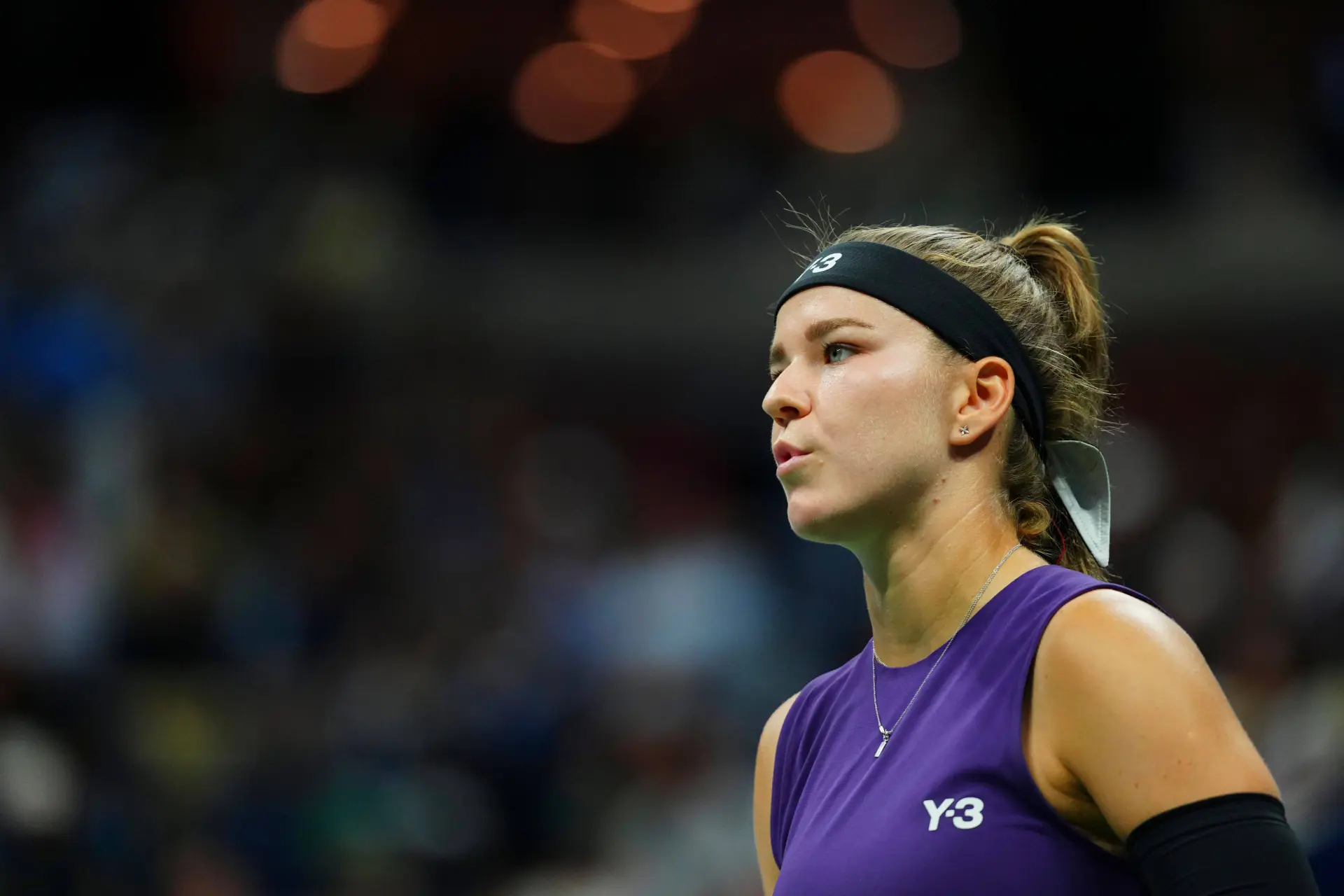
Her goals, however, remain deliberately modest. “Now I have very small objectives,” she explained. “I don’t want to say I’m going to participate or set expectations. I don’t want to put pressure on myself.” For now, success is defined simply. “Playing without pain and finishing matches will be enough.”
That shift has not been easy for someone who spent over a decade inside the Top 30. “Once you’ve been at the top, it’s difficult to set the goal of winning just one round,” Pliskova admitted. Yet she understands the reality of her situation. “I want to be cautious. I know how hard it is to recover after an injury like this.”
Ultimately, her priority is clarity rather than ambition. “I don’t want to worry about anything,” she said. “If I’m not physically okay, it doesn’t make sense for me. I only want to play if I can do it without pain and actually enjoy it.” Whether this return leads to one final chapter or a quiet farewell remains unknown — but for Karolina Pliskova, listening to her body now matters more than any result.

Cristhián AvilaTennis Journalist
Cristhián Ávila is a tennis journalist based in Santiago, Chile, and has been part of the TennisUpToDate team since early 2023. He covers the ATP and WTA Tours as well as all four Grand Slams, producing breaking news, match reports, analysis, and regular liveblogs from major tournaments.
His reporting combines statistical analysis with clear explanation, helping readers understand tactical developments, player form, and broader storylines across the tour. Working fluently in both Spanish and English, Cristhián collaborates with an international editorial team and contributes to comprehensive global coverage. As part of his work, he has conducted interviews and media interactions with leading figures in the sport, including Caroline Wozniacki and John McEnroe.
In his journalism, Cristhián places strong emphasis on careful sourcing, editorial accuracy, and updating articles promptly when new, verified information becomes available. His coverage is grounded in research, context, and direct engagement with professional tennis.
claps 0visitors 0
Just In

Popular News
Latest Comments
- A healthy Qinwen may be hard to stop next season. She was already scaring her opponents before her medical leave(s). Unfortunately, Zheng insisted on singing again. On the positive side -- Mirra did not sing!! ;~}
 mandoist11-10-2026
 - Where is it written that athletes, entertainers... People in general... are mandated to keep looking at -- or even using [anti]Social Media? Public & private figures consistently complain and reveal their concerns about negativity and violence thrown at them -- yet they insist on participating. Avoid it, don't use it, don't read it. It's okay to occasionally look up at the World instead beating your eyes & thumbs to death on The Inventions out there.mandoist11-10-2026
- great articlestennisseserver07-10-2026
- Medvedev was leading Djokovic 7-5, 3-5 when an attempted return..' NO you ignorants, Djokovic was leading .weiss05-10-2026
- No more bullshit "Wildcards" to these two. Qualify like everyone else -- there will be cameras there, too. Time to scream... WTF ????!!!!mandoist29-09-2026
- Let's not BS the general public -- Sabalenka started showing cracks in her game last season. Her losses and near-losses started at about the same time she began being distracted by Fame (constant Selfies, making TV commercials, magazine shoots, endless Social Media nonsense, etc., etc.) One would think even Saba could recognize the parallels with others who failed before her -- Raducanu, Giorgi, Bouchard to name a few.mandoist25-09-2026
- Gross!! Hey Raducanu, Giorgi, and Bouchard -- reserve a seat at your Social Media Selfie table for Saba + Naomi. They're heading in your direction soon enough.mandoist24-09-2026
- And then these same players will complain about how lengthy their season’s were and need more time-off. I’m all for more tennis but the amount of tennis we get now is actually kind of crazy! We all need a break, especially the players.DaveyWavey23-09-2026
- You should do a comparison article for "different kinds of justice" the courts decide for tennis players. I can think of at least three players who received very small bans of a few months, however Tara Moore has been fighting for her literal survival the past few years. It seems odd considering she is not a "name" player, unlike the other cases.DaveyWavey22-09-2026
- PRIZE MONEY & POINTS Winner - $185,500 Finalist - $114,500 Semi-Finalist - $66,003 Quarter-Finalist - $35,000 Round of 16 - $18,045 Round of 32 - $13,005 Winner - 500 Finalist - 325 Semi-Finalist - 195 Quarter-Finalist - 108 Round of 16 - 60 Round of 32 - 1DaveyWavey20-09-2026

Loading