“I don’t have to play perfect tennis”: Iva Jovic explains mindset behind Charleston semifinal run
WTA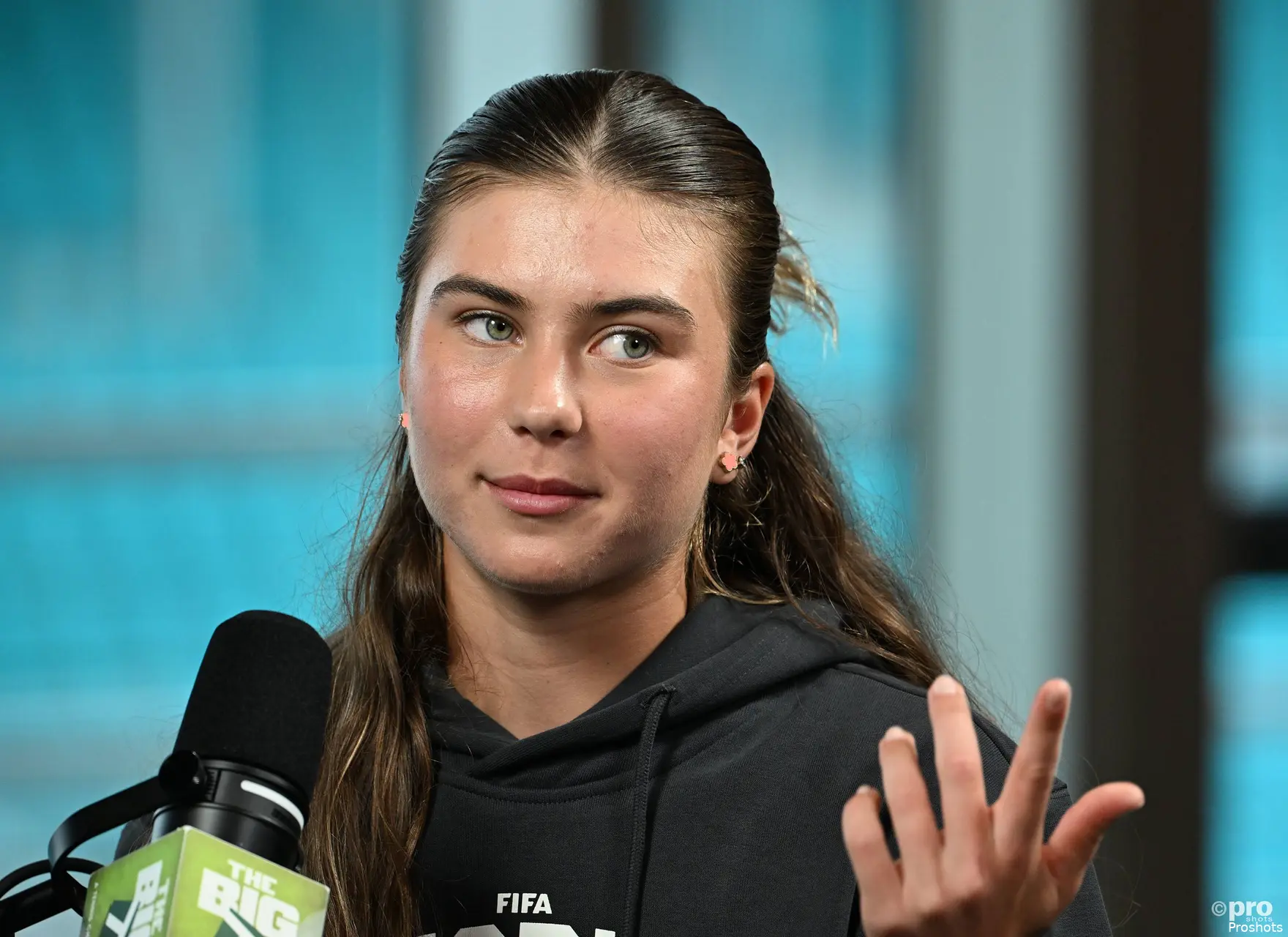
Iva Jovic continued her steady rise on the WTA Tour by reaching the semifinals of the Charleston Open, backing up a strong 2026 campaign with another composed performance on clay. The 18-year-old American, currently ranked World No. 16, has now positioned herself on the brink of a Top 15 debut, underlining her rapid progression across surfaces this season.
Her route in Charleston has been particularly convincing. Jovic defeated Alycia Parks, Sofia Kenin and Anna Kalinskaya in straight sets, navigating three distinct match patterns without dropping a set. The Kalinskaya win, in particular, required composure against one of the tour’s cleanest ball strikers, reinforcing Jovic’s ability to manage rhythm disruptions on clay.
This run adds to a consistent start to the year. Jovic holds an 18–7 record in 2026, highlighted by a quarterfinal at the Australian Open, a semifinal at the ASB Classic and a runner-up finish in Hobart. At 18, she remains the youngest player inside the Top 100, but her results increasingly reflect a player already operating with established tour-level clarity.
Her next test comes against top seed and defending champion Jessica Pegula, in what will be an all-American semifinal. It presents both a stylistic challenge and a benchmark moment, with Jovic facing one of the most consistent returners on tour while attempting to translate her current form into a first WTA 500 final on clay.
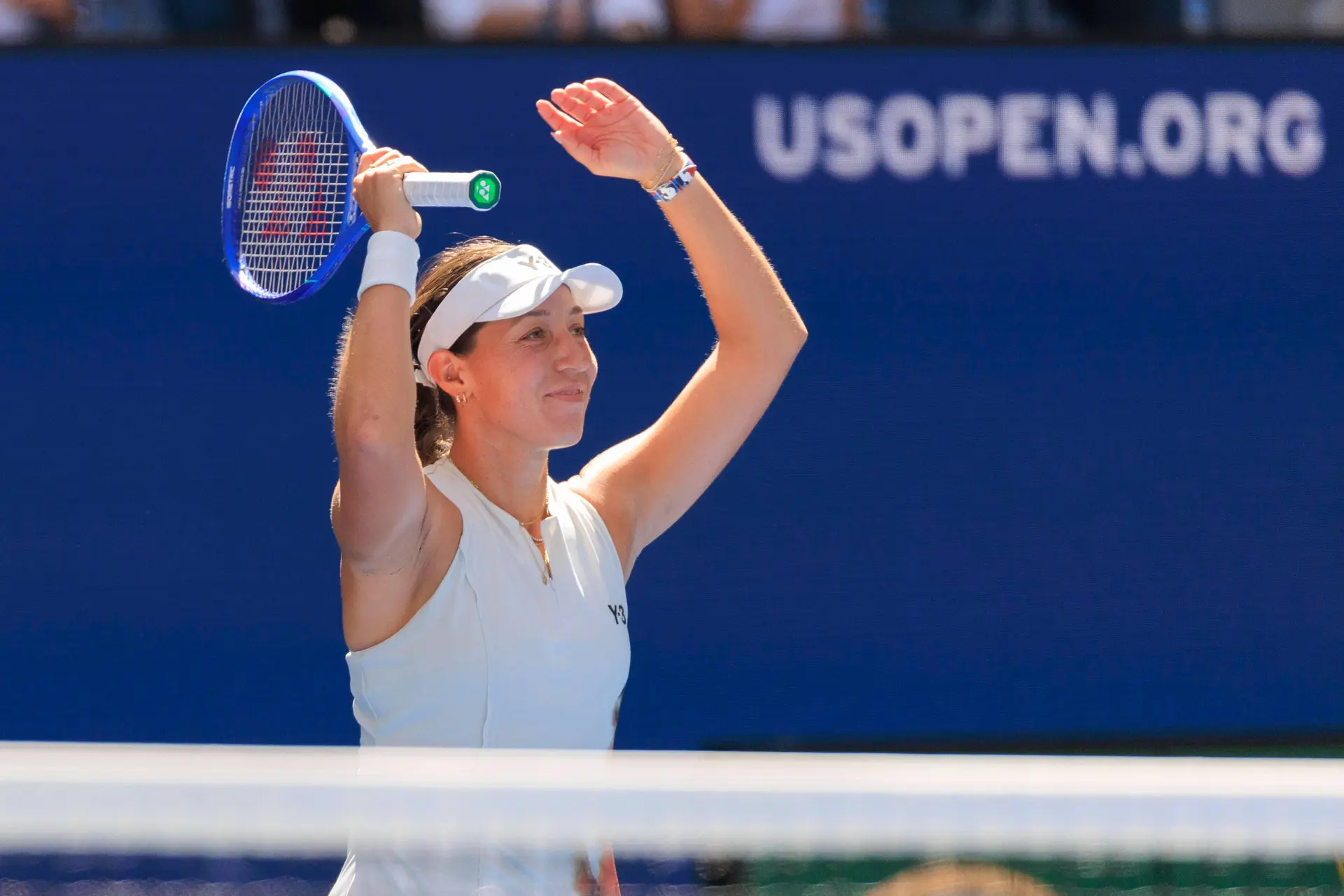
Process over perfection defines Jovic’s approach
Jovic framed her latest win less in terms of execution and more around decision-making under pressure. In a match she described as “tricky” and lacking rhythm, her focus shifted away from clean ball striking and towards match management, particularly against an opponent capable of producing high-risk winners in short bursts.
Rather than chasing peak level, she prioritised progression through the draw. The emphasis on staying present and avoiding overcorrection has become a defining element of her recent performances, particularly on a surface that rewards patience and point construction.
“I felt the ball okay. It could have been better, it could have been worse, but I just thought all I have to do is win this match today. I don’t have to play perfect tennis, I just have to get through this one today and give myself another chance tomorrow. So just try to focus on one point at a time and not perfection.”
That clarity has translated into stability across her Charleston matches. Even in passages where rallies became fragmented or conditions disrupted timing, Jovic maintained a consistent baseline level, avoiding extended lapses. The ability to absorb momentum swings without forcing outcomes has been central to her straight-sets progression into the semifinals.

Clay adaptation and preparation behind the run
The transition from Miami’s hard courts to Charleston’s green clay typically presents adjustment challenges, particularly in movement patterns and point construction. Jovic addressed this by increasing her volume of movement drills in a condensed period, focusing specifically on directional changes and sliding mechanics.
Her preparation was not limited to the immediate turnaround. She pointed to prior work during the off-season, including a clay training block before the Australian swing, as part of a broader effort to build long-term comfort on the surface.
“It’s been a quick turnaround, but I’ve put in a lot of volume of movement drills on the clay in that short period of time, so that’s helped me. Usually during off-season, I always do a stint on the clay. A couple of months ago, right before Australia, I was on the clay as well, trying to get more comfortable on it.”

Cristhián AvilaTennis Journalist
Cristhián Ávila is a tennis journalist based in Santiago, Chile, and has been part of the TennisUpToDate team since early 2023. He covers the ATP and WTA Tours as well as all four Grand Slams, producing breaking news, match reports, analysis, and regular liveblogs from major tournaments.
His reporting combines statistical analysis with clear explanation, helping readers understand tactical developments, player form, and broader storylines across the tour. Working fluently in both Spanish and English, Cristhián collaborates with an international editorial team and contributes to comprehensive global coverage. As part of his work, he has conducted interviews and media interactions with leading figures in the sport, including Caroline Wozniacki and John McEnroe.
In his journalism, Cristhián places strong emphasis on careful sourcing, editorial accuracy, and updating articles promptly when new, verified information becomes available. His coverage is grounded in research, context, and direct engagement with professional tennis.
claps 0visitors 0
Just In



Popular News

Latest Comments
- Lena... Takin' care of business
 mandoist25-10-2026
 - Can you please stop publishing this nonsense? Stick to Tennis.mandoist25-10-2026
- Does Sinner need that 4.5 mil? I doubt it. He can make that with three modelling gigs!😅🤣Rapunzel21-10-2026
- Did "People Magazine" purchase this website? This nonstop storyline is bullshit.mandoist21-10-2026
- Listen... this is of no concern to anyone but these two. Deal with your own issues -- most of us have our own. Thanks, media, for these insignificant follow-ups which are meaningless.mandoist21-10-2026
- This is so very very sad, for all three of them. I truly thought they had an unbreakable bond, but life throws up so many differing challenges. Having your homeland suffering in such a terrible way, makes happiness lose out to guilt as well. Our thoughts are with them. X💔bjsexton20-10-2026
- I have lost all respect for Svitolina! Could she not have waited until he had played at the Paris Masters!!! She is selfish and don't give a damn about Gael. That is NOT how love is demonstrated Elina!!Rapunzel19-10-2026
- Perhaps convenient tennis tour sex is not a strong enough experience in which to base a marriage?mandoist19-10-2026
- Fight the Good Fight... Tennis (sports in general) need more Humans such as yourself.mandoist18-10-2026
- When is WTA going to mandate Genetic Testing (DNA) ???mandoist18-10-2026

Loading